Executive Overview
The secondary electric vehicle (EV) market in the United States has officially entered a new phase of maturity, transition, and accelerated momentum. Long dogged by consumer hesitation, volatile pricing, and lingering questions regarding long-term asset depreciation, the used EV sector is no longer just surviving—it is thriving. Hard data compiled from the nation’s leading automotive marketplaces now confirms what industry observers have suspected for months: secondary market adoption is scaling rapidly, supported by expanding inventory, shifting macroeconomic conditions, and an influx of vehicles cycling off initial lease terms.
According to comprehensive market insights from Cox Automotive, the first quarter delivered a standout performance across both wholesale and retail channels. At Manheim—the United States’ largest wholesale auto marketplace—used EV sales shattered historical thresholds, with nearly 37,000 electric vehicles changing hands through auction lanes. This unprecedented wholesale surge directly mirrors robust retail consumer demand. Cox Automotive estimates that retail buyers absorbed upwards of 100,000 used EVs during the same three-month period, solidifying Q1 as the second-strongest quarter for pre-owned electric vehicle retail sales in history.
This dramatic uptick breaks previous seasonal norms. Traditionally, the highest watermark for pre-owned EV sales occurred in Q3, driven heavily by temporary rushes to lock in government-backed incentives ahead of impending expirations. The strength of Q1, by contrast, indicates organic, sustained market absorption driven by consumer familiarity, attractive price points relative to new models, and external market pressures such as fluctuating fuel costs. As a wave of affordable, high-quality pre-owned EVs hits car lots across the country, the secondary market is proving itself to be the critical engine required to drive mass-market electrification.
Detailed Chronology: The Evolution of Secondary EV Demand
To understand the current explosive growth of the used EV market, one must trace the timeline of adoption, policy shifts, and supply chain adjustments that have shaped the industry over recent years.

The Foundation Years and Policy Catalysts
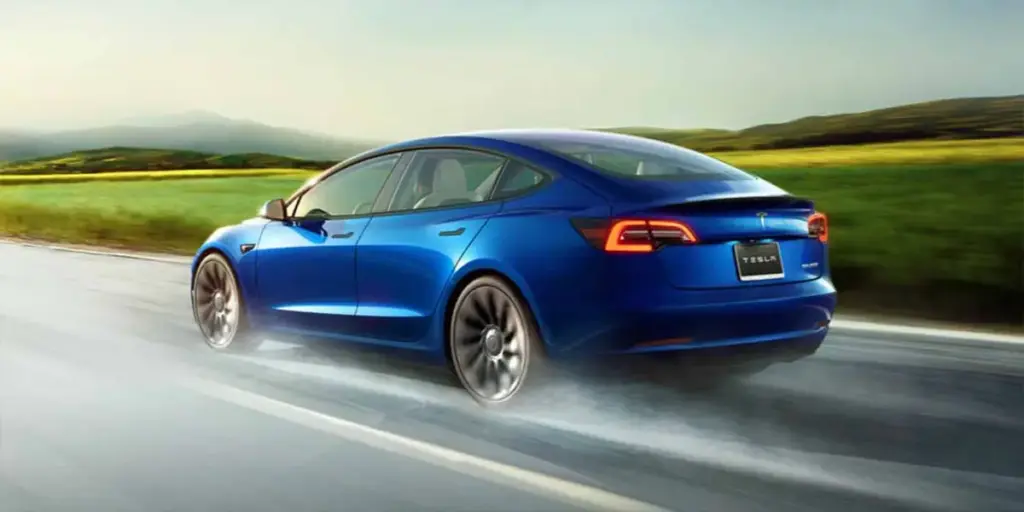
The genesis of today’s pre-owned EV inventory can be traced back to the implementation and subsequent expansion of federal clean-vehicle policies, most notably during the Biden administration. The widespread deployment of the $7,500 federal tax credit served as a primary catalyst, supercharging initial new car sales and driving a massive wave of consumer leases. Consumers who favored the flexibility of leasing over the perceived technological uncertainty of early-generation battery architectures flooded showrooms, signing three-to-four-year lease contracts for popular models like the Tesla Model 3, Chevrolet Bolt, and various early crossover offerings.
The Incentive Rush of 2025
As these vehicles began to mature, market behavior experienced distinct spikes. The most notable anomaly prior to the current surge occurred in the third quarter of previous market cycles, when secondary sales spiked dramatically. During that period, consumers rushed to dealerships and online platforms to capitalize on specific government-backed incentives and tax credit structures before they expired or faced tighter regulatory adjustments. While that quarter set a high-water mark, it was viewed by many analysts as an artificial rush rather than a steady baseline.
The Q1 2025–2026 Turning Point
The narrative shifted markedly in the most recent first quarter. Rather than relying on panic-buying or impending policy deadlines, the market experienced organic, structural expansion. Wholesale sales rose by an impressive 12% year-over-year and surged 17% compared to the final quarter of the preceding year. Crucially, wholesale prices held firm throughout March, defying historical softening trends and rising in tandem with the traditional spring market bump. This stability demonstrated that residual values had finally found a sustainable equilibrium, giving used-car dealers the confidence to actively stock and promote electric inventory rather than steering buyers toward traditional internal combustion engine (ICE) alternatives.
Supporting Context & Metrics: Unpacking the Data
The quantitative evidence supporting the maturation of the used EV market is multifaceted, drawing on data from automotive analytics giants, financial institutions, and real-world auction metrics.
Wholesale and Retail Volume Metrics
- Manheim Auction Performance: Nearly 37,000 EVs were sold through Manheim auction lanes in Q1, setting an all-time record for wholesale transactions.
- Retail Absorption: Cox Automotive estimates retail sales exceeded 100,000 units in Q1, making it the second-highest retail quarter on record, eclipsed only by the policy-driven rush of Q3.
- Year-Over-Year Growth: Wholesale used EV transactions jumped 12% compared to the same period in the previous year.
- Quarter-Over-Quarter Growth: Q1 wholesale volumes increased by 17% relative to Q4 figures, showing accelerating momentum despite seasonal headwinds.
The Off-Lease Influx and Supply Dynamics
The primary driver behind this volume expansion is an unprecedented wave of off-lease vehicles returning to the market. Experian’s automotive analytics project that electric vehicles will account for an extraordinary 15% of all off-lease vehicles by the end of 2026, marking a near-doubling from the 7.7% share recorded in Q1.
This supply surge is directly reshaping auction dynamics:
- Residual Value Realities: Many original lessees are choosing not to purchase their vehicles at lease-end. Because early residual value projections set by lenders occasionally outpaced the actual rapid depreciation of new EV prices—accelerated by aggressive new-car price cuts from manufacturers like Tesla—the market value of the returned vehicles has frequently fallen below the contractual buyout price.
- Auction Influx: Consequently, consumers are walking away from their leases, leaving financial institutions and captive lenders to push large volumes of relatively young, low-mileage EVs directly into wholesale auction channels.
- Lender Adaptation: Lenders and financial institutions have systematically adjusted their pricing models to account for these valuation gaps. This proactive recalibration has allowed the secondary market to absorb the rising inventory wave smoothly, avoiding catastrophic price crashes that many skeptics predicted years prior.
Macroeconomic Pressures: Fuel Costs and Affordability
Beyond inventory availability, external macroeconomic factors are tilting consumer preference toward pre-owned electric options. As traditional petroleum fuel costs tick upward, the cost-per-mile advantage of driving an EV becomes a prominent selling point for budget-conscious buyers.
Furthermore, affordability remains the ultimate arbiter of automotive mass adoption. While new EVs have steadily dropped in price, many models still sit above the financial reach of the average used-car buyer. Pre-owned EVs, however, now offer a compelling value proposition. Consumers can purchase a reliable, tech-forward electric vehicle with advanced safety features and minimal mechanical maintenance requirements at a fraction of its original sticker price. Dealers who previously hesitated to stock electric inventory due to a lack of familiarity or fear of lot stagnation are now aggressively leaning into pre-owned EVs to satisfy this pent-up consumer demand.

Official Statements and Industry Perspectives
Industry leaders and market analysts have increasingly vocalized their optimism regarding the structural health of the secondary EV market.
Automotive economists tracking the Manheim Marketplace data have noted that the stabilization of wholesale prices through March indicates a healthy supply-demand balance. Rather than a market flooded with distressed assets, the current ecosystem reflects a natural filtering process where residual values reflect true market utility.
Furthermore, data analytics firms specializing in battery longevity have shifted the conversation entirely. Real-world telemetry and degradation studies—such as recent comprehensive reports highlighting that modern EV battery packs frequently outlast the structural lifespan of the vehicles themselves—have directly addressed the primary psychological barrier plaguing used EV buyers: battery anxiety.
Industry analysts from leading financial and automotive research institutions emphasize that as these technical myths are debunked by empirical data, consumer confidence follows suit. Lenders, insurers, and dealership networks are actively updating their training, warranty offerings, and financing structures to accommodate the influx of electrified inventory, signaling a permanent institutional shift toward a zero-emission pre-owned market.

Future Outlook
Looking ahead through the remainder of 2026 and into subsequent years, the trajectory of the used EV market points decisively toward continued expansion and normalization.
What to Expect in the Months Ahead
- Accelerating Inventory: With Experian projecting that 15% of all off-lease returns will be electric by year-end, auction lanes and dealership lots will see a steady, predictable stream of modern EVs. This continuous supply will prevent artificial price inflation and keep pre-owned EVs accessible to mainstream buyers.
- Dealer Participation: Independent and franchise dealerships alike will likely transition from viewing used EVs as niche inventory to treating them as core profit centers. As customer familiarity grows, the sales velocity of pre-owned electric models is expected to match or exceed traditional ICE counterparts in key urban and suburban markets.
- Infrastructure and Financing Maturity: Financial institutions will continue refining specialized EV financing products, including certified pre-owned (CPO) programs that incorporate battery health certifications. These guarantees will further dismantle lingering consumer hesitancy.
Ultimately, the record-breaking performance of Q1 is not an isolated market anomaly; it is the foundational proof of a self-sustaining ecosystem. As the initial wave of leased vehicles continues to cycle through wholesale channels, the secondary market is successfully bridging the gap between early adopter innovation and mass-market ubiquity. For buyers, sellers, and policymakers alike, the message is unmistakable: the electric vehicle revolution has firmly taken root in the pre-owned driveway.