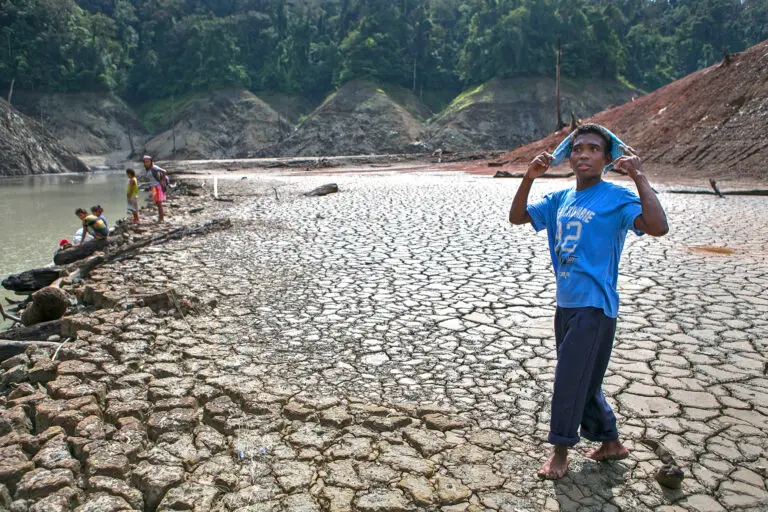
Countries across the globe are bracing for what climate modeling indicates will be a historic and potentially catastrophic El Niño event for the 2026–2027 cycle. Latest oceanographic and atmospheric data suggest this developing cycle is on track to become the strongest ever measured, with a significant statistical probability of breaking historical temperature records by a dangerous margin.
International bodies—including the World Health Organization (WHO), the World Meteorological Organization (WMO), and the World Food Programme (WFP)—have issued urgent calls for nations to prepare for extreme weather anomalies. The cascading impacts of this cyclical phenomenon threaten global health, water security, agricultural yields, and energy grids. While some governments have mobilized emergency funding, prepositioned supplies, and declared states of emergency, humanitarian organizations warn that many regions remain critically underprepared. Piled atop existing geopolitical instability, supply chain strains, and dwindling international development aid, this developing super-El Niño represents a severe multi-sectoral crisis demanding immediate global attention.
Detailed Chronology and Early-Onset Impacts
The El Niño–Southern Oscillation (ENSO) is a naturally occurring climate pattern characterized by the redistribution of heat stored in the world’s oceans—which absorb an estimated 90% of excess heat trapped by anthropogenic greenhouse gas emissions—into the atmosphere. When sea surface temperature (SST) anomalies in the Central Pacific Ocean (specifically the Niño 3.4 region) surpass 2°C (3.6°F) above the long-term average, the event is classified as a "very strong" or "super" El Niño.
The current cycle crossed this critical 2°C threshold in mid-July 2026, and surface temperatures continue to climb. According to updated modeling forecasts from early August, there is a 90% chance the event will reach "very strong" status when it peaks between November and January, and a 69% chance it will eclipse all previously recorded events.
Early-onset impacts are already registering globally:
Southeast Asia: Severe droughts have delayed critical rice harvests, threatening regional food supplies.
South Asia: Portions of India face delayed monsoon arrivals, prompting agricultural contingency planning across drought-vulnerable districts.
Central America: Plummeting water levels threaten vital commercial navigation through the Panama Canal.
East Africa: Suppressed seasonal rainfall has severely impacted agricultural outputs in Kenya and Ethiopia.
Supporting Context & Metrics: Historical Parallels and Financial Toll
Since the 1980s, meteorologists have documented three prior "super" El Niño events: 1982–1983, 1997–1998, and 2015–2016. Each of these events supercharged global weather systems, triggering intense heatwaves, extreme droughts, catastrophic flooding, and widespread wildfires.
To understand the extreme end of this spectrum, historians point to the unrecorded 1877–1878 El Niño, which unleashed a catastrophic global drought resulting in widespread famines across Asia, Africa, and South America, claiming an estimated 50 million lives. While modern society benefits from advanced meteorological forecasting and early-warning systems, the economic and human tolls of recent super-El Niños remain staggering:
1982–1983: Caused an estimated 2,000 direct deaths and generated economic losses calculated at $4.1 trillion.
1997–1998: Killed approximately 23,000 people, triggered the first recorded global coral bleaching event, and caused $5.7 trillion in economic damages.
2015–2016: Resulted in over 7,000 direct deaths, impacted 60 million food-insecure people, and generated $3.9 trillion in economic losses.
Furthermore, recent peer-reviewed research demonstrates that the economic and health shocks of El Niño do not vanish once the cycle ends. Studies indicate that large El Niño events induce multi-year reductions in global economic growth and can suppress regional life expectancies for up to a decade following the initial event.
Official Statements and Institutional Preparedness
International institutions and scientific leaders have expressed deep concern over the trajectory of the 2026–2027 event.
"We have not learned enough from our experience with previous strong El Niños. That is evidenced by the illnesses and deaths recorded in the most recent ones."
— Lachlan McIver, Health Advisor, WHO-WMO Climate and Health Joint Office
"El Niño is contributing to climate variability and climate extremes, and this makes human existence and performance on this planet more unsafe."
— Hans-Otto Pörtner, Marine Biologist, Alfred Wegener Institute
"Forecasts are nothing less than deeply, deeply concerning. We are already starting to see the impacts of this across the world. It’s hitting all of us, whether you’re sitting in a rich part of the planet in a very modern urban area, or whether you are in a poor country, out in a rural area."
— Johan Rockström, Director, Potsdam Institute for Climate Impact Research
In response to these risks, the WFP has launched an urgent $202 million El Niño Joint Anticipatory Action Appeal to deliver protective safety measures across 22 high-risk nations. Regional bodies, such as the African Union, are urging member states to rapidly implement early-warning systems to safeguard lives and local economies.
Individual governments are also taking direct preventative steps:
Brazil has hired record numbers of firefighters to combat anticipated blazes in the Amazon rainforest.
Peru has declared a state of emergency across 40% of its territory following historical precedents of severe flooding and landslides.
Sri Lanka has initiated emergency water deliveries to nearly 72,000 residents across seven drought-stricken districts.
India has established agricultural contingency plans and boosted irrigation provisions across 300 vulnerable farming districts.
Future Outlook: Food Security, Public Health, and Ecosystem Vulnerabilities
As the 2026–2027 El Niño intensifies toward its winter peak, experts warn of compounding vulnerabilities across multiple interconnected sectors.
Food Systems and Global Markets
The WFP warns that the unfolding event could push an additional 49 million people into acute food insecurity across 45 nations, with Southern Africa and Central America facing the highest risks. Furthermore, analysts project severe disruptions to global commodity supply chains—particularly for staple crops like rice, sugar, coffee, and cocoa—which threaten to trigger steep price shocks lasting well into 2028.
Public Health Risks
Climate-driven extreme heat combined with urban heat island effects significantly increases mortality risks. In Europe, recent summer heatwaves have already claimed thousands of lives. Beyond thermal stress, altered precipitation patterns amplify the transmission vectors of infectious diseases. Public health experts warn of heightened risks for:
Cholera and Waterborne Diseases: Straining limited global vaccine stockpiles and WASH (Water, Sanitation, and Hygiene) infrastructure.
Vector-Borne Diseases: Amplified outbreaks of dengue, malaria, and yellow fever linked to heavy rainfall or severe drought conditions.
Complex Humanitarian Crises: Compounding ongoing epidemics, such as the near-record Ebola outbreak in the Democratic Republic of Congo.
Ecosystem Collapse
Marine and terrestrial ecosystems face profound jeopardy. Coral reefs, which suffered catastrophic bleaching during the 2015–2016 and 2023–2024 cycles, have had minimal time to recover. Scientists warn that the 2026–2027 super-El Niño will likely trigger widespread reef mortality, collapsing critical marine habitats. On land, severe droughts in the Amazon rainforest elevate the risk of catastrophic wildfires, pushing the biome dangerously close to a permanent savanna-transition tipping point and temporarily converting tropical carbon sinks into net carbon sources.
Conclusion
Experts emphasize that the coming months will test global resilience. Mitigating the worst impacts requires proactive, cross-sectoral preparation—ranging from targeted heat-health action plans and reinforced sanitation systems to climate-resilient agricultural practices. Ultimately, scientists like Johan Rockström argue that this historic El Niño must serve as an unmistakable warning: humanity has reached the limits of a fossil fuel-driven global economy, and immediate, systemic climate action is required to prevent an escalating spiral of future disasters.