Executive Overview
Nestled at the southernmost edge of Australia, the island state of Tasmania has quietly evolved into a global powerhouse for sustainable travel and nature conservation. Long celebrated for its rugged coastlines, ancient temperate rainforests, and diverse endemic wildlife, the island is increasingly recognized not merely as a picturesque holiday destination, but as a living laboratory for regenerative tourism. As global travelers become more acutely aware of their carbon footprints and ecological impacts, Tasmania offers a compelling blueprint for how a regional economy can harmonize high-value tourism with rigorous environmental stewardship.
This comprehensive report examines Tasmania’s deliberate shift toward ecotourism, analyzing the systemic policies, award-winning regional operators, and immersive natural attractions that define the modern Tasmanian vacation. From the pink granite peaks of Freycinet National Park to the dramatic sea cliffs of Tasman National Park and the remote depths of the South Coast Track, the island state demonstrates that responsible travel is not a niche market, but the essential foundation for safeguarding the planet’s most fragile ecosystems for future generations.
Detailed Chronology: The Evolution of Tasmania’s Conservation and Tourism Model
To understand how Tasmania achieved its current status as an elite ecotourism destination, it is necessary to examine the historical trajectory that bridged industrial exploitation with modern environmental protection.
- Pre-Settlement to Late 20th Century (The Era of Extraction): For generations, Tasmania’s economy relied heavily on resource extraction, including logging, mining, and whaling. Vast tracts of ancient old-growth forests and unique wildlife habitats faced continuous pressure from industrial development.
- The Rise of Environmental Activism (1970s–1980s): The pivotal Franklin Dam controversy in the early 1980s marked a cultural and political turning point. Nationwide protests against the proposed damming of the Franklin River galvanized the Australian conservation movement, ultimately leading to a landmark High Court decision that protected the region and enshrined large portions of the southwest wilderness into World Heritage status.
- The Strategic Pivot to Ecotourism (1990s–2000s): Recognizing that its greatest economic asset lay in its untouched natural beauty rather than its timber, regional authorities began developing frameworks to foster sustainable, low-impact travel. The state realized that unmanaged mass tourism could degrade the very landscapes visitors came to see, prompting the birth of structured ecotourism policies.
- The Modern Era of Accreditation and Recognition (2010s–Present): Today, Tasmania’s tourism sector operates under stringent environmental guidelines. Through partnerships between state bodies, conservation groups, and the Tourism Industry Council Tasmania (TICT), operators are regularly evaluated through rigorous certification programs. Award-winning sustainable businesses now set the standard, integrating renewable energy, waste reduction, and Indigenous cultural interpretation into everyday operations.
Supporting Context & Metrics: The Anatomy of Tasmanian Ecotourism
The success of Tasmania’s sustainable tourism model is backed by structural policies, geographic diversity, and measurable community benefits. Ecotourism in the region is defined not just by marketing, but by strict adherence to educational enrichment, environmental preservation, and direct economic support for local communities.
Key Pillars of the Tasmanian Ecotourism Framework
- Environmental Mitigation & Low-Impact Operations: Small-group tour operators limit visitor numbers in sensitive areas, reducing trail erosion and wildlife disruption. Many accommodations across the island utilize off-grid solar power, rainwater harvesting, and advanced waste management systems.
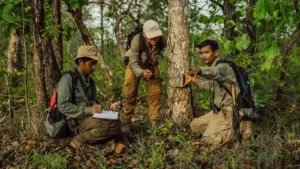
- Conservation Education: Unlike traditional sightseeing, Tasmanian ecotours integrate interpretive elements. Guides actively educate travelers on regional geology, flora, and fauna, transforming tourists into informed advocates for environmental preservation.
- Community-Centric Economic Growth: Ecotourism ensures that financial revenues flow directly into rural and regional communities. Small family-run lodges, local guides, and artisanal food producers benefit directly from visitors seeking authentic, sustainable experiences.
Geographic Hotspots of Sustainable Discovery
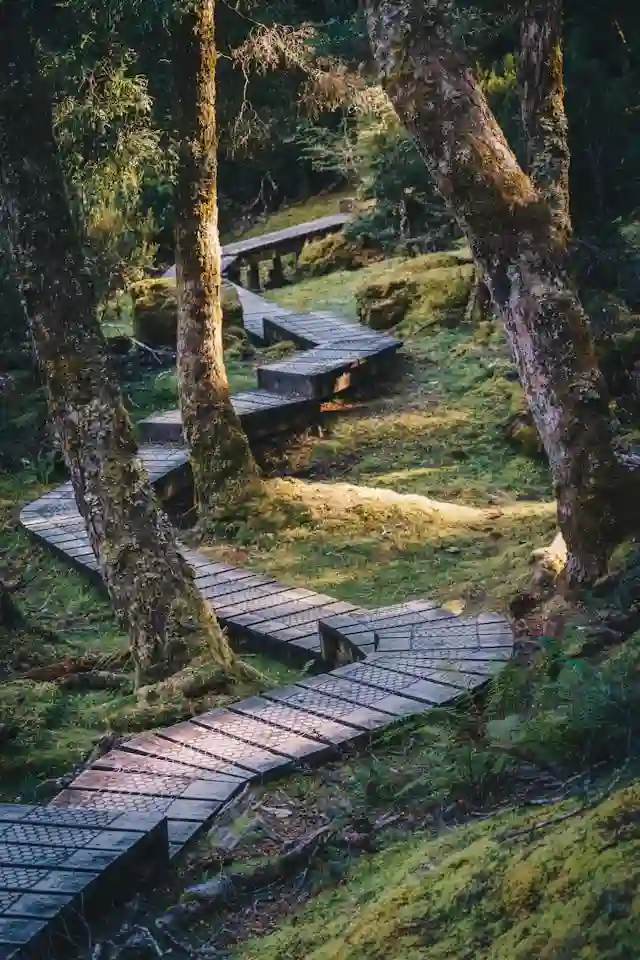
- Freycinet Peninsula & Wineglass Bay: Situated on the east coast, Freycinet is world-renowned for its crescent-shaped beach framed by pink granite mountains. Management strategies here focus heavily on boardwalk construction to protect delicate dune systems while accommodating hundreds of thousands of annual visitors.
- Tasman National Park: Located just a short drive from Port Arthur, this park features some of the highest sea cliffs in the Southern Hemisphere. Strict zoning laws protect nesting seabird colonies and marine mammal habitats from over-commercialization.
- The Tasmanian Wilderness World Heritage Area: Spanning over 1.5 million hectares (nearly 25% of the island), this colossal protected area includes remote trekking routes like the South Coast Track. It represents one of the last vast expanses of temperate wilderness left on Earth.
- East Coast Natureworld: Serving as an interactive wildlife sanctuary, this facility provides crucial rehabilitation for injured native species while offering visitors close-up educational encounters with iconic animals, including the endangered Tasmanian Devil.
Official Statements and Industry Perspectives
The transition toward total environmental sustainability has garnered widespread endorsement from tourism leaders, conservation scientists, and regional policymakers.

"Tasmania’s greatest competitive advantage is the pristine nature of our environment. We cannot afford to treat our wilderness as an infinite resource. Through rigorous ecotourism standards, we ensure that every visitor who walks our trails becomes a custodian of our land rather than a consumer of it."
— Regional Tourism Development Spokesperson
Conservation groups have similarly lauded the collaborative approach taken by Tasmanian operators. Wildlife biologists note that controlled, educational wildlife interactions—such as those managed by specialized east coast sanctuaries—play a vital role in funding anti-extinction programs for species like the Tasmanian Devil, which continues to face threats from facial tumor disease.
Furthermore, industry bodies emphasize that sustainable travel directly elevates the economic resilience of the island.
"When travelers choose certified ecotours and eco-conscious accommodations, they are voting with their wallets for a cleaner, more resilient future. Our award-winning operators prove that environmental responsibility and commercial viability go hand in hand."
— Tourism Industry Council Representative
Future Outlook: Challenges and Horizons for Responsible Travel
As Tasmania looks toward the coming decades, the state faces both significant opportunities and complex challenges in maintaining its ecological balance.

Balancing Growth with Preservation
The primary challenge facing Tasmanian tourism is managing visitor volume without compromising ecological integrity. Popular spots like Wineglass Bay and Cradle Mountain experience seasonal surges. Future planning must heavily emphasize geographical dispersion—encouraging travelers to explore lesser-known regional areas—and the potential implementation of dynamic visitor caps to prevent over-tourism.
Climate Resilience and Adaptation
Global climate change poses an ongoing threat to Tasmania’s alpine ecosystems, ancient rainforests, and endemic fauna. Ecotourism operators are increasingly taking the lead in climate advocacy, utilizing their platforms to educate global audiences on the fragility of sub-Antarctic and temperate island ecosystems. Future initiatives will likely see a deeper integration of carbon-neutral travel packages, where visitors actively participate in habitat restoration and tree-planting projects during their stay.
The Rise of Regenerative Travel
Looking ahead, the paradigm is shifting from mere "sustainability" (doing no harm) to "regeneration" (leaving the destination better than it was found). Tasmania is well-positioned to lead this transition. By fostering deeper connections between travelers, local Indigenous custodians, and conservation scientists, a Tasmanian vacation is no longer just a holiday—it is an active contribution to the healing and preservation of the natural world.
For travelers seeking an authentic escape that combines breathtaking landscapes with a profound sense of purpose, Tasmania remains an unmatched global beacon. Whether trekking through ancient wilderness trails, observing unique wildlife in protected sanctuaries, or supporting community-driven eco-lodges, the island offers a masterclass in how humanity and nature can coexist in enduring harmony.