Executive Overview
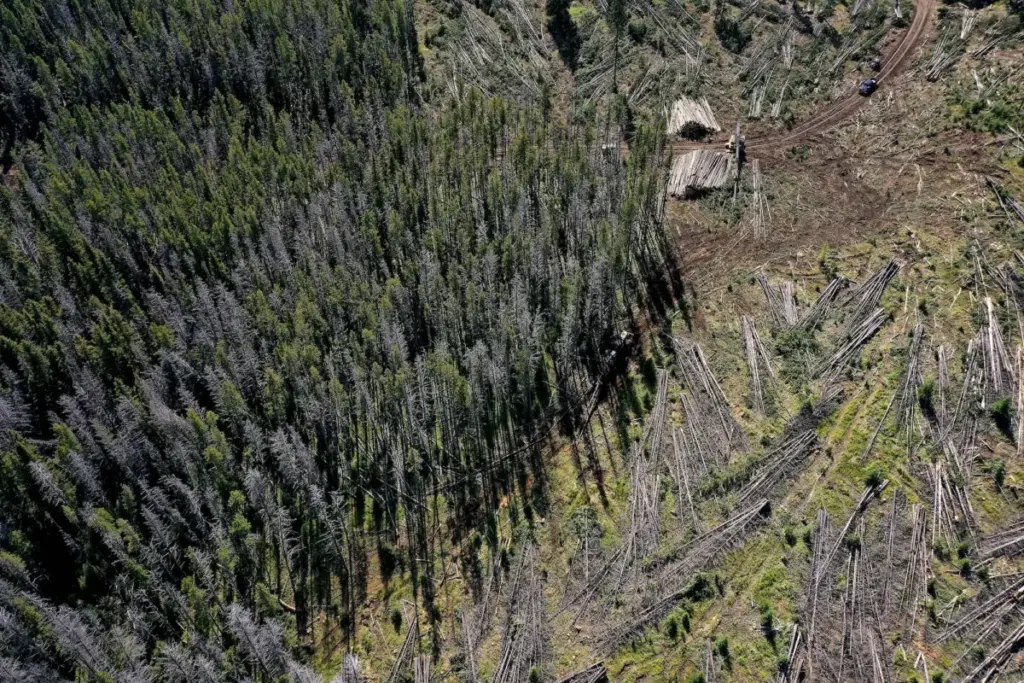
In a sweeping move that sets the stage for a high-stakes legal and environmental showdown, the U.S. Department of Agriculture (USDA) announced Tuesday that the Trump administration is officially proposing to rescind the "roadless rule." Enacted a quarter-century ago, the landmark conservation policy currently safeguards nearly 45 million acres of national forest land across the United States. The regulation historically bars commercial development, including heavy road construction and industrial logging, across some of the nation’s most ecologically intact and pristine backcountry landscapes.
Proponents of the repeal, led by USDA Secretary Brooke Rollins and backed by western governors like Montana’s Greg Gianforte, argue that the restriction has handcuffs on state and federal agencies trying to actively manage overstocked, diseased forests. They contend that stripping away national regulations will empower local decision-makers to prioritize active timber management and wildfire mitigation.
However, the administration’s narrative is sharply contested by a coalition of leading forest scientists, conservation organizations, wildlife advocates, and Indigenous and public-lands watchdogs. Critics point to empirical research demonstrating that roadless areas consistently experience the lowest density of wildfire ignitions, while lands adjacent to roads remain primary hotspots for human-caused fires. Furthermore, wildlife advocates warn that opening these remote tracts to commercial development will severely fracture critical habitats, imperil recovering apex predators like the grizzly bear, and dismantle migration corridors for elk, mule deer, and pronghorn.
Public pushback has historically been overwhelming. During a preliminary public comment period last fall, an astonishing 99 percent of more than 625,000 public submissions opposed dismantling the regulation. With the formal publication of the proposal and its Draft Environmental Impact Statement imminent in the Federal Register, environmental legal groups like Earthjustice have already signaled their intent to challenge the administration in federal court.
Detailed Chronology: From Clinton-Era Protection to the Current Repeal Effort
To understand the weight of Tuesday’s announcement, one must trace the turbulent history of the roadless rule, which has spent much of its 25-year existence at the center of political tug-of-wars between conservationists and resource-extraction industries.
The Genesis of the Rule (2001)
In the final days of the Clinton administration in January 2001, the U.S. Forest Service enacted the Roadless Area Conservation Rule. Backed by extensive scientific reviews and millions of public comments, the regulation was designed to protect remaining undeveloped national forest lands from the ecological degradation associated with road-building. Roads not only fragment wildlife habitats and introduce invasive species, but they also act as vectors for human access, significantly increasing the risk of human-ignited wildfires and unauthorized poaching.
Decades of Legal and Political Ping-Pong
Almost immediately after its inception, the rule became a favorite target for legal challenges filed by timber-dependent counties, state governments, and industrial lobbyists.
- The Bush Administration Era: The administration of George W. Bush sought to replace the national rule with a petition-based system, requiring governors to actively request protections for state-specific roadless lands, a move that triggered years of protracted litigation in federal courts.
- The Obama Administration Era: Legal battles bounced back and forth until federal courts ultimately reaffirmed the validity of the 2001 rule, particularly cementing its application in vital western ecosystems and across nearly 6 million acres in Montana alone.
- The First Trump Administration and Subsequent Defenses: During his first term, the Trump administration similarly sought to chip away at protections—most notably successfully exempting Alaska’s vast Tongass National Forest from the rule, a decision later reversed under the Biden administration.
The latest Tuesday announcement by Secretary Rollins represents a coordinated, aggressive push to dissolve the national framework entirely, shifting the burden of forest stewardship onto individual states through a streamlined, development-friendly framework.
Supporting Context & Metrics: Science, Wildlife, and Public Sentiment
The ideological battle lines drawn over the roadless rule center largely on two competing philosophies: active, mechanized timber extraction versus passive ecological preservation. The administration frames its policy shift as an emergency response to catastrophic wildfires, but scientific literature paints a vastly different picture.
Debunking the Wildfire Narrative
In a letter published last fall and endorsed by more than 30 leading forest science researchers nationwide, experts directly refuted the administration’s core justifications. The researchers analyzed decades of Forest Service data and concluded that:
- The density of wildfire ignitions across all Forest Service lands over the past 30 years was consistently lowest in designated wilderness and roadless areas.
- Conversely, the highest concentrations of wildfire ignitions heavily correlated with land parcels located in close proximity to established roads.
- According to the National Interagency Fire Center, nearly 85 percent of all wildfires are human-caused, meaning that expanding road networks directly increases human footprints in remote, fire-prone forests.
The Stakes for Wildlife and Biodiversity
The geographic footprint of the roadless rule is concentrated heavily in the West and Alaska, encompassing nearly 10 million acres within the Greater Yellowstone Ecosystem alone. Conservationists argue that losing these protections carries catastrophic implications for regional biodiversity.
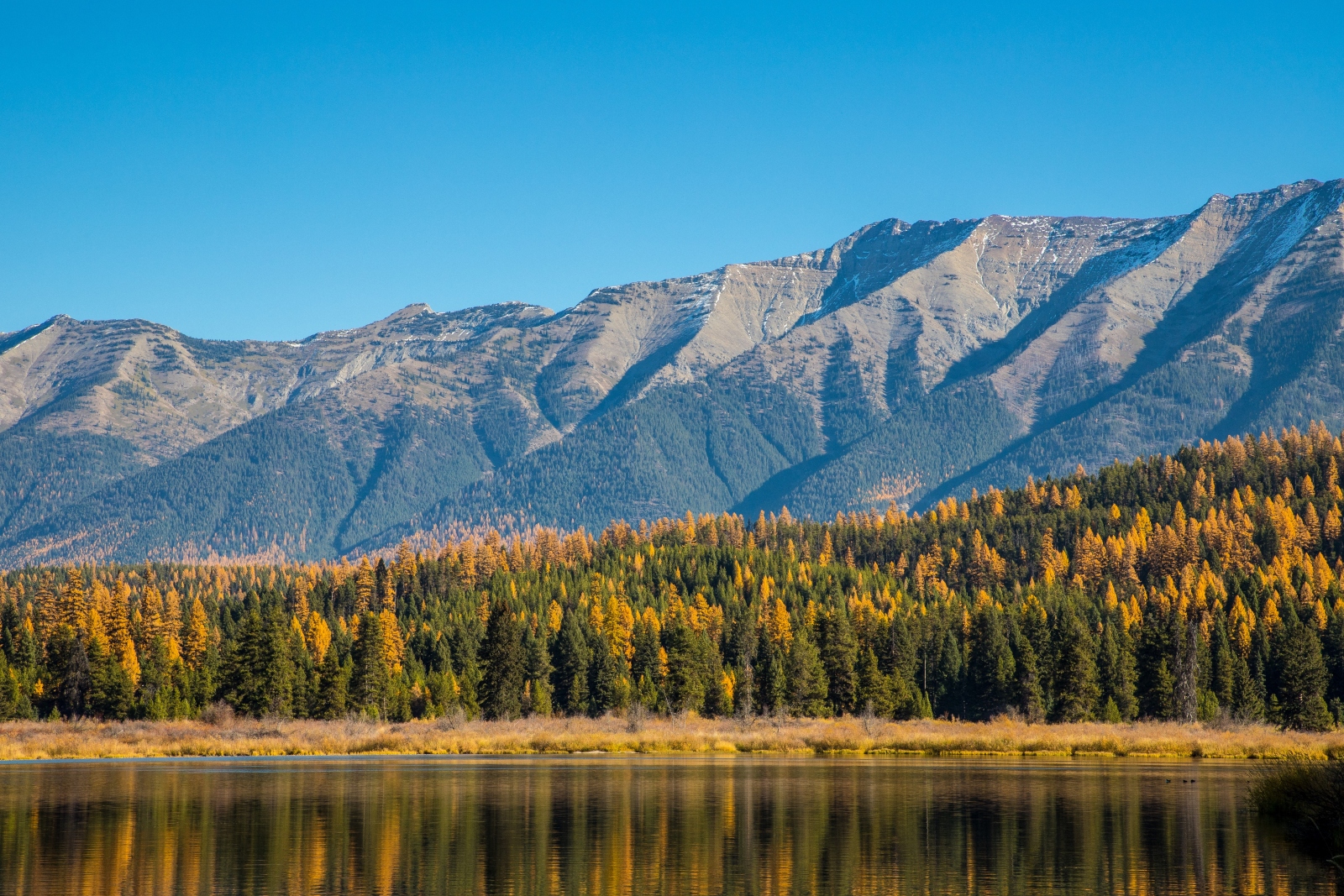
Scott Christensen, executive director of the Greater Yellowstone Coalition, highlighted the irony and danger of the timing. "Roadless areas are vital habitat for elk, mule deer, trout, and, importantly, grizzly bears," Christensen noted. "At the same time the federal government is proposing to shift management authority of grizzlies to the states, it’s removing the very land protections that have allowed grizzly bears to recover from near-extinction."
Extensive ecological research confirms that bears actively avoid road networks, demonstrating chronic physiological stress and behavioral displacement when road densities increase. Fragmenting secure backcountry habitats strips away the foundational isolation required for apex predators to thrive.
Beyond charismatic megafauna, the stakes are equally high for lesser-known species. Scientific studies indicate that 57 percent of all species of conservation concern rely on habitats found within at least one roadless area. Road construction chops continuous ecosystems into isolated patches, interrupting critical seasonal migration routes for ungulates like elk and pronghorn, which depend on unblemished terrain to navigate changing weather patterns and food availability.
Public Opinion and Polling Data
Despite the administration’s stated alignment with local decision-making, broad public consensus remains deeply at odds with the proposed rescission.
- Public Comments: During the preliminary comment window last year, 99 percent of over 625,000 public comments vehemently opposed dismantling the roadless rule.
- National Surveys: A national public opinion survey conducted by Pew earlier this year revealed that an overwhelming 76 percent of likely voters strongly support keeping the rule intact.
- State-Level Metrics: A University of Montana poll released earlier this year demonstrated robust, bipartisan support among residents across the state for preserving federal public land protections.
Official Statements and Stakeholder Positions
The ideological divide between federal officials, state leaders, and conservation advocates underscores how deeply polarizing this policy remains.
USDA Secretary Brooke Rollins:
Defending the agency’s Tuesday announcement, Rollins argued that the 25-year-old framework has outlived its utility by restricting active forestry management. In the official press release, Rollins stated that the current rules have fostered overgrown, pest-ridden, and diseased forests primed for high-severity wildfires, and that deregulation will empower local communities to take charge of their surrounding natural resources.
Montana Governor Greg Gianforte:
Echoing the federal sentiment, Governor Gianforte praised the policy shift. "Today’s long overdue decision will empower states like Montana to pursue proper forest management on federal lands with local communities in mind," Gianforte said in the USDA release.
Jenny Harbine, Earthjustice Attorney:
Representing the legal opposition, Earthjustice attorney Jenny Harbine condemned the announcement as merely the latest installment in a broader, sustained administrative assault on public lands and native wildlife. Harbine warned that repealing the framework would "jeopardize water quality, wildlife, and backcountry recreational opportunities—all benefits of our public lands that Montanans value." Delivering a clear legal warning, she added: "If the administration finalizes this misguided proposal, we’ll see them in court."
Scott Christensen, Greater Yellowstone Coalition:
Christensen emphasized that opening millions of acres in Greater Yellowstone to road building and industrial logging will systematically dismantle the secure core habitats that have made decades of wildlife recovery possible.
Future Outlook and Next Steps
The battle over the roadless rule is now entering a formal administrative phase that will quickly transition into the courtroom.
- Federal Register Publication: The official proposal to rescind the rule, paired with the Forest Service’s Draft Environmental Impact Statement detailing the potential ecological harms of removing roadless protections, is scheduled for publication in the Federal Register.
- Public Comment Window: The Forest Service will open a brief, high-stakes public comment period running through September 21. Conservation groups, scientists, outdoor recreation industries, and citizens are expected to mobilize en masse to submit opposition comments mirroring last year’s historic turnout.
- Litigation Prep: Given the explicit warnings issued by Earthjustice and allied environmental nonprofits, a finalized rule will almost certainly trigger immediate multi-state lawsuits aimed at securing injunctions to block the rollback before heavy machinery can enter protected watersheds and backcountry forests.
As the countdown begins, the future of 45 million acres of America’s wildest public lands hangs in the balance, pitting federal deregulation goals directly against long-term ecological preservation and overwhelming public will.