Executive Overview
For generations, the cross-country American road trip has served as a defining cultural rite of passage—an odyssey immortalized in literature, cinema, and the endless scroll of modern travel media. Drawn by the romance of wide-open spaces, public lands, and geographical diversity, a climate journalist, her recently cancer-surviving husband, their two children, and longtime friends set out in a hybrid Honda packed with camping gear. Their objective was ambitious: a 9,000-mile, five-week trek across the United States to visit 14 national parks, spanning coast to coast and border to border.
Yet, as this traveling party quickly discovered, the traditional American landscape is undergoing a profound, accelerating transformation. Embarking in the heart of what scientists and emergency management organizations now designate as "Danger Season"—the extended period from May to October dominated by extreme weather—the family did not merely observe the majesty of the American outdoors. Instead, they found themselves on the front lines of a warming planet.
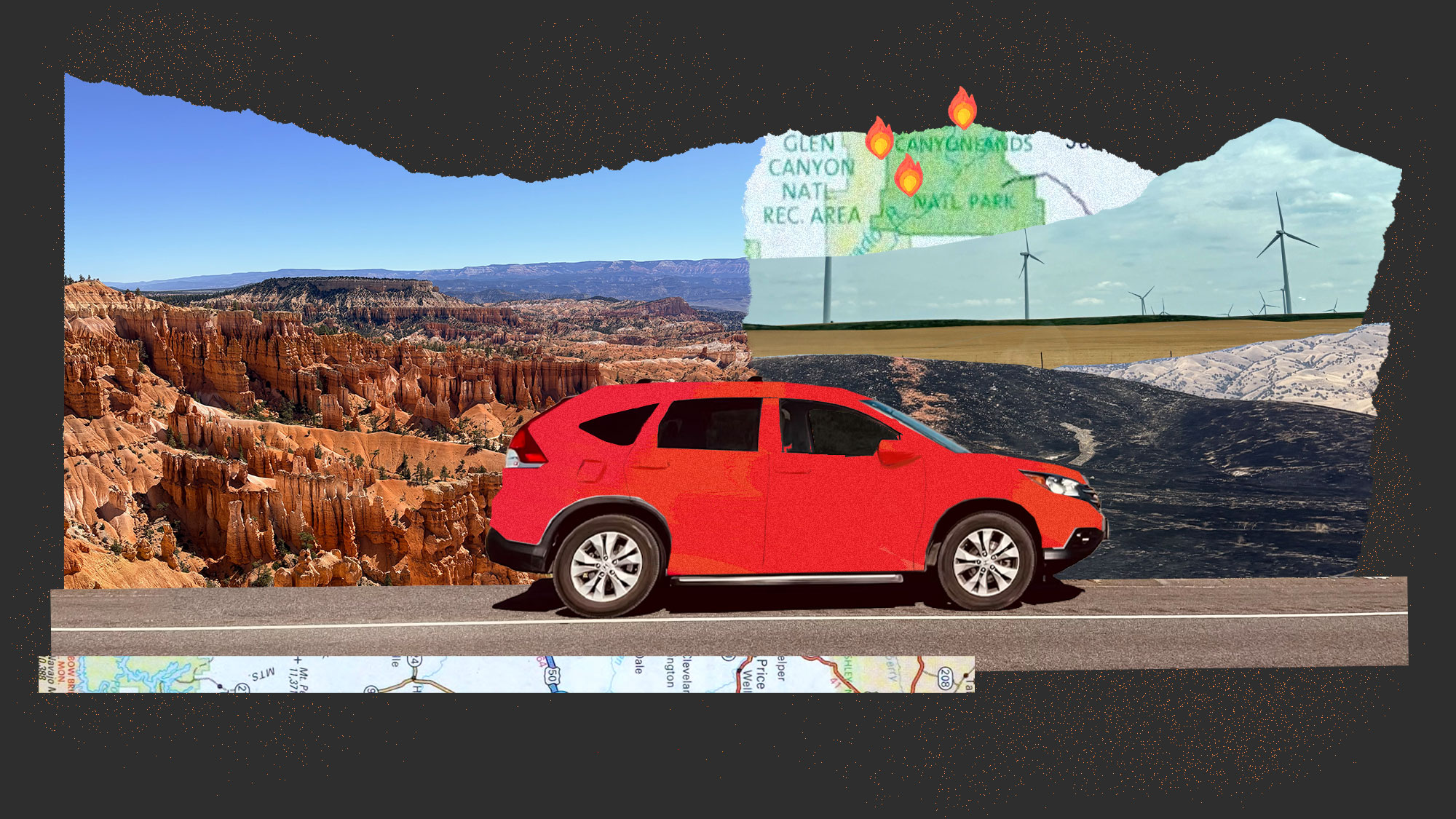
From catastrophic wildfires in Utah and vanishing glaciers in Montana to severe drought in Arizona and desiccated reservoirs in Wyoming, the journey offered an unvarnished, visceral encounter with the impacts of climate change. This report chronicles their voyage, examining the intersection of classic American adventure and contemporary ecological crisis.
Detailed Chronology: A Journey Interrupted
Phase I: Smoke and Embers in the Desert Southwest
The journey’s collision with climate reality occurred less than a week in, inside the lobby of a Utah hotel. The family sat huddled around a faux-marble table, staring down at digital mapping routes while breakfast patrons hummed around them. Their agenda for the day was straightforward: relocate from Moab—the gateway to Arches and Canyonlands national parks—to a lodging near Bryce Canyon.
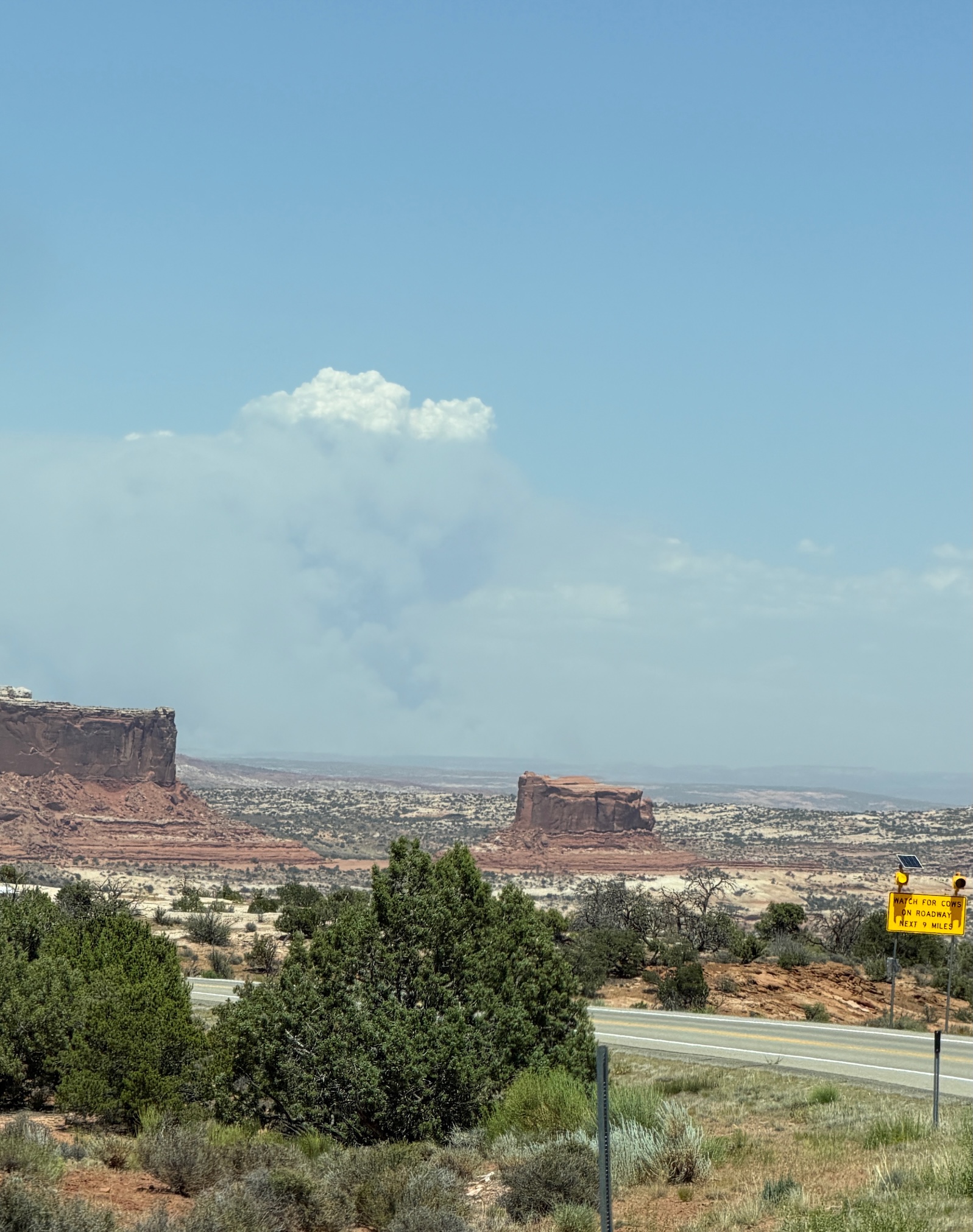
However, Utah was on fire.
To the west, the Cottonwood Fire had already consumed 94,000 acres of forest and mountain communities, establishing itself as the largest conflagration in the United States. To the east, the newly erupted Jones Fire near the ghost town of Cisco sent an ominous smoke plume across the flat horizon, clearly visible from the hotel room. Across the state, more than a dozen wildfires burned simultaneously, turning the sky an apocalyptic orange and forcing highway closures.
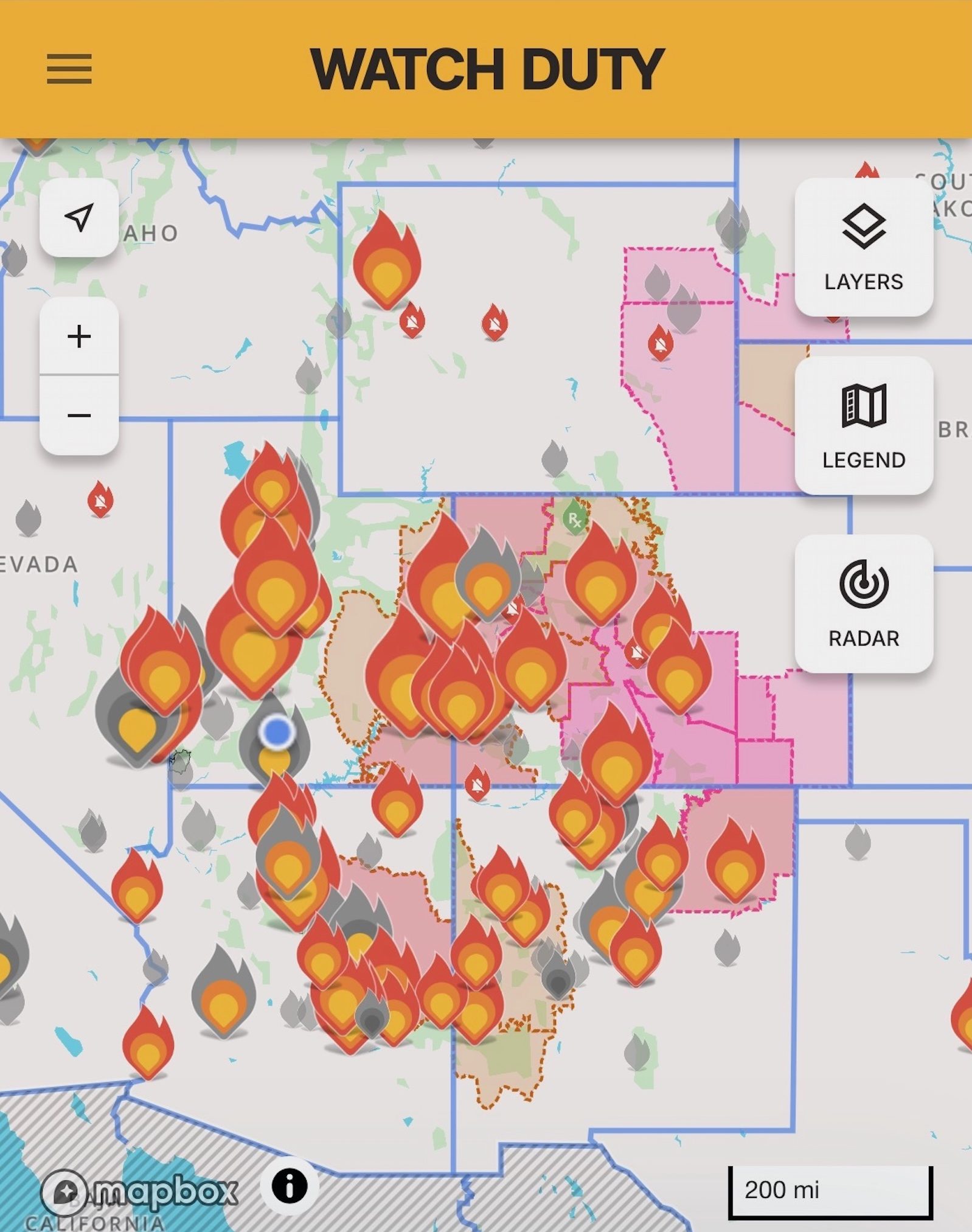
As the adults debated alternate paths—weighing Route 89 directly through the Cottonwood blaze against Route 72 through Loa—they transitioned from standard mapping software to Watch Duty, a real-time wildfire tracking application. Their 12-year-old son looked on anxiously as the screen populated with escalating fire symbols, noting that the perimeter of the Cottonwood Fire was creeping toward Route 72 as well.
Opting for smaller state highways that promised significantly longer transit times to avoid the advancing flames, traveling companion Jessie made a vital executive decision: "You guys go get your bags and check out, I’ll go to the pharmacy and grab us some N-95 masks."
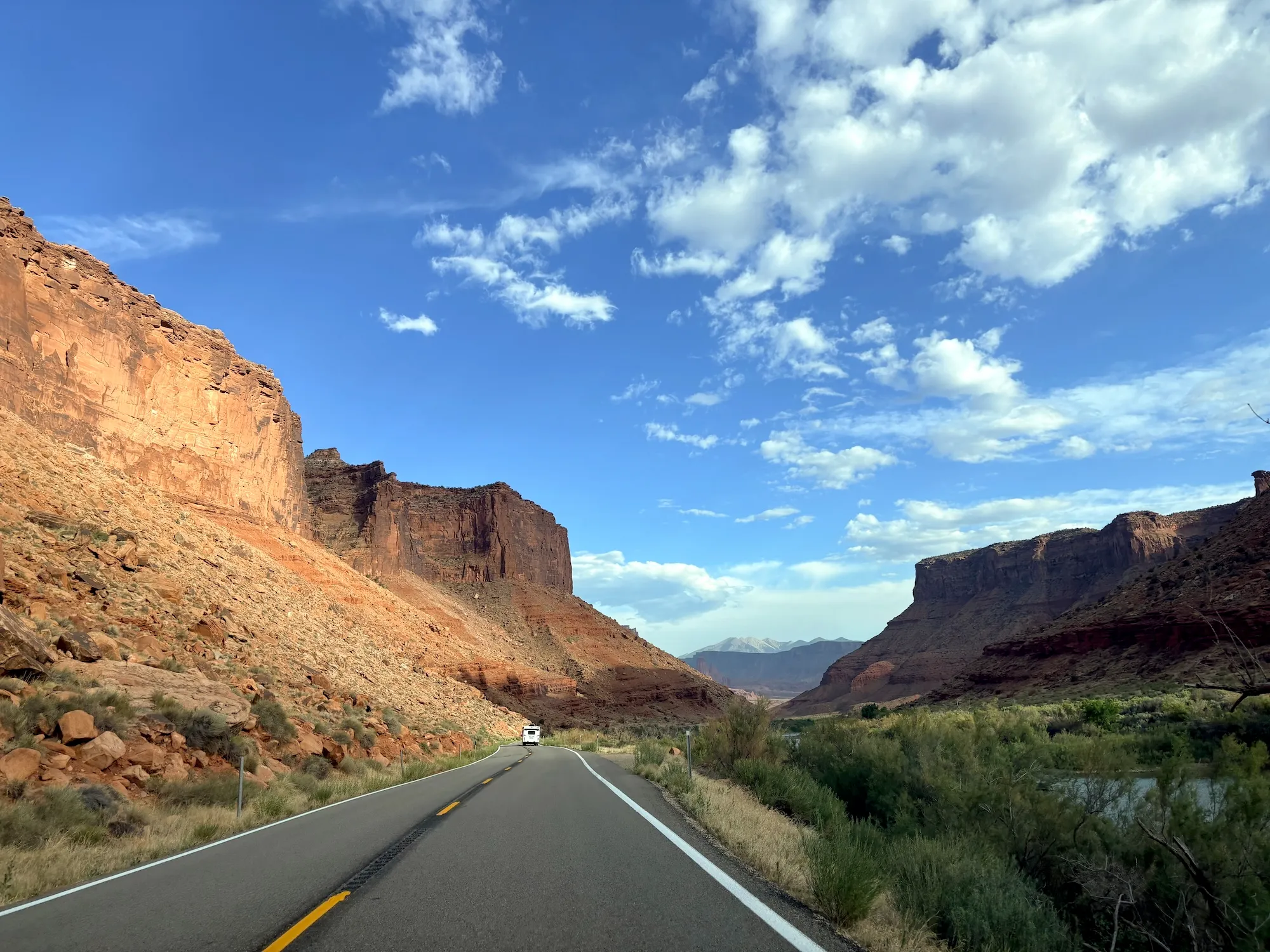
The precaution proved prescient. Shortly after departure, the National Park Service announced the closure of a section of Canyonlands National Park. Less than 24 hours prior, the family had stood atop the park’s red sandstone cliffs, gazing into the convergence of the Colorado and Green rivers while fierce gusts whipped hats from their heads. Overnight, those same winds catalyzed the Babylon Fire, exploding its footprint from 300 acres to 16,000 acres and placing a beloved natural monument under immediate siege.
Phase II: California’s Fossil Fuel Corridors and Ancient Groves
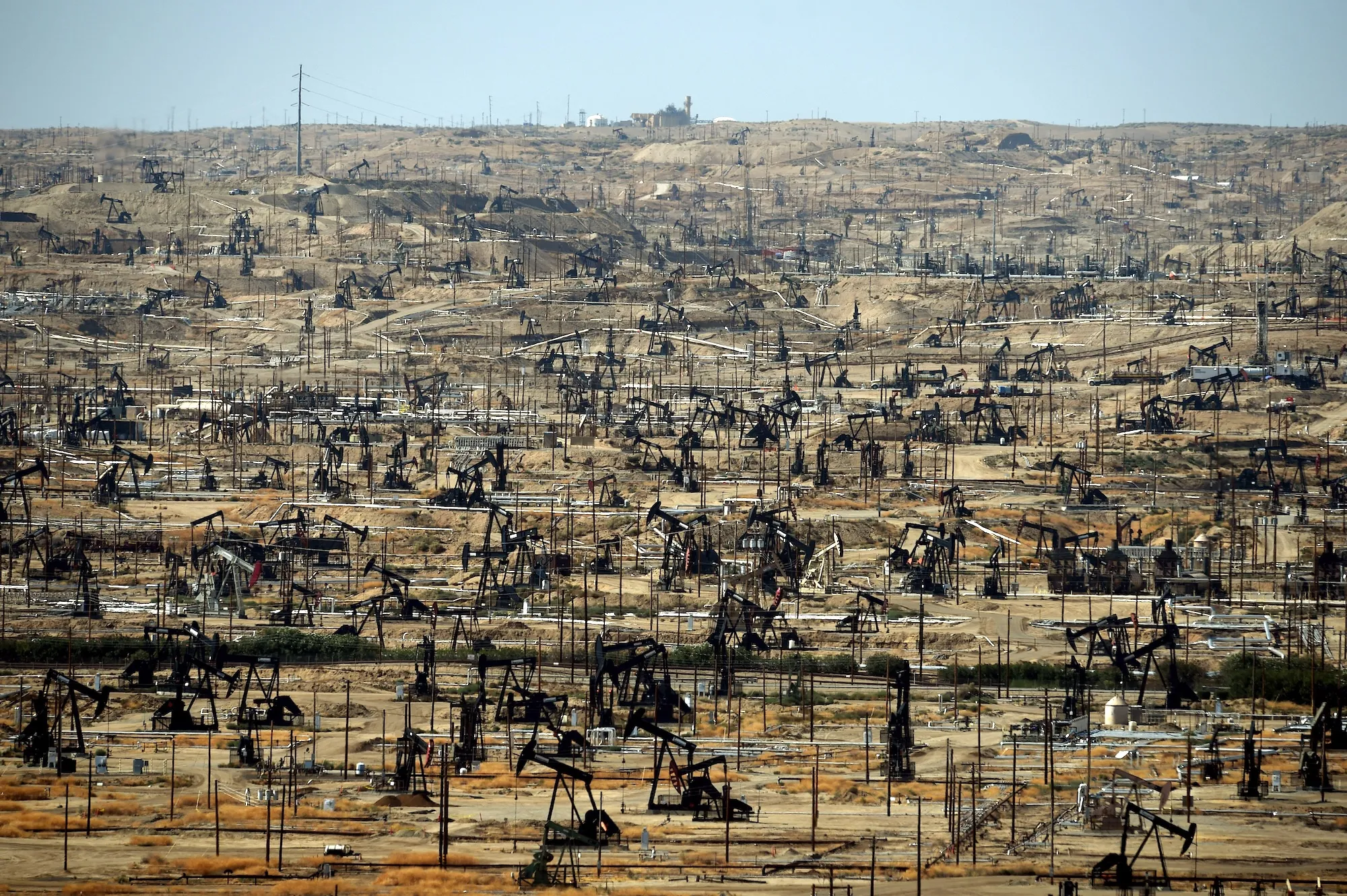
Following a Fourth of July stop in Las Vegas, the journey pushed westward into California’s Bakersfield region, serving as a gateway to the Sierra Nevada mountains. The route exposed the stark juxtaposition of human infrastructure and natural vulnerability: prescribed burn scars on ranchland, sprawling wind turbine arrays, dense orchards, and an endless rhythmic procession of pump jacks operating within the Kern River Oil Field.
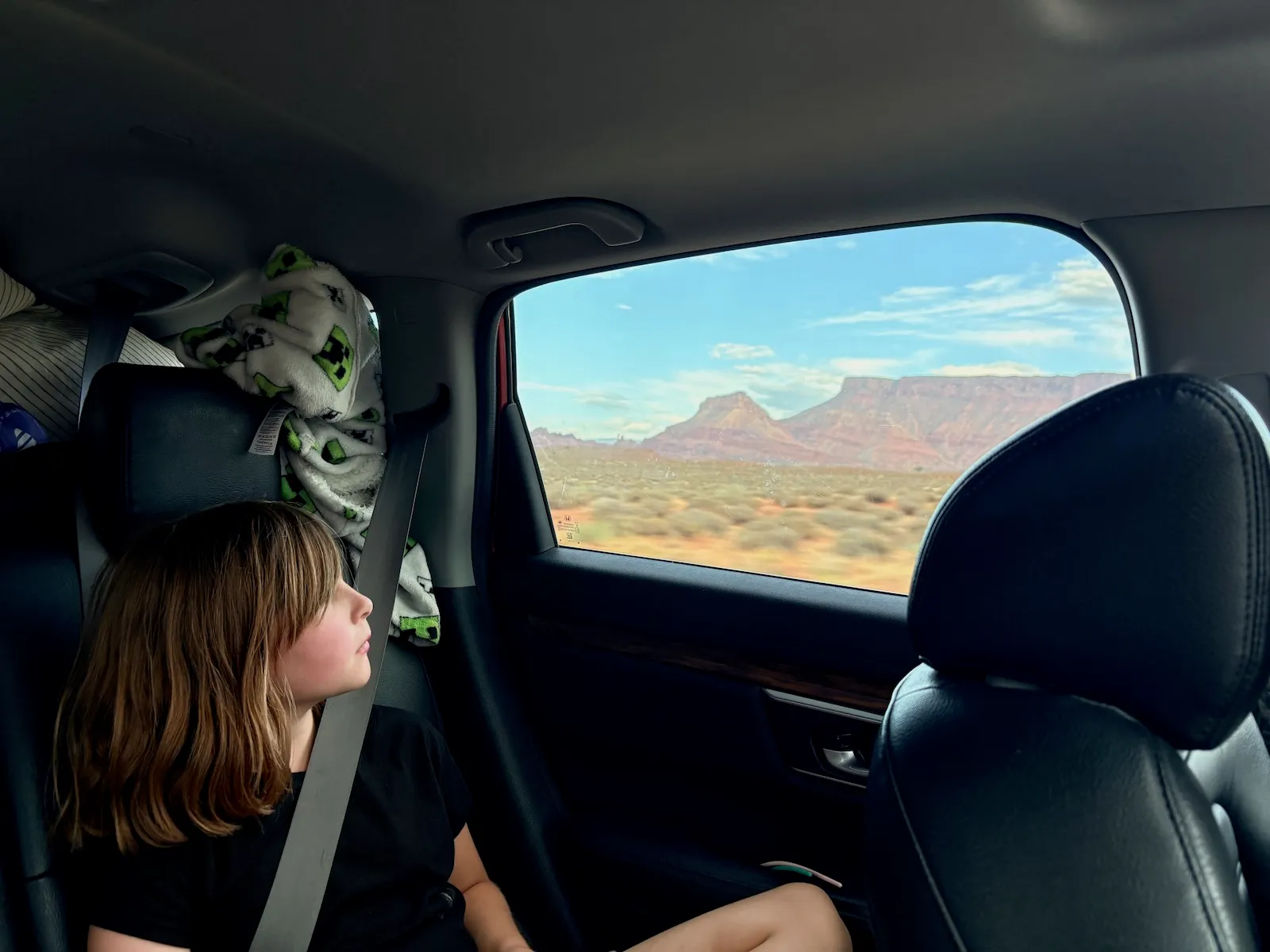
Staring out at the heavily industrialized landscape, the 9-year-old daughter asked, "What are they doing to the ground?"
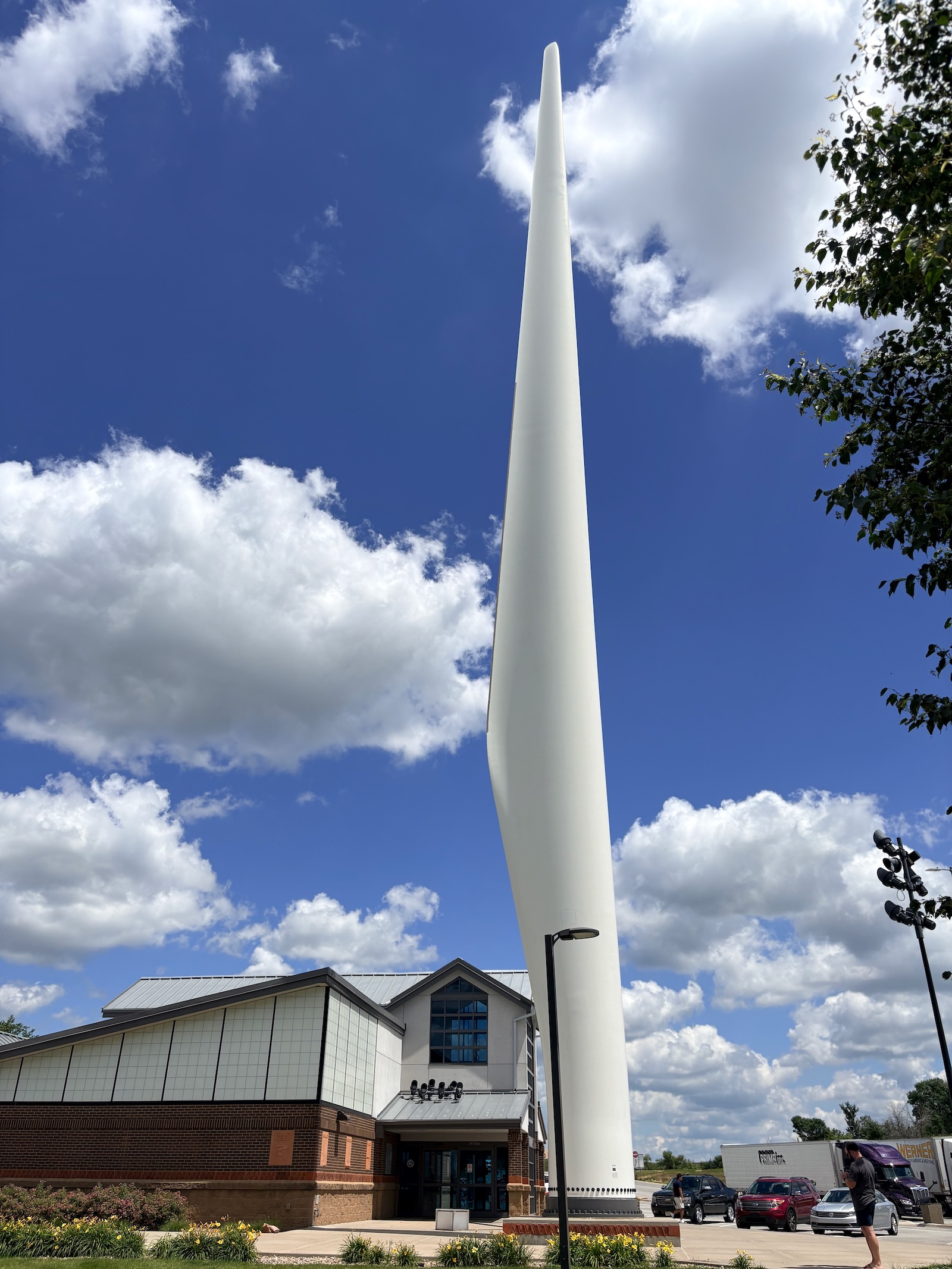
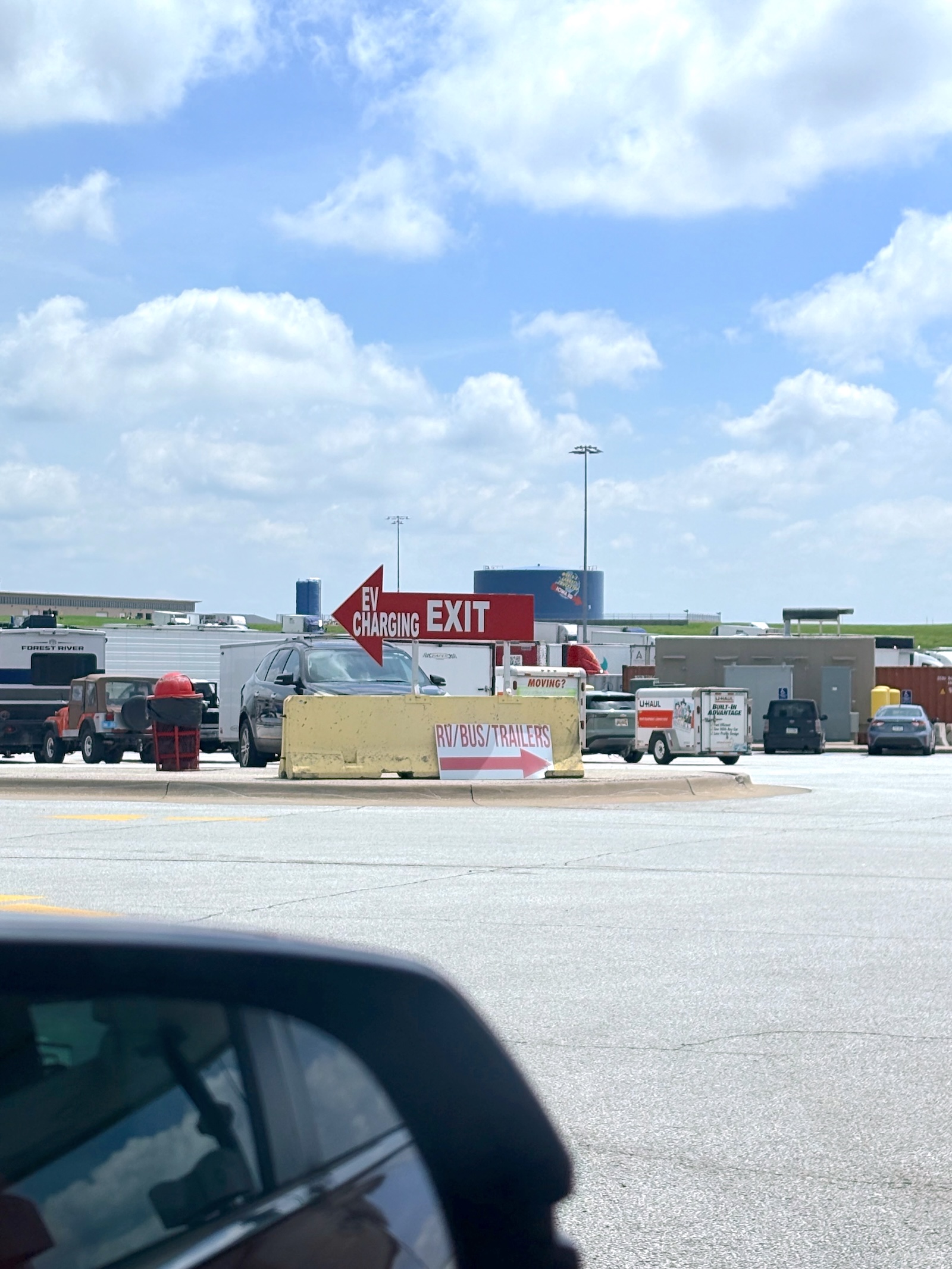
The reply—that the equipment extracts fossil fuels to power cars and lights—contrasted sharply with the family’s earlier stops in Iowa, where wind-energy rest stops and electric vehicle chargers at the "World’s Largest Truck Stop" had framed climate action as an innovative, triumphant transition. Here, the raw, visceral reality of extraction left the children subdued and silent for hours.
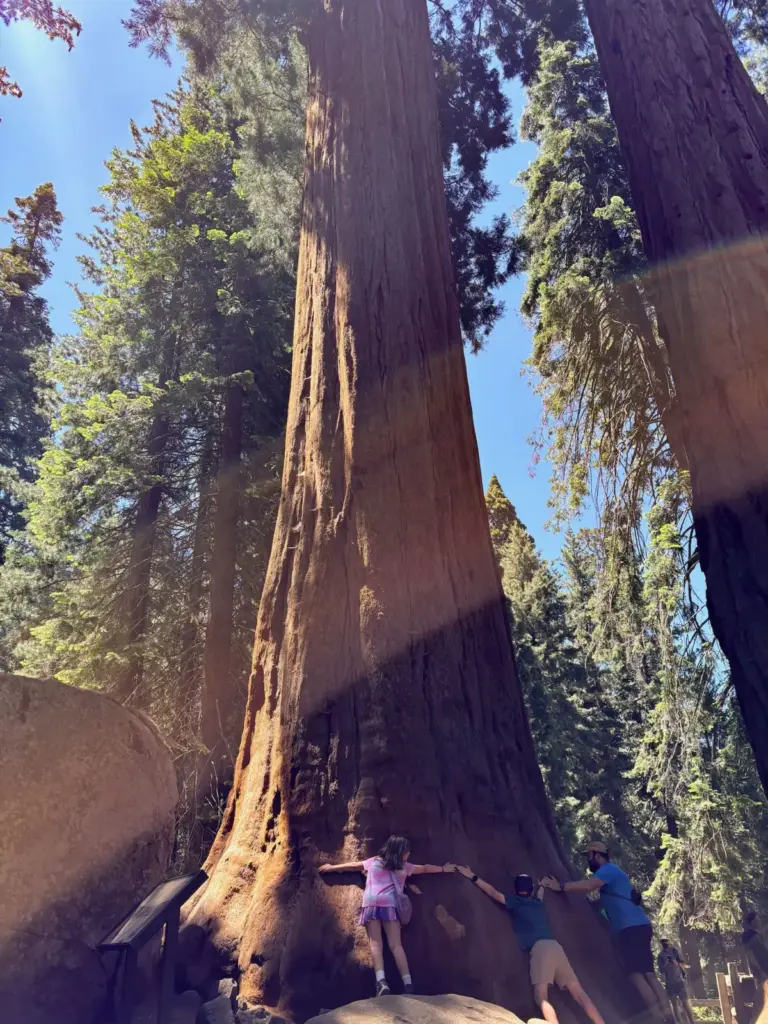
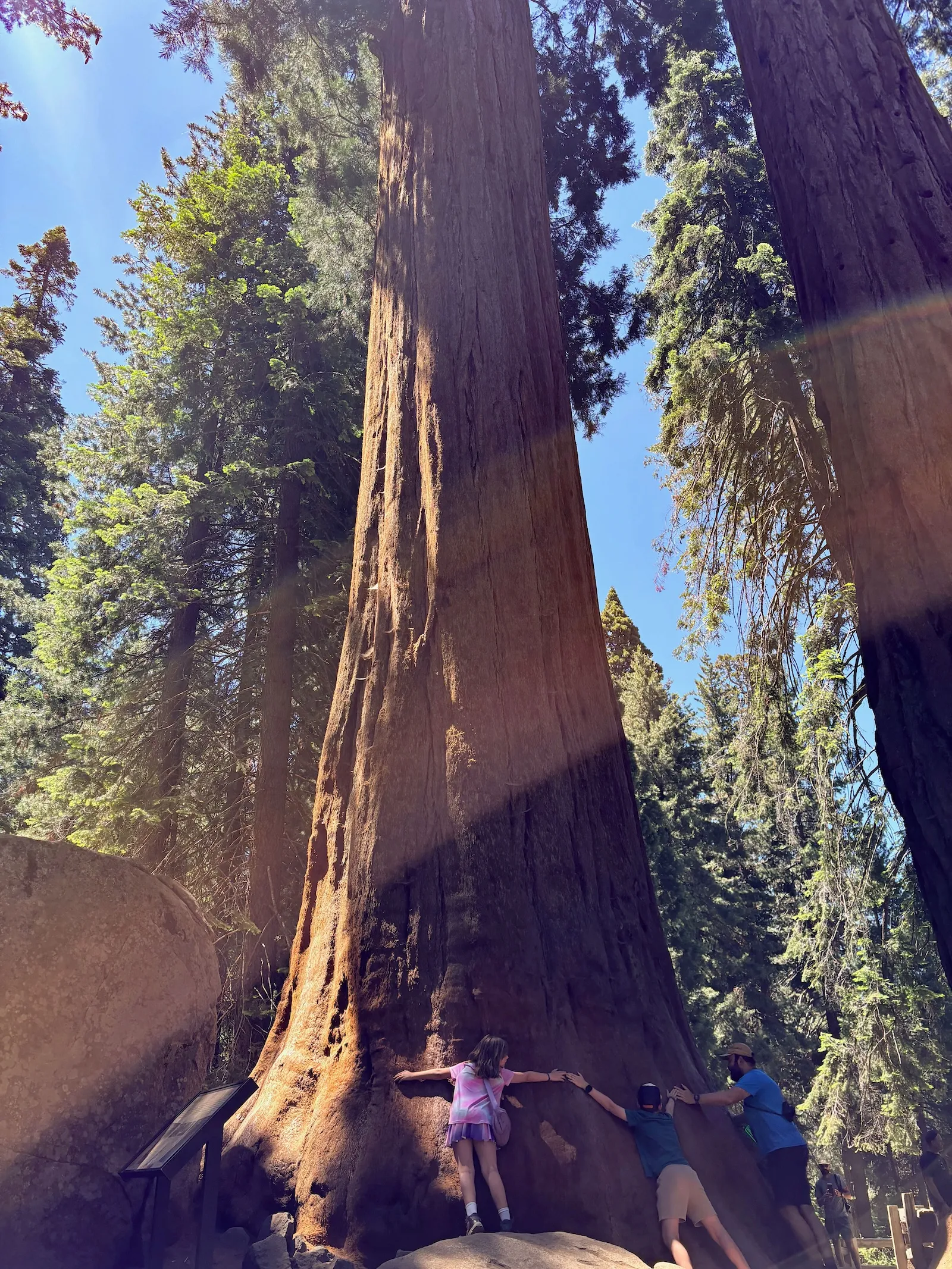
Ascending 5,000 feet over 16 winding miles into Sequoia and Kings Canyon National Parks, the atmosphere shifted. Walking the Congress Trail through the Giant Forest, the family encountered specimens like the General Sherman tree, the world’s largest by volume. Yet, even among thousand-year-old giants, the shadow of climate change lingered. A felled sequoia cross-section on display revealed growth rings documenting at least 80 fire scars over 2,200 years—roughly one every 28 years.
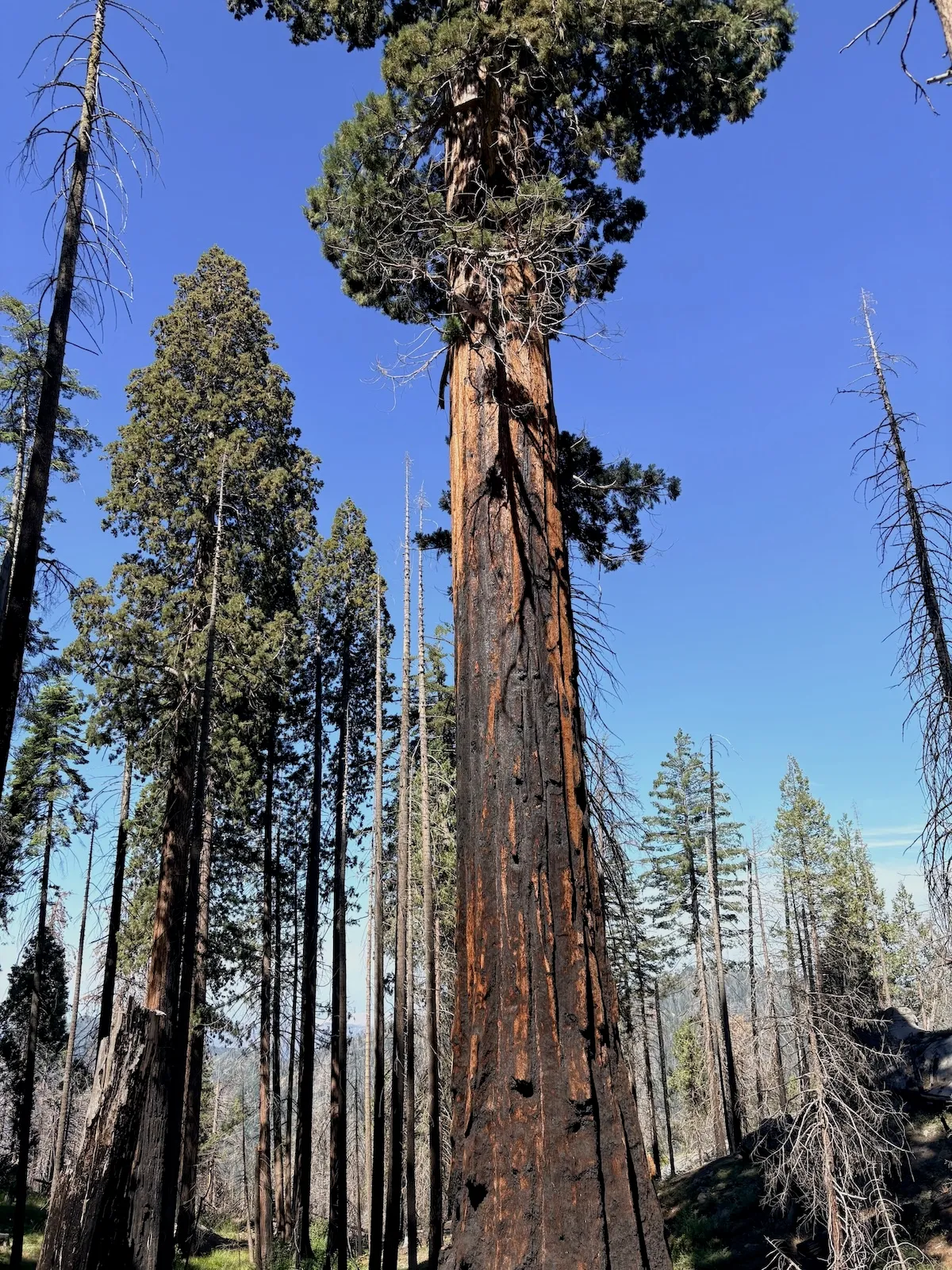
While low-intensity fires historically maintained forest health, modern blazes driven by prolonged drought and pest infestations have proven catastrophically destructive. According to the National Park Service, more than 85 percent of all giant sequoia grove acreage across the Sierra Nevada burned between 2015 and 2021, compared to just a quarter in the preceding century. High-severity fires like the 2021 KNP Complex and Windy blazes alone wiped out thousands of mature sequoias measuring four feet or more in diameter.
Phase III: The Northern Loop—Drought, Floods, and Receding Ice
Turning eastward, the expedition tracked north through Utah, Wyoming, and Montana, encountering a relentless cycle of hydrological crisis and extreme heat.
- The Great Salt Lake, Utah: Passing the lake at sunset offered striking red and pink reflections, but close inspection revealed vast stretches of dry, cracked shoreline. Driven by agricultural water diversions and compounding drought, the lake has lost approximately 73 percent of its water and 60 percent of its surface area, transforming Antelope Island into a landlocked peninsula.
- Jackson Hole, Wyoming: On July 12, temperatures hit 94 degrees Fahrenheit—13 degrees above the historical monthly average—while nearby Worland peaked at 110 degrees. Boat tours on Jackson Lake were forced to curtail operations weeks ahead of schedule due to historic lows in snowpack-fed water levels.
- Yellowstone National Park, Wyoming: White-water rafting excursions down the Yellowstone River near Gardiner revealed remnants of infrastructure—pipes, wires, and deck pilings—hanging from eroded banks, all that remained of homes destroyed during the historic 2022 floods.
- Glacier National Park, Montana: At the St. Mary Visitor Center, the children interacted with a 3D topographic display tracking the park’s glaciers. In 1850, the mountain ranges supported 150 active glaciers; today, only 26 remain. As the children repeatedly pressed the interactive buttons, hoping to illuminate the vanished lights, the permanence of the loss became starkly apparent.
Supporting Context & Metrics: The Anatomy of "Danger Season"
The personal observations recorded during this 9,000-mile journey mirror a broader, quantifiable destabilization of North American weather patterns. For decades, the period between May and October has seen an intensification of environmental hazards, prompting the Union of Concerned Scientists to officially brand the timeframe "Danger Season."
The statistical escalation of billion-dollar weather and climate disasters in the United States underscores this shift:
- Historical Baseline (1980–1989): The U.S. averaged just 3.3 billion-dollar weather disasters per year.
- Recent Decade (2015–2024): That frequency quintupled, surging to an average of 19 billion-dollar disasters annually.
- Recent Totals: In 2025, the country experienced 23 billion-dollar disasters, according to Climate Central. By June 2026—the exact month this family hit the road—12 separate events had already crossed the billion-dollar threshold.
Furthermore, polling data highlights the psychological toll of this shifting baseline. A recent national Gallup poll revealed that nearly 4 in 10 Americans report their local communities suffered property damage or severe disruption from extreme weather within a single 12-month period, with many expressing a profound sense of powerlessness regarding their future resilience.
Official Statements and Institutional Responses
Federal land management agencies and scientific institutions have increasingly integrated climate adaptation and crisis response into their daily operations.
In Sequoia and Kings Canyon National Parks, partnerships between scientists, environmental groups, and park managers have accelerated mechanical thinning and controlled burn initiatives. The National Park Service notes that these measures are essential to mitigate the fury of high-intensity wildfires, operating under the sobering consensus that severe blazes are no longer a possibility, but an inevitability.
Park interpretive programs across the National Park System have similarly updated their educational materials. From detailing the mountain migration of pikas seeking cooler alpine climates to tracking the proliferation of white pine bark beetles thriving in warmer winters, junior ranger programs now explicitly incorporate climate literacy into their curricula.
When children across the country take their traditional oath—promising "to appreciate, respect, and protect all national park places"—they do so against a backdrop of active institutional triage, where rangers fight daily to preserve ecosystems fundamentally altered by anthropogenic warming.
Future Outlook: A Legacy on Borrowed Time
As the 9,000-mile journey concluded and the family returned to New England, the overriding sentiment was not merely one of exhaustion or relief, but of profound uncertainty.
The trip delivered precisely what was hoped for: a deeper appreciation of public lands, shared family adventure, and geographical wonder. Yet, it forced an inescapable reckoning with the trajectory of the American landscape. The traveler-journalist was left with a haunting, central question: Will the next generation—our children—be able to take this same journey?
Will future travelers still find the towering red sandstone arches of Utah intact? Will the giant sequoias withstand the coming decades of intensified fire regimes? Will any glacial ice remain in Montana’s high country for travelers to witness?
The answers remain unwritten, dependent entirely on society’s collective capacity to curb emissions and adapt to a warming world. What is certain, however, is that the era of pristine, untouched wilderness operating independently of human influence has drawn to a close. The American road trip has officially become a journey through the frontline of global climate change—a landscape of immense beauty, deep fragility, and urgent, unyielding stakes.