Executive Overview
The United States electric vehicle (EV) market is currently navigating a complex and volatile period of transition. Initial market estimates released by Kelley Blue Book (KBB) for November indicate a continued cooling trend, characterized by declining sales volumes despite marginal improvements in vehicle pricing and a substantial surge in consumer incentives.
Total US EV sales in November hovered at just over 70,000 units. While this figure highlights a month-over-month contraction of approximately 5% compared to October, the year-over-year drop is even more pronounced, plunging more than 40% below the figures recorded in the same period last year. Automotive sector observers note that the market is attempting to find a sustainable "new normal" following years of explosive, government-subsidized, and early-adopter-driven growth.
At the same time, the financial dynamics of purchasing an EV are shifting. Average transaction prices (ATPs) edged slightly lower on a monthly basis, while automakers and dealerships leaned heavily into promotional discounts and rebates to stimulate demand. Yet, these aggressive incentives failed to spark a broad market rally. Instead, consumer hesitation persisted, reflecting a widening gap between what automakers are producing—and discounting—and what the core demographic of active car buyers is actually seeking.
Detailed Chronology and Performance Metrics
A granular look at the November data reveals a market caught between falling sticker prices and stubborn consumer reluctance.
Pricing and Incentive Dynamics
The average transaction price for a brand-new electric vehicle in November stood at $58,638. This represents a modest 3.7% increase compared to November of the previous year, yet it registers a 0.8% decline from October’s average.
Incentives, however, told a considerably more aggressive story. Discounts averaged 13.3% of the total transaction price. Although this figure is slightly lower than the discount depth seen in November 2024, it marks a sharp 20.1% month-over-month jump compared to October. This aggressive discounting points to growing urgency among manufacturers to clear inventory ahead of year-end accounting cycles, even if volume gains remain elusive.
Tesla’s Continuing Struggles and Model-Specific Shifts
As the bellwether of the American EV landscape, Tesla continues to experience severe turbulence. The company’s average transaction price in November was $54,310—representing a 1.7% decrease year-over-year, but a 1.5% increase month-over-month. More critically, Tesla’s overall sales declined for the second consecutive month, dropping 22.7% compared to the same period in 2024. This downturn was driven primarily by a collapse in demand for the Model 3.
- Tesla Model 3: Sales for the sedan fell off a cliff, dropping 42.1% year-over-year and sliding an additional 11.9% from October levels.
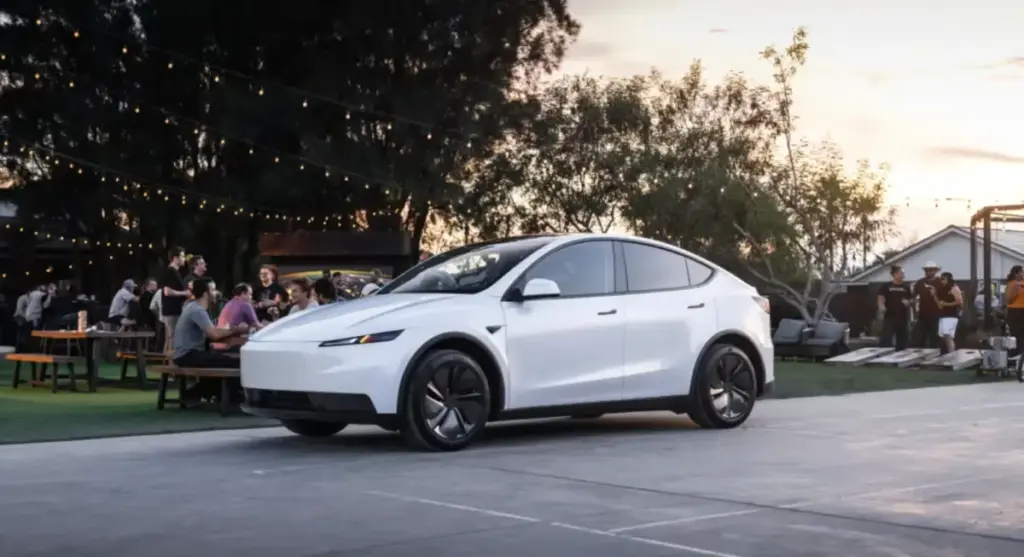
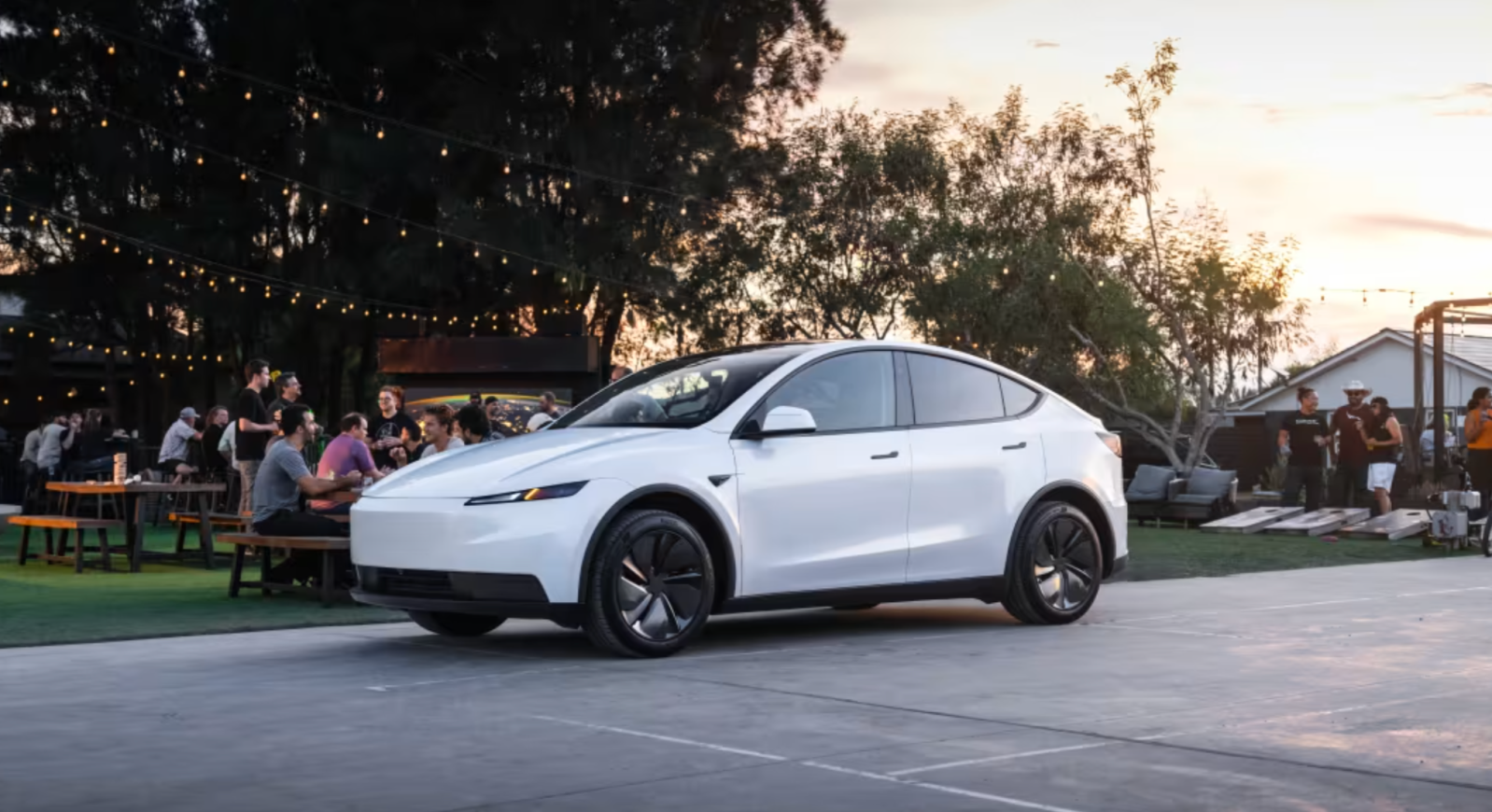
- Tesla Model Y: Serving as a stabilizing force, the Model Y remains the undisputed best-selling EV in the United States. Its pricing showed remarkable resilience, ticking up 0.9% both year-over-year and month-over-month. Sales for the crossover dipped a negligible 0.5% compared to November 2024, but managed a 2.5% recovery over October figures.
- Tesla Cybertruck: Once holding the crown as the highest-selling vehicle priced above $100,000, the Cybertruck is showing definitive signs of cooling. November sales slumped to 1,194 units, marking the lowest monthly sales total for the polarizing pickup truck throughout 2025. Concurrently, its average transaction price settled at $94,254, registering increases both year-over-year and month-over-month as lower-priced trim variants or promotional packages altered the mix.
Supporting Context & Market Metrics
To fully understand why sales volumes are contracting while incentives surge, industry analysts point to deep-seated structural shifts in the American automotive consumer base.
The prevailing narrative that EVs are failing to sell simply because they are too expensive fails to capture the nuances of current buyer demographics. According to Cox Automotive Executive Analyst Erin Keating, transaction price data measures actual consumer purchases rather than mere lot availability.
"It’s important to remember that the KBB ATP is a measure of what is bought, not what is available," Keating explained. "Nearly half of new-vehicle buyers are over the age of 55 and in their peak earning years. These buyers are more likely shopping for a high-end SUV, not something cheap and cheerful."

This demographic reality creates a profound market mismatch. Wealthy, older buyers seeking luxury utility vehicles are insulated from broader economic anxieties, driving strong volume in the high-end luxury segments. In fact, November transaction data highlighted a striking paradox: the market segment for vehicles priced above $75,000 recorded greater total sales volume than the economy segment priced under $30,000.
Consequently, mainstream buyers—those who would benefit most from affordable EV options and government incentives—are sitting on the sidelines. High interest rates, lingering concerns over long-term vehicle depreciation, and shifting regulatory frameworks continue to weigh heavily on middle-class household budgets, dampening broader adoption rates.
Official Statements and Industry Analysis
The disconnect between high-end luxury EV demand and mass-market stagnation has forced industry executives to reevaluate their near-term projections. Legacy automakers and EV-native companies alike are being compelled to adjust production lines, pivot marketing strategies, and recalibrate pricing structures.
In internal memos and earnings calls throughout late 2025, automotive leadership has increasingly emphasized capital efficiency and product mix flexibility over raw volume expansion. The rapid "EV-or-bust" growth targets established earlier in the decade are giving way to pragmatic, phased rollouts. Automakers are discovering that moving past the early-adopter phase requires not just tax credits and price cuts, but a fundamental redesign of vehicle accessibility, public charging infrastructure reliability, and consumer financing options.
Financial analysts tracking the sector note that while November’s 70,000-unit tally represents a sobering reality check, it does not signal the death of the electric transition. Instead, it underscores a maturation process. The market is violently shedding its speculative froth, forcing manufacturers to compete on traditional automotive merits—such as build quality, software ecosystem integration, total cost of ownership, and brand loyalty—rather than novelty alone.

Future Outlook: Navigating the Road Ahead
As the industry looks toward the close of 2025 and into the horizon of 2026, the trajectory of the US EV market remains contingent on several critical variables.
1. Regulatory and Policy Shifts
Changes in federal and state-level EV tax credits will continue to dictate short-term buying behavior. Any looming alterations to the structure of point-of-sale consumer rebates invariably trigger artificial demand spikes followed by sharp post-deadline pullbacks, creating a choppy sales chart that complicates long-term manufacturing planning.
2. Infrastructure Expansion
Consumer anxiety regarding public charging accessibility—often cited as "range anxiety"—remains a formidable barrier for mass-market adoption. Continued deployment of reliable ultra-fast charging networks, alongside the broader unification of North American charging standards (NACS), will be vital to reassuring hesitant buyers.
3. Portfolio Realignment
Automakers must successfully bridge the gap between high-margin luxury SUVs and affordable daily drivers. As older, high-earning demographics continue to dominate the luxury market, the true test for the industry will be whether manufacturers can profitably deliver compelling, sub-$35,000 electric options that appeal to younger, budget-conscious consumers.
Ultimately, November’s performance serves as both a warning and a blueprint. The US electric vehicle market is no longer a guaranteed gold rush; it is a fiercely competitive, highly nuanced sector that demands strategic patience, disciplined pricing, and a deeper understanding of evolving consumer realities.