

Executive Overview
The urban waterways of the United Kingdom—once celebrated as the lifeblood of the Industrial Revolution and later reimagined as tranquil corridors for wildlife, recreation, and community engagement—are facing an existential crisis. Beneath the picturesque surfaces of narrowboats, weeping willows, and bustling towpaths lies a grim reality: chronic pollution, systemic infrastructural failures, and the persistent intrusion of raw sewage.
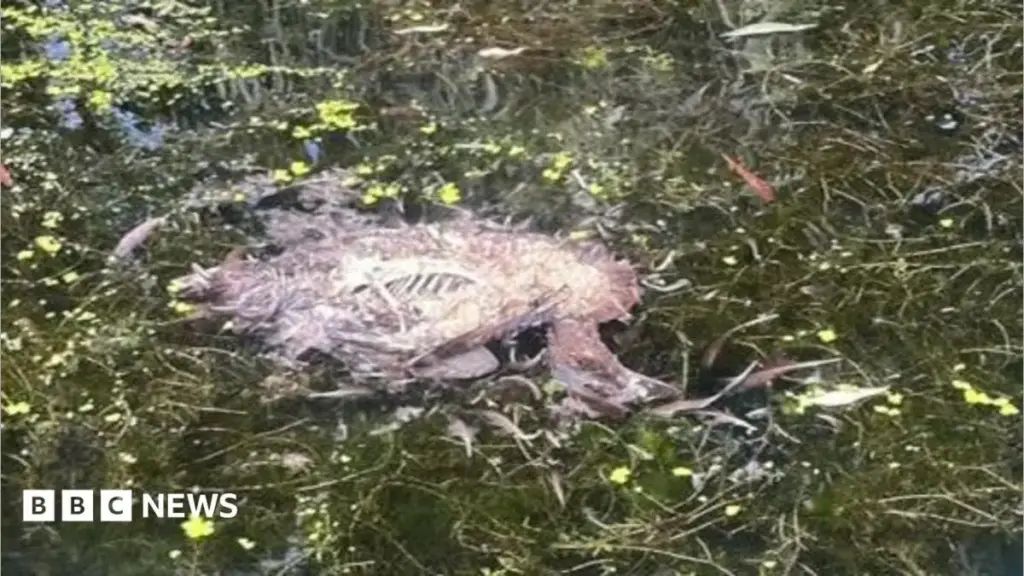
This environmental degradation is not merely an abstract ecological catastrophe; it is a visceral, daily hazard for the communities that live alongside and interact with these waters. Nowhere is this more apparent than in the disheartening discoveries made by local cleanup campaigns, where volunteers pulling refuse from stagnant urban canals are increasingly confronted by biohazards, including the tragic remains of household pets.
At the heart of this issue is a complex web of outdated municipal plumbing, modern engineering oversights, and chronic institutional underinvestment. Activists, community leaders, and environmental advocates are sounding the alarm over "misconnections"—a phenomenon where residential and commercial plumbing is erroneously wired into surface water drainage networks rather than primary sewage systems. The result is a steady, insidious discharge of untreated effluent directly into recreational waterways.
This comprehensive report examines the multifaceted crisis unfolding in Britain’s canals, drawing on frontline accounts from local community organizations, environmental analysts, and municipal stakeholders. By exploring the root causes—ranging from historic infrastructural neglect to contemporary urban development flaws—we investigate the human and environmental toll of polluted waterways, evaluate the efficacy of current cleanup initiatives, and assess what must be done to reclaim these vital public spaces for future generations.
Detailed Chronology: The Anatomy of a Grassroots Cleanup
The crisis came to a head following a series of intensive, community-led remediation efforts along the capital’s urban waterways. For months, local residents and river users had noted an alarming deterioration in water quality, characterized by unusual discoloration, foul odors, and an unsettling accumulation of floating debris.
The Stagnation Point
The situation reached a breaking point during a series of coordinated clean-up operations organized by local campaigner and environmental advocate Keane. Volunteers operating along the local canal network found themselves repeatedly returning to the exact same geographic coordinates, hamstrung by the stagnant nature of the watercourse.
"Because of the stagnant water and the fact that the water wasn’t travelling anywhere, we were going past them every day in exactly the same spot," recalled Kelly Everden, events officer at the Brentford Community Boathouse, who volunteered extensively during Keane’s clean-up initiative.
The physical reality of the canal was stark. Unlike fast-flowing rivers capable of diluting and flushing away low-level contaminants, urban canals often function as slow-moving or entirely stationary aquatic cul-de-sacs. When pollutants enter these systems, they linger, accumulating in dense sludge beds and creating localized toxicity zones.
The Human and Emotional Toll
While the environmental metrics are damning, the emotional impact on the community—particularly its youngest members—has proven equally devastating. The Brentford Community Boathouse plays a vital role in introducing local children to water sports, rowing, and outdoor recreation. However, the polluted state of the canal has cast a long shadow over these educational and recreational outreach programs.
Everden expressed profound dismay at the conditions the borough’s youth are forced to navigate. "It’s really upsetting on behalf of the children, because that’s not anything that they should ever be faced with, especially with a pet cat," she noted, referencing the grim discoveries made by cleanup crews retrieving domestic animal remains alongside standard urban refuse, plastics, and industrial runoff.
For children whose primary access to nature is through urban blue spaces, encountering biohazards and toxic foam fundamentally undermines the therapeutic and developmental benefits these environments are meant to provide. Instead of fostering a lifelong love for aquatic conservation, the state of the water risks alienating the next generation from their local environment.
Supporting Context & Metrics: Unraveling the ‘Misconnection’ Crisis
To understand why urban canals are regularly contaminated with waste, one must examine the complex and often invisible architecture of modern urban drainage. According to environmental experts and campaign organizers like Keane, a primary driver of the pollution is the widespread prevalence of structural "misconnections."
What is a Plumbing Misconnection?
In an ideal urban planning paradigm, wastewater from toilets, washing machines, kitchens, and bathrooms is routed directly to municipal sewage treatment works via the foul sewer network. Meanwhile, rainwater falling on roofs, roads, and pavements is collected by separate surface water drains, which empty safely into local rivers and canals without treatment.
However, across the United Kingdom, millions of properties suffer from plumbing misconnections. These occur when builders, plumbers, or DIY homeowners mistakenly connect wastewater pipes to the surface water drainage system. Consequently, every time a household flushes a toilet, runs a dishwasher, or takes a shower, untreated greywater and blackwater bypasses the sewage treatment plant entirely and flows unhindered into the nearest watercourse.
"The big fly in the ointment is sewage coming into the canal," Keane explained during an assessment of the waterway’s ecological health. "That gets worse in the summer when the water is moving slowly, and some of that is historic, but also a contemporary misdirecting of sewage into storm drains."
Seasonal Vulnerabilities and Ecological Collapse
The physics of urban canals exacerbate the impact of these misconnections. During the winter months, higher rainfall provides a degree of natural flushing, diluting concentrations of harmful bacteria, nitrates, and pathogens entering the water.
However, as temperatures rise during the summer, several compounding factors converge:
- Decreased Flow Rates: Reduced precipitation leads to near-total stagnation in various stretches of the canal network.
- Oxygen Depletion: Warmer water holds less dissolved oxygen. When organic waste and sewage enter the system, aerobic bacteria consume the remaining oxygen to break down the effluent, resulting in hypoxic "dead zones" where fish and aquatic plants suffocate.
- Bacterial Proliferation: Elevated water temperatures provide an ideal breeding ground for harmful pathogens, increasing health risks for rowers, paddleboarders, and wildlife.
Official Statements and Institutional Accountability
As public frustration mounts, questions regarding culpability and jurisdictional responsibility have taken center stage. Managing an urban waterway is an intricate puzzle involving multiple stakeholders, including municipal authorities, environmental regulators, navigation trusts, and private utility companies.
Navigating the Blame: Local Government vs. Water Infrastructure
Despite the severity of the crisis, community leaders have urged nuance in assigning fault. Keane explicitly noted that he did not believe the ongoing pollution was the direct fault of Hounslow Council, recognizing the financial and structural constraints local authorities operate under.
Municipal councils generally lack direct regulatory authority over private property plumbing, nor do they own or operate the complex subterranean drainage networks managed by regional water utility companies. Nevertheless, local authorities retain a vested interest in urban regeneration, public health, and environmental safety.
"It needs attention if we do want to develop usage of the canal, particularly for children on the water," Keane emphasized. This perspective shifts the debate away from defensive finger-pointing and toward collaborative, cross-sector intervention. For regeneration projects—such as waterside housing developments and community leisure initiatives—to succeed, the foundational health of the water must be guaranteed.
The Regulatory Landscape
Environmental watchdogs and regional water authorities face mounting pressure to ramp up enforcement against illicit plumbing connections and storm overflows. Critics argue that historical under-resourcing of regulatory bodies has allowed illegal misconnections to persist unchecked for decades.
Addressing the problem requires a coordinated multi-step strategy:
- Systematic Trace Testing: Utilizing smart dye-testing and acoustic sensing to identify properties illegally discharging wastewater into surface drains.
- Developer Compliance: Imposing stricter inspections on newly constructed housing developments to ensure plumbing systems are correctly mapped and certified before sign-off.
- Utility Upgrades: Directing water companies to invest heavily in separating combined sewer overflows (CSOs) and upgrading aging infrastructure to cope with increased urban density and climate change-induced rainfall volatility.
Future Outlook: Reclaiming the Waterways for the Community
The path forward for Britain’s urban canals is fraught with challenges, yet it remains anchored by optimism, community resilience, and a growing recognition of the economic and social value of healthy blue spaces.
The Vision for Inclusive Urban Waterways
Organizations like the Brentford Community Boathouse, alongside tireless grassroots volunteers, have proven that local communities are deeply invested in the stewardship of their natural environment. Their labor—often dirty, grueling, and emotionally taxing—serves as both a stopgap measure and a powerful form of advocacy. However, volunteers cannot and should not be expected to shoulder the burden of remediating systemic infrastructural failures.
For the vision of a vibrant, child-friendly canal network to be realized, structural reform must match community enthusiasm. This entails:
- Policy Enforcement: Enacting stricter legislative penalties for commercial and residential entities found negligent in managing their wastewater outflows.
- Capital Investment: Channeling funds from both central government grants and utility modernization programs directly into urban drainage overhaul.
- Public Education: Launching nationwide awareness campaigns to help homeowners identify and rectify hidden plumbing misconnections on their own properties.
Conclusion
The dead cats, plastic refuse, and raw sewage pulled from the canals are symptoms of a deeper disconnect between modern urban living and ecological health. As Kelly Everden poignantly noted, these are conditions that no child—and no community—should ever be forced to normalize or endure.
Transforming these stagnant, polluted corridors back into thriving ecosystems requires more than sporadic weekend cleanups; it demands institutional accountability, transparent governance, and a steadfast commitment to environmental justice. Only by rectifying the invisible plumbing errors hidden beneath our streets can we hope to restore the pristine beauty and vitality of our waterways for the generations of tomorrow.



