

Executive Overview
Industrial hemp is experiencing a profound agricultural renaissance. Since the landmark 2018 Farm Bill opened the gateway to cultivating hemp as a mainstream commodity, agricultural producers across Pennsylvania and throughout the United States have eagerly explored the crop’s immense versatility. Beyond its traditional applications in fiber and CBD, hemp is rapidly capturing the attention of the food and wellness sectors due to its grain—a nutrient-dense, highly sustainable seed celebrated for its exceptional protein profile, healthy fatty acids, and dietary fiber.
Yet, translating this botanical promise into consistent, high-yield, and economically viable harvests within regenerative organic systems remains a formidable challenge. Consistency, fertility management, and regional adaptation continue to puzzle agronomic experts.
To bridge this critical knowledge gap, the world-renowned Rodale Institute has joined forces with the U.S. Department of Agriculture’s Agricultural Research Service (USDA-ARS) based in Wyndmoor, Pennsylvania. Together, these institutions are spearheading a pioneering multi-year research initiative (running from 2024 through 2027) designed to evaluate how strategic cover cropping and soil microbiome management can dramatically optimize grain hemp production. Funded by the USDA and administered via the Commonwealth Specialty Crop Block Grant Program through the Pennsylvania Department of Agriculture, this comprehensive study aims to equip farmers with the science-backed tools necessary to scale sustainable hemp cultivation from the soil up.
Detailed Chronology: The Evolution of the 2024–2027 Research Trial
The path toward establishing rigorous, science-backed protocols for organic hemp grain production has been unfolding through a carefully orchestrated timeline of field experimentation, soil analysis, and public outreach.
Phase One: Foundation and Experimental Design (2024)
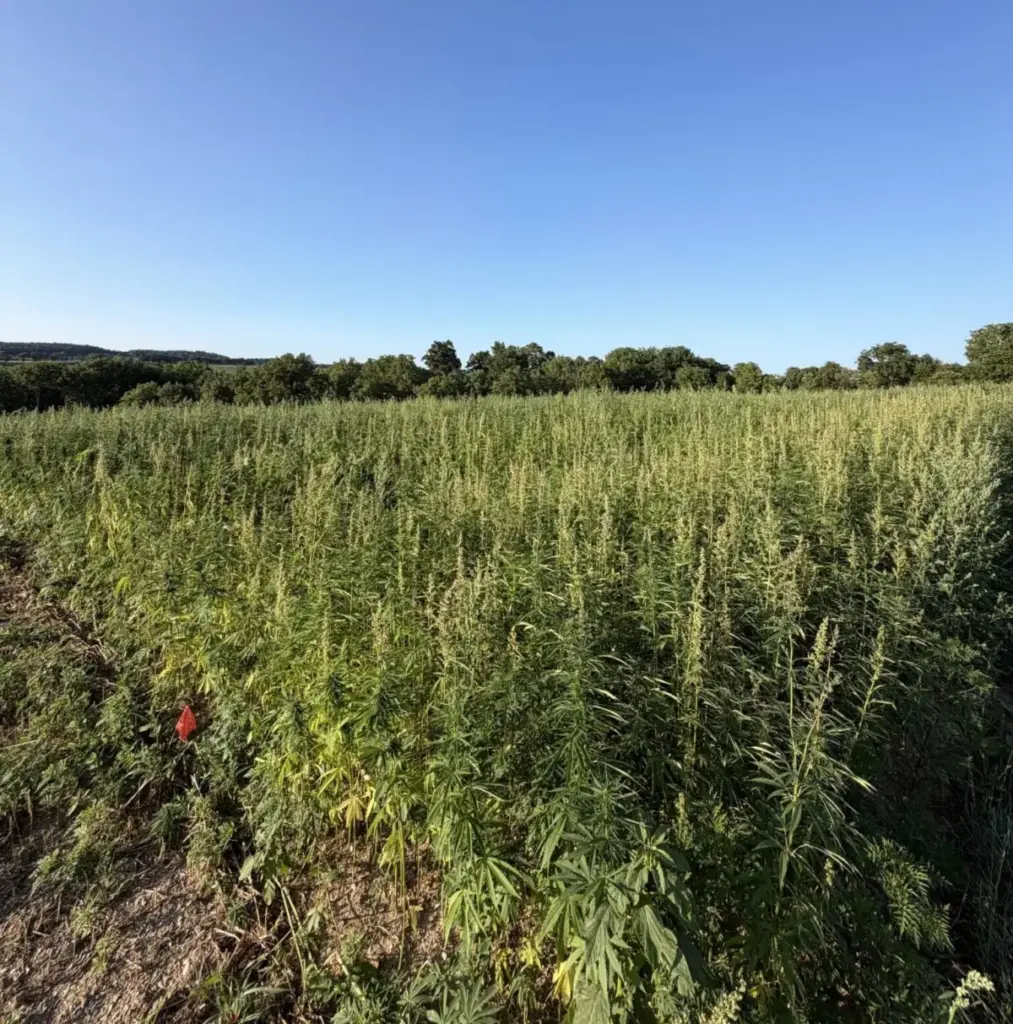
As the project kicked off, researchers at Rodale Institute’s sprawling Kutztown, Pennsylvania campus established a robust, highly controlled multi-year field trial. The primary objective was to investigate the systemic impacts of specific cover crop treatments on the subsequent growth of grain hemp varieties.
The experimental design deployed a randomized complete block layout featuring four distinct cover crop strategies planted ahead of the main hemp crop:
- Control: No cover crop (fallow baseline).
- Grass Monoculture: Triticale alone.
- Legume Monoculture: Hairy vetch alone.
- Binary Mix: A synergistic blend of triticale and hairy vetch.
Following the termination of these cover crops, researchers planted two distinct industrial grain hemp varieties—CFX-2 and Indigo—at a uniform seeding rate of 40 pounds per acre. To ensure absolute statistical validity, each of the eight treatment combinations was replicated four times across standardized plots measuring 20 feet by 60 feet.
Phase Two: Deep Root and Microbiome Investigation (2025)
Building upon the foundational agronomic data gathered in the first year, the research team expanded its investigative scope downward, looking deep into the rhizosphere (the root zone). In partnership with the USDA-ARS, researchers began analyzing arbuscular mycorrhizal fungi (AMF)—beneficial symbiotic soil organisms known to assist plants in scavenging water and essential soil nutrients.
While previous studies on fiber hemp varieties had revealed strong fungal root colonization ranging anywhere from 37% to 54% (with specific cultivars like MS 77 showing exceptional potential), the interaction between AMF and grain hemp roots remained largely uncharted territory. Throughout the 2025 growing season, soil and root tissue samples were continuously collected and analyzed to map out how different cover crop regimes directly influenced fungal colonization rates and subsequent nutrient mobilization.
Phase Three: Scaling Visibility and Field Verification (2026)
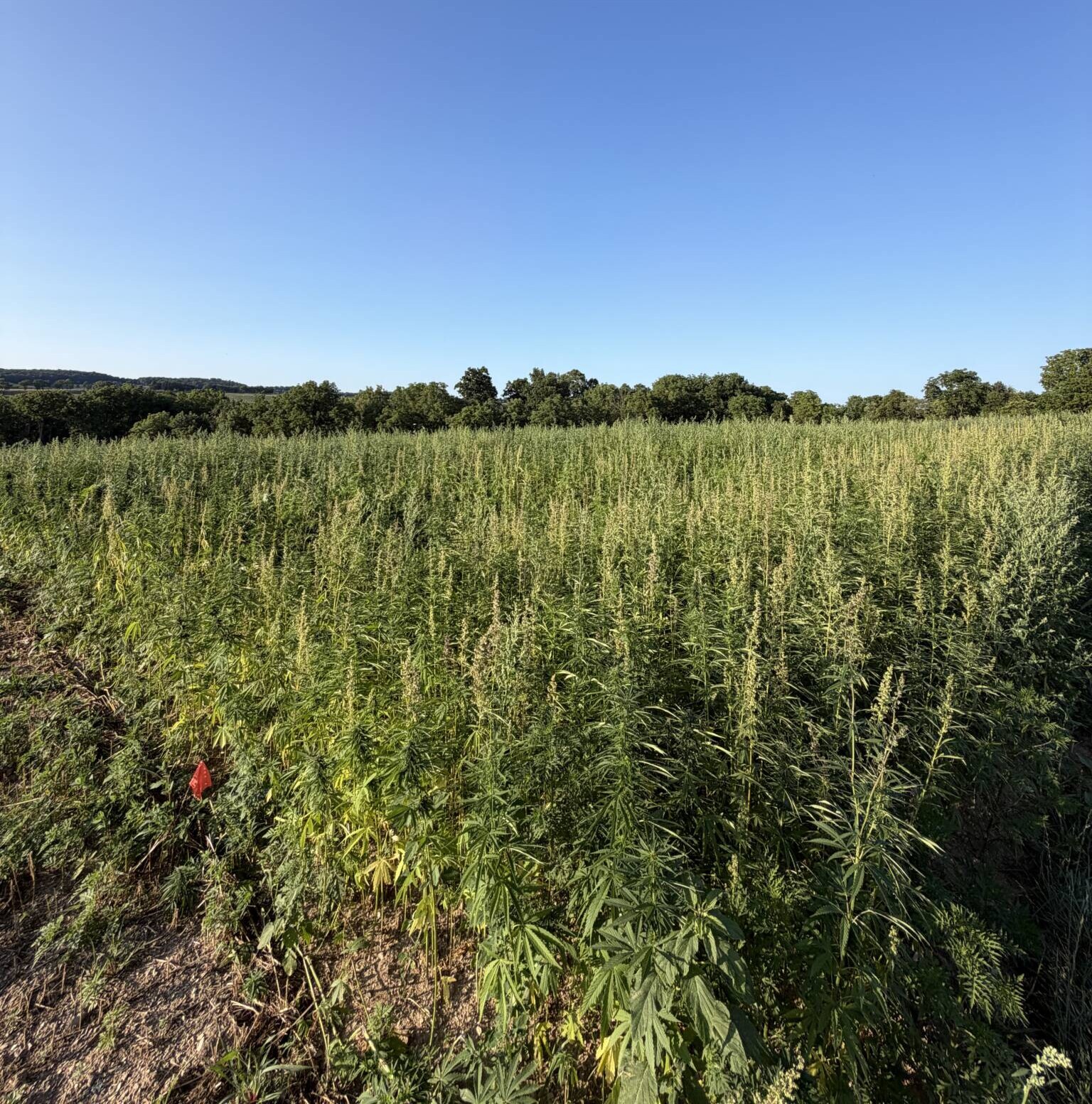
By the summer of 2026, the trial reached an operational milestone. On July 17, 2026, Rodale Institute hosted its annual Organic Field Day, drawing approximately 500 agricultural producers, researchers, and industry stakeholders to the Kutztown campus. Visitors were given an exclusive, hands-on look at the experimental hemp plots, where researchers demonstrated how cover crops directly influence canopy development, weed suppression, and overall crop vigor. This mid-point public showcase served as a vital feedback loop, allowing the research team to present early observations directly to the farming community.
Phase Four: Final Synthesis and Dissemination (2027)
As the project heads toward its final year in 2027, the focus shifts entirely toward data synthesis, laboratory assays of harvested grain, and widespread educational outreach. The accumulated metrics regarding soil health indices, plant tissue chemistry, amino acid concentrations, and fatty acid profiles will be compiled into peer-reviewed publications, extension guides, and comprehensive training modules designed to benefit specialty crop farmers across the mid-Atlantic and beyond.
Supporting Context & Metrics: Nutritional Powerhouse and Agronomic Dynamics
To fully understand why researchers are dedicating years of intensive study to grain hemp, one must examine both its unique nutritional composition and the agronomic hurdles that currently face organic producers.
The Nutritional Profile of Hemp Grain
Hemp grain is far more than a passing agricultural trend; it represents a functional superfood capable of meeting growing consumer demands for plant-based nutrition. A standard harvest of quality hemp grain boasts a remarkable biochemical makeup:
- Fatty Acids (~25%): Abundant in health-promoting polyunsaturated fats, including an ideal ratio of Omega-6 to Omega-3 essential fatty acids.
- Complete Protein (~27%): Notably contains all eight essential amino acids that the human body cannot synthesize on its own, making it a complete plant protein source.
- Dietary Fiber (~22%): Supporting digestive health and metabolic function.
- Carbohydrates (~20%): Providing balanced energy substrates.
- Essential Minerals and Vitamins: Rich in magnesium, iron, zinc, and B-vitamins.
Furthermore, the research team is pushing nutritional analysis into unprecedented territory by screening harvested grains for ergothioneine—a rare, naturally occurring antioxidant amino acid associated with neuroprotection and reduced risk of neurodegenerative conditions like Alzheimer’s disease. To date, ergothioneine levels have rarely, if ever, been quantified systematically in industrial hemp grain, positioning this study at the cutting edge of nutritional science.
The Agronomic Challenge: Yield Variance and Cover Crop Synergy
Despite its promise, growing hemp for grain consistently and profitably remains an uphill battle. Reported commercial yields vary wildly—ranging from a meager few hundred pounds per acre to well over 1,000 pounds per acre. This volatility is driven by unpredictable weather patterns, genetic variance across cultivars, and inconsistent fertility management.
In traditional agricultural models, growers frequently attempt to bridge these yield gaps using heavy applications of synthetic nitrogen and chemical fertilizers. However, in regenerative organic systems, synthetic inputs are strictly prohibited. Instead, growers must rely on ecological engineering—specifically, cover crops.
Cover crops like triticale (a wheat-rye hybrid) and hairy vetch serve multiple foundational functions within regenerative systems:
- Soil Armor and Erosion Control: Keeping root structures locked into the topsoil year-round prevents wind and water erosion.
- Carbon Sequestration: Drawing atmospheric carbon down into stable soil organic matter pools.
- Biological Nitrogen Fixation: Legumes like hairy vetch partner with rhizobia bacteria to pull atmospheric nitrogen and fix it directly into the soil profile.
- Weed Suppression: Outcompeting invasive weed species naturally, reducing the need for mechanical or manual weeding.
The central hypothesis guiding the Rodale-USDA trial is that these ecological benefits do not stop at soil conservation. By fostering a biologically active, nutrient-rich soil web, cover crops directly enhance the nutrient uptake capacity of the subsequent hemp crop, translating to higher seed yields, enhanced protein densities, and superior mineral concentrations without a single ounce of synthetic fertilizer.
Official Statements and Expert Insights
The urgency, scope, and practical philosophy of the project are best articulated by the scientists leading the charge on the ground.
Reflecting on the realities faced by contemporary specialty crop growers, Dr. Dinesh Panday, Industrial Hemp Researcher and Soil Scientist at Rodale Institute, emphasized the necessity of accessible, science-based solutions:
"There is a real need for practical guidance on how to grow hemp grain successfully in organic systems. By testing management practices that are affordable and accessible, rather than relying on heavy synthetic fertilizer inputs, our goal is to give farmers science-backed options that improve both their harvest and their soil health simultaneously."
Dr. Panday’s perspective underscores the core mission of the research: ensuring that sustainable agriculture does not come at the expense of farm profitability. By demonstrating that cover-cropped systems can naturally supply the high nitrogen and micronutrient demands of industrial hemp, the research team is charting a commercially viable pathway for both veteran and beginning farmers.
Future Outlook: Building a Resilient Supply Chain from Soil to Plate
As the multi-year study progresses through its final milestones toward 2027, the implications extend far beyond the research plots in Kutztown, Pennsylvania.
Reaching the Agricultural Community
Project organizers project that the knowledge generated by this trial will directly reach approximately 500 agricultural producers and regional stakeholders. This dissemination is being actively achieved through:
- Comprehensive, peer-reviewed scientific journals and agricultural extension articles.
- Specialized technical workshops and interactive webinars.
- Hands-on demonstrations during Rodale Institute’s highly attended annual Field Days.
Strengthening the Market Pipeline
For industrial hemp to transition permanently from a niche specialty crop into a foundational pillar of modern agriculture, processors and food manufacturers require a reliable, uniform, and high-quality supply of grain. By identifying the exact combinations of cover crops (such as triticale-vetch blends) and resilient hemp varieties (such as CFX-2 and Indigo) that maximize yield, root colonization, and amino acid density, this research actively de-risks hemp production for the agricultural community.
Ultimately, the overarching vision driving Rodale Institute and the USDA-ARS is clear and straightforward: help farmers cultivate robust harvests of nutrient-dense hemp grain using regenerative practices that actively heal and enrich the earth. As this supply chain matures, consumers will soon see the tangible results of this research reflected not just in the health of America’s soils, but directly on the plates of households nationwide.
This vital research project is generously funded by the U.S. Department of Agriculture and administered via the Commonwealth Specialty Crop Block Grant Program through the Pennsylvania Department of Agriculture.



