May 4, 2026 — In an era defined by accelerating climatic shifts and the urgent imperative to reach net-zero global emissions, strategic environmental investments have never been more critical. Today, Sustainable Travel International officially released its premier Climate Impact Portfolio of 2026. Designed to catalyze deep decarbonization, safeguard fragile ecosystems, and uplift vulnerable local communities, this latest portfolio pools resources into six exceptionally diverse, rigorously vetted carbon offset projects spanning four continents.
By strategically allocating carbon offset purchases across forestry, renewable energy, blue and teal carbon ecosystems, and advanced carbon removal technologies, this initiative provides individuals and corporate partners alike with a transparent, high-integrity pathway to neutralize their environmental footprints. This comprehensive report details the scope, metrics, technological innovations, and real-world impacts of the six foundational projects comprising Portfolio 1 of 2026.

Executive Overview: A Multi-Pronged Approach to Net-Zero
Achieving a sustainable global future requires far more than single-solution thinking. Atmospheric carbon mitigation demands a synchronized mix of preventative, restorative, and technological interventions. Sustainable Travel International’s latest portfolio embraces this multifaceted philosophy, distributing carbon dioxide equivalent ($textCO_2texte$) offsets across four primary pillars:
- Forestry (REDD+ and Conservation): Safeguarding existing, carbon-rich old-growth forests and dryland landscapes from commercial encroachment, agricultural conversion, and illegal logging.
- Blue and Teal Carbon: Restoring and actively managing coastal wetlands, mangroves, peat swamps, and historic lagoon systems that sequester carbon up to ten times faster than terrestrial forests.
- Renewable Energy: Transforming organic and urban municipal waste streams into clean, baseload electricity to alleviate strain on vulnerable national power grids.
- Carbon Removal & Circular Innovation: Pioneering technological and upcycling methodologies that capture problematic waste products, divert them from municipal landfills, and lock them into long-term carbon sinks.
By balancing these distinct typologies, Portfolio 1 of 2026 ensures that every dollar invested not only removes or prevents greenhouse gas emissions but also directly contributes to biodiversity preservation, local economic empowerment, and climate resilience for marginalized populations.

Impact in Numbers: Driving the Net-Zero Transition
The true measure of any carbon offset portfolio lies in its measurable, on-the-ground outcomes. The collective efforts of the six projects featured in the first 2026 portfolio yield staggering aggregate benefits across global environmental indicators:
- Forestry Protection: Successfully preventing the destruction and degradation of 1,060,000 acres of high-carbon forests.
- Renewable Energy Generation: Producing 78.7 Gigawatt-hours (GWh) of clean, renewable energy annually to offset fossil-fuel dependency.
- Waste Diversion: Diverting up to 1,440 cubic meters ($textm^3$) of sargassum seaweed and organic green waste from municipal landfills every single week.
- Coastal Ecosystem Restoration: Protecting and actively restoring 91,317 acres of critical blue and teal carbon marine and wetland ecosystems.
Deep Dive: Exploring the Six Projects of Portfolio 1 (2026)
Comprising 39.6%, 14.0%, 5.8%, 4.7%, 1.0%, and various supporting percentages of the overall allocation, the six projects selected for this portfolio represent the gold standard of modern environmental stewardship.

1. Macaúbas Waste-to-Energy Project (Brazil)
- Portfolio Allocation: 39.6%
- Project Category: Energy
- Location: Minas Gerais, Brazil (The Iron Quadrangle)
Context and Mechanism
Nestled in Brazil’s historic Iron Quadrangle—a region shaped by the legacy of the Gold Rush, rapid urbanization, and rich culinary traditions—energy demands and municipal waste generation have surged in recent decades. The Macaúbas Waste-to-Energy project addresses these dual challenges head-on by capturing fugitive biogas (primarily methane, a greenhouse gas roughly 28 times more potent than carbon dioxide over a 100-year timescale) from decomposing organic waste at the Macaúbas landfill.
Instead of allowing this hazardous gas to vent directly into the atmosphere, the facility channels the methane into high-efficiency generators, converting it into reliable renewable electricity. This process provides a vital supplementary energy source for Brazil’s national grid, which has faced mounting systemic strain and generation volatility due to severe climate-induced droughts impacting river-powered hydroelectric facilities. Furthermore, the project anchors green job creation and fosters sustainable local economic development.

2. Sargassum Recovery for Clean Coasts (Mexico)
- Portfolio Allocation: 1.0%
- Project Category: Carbon Removal / Circular Tech
- Location: Riviera Maya, Mexico
Context and Mechanism
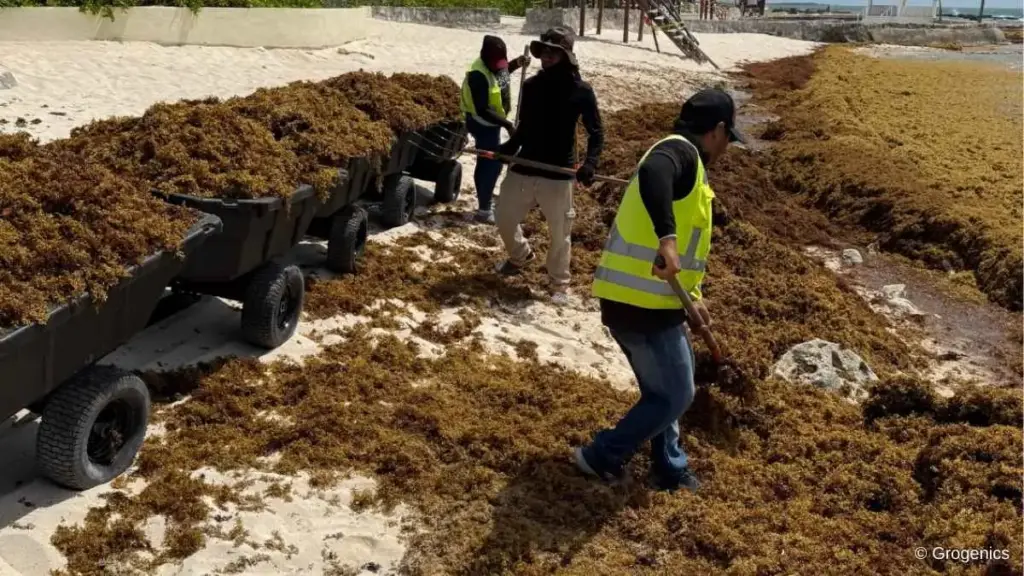
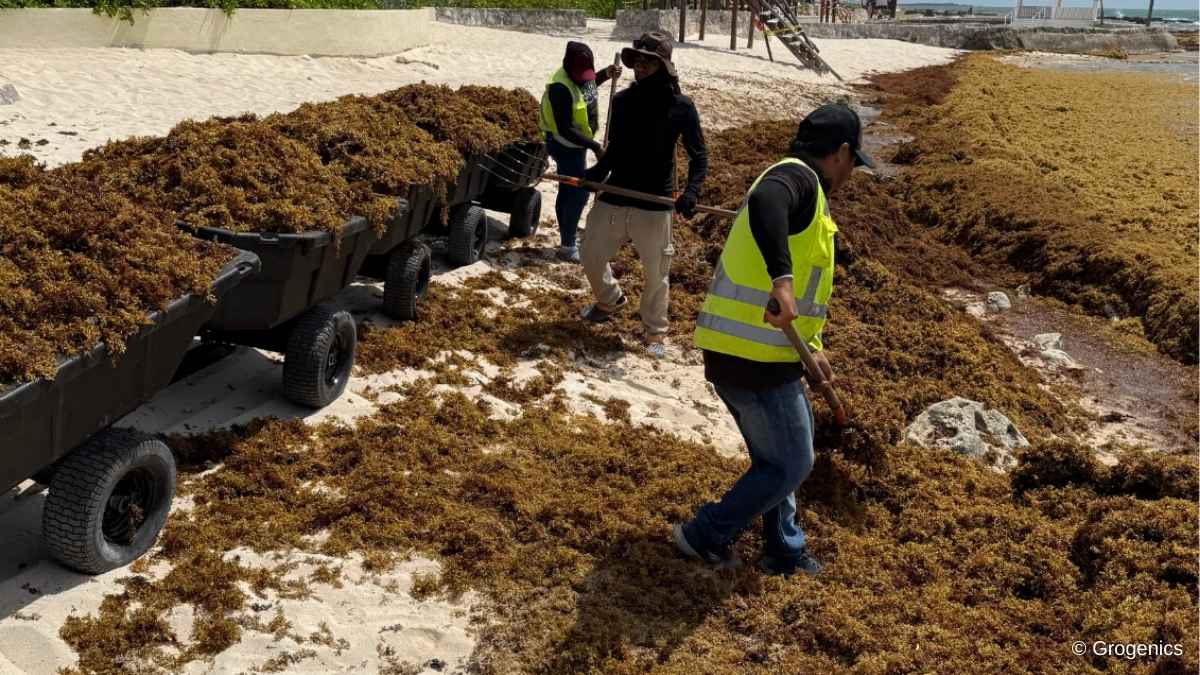
Along the sun-drenched beaches of Mexico’s Riviera Maya, the unprecedented, climate-driven influx of pelagic sargassum seaweed has escalated into an ecological and economic crisis. Massive mats of decaying seaweed wash ashore, smothering coral reefs, trapping nesting sea turtles, emitting toxic hydrogen sulfide gas, and devastating local tourism economies.
This innovative project deploys low-impact marine and shoreline collection techniques to remove sargassum before it can decompose on the sand. The harvested biomass is then upcycled into valuable commodities, including biochar, high-grade agricultural compost, and durable shoreline protection materials. Crucially, the initiative supports women-led farming cooperatives that utilize the compost to grow organic produce, which is subsequently sold back to local eco-resorts.
Recent Accolades and Recognition
Over the past year, the Sargassum Recovery initiative has garnered international acclaim for its pioneering approach to "Blue Innovation." Highlights include:
- Named a Top Innovation Winner in the World Economic Forum’s Coastal Tourism Challenge.
- Awarded the prestigious Ocean Solution Label by the Sustainable Ocean Alliance.
- Honored as a finalist for the 2026 Unlocking the Planet Award.
3. Valle Paleazza Restoration Project (Italy)
- Portfolio Allocation: 5.8%
- Project Category: Blue/Teal Carbon
- Location: Venice Lagoon, Italy
Context and Mechanism
Deep within the legendary Venice Lagoon, the Valle Paleazza project focuses on the ecological restoration of centuries-old historic fishing valleys. By reinstating traditional, delicate water management systems and executing targeted ecological interventions, the project revitalizes vital blue carbon habitats.

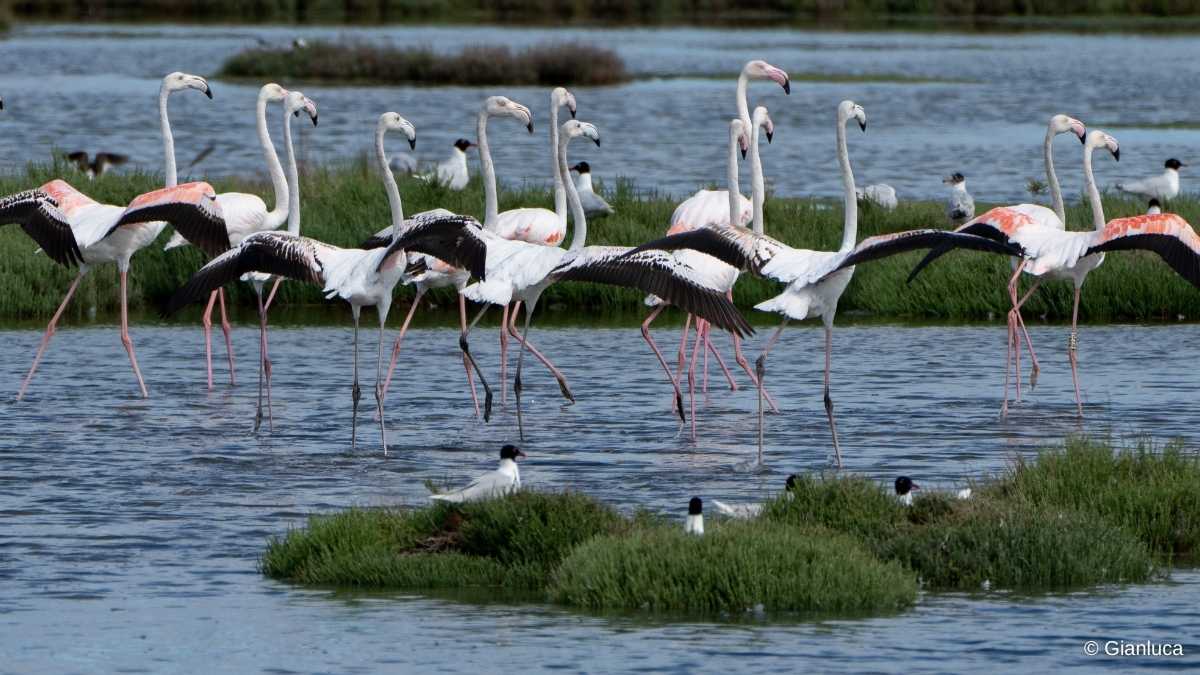
Beyond its carbon sequestration capabilities, the restored lagoon ecosystem serves as an essential nursery for native fish species and a secure nesting ground for migratory birds, including iconic local flamingo populations. These efforts sustain traditional small-scale fishing and aquaculture livelihoods, unlock new avenues for sustainable nature-based tourism, and naturally buffer low-lying communities against storm surges, erosion, and sea-level rise.
Recent Field Updates
In April 2026, the project marked a major milestone by successfully planting 200 additional trees along the valley margins. This planting effort is backed by an intensive, year-round maintenance regimen. Project teams conduct regular irrigation during dry spells, monitor plant health, replace non-surviving saplings, clear invasive vegetation, and manage pest populations to ensure maximum ecological resilience.

4. Keo Seima Wildlife Sanctuary (Cambodia)
- Portfolio Allocation: 34.9%
- Project Category: Forestry (REDD+)
- Location: Mondulkiri Province, Cambodia
Context and Mechanism
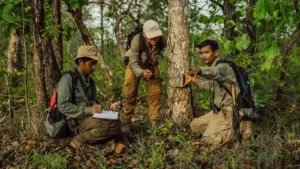
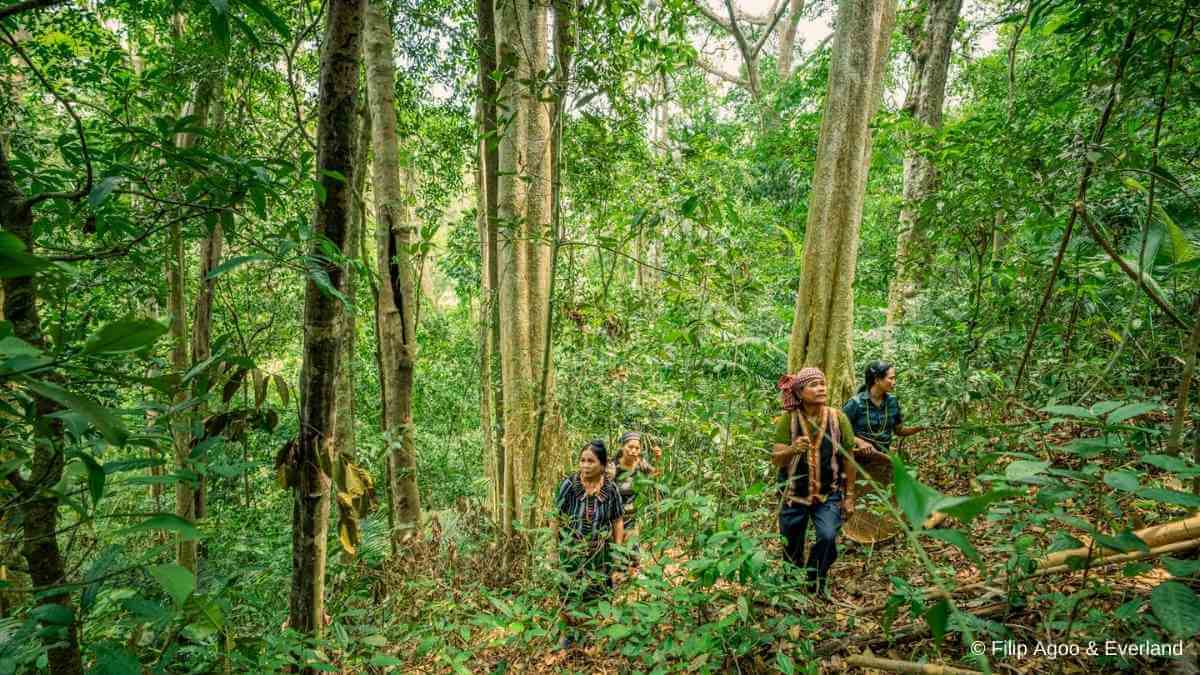
The Keo Seima Wildlife Sanctuary protects a vast, lush tropical forest holding immense cultural, spiritual, and economic value for the indigenous Bunong people. Historically threatened by illegal logging, unsustainable agricultural conversion, and rural poverty, the sanctuary is now shielded through community-led patrolling, alternative livelihood programs, and strict legal enforcement.
The project successfully curtails deforestation-driven emissions while protecting an irreplaceable sanctuary for rare and endemic flora and fauna, including the endangered yellow-cheeked crested gibbon.
Recent Field Updates
Community governance and frontline safety have seen massive upgrades over the past year. Facilitated focus group discussions and leadership training have ensured that conservation efforts in villages like Cheung Phnum Beng and Karamash remain firmly under indigenous guidance. Additionally, in partnership with the Cambodian Red Cross, frontline patrol rangers completed rigorous, intensive first-aid training to prepare for medical emergencies in remote jungle terrain.
Culturally, the project celebrated the construction of traditional Bunong houses within the sanctuary boundaries, anchoring indigenous architectural history. This complements the ongoing "Green Sprouts" community campaign, which encourages local residents to take personal ownership of regional reforestation and stewardship.
5. Yaeda-Eyasi Landscape Project (Tanzania)
- Portfolio Allocation: 4.7%
- Project Category: Forestry
- Location: Rift Valley, Tanzania
Context and Mechanism
In the rugged dryland forests of northern Tanzania, the Yaeda-Eyasi Landscape Project empowers indigenous communities—particularly the hunter-gatherer Hadza people—to legally secure and protect their ancestral lands from external agricultural encroachment and illegal charcoal production.
By tying land tenure security directly to verified carbon finance, the project provides communities with a reliable, recurring source of income that directly funds local social infrastructure, including improved healthcare access and primary education initiatives.

Recent Field Updates
The Yaeda-Eyasi project is currently undergoing a rigorous five-year independent verification audit under the globally recognized Plan Vivo Standard. This exhaustive evaluation ensures that all reported carbon emission reductions are empirically sound and verifiable on the ground. As part of this audit, the project is updating its baseline carbon accounting methodologies using next-generation remote sensing tools. Furthermore, a novel biodiversity monitoring program utilizing specific bird species as bio-indicators has been deployed to track long-term ecosystem health.
6. Rimba Raya Biodiversity Reserve (Indonesia)
- Portfolio Allocation: 14.0%
- Project Category: Blue/Teal Carbon & Forestry
- Location: Indonesian Borneo (Kalimantan)
Context and Mechanism
The Rimba Raya Biodiversity Reserve encompasses a critically important tropical peat swamp forest in Indonesian Borneo. Originally slated for clear-cutting and conversion into industrial palm oil plantations, this high-density carbon sink stores staggering amounts of greenhouse gases both in its above-ground biomass and deep peat soils.
Rimba Raya operates on a holistic community-development model. By tackling systemic issues such as local poverty, food insecurity, and healthcare access, the project addresses the root economic drivers of deforestation. It also provides a protected sanctuary for the reintroduction and rehabilitation of critically endangered Bornean orangutans.
Official Statements and Strategic Outlook
As the global voluntary carbon market continues to evolve toward higher transparency, rigorous scientific validation, and deeper co-benefits, Sustainable Travel International remains steadfast in its mission to raise the bar for offset integrity.

"The launch of our first Climate Impact Portfolio of 2026 underscores our unwavering commitment to quality, transparency, and holistic impact," said a spokesperson for Sustainable Travel International. "We no longer view carbon offsets merely as a transactional tool for emissions accounting. Today, high-integrity offsets are vital instruments of climate justice, biodiversity preservation, and local economic resilience. From restoring the Venice Lagoon to empowering the Bunong people in Cambodia and fighting sargassum accumulation in Mexico, Portfolio 1 proves that aggressive climate action and human development can—and must—go hand in hand."
Looking forward, Sustainable Travel International will continue to rotate and optimize its portfolio allocations on a quarterly and annual basis, ensuring that corporate and individual travelers can invest with absolute confidence. As climate disruptions intensify across the globe, initiatives like Portfolio 1 of 2026 provide a beacon of hope, demonstrating that collective, channeled action can successfully bend the emissions curve and secure a livable planet for generations to come.