Executive Overview
The landscape of energy management in the United States is undergoing a quiet, profound revolution. In Massachusetts, major electric utilities Eversource and National Grid have officially expanded their popular ConnectedSolutions virtual power plant (VPP) programs to incorporate residential vehicle-to-grid (V2G) charging.
For the more than 150,000 electric vehicle (EV) owners navigating the Commonwealth’s roads, this update represents a paradigm shift: automobiles are no longer viewed merely as energy-consuming loads on the electrical grid. Instead, they are transforming into distributed, mobile energy storage units capable of feeding power back to local communities during periods of peak electrical demand.
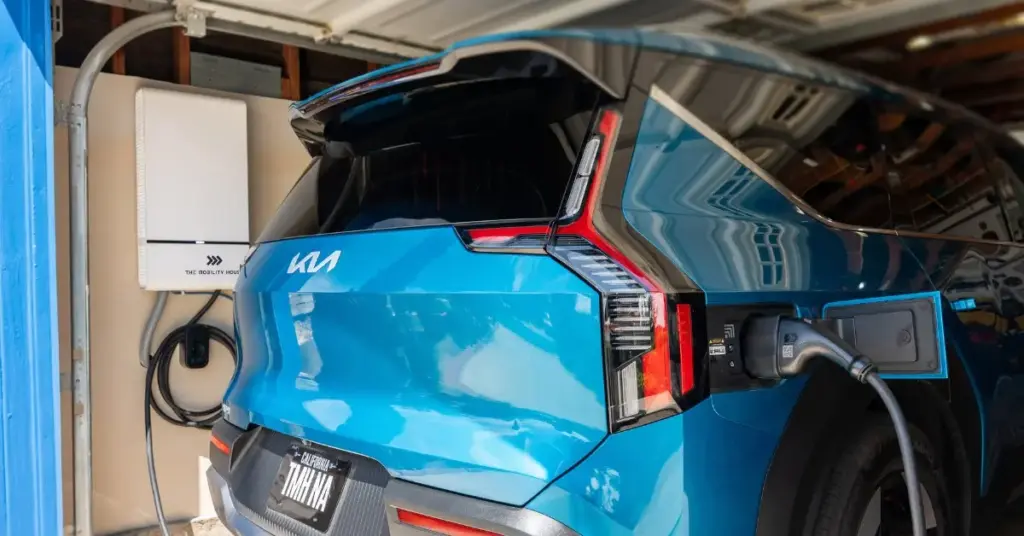
Behind this initiative is a collaborative technological backbone featuring industry leaders EnergyHub, Sunrun, and The Mobility House. Together, these companies are providing the sophisticated software, smart-charging hardware, and grid-integration protocols necessary to orchestrate a decentralized fleet of vehicular batteries.
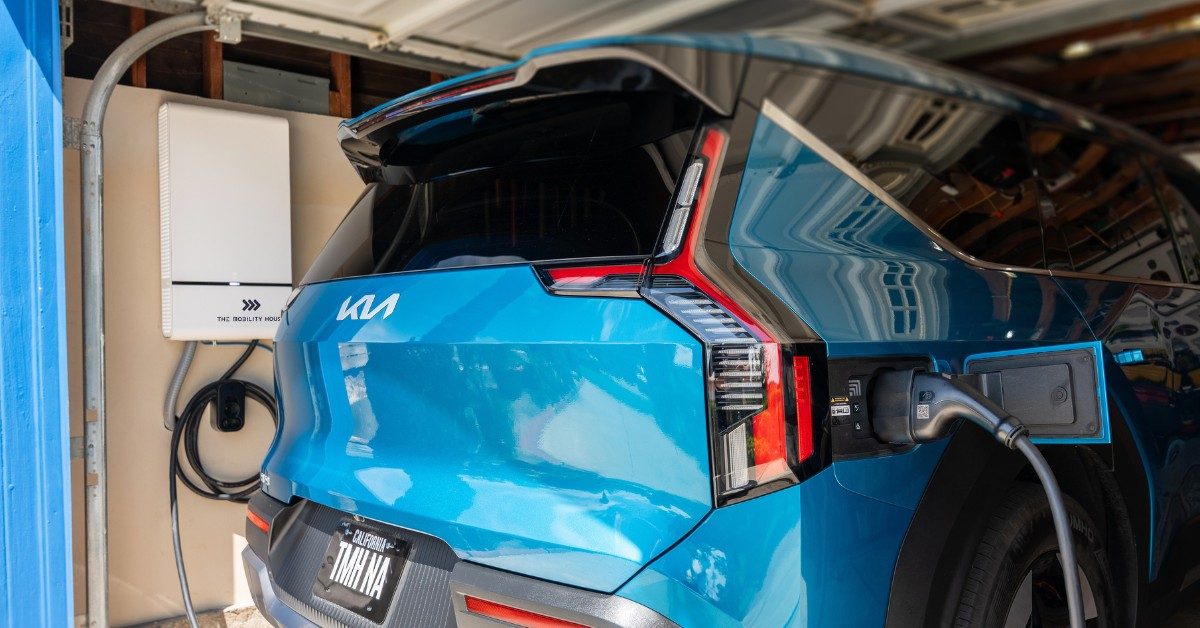
While early questions revolved around hardware compatibility and financial compensation, recent updates from utility representatives have clarified the parameters. Initial vehicle eligibility lists include popular models like the Ford F-150 Lightning, Nissan LEAF, Kia EV9, Polestar 3, and Volvo EX90. Furthermore, performance-based incentives for participating National Grid customers can scale up to $275 per average kilowatt (kW) of performance over the summer season. For many households, this translates to potential seasonal earnings between $1,375 and $2,750, depending on charger capacity and dispatch performance.
This comprehensive reporting delves into the mechanics of the Massachusetts V2G rollout, examining the technical framework, the financial incentives, the broader implications for grid resilience, and the hurdles that remain on the road to widespread adoption.
Detailed Chronology: The Road to Residential V2G in Massachusetts
The integration of vehicle-to-grid technology into New England’s energy infrastructure did not happen overnight. It is the culmination of years of pilot projects, regulatory adjustments, and rapid advancements in bidirectional charging hardware.
Phase 1: The Foundation of ConnectedSolutions
Long before residential EVs were considered as grid assets, Eversource and National Grid deployed the ConnectedSolutions program to curb peak electricity consumption. Initially, the program relied on commercial and industrial demand-response assets, alongside residential smart thermostats and stationary home batteries (such as the Tesla Powerwall).
By offering financial incentives to consumers who reduced their electricity usage or discharged stored energy during heatwaves and grid emergencies, utilities successfully avoided firing up expensive, carbon-heavy peak power plants. However, the immense battery capacity sitting idle in residential garages remained largely untapped.
Phase 2: Fleet Pilots and Heavy-Duty Proving Grounds
Before opening V2G to everyday residential drivers, utilities and municipal authorities tested the technology on controlled, heavy-duty fleets. National Grid pioneered light- and medium-duty V2G applications through ConnectedSolutions, focusing heavily on electric school buses. These large-battery vehicles proved that bidirectional charging systems could reliably inject power back into the grid without degrading vehicle usability or prematurely wearing out battery packs. Concurrently, Eversource began laying the groundwork for school district integrations through its complementary ConnectedSolutions+ framework, building institutional confidence in bidirectional tech.
Phase 3: The Residential Breakthrough
The announcement by Eversource and National Grid to include residential V2G marks a critical milestone: the transition of bidirectional power from commercial depots to suburban driveways. Partnering with specialized energy management platforms—EnergyHub for overarching demand-response coordination, Sunrun for residential solar and storage integration, and The Mobility House for advanced charging and grid services—the utilities created a plug-and-play ecosystem designed to manage thousands of charging points simultaneously.
Supporting Context & Metrics: Unlocking the Driveway Battery
To understand the scale of what Massachusetts is attempting, one must look at the numbers. The state’s EV adoption rate has climbed steadily, supported by aggressive state-level clean energy mandates and federal tax credits. With over 150,000 EVs currently registered in the Commonwealth—and that figure growing monthly—the aggregate energy storage capacity sitting in residential garages is staggering.
The Power of the Pack
Consider a conservative estimate: if a fraction of those 150,000 vehicles are equipped with batteries averaging 75 kilowatt-hours (kWh) to 100 kWh each, the total energy storage potential dwarfs conventional stationary utility-scale battery installations. Even if only a small percentage of these vehicles participate in the ConnectedSolutions V2G program during a summer peak, they collectively form a massive virtual power plant capable of instantaneously offsetting local grid overloads.
Financial Incentives and Economics
For the program to succeed, the financial equation must make sense for the consumer. The initial rollout addresses this by offering robust, performance-based rewards.
- National Grid ConnectedSolutions Framework: Participants can earn up to $275 per average kW of performance over the vital summer season.
- Household Earnings Potential: Depending on the specific bidirectional charger capacity and how consistently the vehicle is made available during dispatch windows, residential participants could net between $1,375 and $2,750 per season.
These earnings help offset the higher upfront costs associated with purchasing and installing bidirectional (V2G-capable) home chargers, which have historically been more expensive than standard Level 2 chargers.

Official Statements and Industry Perspectives
The convergence of automotive manufacturing, residential solar, and utility operations has brought together executives from diverse sectors who share a common vision for the future of energy.
Chip Silverman, Sunrun’s director of grid services, emphasized the transformative potential of these programs during the rollout announcement:
"We are excited to bring our dispatching expertise to Massachusetts and help expand our vehicle-to-grid technology to more customers. Vehicle batteries play a critical role in stabilizing the grid, providing backup power to homes, and lowering energy costs for everyone."
Utility representatives have similarly echoed the sentiment that distributed energy resources (DERs) are no longer experimental novelties, but rather fundamental components of modern grid management. By leaning on established software aggregators like EnergyHub, utilities can seamlessly dispatch power without requiring manual intervention from individual drivers, ensuring that grid stability is achieved reliably and automatically.
Initial Vehicle and Technology Compatibility
As of the initial program launch, the list of approved vehicles equipped for bidirectional charging includes:
- Ford F-150 Lightning (a trailblazer in residential V2G applications following historic US rollouts)
- Nissan LEAF (a pioneer of CHAdeMO-based bidirectional capabilities)
- Kia EV9
- Polestar 3
- Volvo EX90
As automotive manufacturers increasingly adopt standards like SAE J3168 for bidirectional power flow, this compatibility list is expected to expand rapidly in the coming years.
Future Outlook: Challenges and Opportunities Ahead
While the launch of residential V2G in Massachusetts is a monumental step forward, several hurdles remain before bidirectional charging becomes as ubiquitous as standard smartphone charging.

1. Hardware Availability and Standardization
Not all EVs shipped today possess bidirectional capabilities, and among those that do, hardware protocols vary. Ensuring interoperability between various EV models, bidirectional home chargers (EVSEs), and utility management systems requires rigorous testing and universal standards. Standardization will be key to preventing consumer lock-in and reducing equipment costs.
2. Battery Degradation Concerns
A common anxiety among early EV adopters is whether discharging their car batteries back into the utility grid will accelerate battery degradation. However, modern battery management systems (BMS) and smart-charging software managed by firms like The Mobility House and EnergyHub are designed to optimize charge-discharge cycles. Dispatches typically occur for short durations during peak stress events, drawing only a fraction of the total state of charge and ensuring that the vehicle’s daily commuting needs are never compromised.
3. Consumer Education and Ease of Use
The ultimate success of the ConnectedSolutions V2G expansion depends heavily on consumer experience. If enrollment is overly cumbersome, or if drivers fear being left with a depleted battery on their morning commute, participation rates may lag. Utilities and their technology partners must prioritize transparent mobile applications, intuitive user controls, and guaranteed minimum state-of-the-art battery reserves for everyday driving.
Looking Ahead
If Massachusetts successfully proves that residential fleets can act as reliable grid stabilizers, it will provide a blueprint for other states aiming to decarbonize their grids without building multi-billion-dollar peaker plants. By turning every garage into a micro-power-plant, the Commonwealth is not only empowering individual drivers to offset their ownership costs but is also forging a more resilient, cost-effective energy future for all residents.