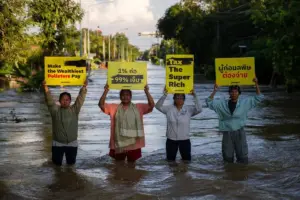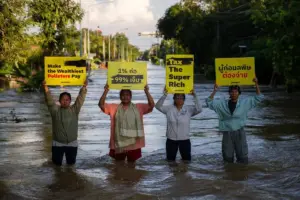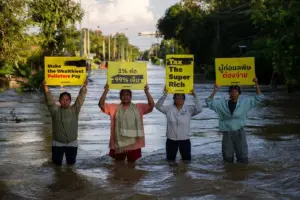
Executive Overview
As the gavel fell to close the fifth round of negotiations (INC-5) at United Nations Headquarters in New York, the architecture of the global economy stood at a historic crossroads. At the heart of the debate is the proposed Global Tax Treaty—formally known as the UN Framework Convention on International Tax Cooperation. Conceived as a once-in-a-generation instrument to rectify structural inequalities in global finance, the treaty aims to dismantle the century-old, OECD-dominated tax architecture that developing nations argue has systematically disenfranchised them.
Yet, as the latest session concluded, diplomats, economists, and civil society observers recognized a stark reality: while the foundational framework remains within reach, the current "zero draft" text requires radical, uncompromising improvements. Without major overhauls, critics warn the treaty risks becoming an empty diplomatic exercise—one that lets corporate polluters and the ultra-wealthy off the hook while compounding the interconnected crises of runaway climate change, rapid biodiversity loss, and deepening global inequality.
The stakes could not be higher. Across the globe, ordinary citizens are absorbing the shocks of extreme weather events, soaring living costs, and crippling public debt burdens. They are paying the price for systemic economic instability they did little to cause. Meanwhile, multinational corporations and super-rich elites continue to hoard wealth in opaque tax havens, dodging trillions in public revenues that could otherwise fund climate adaptation, green energy transitions, and robust public services.
The negotiations in New York revealed both the promise of multilateral consensus and the lingering reluctance of wealthy, industrialized nations to surrender their historical tax privileges. As the process pushes forward toward a targeted delivery date in mid-2027, the international community faces a definitive test of political will: Will governments forge a truly inclusive tax system that prioritizes people and the planet, or will the final treaty be diluted into irrelevance by the very interests it seeks to regulate?
Detailed Chronology: The Path to INC-5 and the New York Impasse
To understand the weight of the negotiations at INC-5, one must examine the arduous journey that brought developing and developed nations to the UN negotiating table. For decades, global tax rules were set predominantly by the Organisation for Economic Co-operation and Development (OECD)—a club of mostly rich nations often criticized as an exclusive gentlemen’s club that ignored the fiscal needs of the Global South.
The Shift to the United Nations
The turning point came when developing nations, spearheaded by the Africa Group within the UN, successfully mobilized a coalition to shift international tax standard-setting away from Paris and into the democratic, universal halls of the United Nations. This move promised a paradigm shift: for the first time, every nation would have an equal vote in drafting the rules that govern multinational corporate taxation, cross-border capital flows, and the eradication of illicit financial flows.
The New York Session (INC-5)
The fifth negotiating round convened in New York against a backdrop of escalating geopolitical tensions and fiscal strain. Over the course of the session, delegates wrestled with the zero draft of the UN Framework Convention.
- The Influence of the Global South: A notable development during INC-5 was the undeniable imprint of Global South demands on the negotiating text. Provisions addressing tax transparency, the taxation of digital multinationals, and mechanisms to combat profit shifting began to take more concrete shapes within the draft articles.
- The Trust Deficit: Despite textual progress, negotiations were repeatedly slowed by a pervasive trust deficit. Developing economies expressed persistent frustration that wealthy nations—often home to the world’s largest multinational conglomerates—were attempting to water down enforcement mechanisms, delay binding commitments, and preserve loopholes that benefit corporate capital.
- Civil Society Engagement: A rare bright spot during the New York talks was the broad, cross-regional support for institutionalizing the role of civil society organizations, labor unions, and frontline communities in future Conference of the Parties (COP) meetings. Delegates recognized that public accountability will be indispensable if the treaty is to survive the intense lobbying pressure expected in the final phases of drafting.
As INC-5 adjourned, the zero draft remained an imperfect compromise—a patchwork of ambitious visions and conservative safeguards that leaves the ultimate efficacy of the treaty hanging in the balance.
Supporting Context & Metrics: The Human and Economic Cost of a Broken Tax System
The urgency driving the UN tax treaty negotiations is rooted in staggering macroeconomic realities and escalating planetary emergencies. The current international tax architecture is not merely outdated; experts argue it is fundamentally predatory.
The Scale of Tax Abuse
According to estimates by organizations like the Tax Justice Network, countries worldwide lose upwards of $480 billion annually to tax abuse—losses driven by multinational corporations shifting profits to zero- or low-tax jurisdictions and wealthy individuals concealing hidden fortunes in offshore accounts.
- Corporate Profit Shifting: Multinational enterprises routinely report massive profits in small island tax havens where they maintain little to no physical presence or substantive economic activity, while generating their actual revenues in developing nations where infrastructure, labor, and natural resources are exploited.
- The Developing Nation Burden: While wealthy nations absorb significant revenue losses, the proportional impact on developing economies is catastrophic. Tax revenue lost to shell companies and aggressive tax planning often equates to multiple times the domestic budgets allocated for public healthcare, education, and climate resilience.
The Nexus of Tax, Inequality, and Climate Change
The debate over the Global Tax Treaty is inextricably linked to the polycrisis defining the 21st century:
- The Climate Crisis: Developing nations are on the front lines of extreme weather events—floods, droughts, and intensified hurricanes—that destroy infrastructure and livelihoods. Yet, these same nations are starved of the public revenues needed to build adaptive capacity, finance green transitions, or recover from climate disasters.
- The Inequality Chasm: While public treasuries are depleted, corporate polluters and billionaires accumulate unprecedented wealth. The concentration of capital in the hands of a microscopic elite distorts democratic governance and accelerates social unrest.
- The Revenue Solution: Proponents of the Framework Convention argue that a reformed global tax system could unlock trillions of dollars. Captured fairly, these funds could directly finance the global transition away from fossil fuels, protect vital ecosystems, and cushion vulnerable populations against economic shocks.
Without a binding, robust UN tax treaty, governments will continue engaging in a "race to the bottom," slashing corporate tax rates to attract foreign investment in a zero-sum game that ultimately benefits no one except corporate shareholders.
Official Statements and Stakeholder Perspectives
The ideological battle lines drawn during INC-5 were vividly illustrated by the statements issued by key institutional stakeholders, policy experts, and advocacy groups following the conclusion of the New York talks.
Greenpeace International: A Call for Courage
Weighing heavily on the proceedings, environmental and social justice organizations emphasized that tax justice is inherently climate justice. Nina Stros, Global Senior Policy Expert at the Greenpeace International Political Unit, offered a clear-eyed assessment of where the negotiations stand:
"Global South demands for fair and inclusive international tax rules are starting to shape the text of the Framework Convention, and that is real progress. But without trust and a commitment from all parties to negotiate in good faith, we risk an empty treaty that fails to address problems everyone acknowledges exist. The most ambitious version of the Global Tax Treaty can only be built on truly international tax cooperation, where every voice counts, including those of the communities hit hardest by the climate crisis, not just predominantly those of the wealthiest polluters and their patrons."
Stros further highlighted the stark disconnect between the diplomatic maneuvering inside UN conference rooms and the lived realities of people worldwide:
"Outside these negotiating rooms, people are living through extreme weather and rising bills, paying for a crisis they did little to cause, while the wealthiest polluters keep profiting. Too many countries are losing revenues to tax havens. The Global Tax Treaty is a once-in-a-generation opportunity to correct the unfairness and the dysfunctions of existing tax agreements and the broken corporate tax system. It’s time for every country to step up and bring concrete solutions that work for people and the planet."
The Divergent Views of Member States
- The Global South Bloc: Led by African, Latin American, and small island developing states, this bloc maintained that the Framework Convention must feature mandatory dispute resolution, automatic exchange of information, and clear rules on taxing the digital economy. They argue that voluntary guidelines are useless against sophisticated corporate tax avoidance schemes.
- OECD-Aligned Industrialized Nations: Traditional economic superpowers—including members of the European Union and the United States—have exhibited varying degrees of resistance. While many have acknowledged the legitimacy of the UN-led process, they continue to push back against provisions that might conflict with existing OECD frameworks or impose binding obligations that domestic legislatures might reject. Critics argue these nations are attempting to neuter the treaty to protect the dominance of Western-headquartered multinational corporations.
- Civil Society Coalitions: Tax justice networks and human rights NGOs played an indispensable watchdog role at INC-5, demanding transparency in the negotiations and pushing back against corporate lobbying efforts that seek to weaken anti-abuse provisions.
Future Outlook: The Road to Nairobi and 2027
With INC-5 now history, the timeline toward finalizing the Global Tax Treaty stretches across the horizon, mapping out a rigorous schedule of diplomatic engagement over the next several years.
The Negotiating Roadmap
Negotiations for the Global Tax Treaty are slated to continue intensively through mid-2027. The immediate next milestones include:
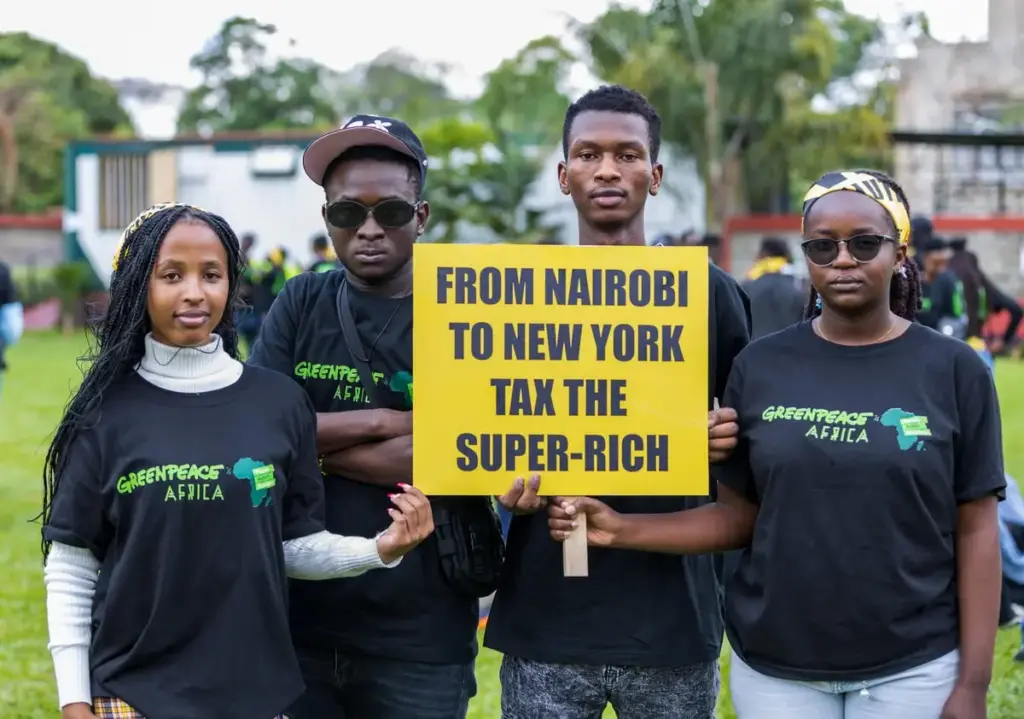
- INC-6 in Nairobi: The sixth round of negotiations will be hosted in Nairobi, Kenya, from 30 November to 11 December 2026. This session will be critical, returning the talks to the African continent—a region that has been a primary catalyst for the UN tax cooperation movement. Nairobi will test whether momentum can be sustained and whether industrialized nations are prepared to bridge the trust gap.
- Subsequent 2027 Rounds: Following Nairobi, three additional rounds of negotiations are scheduled for the subsequent year to hammer out the final protocols, institutional structures, and enforcement mechanisms of the treaty.
The Greenpeace Commitment
As the process moves forward, international watchdog organizations like Greenpeace have pledged sustained engagement. Environmental and economic justice advocates will continue to attend every negotiating session, applying pressure on reluctant governments. Their core mission remains clear: to urge every country to be guided by the harsh realities their citizens face outside the negotiating room, and to hold national leaders accountable to the historic promise that this treaty represents.
Conclusion: A Defining Moment for Multilateralism
The UN Framework Convention on International Tax Cooperation is far more than a technical legal document concerning corporate accounting rules. It is a fundamental stress test for modern multilateralism. It asks whether the global community can unite to construct an economic order that serves humanity and safeguards the biosphere, or whether it will remain captive to the narrow, short-term interests of corporate polluters and financial elites.
As delegations pack their bags for Nairobi and beyond, the message from the global public is unmistakable: the era of unchecked tax havens, corporate impunity, and climate injustice must end. The window to secure a transformative tax treaty is open, but it requires unprecedented political courage to push it all the way through.