For centuries, the story of Taiwan’s Indigenous Siraya people was written as a tragedy of erasure. Once the lowland inhabitants who first greeted Dutch traders in the 17th century, the Siraya saw their traditional lands annexed, their culture suppressed, and their language driven into the shadows by a succession of colonial powers and regimes—ranging from the Qing dynasty and Japanese imperial rule to the Kuomintang. By the 19th century, linguists had officially declared the Siraya language "extinct," a linguistic ghost of an identity seemingly dissolved by forced assimilation.
Yet, history is not always final. In a striking narrative of cultural resilience, grassroots activism, and familial devotion, the Siraya have pulled their heritage back from the brink. This multi-decade revival culminated in a historic milestone: following a landmark constitutional ruling and legislative action, the Taiwanese government officially recognized the Siraya as the nation’s 17th official Indigenous group on July 30, 2026.
At the heart of this renaissance is activist Uma Talavan, her father Wan Cheng-hsiung (Cheng-hiong Talavan), her Filipino-born musician husband Edgar Macapili, and a dedicated community that refused to let their ancestors’ voices fade into silence. By translating centuries-old missionary texts, turning grammar into song, and establishing mandatory language instruction in primary schools, the Siraya have achieved something once dismissed by academia as a pipe dream. Today, children in Tainan are growing up speaking a revitalized tongue, reversing the generational flow of knowledge by teaching their parents the words of their forebears. This is the chronicle of how a people reclaimed their soul, restored their history, and rewrote their future.
Detailed Chronology: From Colonial Erasure to Legal Recognition
The path from a fractured, unacknowledged populace to official state recognition spans hundreds of years of struggle, accelerated over the past three decades by unprecedented grassroots determination.
The Roots of Loss (17th–20th Centuries)
As the largest of the Pingpu (lowland plains and coastal) Indigenous groups, the Siraya were the first to encounter foreign powers in southern Taiwan, beginning with the Dutch East India Company in the 1624–1662 colonial period. Following the Dutch departure, the community faced wave after wave of institutionalized assimilation.
Under the Qing dynasty, the Japanese colonial administration (1895–1945), and subsequent regimes, lowland Indigenous groups were heavily pressured to abandon their traditions, adopt Han Chinese customs, and register under administrative categories designed to erase their distinct heritage—such as the Qing-era classification of shú ("cooked" or assimilated). Consequently, while Taiwan’s highland Indigenous groups managed to secure protected status decades ago, the Pingpu peoples were left out in the cold, legally stripped of their Indigenous identity. By the 19th century, their mother tongue was deemed dead by academic standards.
The Spark of Revival (1992–2008)
The modern revival began not in a university library, but through an unlikely cross-border romance. In 1992, Siraya activist Uma Talavan met Edgar Macapili, a Filipino musician, while staying in the Philippines. Bound by their shared passion for music, the couple eventually settled in Taiwan, where Macapili resolved to help his wife unearth her silenced roots.
A breakthrough occurred when Uma Talavan and her father, Wan Cheng-hsiung, acquired a historical copy of the Gospel of Matthew, which had been translated into Siraya by a Dutch missionary during the 17th century. Upon examining the text, Macapili noticed striking structural similarities between the ancient Siraya text and his own native tongue, Bisaya, an Austronesian language spoken in the central and southern Philippines.
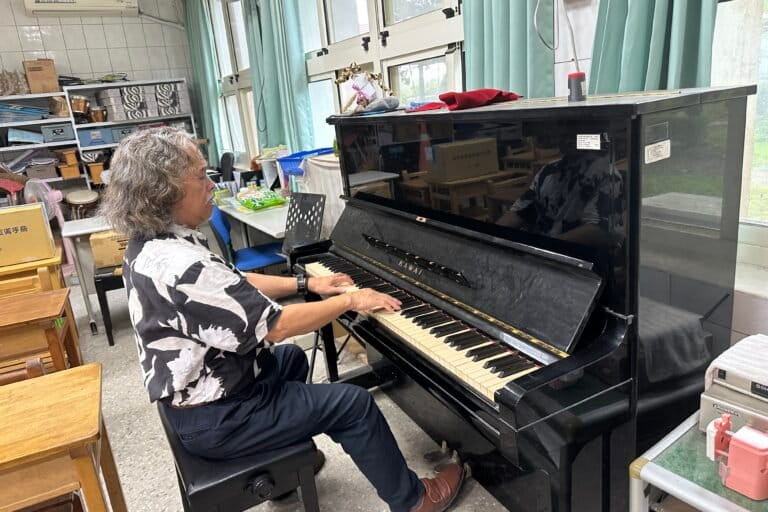
Working meticulously, the couple deciphered the religious text word by word, translating it into English. By 2008, they had successfully published the world’s first modern Siraya dictionary. Recognizing that traditional academic methods would fail to engage younger generations, Macapili leveraged his background as a composer, setting Siraya vocabulary to music. Children learned to count and speak through song, transforming a dormant written record into a living oral medium.
The Legal Battle and Constitutional Breakthrough (2012–2026)
While grassroots language revitalization flourished in classrooms, the political fight for legal recognition ran parallel paths through the courts. In 2010, Uma Talavan initiated a prolonged administrative lawsuit against the state, challenging the government’s refusal to grant Pingpu groups official Indigenous status.
Twelve years later, in October 2022, Taiwan’s Constitutional Court delivered a landmark ruling in favor of the Siraya, paving the way for sweeping legislative reforms. Activists successfully argued that their vigorous linguistic and cultural revival demonstrated an unbroken, living tie to their ancestral identity.
In October 2025, the Legislative Yuan passed the Pingpu Indigenous Peoples Status Act. Nine months later, on July 30, 2026, Taiwan’s Executive Yuan formally conferred official status on the Siraya. On August 13, 2026, community members—including Uma Talavan and her family—began officially registering as Taiwan’s 17th Indigenous group, bringing a century-long administrative exclusion to an end.
Supporting Context & Metrics: The Scale of the Revival
While the exact contemporary population of people with Siraya ancestry remains fluid due to historical misclassification, local government archives provide a clearer picture of their demographic footprint.
Demographic Reach: Although national statistics are still updating following the August 2026 registration rollout, the Tainan city government recorded more than 11,800 individuals identifying as Siraya in municipal surveys as of 2016.
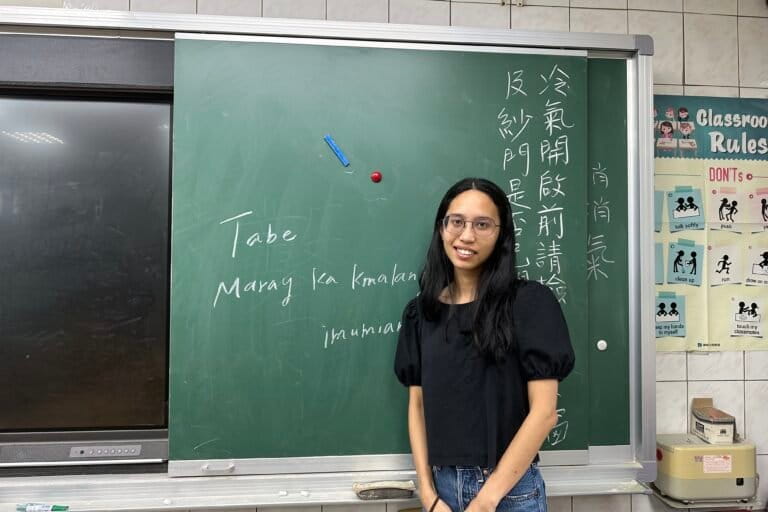
Educational Integration: Language transmission has shifted firmly from the family living room into formal education. Currently, 45 specialized teachers—all personally trained by Uma Talavan and Edgar Macapili—instruct students in Siraya across 26 schools throughout Taiwan.
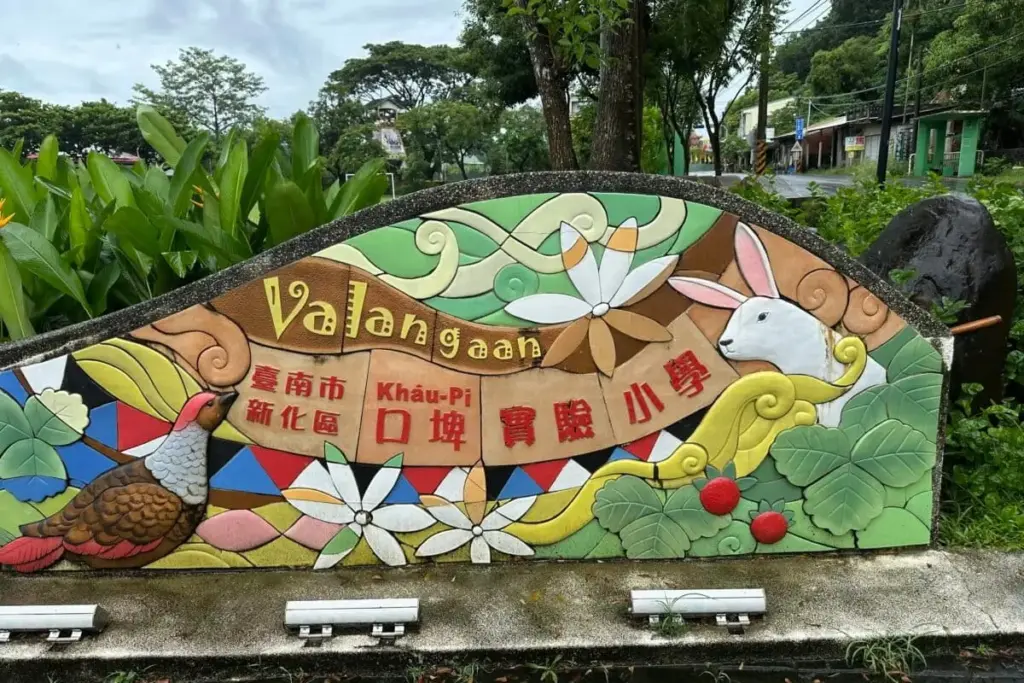
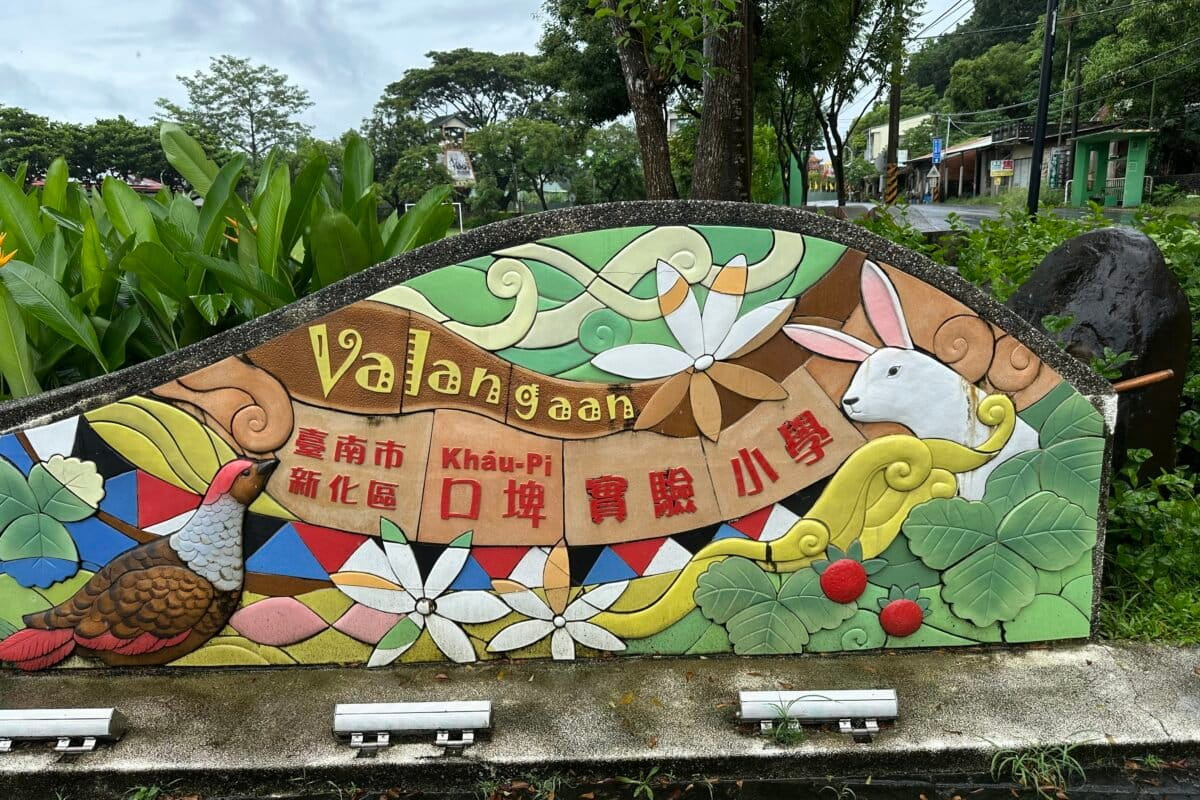
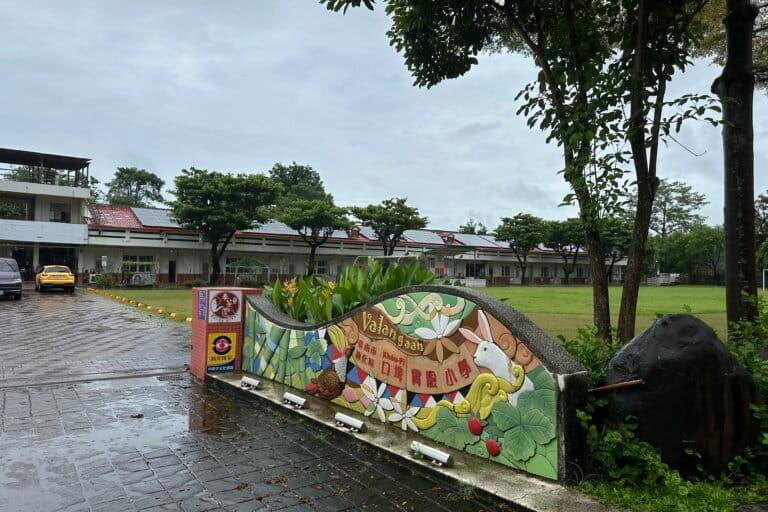
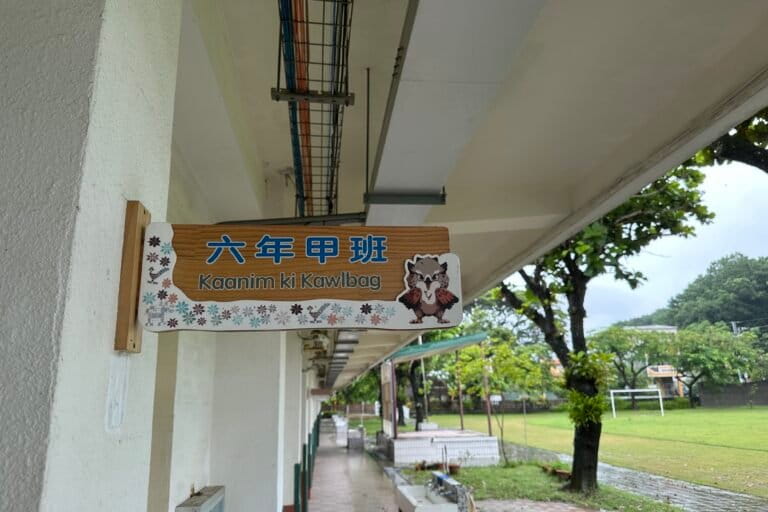
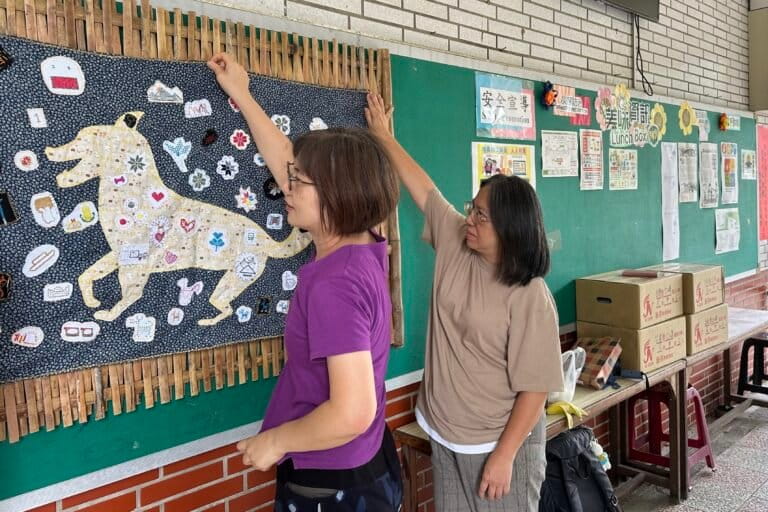
The Pioneer School: At Koupi Experimental Elementary School in Tainan’s Sinhua district—a historic 106-year-old institution—Siraya has become a mandatory subject. Bilingual signage in traditional Chinese characters and Siraya now adorns classroom walls, marking the first time in modern history that the language is being integrated into foundational daily education.
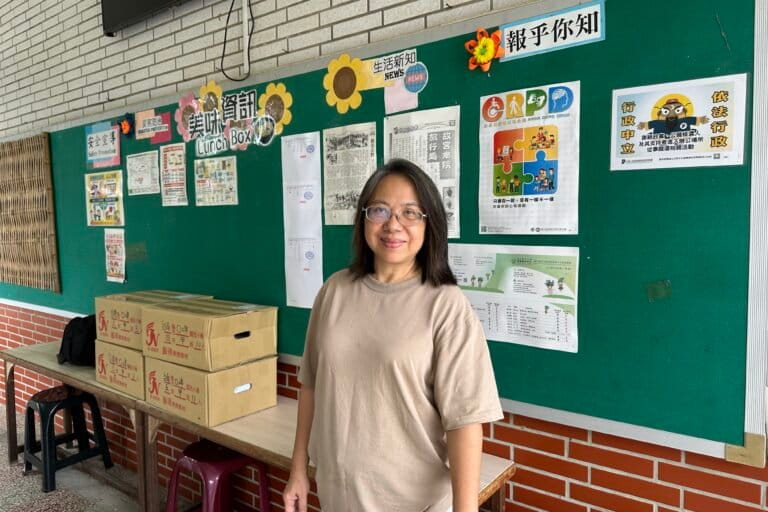
Genealogical Verification: To qualify for official status under the new framework, applicants must trace their lineage back through Japanese colonial-era household registries (1895–1945). By cross-referencing historical designations of lowland settlement locations with modern administrative boundaries, applicants like 54-year-old teacher Silia Pan have successfully bridged the gap of centuries to reclaim their legal heritage.
Official Statements and Perspectives
The resurrection of the Siraya language and its hard-fought political recognition have elicited powerful responses from the activists who drove the movement, the academics who initially doubted it, and the government officials who welcomed them into the national fold.
Uma Talavan on the Soul of Language:
"Language is an extremely important part of a people’s soul. It lets us know the past and connect it to the present." Reflecting on the emotional weight of standing before the government in Taipei on July 30, 2026, she emphasized that the legal battle was always about restoring dignity to an erased heritage.
Edgar Macapili on Deciphering the Past:
"We felt like we were witnessing a miracle," Macapili recounts of the moment he recognized the linguistic bridge between Siraya and his native Bisaya. Describing his pedagogical approach, he notes: "As a composer, I took the Siraya texts and set them to music. Children learned Siraya that way, by singing. We wrote songs to teach counting, for instance, and we scaled up that teaching method."
Lici Talavan on Intergenerational Transmission:
The couple’s 28-year-old daughter, an anthropology student at Tsing Hua University and a Siraya teacher herself, highlights the unique reality of this revival: "It’s a very young language, and for now it’s mostly spoken by children; it isn’t yet used in daily life." Noting that her older sister Euphony has raised children speaking fluent Siraya from birth, she adds with pride, "They are the first generation to speak revitalized Siraya… They speak it better than I do now."
Karl Alexander Sander Adelaar on Academic Skepticism:
Reflecting on his early involvement with the community, renowned Austronesian linguist Karl Alexander Sander Adelaar admitted that mainstream academia was initially dismissive. "There was criticism from Taiwanese academia. Researchers saw the revitalization of Siraya as a big joke," he explains. However, presenting his 100-page grammar book to the community shifted his perspective entirely: "When Edgar Macapili invited me to present a 100-page Siraya grammar book to the community, people started crying. These were people who’d had their past taken from them, and suddenly, there was a book. Suddenly, they had a history, and it had been given back its dignity. That kind of weeping is something I never expected to witness."
Silia Pan on the Reversal of Roles:
Describing the surreal and moving dynamic of modern Siraya families, teacher Silia Pan remarks: "It’s something quite extraordinary that this is happening in our time: Children teaching their language to their parents. We’re learning the language of our ancestors together, and it brings us closer."
Future Outlook: Sustaining a Reborn Heritage
The official recognition of the Siraya as Taiwan’s 17th Indigenous group marks the end of a monumental legal marathon, but it simultaneously opens a new chapter of cultural stewardship. For generations, the survival of the language depended entirely on the tenacity of a single family and a small network of dedicated volunteers. Now, backed by state support and formal Indigenous rights, the community faces the challenge of expanding Siraya from the primary school classroom into broader community domains and adult households.
Linguists acknowledge that today’s Siraya is not identical to the spoken dialect of the 17th century; phonological nuances lost to time cannot be fully reconstructed from centuries-old missionary texts alone. Yet, as scholars like Adelaar assert, linguistic perfection is secondary to cultural recovery. The core achievement lies in the reclamation of identity, the healing of generational trauma, and the establishment of a living link to the past.
As young children sing in Siraya at Koupi Experimental Elementary School and parents learn ancestral vocabulary from their sons and daughters, the Siraya people are proving that languages do not have to remain dead simply because history tried to kill them. Through music, memory, and unwavering resolve, the voice of the Siraya has returned to Taiwan—and this time, it is here to stay.