

Executive Overview
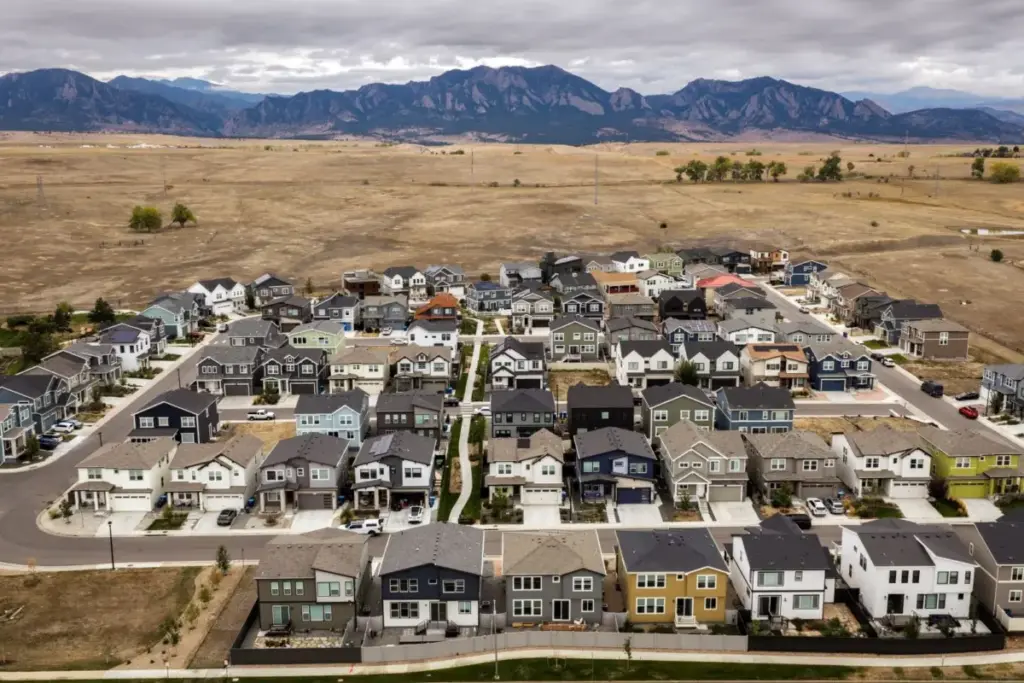
The Supreme Court of the United States opened its 2026–2027 term on a high-stakes collision course, hearing oral arguments in a landmark climate liability lawsuit that could permanently reshape the legal landscape of environmental accountability in America. At the center of the dispute is a high-profile legal challenge brought by Boulder, Colorado, against fossil fuel giants Exxon Mobil and Suncor Energy, a Canadian corporation. The suit demands compensation for the soaring local costs of managing a rapidly warming planet, specifically pointing to devastating localized disasters like the Marshall Fire.
The implications of this litigation stretch far beyond the borders of Colorado. Across the United States, dozens of local and state governments have filed similar lawsuits against major fossil fuel producers. These municipalities are seeking billions of dollars in damages to pay for climate-induced infrastructure upgrades, disaster recovery, sea-level rise mitigation, and extreme weather adaptation. Consequently, the Supreme Court’s eventual ruling could establish a national precedent, deciding the ultimate fate of all pending climate accountability litigation and determining whether oil conglomerates must legally shoulder the financial burden of the ecological destruction caused by their products.
During two hours of intense, probing questioning, the eight participating justices offered no definitive indication of how they will ultimately rule. However, they demonstrated a striking consensus on one central dilemma: identifying and assigning legal liability for the sprawling, cumulative impacts of global climate change is an immensely complex and consequential task. While attorneys for the fossil fuel industry warned of an unprecedented judicial overreach capable of destabilizing the global energy market, lawyers for Boulder argued that the case is fundamentally about consumer fraud, corporate deception, and forcing companies to pay for the documented harms of their misleading marketing campaigns.
Detailed Chronology of the Legal Battle
The legal journey of Boulder v. Exxon Mobil and Suncor began in state courts, where local officials sought redress under Colorado state laws. For years, the municipal and county governments have wrestled with escalating expenditures related to ecological crises. The breaking point for many communities came with disasters like the catastrophic Marshall Fire, which destroyed thousands of homes in Boulder County and left local leadership searching for financial relief as public coffers were strained to the breaking point.
Rather than fighting the battle on home turf alone, the sued fossil fuel conglomerates petitioned the federal judiciary, rapidly escalating the dispute to the nation’s highest court. The oil and gas companies argued vehemently that sweeping climate change matters cannot—and should not—be adjudicated at the piecemeal, state level. In their view, regulating global greenhouse gases and addressing planetary warming are questions exclusively reserved for the elected branches of federal government: Congress and the White House.
Boulder, conversely, petitioned the Supreme Court to send the case back down to the Colorado state courts, allowing the original lawsuit to proceed unhindered. The Supreme Court agreed to hear the appeal to determine whether state-level public nuisance and consumer protection laws can be weaponized against energy companies for their global contributions to greenhouse gas emissions.
During the oral arguments on Monday, eight justices participated—Justice Samuel Alito recused himself from the proceedings, though no official explanation was provided, amid ongoing public scrutiny concerning his personal investments. Throughout the session, justices from across the ideological spectrum repeatedly expressed frustration with the convolution of the arguments. Multiple members of the bench interrupted counsel, asking variations of the blunt question: "Why make this argument so complex?"
Yet, despite their shared desire for legal simplicity, the justices rarely agreed on what that simple formulation should be. The conservative wing of the court, in particular, weighed the existential financial consequences for the oil companies heavily, while the practical, immediate consequences for communities stranded on the front lines of climate change received comparatively scant exploration from the bench.
Supporting Context & Metrics: The Shadow of Tobacco and the Fear of "Bankrupcy"
To understand the core philosophical divide in the Supreme Court chamber, legal analysts draw direct parallels to the landmark tobacco litigation of the 1990s. In those historic cases, state attorneys general successfully sued major cigarette manufacturers not to ban the sale of tobacco products, but to hold companies accountable for decades of public deception regarding the health risks of smoking. The resulting master settlement agreement forced tobacco firms to fund sweeping public health campaigns and internalize a portion of the healthcare costs associated with their products.
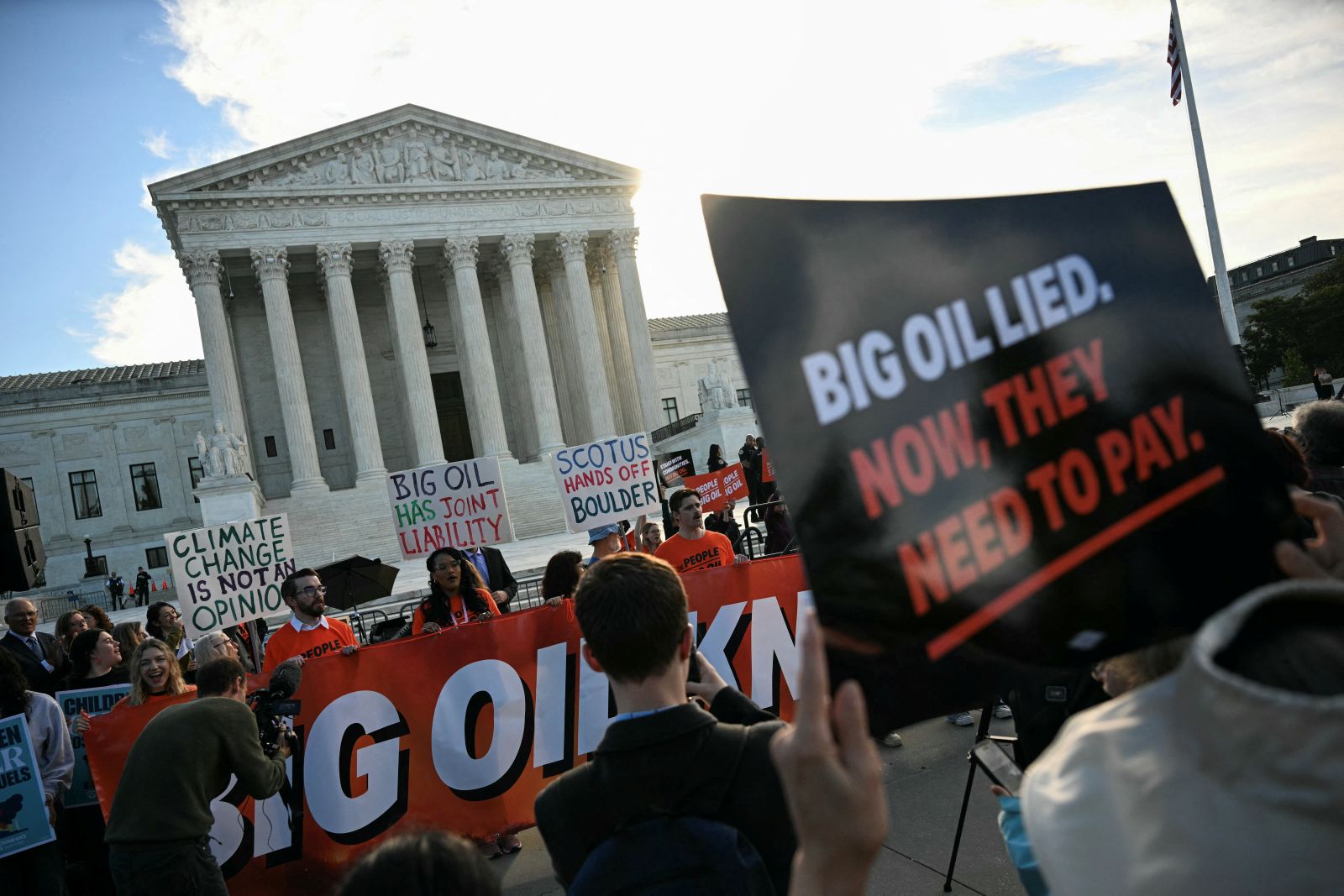
Boulder’s legal strategy is modeled directly on this precedent. The city’s attorney, Kevin Russell, forcefully clarified during arguments that Boulder is not asking the court to shut down oil and gas production, nor is it attempting to legally mandate an immediate halt to greenhouse gas emissions.
"This is not an effort to reduce emissions," Russell told the justices. "Under our deception theory, they can continue to produce as much fossil fuels as they like and contribute to as much air pollution and greenhouse gas emissions as the market will bear when consumers are properly informed about the consequences of that decision."
Russell argued that the lawsuit simply forces corporations to internalize a fraction of the immense socio-economic costs of their business activities by paying restitution for past deceptions.
However, the oil industry’s defense team, led by seasoned Supreme Court advocate Kannon Shanmugam, rejected this framing as a semantic illusion. Shanmugam warned the court that allowing state courts to penalize companies for global climate impacts would create an unmanageable regulatory patchwork, effectively granting individual state courts the authority to police worldwide commerce.
Justice Brett Kavanaugh echoed these anxieties, calling Russell’s defense "cavalier" given the astronomical financial exposure facing the industry. Kavanaugh noted that defending and settling these accumulating lawsuits could realistically "bankrupt" some energy firms. To underscore the absurdity of the plaintiff’s logic from a corporate perspective, Shanmugam offered a vivid hypothetical during his closing remarks:
"Boulder could tag me… when I am in Colorado in two weeks and sue me on a nuisance claim for refilling my car and thereby contributing to global climate change."
This line of reasoning found a receptive audience among several conservative justices, who worried that opening the door to state-level climate torts would trigger an uncontrollable wave of litigation. Shanmugam noted that similar suits are being filed by municipalities and states almost weekly, with plaintiffs demanding billions of dollars in damages per case, amplifying the urgency for a definitive national ruling.
Official Statements & Expert Analysis
Legal scholars and environmental policy experts have closely monitored the proceedings, emphasizing that the court’s ultimate written opinion—anticipated months from now—will dictate the viability of environmental litigation nationwide.
Erika Kranz, an attorney with Harvard Law School’s Environmental and Energy Law Program, noted the precarious nature of the pending decision:
"States and local governments are trying to recoup costs related to harms from climate change in a lot of different types of lawsuits. Whether these other cases run into trouble will depend entirely on how the justices write their decision."
Chris Winter, executive director of the Getches-Wilkinson Center at the University of Colorado Law School, highlighted the immense pressure facing Boulder’s legal team in the wake of oral arguments. Winter observed that the industry and conservative jurists are heavily invested in framing the litigation as a backdoor attempt at environmental regulation rather than a standard consumer protection fraud case.
"There’s a lot of concern from the oil industry, from corporate actors, and from the conservative justices about the significant consequences of these cases," Winter said. "One way to get at that is to equate this case with previous cases, which were much more directly about regulation of pollution."
If the court chooses to side with the energy companies by invoking doctrines like the Clean Air Act or federal preemption, it could effectively immunize fossil fuel corporations from state-level climate accountability. Conversely, if the court splits down ideological lines resulting in a 4–4 deadlock—a distinct possibility given Justice Alito’s recusal—or decides that the Supreme Court is an improper forum for this stage of the litigation, the case will be remanded to Colorado. Such an outcome would allow Boulder’s lawsuit to proceed to trial, opening the floodgates for similar legal actions across the United States.
Future Outlook
As the legal community awaits the formal publication of the Supreme Court’s opinion later in the term, the broader implications for climate policy and corporate governance remain profound.
The juxtaposition of the proceedings was underscored physically outside the courtroom: just blocks away from the white marble steps of the Supreme Court on Massachusetts Avenue, an Exxon Mobil gas station stands directly in the shadow of the Heritage Foundation, a prominent conservative think tank. This geographic proximity mirrors the ideological battlelines drawn inside the chamber—where free-market corporate defense strategies clash directly with the stark, frontline realities of municipal climate adaptation.
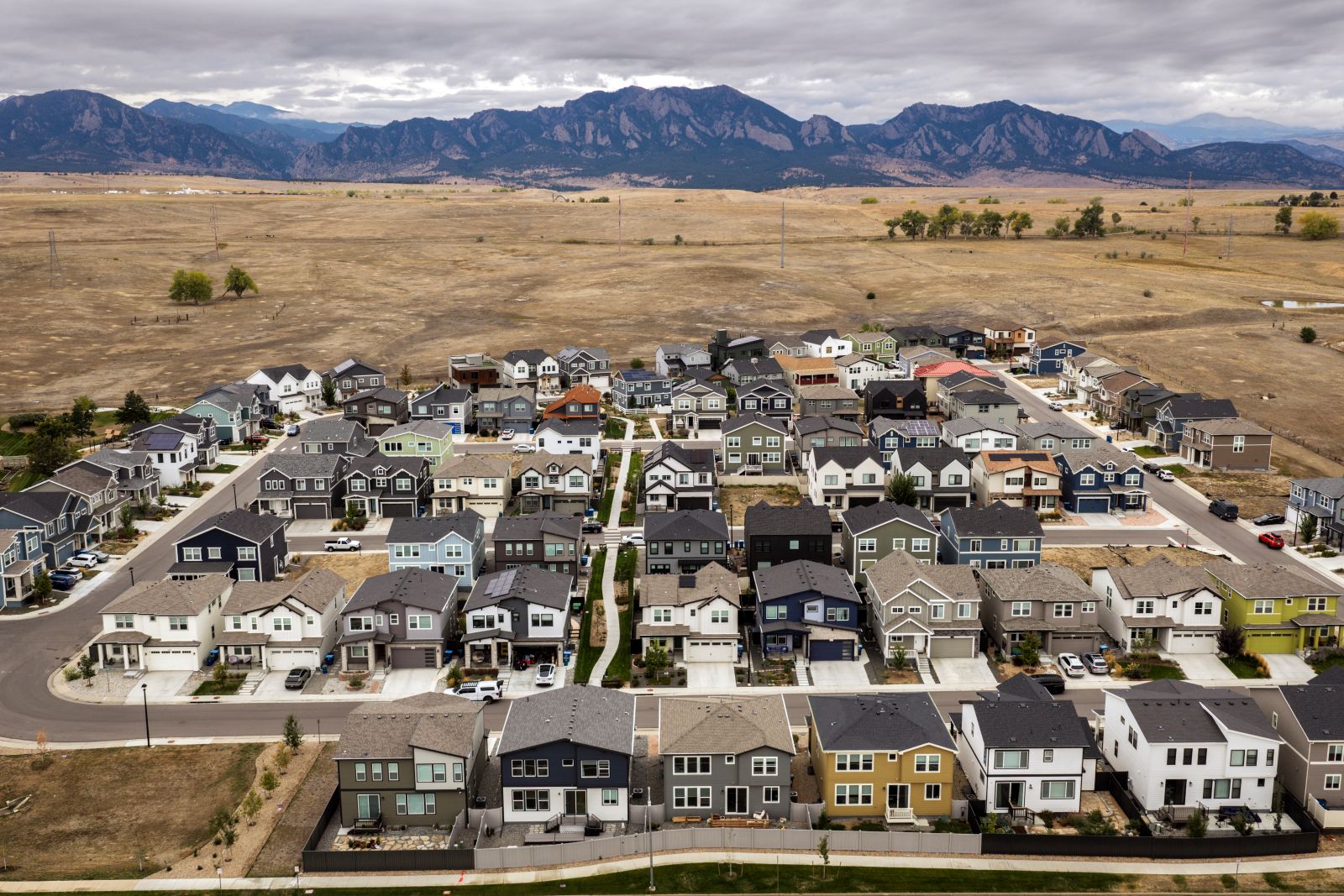
For local governments watching from disaster-stricken regions like Superior and Boulder, Colorado, the stakes are existential. As extreme weather events grow more frequent and destructive, the cost of climate adaptation threatens municipal budgets nationwide. Whether the judiciary will permit local communities to hold the fossil fuel industry financially accountable for the era of climate change, or whether it will shield global energy giants under a blanket of federal preemption, remains one of the most momentous constitutional questions of the decade. The decision, when it arrives, will write a defining chapter in the history of American environmental law.



