Published in partnership with independent sustainability researchers. Updated June 25, 2026.
Executive Overview
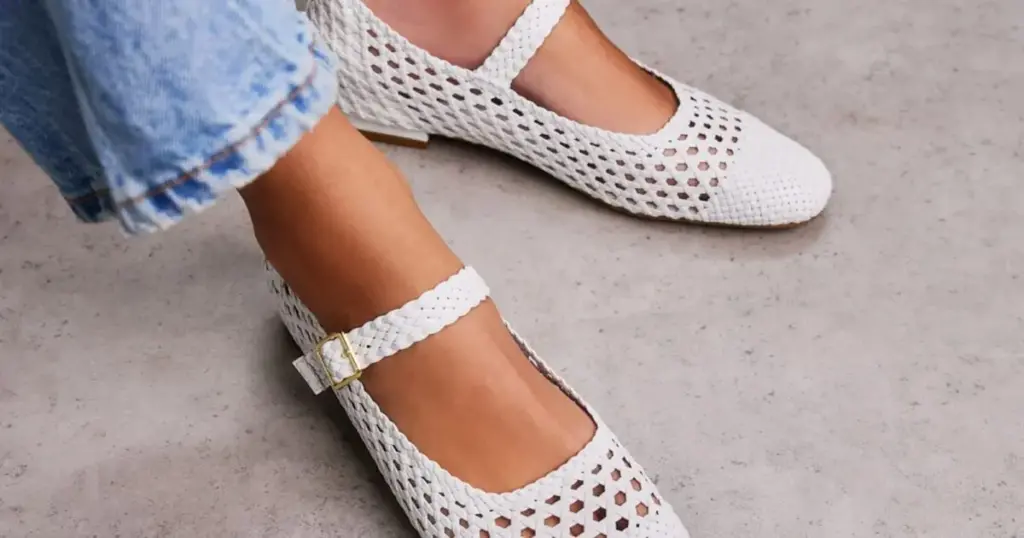
For decades, the flat shoe has occupied a coveted space in the global footwear pantheon. Balancing practicality with understated elegance, silhouettes ranging from classic ballet pumps and unstructured mules to mesh flats and sport-inspired ballet sneakers have become indispensable mainstays of the modern wardrobe. As fashion trends evolve into 2026—highlighted by viral styles like Puma’s Speedcat ballet sneaker and hyper-breathable mesh textures—the demand for flat footwear is surging to unprecedented heights.
Yet, this enduring popularity brings a complex web of environmental and ethical challenges into sharp focus. The footwear industry is notoriously resource-intensive, heavily reliant on virgin leather tanning, petroleum-based synthetics, toxic adhesives, and complex global supply chains that often obscure labor exploitation. For the conscious consumer, finding the ideal pair of flats means navigating a minefield of greenwashing to identify products that are comfortable, long-lasting, visually versatile, and genuinely sustainable.
This comprehensive guide cuts through the marketing noise. Utilizing rigorous data from independent sustainability rating methodologies, we examine what truly makes a flat shoe sustainable—from material innovation and circular design to worker welfare. Furthermore, we highlight six top-rated brands leading the charge in ethical footwear production, offering everything from plant-based vegan leather to low-waste permanent collections.
Detailed Chronology: The Evolution of Conscious Footwear
To understand where sustainable footwear stands in 2026, it is vital to trace how the industry shifted from unchecked mass production to intentional, circular craftsmanship over the past decade.
2016–2018: The Wake-Up Call and the Rise of Transparency
- The Overproduction Crisis: For decades, the fast-fashion calendar dictated that footwear brands release four to six collections a year, flooding the market with cheap, short-lived trends. By the mid-2010s, consumer pushback gained momentum. Independent labels began challenging the status quo by introducing slow-fashion business models.
- Material Experimentation: Early pioneers began exploring alternatives to traditional leather, though many early vegan alternatives relied heavily on virgin polyurethane (PU) and polyvinyl chloride (PVC), which presented their own end-of-life environmental hazards.
2019–2022: Material Innovation and Certification Standards
- Bio-Based Breakthroughs: Labs and designers accelerated the development of bio-based materials derived from agricultural waste—such as apple peels, grape skins, hemp, and corn biopolymers.
- Supply Chain Accountability: Certifications like the Leather Working Group (LWG) became standard benchmarks for brands that still utilized animal products, ensuring traceability, responsible wastewater management, and reduced chemical toxicity in tanneries. Concurrently, fair-trade certifications began taking root in footwear manufacturing regions.
2023–2025: Circularity, Made-to-Order, and the "Slow Footwear" Movement
- Combating Deadstock: Recognizing that inventory waste is one of fashion’s dirtiest secrets, forward-thinking brands transitioned toward made-to-order models and limited-run production.
- The Death of Seasons: The traditional seasonal calendar began to crumble among independent labels, replaced by permanent, year-round collections designed for timeless longevity rather than fleeting micro-trends.
2026: The Modern Landscape of Flat Shoes
- Current Trends Meet Conscientious Craft: Today, trend-driven items—such as mesh flats, hybrid ballet sneakers, and woven mules—coexist with rigorous sustainability metrics. Consumers no longer have to sacrifice personal style for ethical integrity. Platforms like Good On You provide granular, data-backed transparency, allowing shoppers to audit brands instantly before making a purchase.
Supporting Context & Metrics: Decoding Sustainable Flats
When evaluating the sustainability credentials of a flat shoe, consumers must look beyond surface-level marketing claims. Here are the core pillars that define a truly responsible footwear choice.
1. The Material Dilemma: Animal Leather vs. Vegan Alternatives
Footwear presents a unique material challenge because shoes require structural integrity, flexibility, and durability that few materials can naturally provide.
- Traditional Leather: While bovine leather is durable and biodegradable under specific conditions, cattle farming is a primary driver of global deforestation and massive greenhouse gas emissions. Furthermore, traditional chrome-tanning processes release toxic heavy metals into local waterways if not strictly regulated. When purchasing leather shoes, look for certification from the Leather Working Group (LWG) to ensure responsible sourcing.
- Synthetic vs. Bio-Based Vegan Leather: Many vegan shoes are manufactured from fossil-fuel-derived synthetics that take centuries to break down. However, the market has evolved. Brands are increasingly utilizing bio-oil-based materials, recycled natural rubber soles, and agricultural byproducts (like apple, grape, and hemp waste) to create durable, low-impact alternatives.
2. The Power of Secondhand
Even the most sustainably manufactured new pair of shoes carries an environmental footprint. According to textile waste experts, shopping secondhand remains one of the most effective ways to reduce your environmental impact. Platforms like Vinted, eBay, and local thrift boutiques extend the lifecycle of existing garments and keep footwear out of landfills.
3. Production Models: Low-Waste and Made-to-Order
Traditional shoe manufacturing generates significant waste through pattern cutting and unsold inventory. Brands that implement low-waste cutting techniques or operate on a made-to-order basis dramatically reduce their material waste and eliminate the carbon footprint associated with excess warehouse stock.
Spotlight on Top-Rated Ethical Footwear Brands
For those moments when buying new is necessary, we have curated six exceptional brands rated "Good" or "Great" against world-leading fashion sustainability methodologies.
1. Agazi (Poland)
- The Ethic: A champion of innovative plant-based textiles, Agazi is a dedicated vegan footwear brand based in Poland.
- The Craft: Their diverse range spans sneakers, sandals, heels, and classic flat shoes, entirely free of animal-derived materials. Instead, Agazi utilizes cutting-edge alternatives including hemp, apple skin, and grape-based leather substitutes, proving that luxury and sustainability can seamlessly intertwine.
- Explore their directory rating and shop directly via their official site.
2. ESSÄN (Global / Independent)
- The Ethic: Founded in 2016 by Marre Muijs, ESSÄN was born out of a direct rejection of the hyper-consumptive fashion cycle. Muijs noted an industry that "overproduces more than it carefully crafts, chases trends more than it determines classics, and wastes more than it sustains."
- The Craft: Eschewing the traditional seasonal fashion calendar entirely, ESSÄN focuses on a single, permanent collection of meticulously crafted shoes and accessories. By strictly limiting production runs and employing low-waste cutting techniques, they prioritize timeless longevity over fast-fashion obsolescence.
- Check out their sustainability score and browse their permanent collection online.
3. Elk (Melbourne, Australia)
- The Ethic: A pioneer of independent Australian design founded in Melbourne in 2004, Elk has long balanced aesthetic simplicity with structural innovation.
- The Craft: Elk creates thoughtful bi-annual collections guided by a design ethos where minimalism meets environmental responsibility. Available in an inclusive range of AU sizes 6–18, their footwear and accessories are designed with longevity and supply chain transparency at the forefront.
- View Elk’s independent rating and explore their latest designs.
4. Reformation (Los Angeles, USA)
- The Ethic: Based in Los Angeles, Reformation has built a global reputation on creating "killer clothes that don’t kill the environment."
- The Craft: Beyond their viral apparel lines, Reformation applies rigorous sustainability standards to their footwear offerings. The brand is notable for ensuring that a defined proportion of its suppliers pay a living wage and actively providing ongoing training to improve working conditions throughout its extended supply chain. Their ranges are widely accessible in sizes XS–3XL.
- Discover Reformation’s rating breakdown and shop their current collections.
5. Vesica Piscis (Spain)
- The Ethic: Based in Spain, Vesica Piscis is a vegan footwear brand that approaches sustainability from a circular, closed-loop perspective.
- The Craft: The brand utilizes a high proportion of lower-impact, eco-friendly materials, powers its manufacturing facilities with renewable energy, and operates strictly on a made-to-order basis to virtually eliminate deadstock and overproduction waste. Most of their unisex shoes are available in sizes 36–46.
- Read Vesica Piscis’s official rating and browse their made-to-order catalog.
6. Etiko (Australia)
- The Ethic: A gold standard in ethical retail, Australian designer Etiko specializes in organic, fair-trade clothing and footwear.
- The Craft: Etiko consistently sets the bar high for upholding and actively campaigning for the human rights of workers trapped in traditionally exploitative supply chains. Their commitment to fair trade and organic materials makes them a stellar choice for conscious consumers. Clothing is available in AU sizes 8–20, with shoes spanning UK sizes 3–13.
- Check out Etiko’s stellar rating and explore their fair-trade inventory.
Official Statements & Industry Insights
As consumer awareness shifts toward radical transparency, industry leaders and sustainability advocates are calling for structural changes across the global footwear market.
"The future of footwear does not lie in discovering a miraculous new plastic, but in systemic restraint—producing less, utilizing agricultural byproducts intelligently, and respecting the human hands that stitch every pair together."
— Marre Muijs, Founder of ESSÄN
Independent rating bodies like Good On You emphasize that true sustainability requires a holistic approach. Brands cannot rely on a single "eco-friendly" material line while ignoring labor rights or carbon emissions in their manufacturing hubs. The integration of circular business models—such as repair services, take-back schemes, and made-to-order production—is no longer a luxury, but an operational necessity for brands wishing to claim true environmental stewardship.
Future Outlook: What Lies Ahead for Sustainable Footwear
Looking beyond 2026, the trajectory of sustainable flat shoes points toward hyper-local manufacturing, advanced bio-fabrication, and complete supply chain traceability powered by blockchain technology.
- Mainstream Biodegradability: As chemical recycling and advanced mycelium- and plant-based polymers mature, the industry is moving closer to closed-loop shoes that can safely return to the earth or be endlessly recycled into new footwear components without losing structural integrity.
- Legislative Pressures: Governments in the European Union and parts of North America are tightening regulations against greenwashing, forcing brands to substantiate environmental claims with verifiable Life Cycle Assessments (LCAs).
- Consumer-Driven Longevity: The cultural cachet is shifting away from hyper-trendy, single-season disposability. Investing in durable, timeless flats—whether through certified ethical creators like Agazi and ESSÄN or trusted secondhand marketplaces—is becoming the ultimate expression of personal style and ecological responsibility.
For more guidance on conscious purchasing, bookmark our ultimate guide to footwear or search thousands of independently rated brands via the Good On You Directory.