For years, the sustainable travel movement has rallied behind a seemingly straightforward axiom: “Tourism shouldn’t buy offsets—it should just reduce its emissions.” At first glance, this mantra sounds progressive, urgent, and morally unassailable. It taps into a deep, understandable frustration with corporate greenwashing, appealing to a purist vision where businesses completely erase their environmental footprint at the source.
However, this popular refrain profoundly oversimplifies a brutally complex, deeply intertwined global challenge. Carbon offsets are neither a loophole nor an indulgence; they are not an administrative magic trick designed to wipe away ecological guilt, nor are they a license to continue polluting unabated. Rather, they are the necessary, highly technical counterpart to direct operational decarbonization.
The modern travel and hospitality industry faces an existential imperative: it must ruthlessly slash its emissions wherever technology and infrastructure allow, and it must aggressively invest in certified carbon offset projects concurrently.
This dual approach is not about "compensating" for ongoing pollution simply to maintain business-as-usual. Instead, high-integrity offsets are the shock absorbers that accelerate global progress toward net-zero emissions. They deliver real, quantifiable, and verifiable ecological dividends that lay the foundational groundwork for total decarbonization. They pool capital to fund massive, systemic climate solutions that individual hotels, tour operators, and cruise lines could never achieve in isolation. Furthermore, they catalyze emissions reductions far beyond the immediate tourism value chain while physically removing legacy carbon from an overburdened atmosphere.
Even as the sector aggressively adopts electric fleets, retrofits buildings for energy efficiency, and reinvents itineraries, stubborn operational emissions will persist for decades. Far from acting as a mechanism to delay difficult climate action, strategic offsets are the exact tools tourism needs to expand the frontiers of what is ecologically possible.
Detailed Chronology & Evolution of the Travel Industry’s Carbon Dilemma
To understand where sustainable tourism stands today, we must examine the historical trajectory of how the sector has grappled with its climate impact over the past three decades.
Phase 1: Awareness and Voluntary Measures (Late 1990s – 2010s)
In the early days of sustainable tourism, the focus was overwhelmingly localized. Hotels introduced towel-reuse programs, eliminated single-use plastics, and occasionally installed rooftop solar panels. Carbon offsets emerged during this period, often presented to travelers at checkout as an optional "add-on" fee to plant trees and neutralize the footprint of a flight.
Unfortunately, these early iterations often suffered from poor regulatory oversight, ambiguous methodologies, and a lack of rigorous scientific auditing. Many projects failed to deliver on their climate promises, leading to well-earned skepticism from environmental watchdogs. During this era, offsets were frequently misused by corporate entities seeking cheap PR wins rather than deep operational change, cementing the cynical view that offsets were merely a "get-out-of-jail-free" card.
Phase 2: The Decarbonization Push and the "Reduce Only" Backlash (2010s – Early 2020s)
As climate science grew increasingly dire—culminating in the Paris Agreement targets to limit global warming to 1.5°C—the tourism industry faced intense scrutiny. Carbon accounting became more sophisticated, revealing that global tourism accounted for roughly 8% of global greenhouse gas emissions, driven largely by aviation, transport, and energy-intensive hospitality operations.
The reaction from climate advocates was swift and uncompromising: focus strictly on decarbonization. Offsets were broadly dismissed as a dangerous distraction that allowed heavy-emitting industries to buy their way out of transformation. While this hardline stance successfully forced companies to prioritize energy efficiency, fleet electrification, and supply chain overhauls, it created a dangerous policy blind spot: it ignored the inescapable physical and technological limitations of rapid decarbonization in complex sectors like aviation and long-haul transport.
Phase 3: The Modern Synthesis—Decarbonization Plus High-Integrity Offsets (Present Day)
Today, climate scientists, economists, and sustainable travel pioneers are forging a more pragmatic, mature consensus. The realization has taken hold that direct emissions cuts and carbon offsets are not mutually exclusive strategies fighting for dominance; they are two halves of the same climate equation.
Modern offset mechanisms have evolved lightyears beyond the rudimentary tree-planting schemes of the past. Today’s projects utilize advanced satellite monitoring, rigorous third-party verification standards (such as Verra and Gold Standard), and deep community integration. They address systemic failures at the grid level, protect threatened ecosystems from total collapse, and fund pioneering carbon-removal technologies. Tourism is now entering an era where offsets are no longer viewed as a moral palliative, but as a hard-headed financial and ecological investment required to bridge the gap between our current carbon reality and a net-zero future.
Supporting Context & Metrics: Three Pillars of Indispensable Offset Action
To grasp why the travel sector cannot abandon offsets, one must analyze the specific, systemic bottlenecks that individual businesses cannot overcome on their own. Three major areas highlight how offsets achieve what direct operational changes cannot.
1. Decarbonizing Energy and Transportation at Scale
The Challenge
The tourism industry relies heavily on national power grids that remain stubbornly dependent on fossil fuels. As the sector shifts toward electrified transportation—such as electric tour buses, hybrid ferries, and hotel fleets—this reliance on grid electricity will skyrocket. While decarbonizing those grids is an absolute prerequisite for a green transition, individual tourism businesses have virtually zero control over national energy infrastructure.
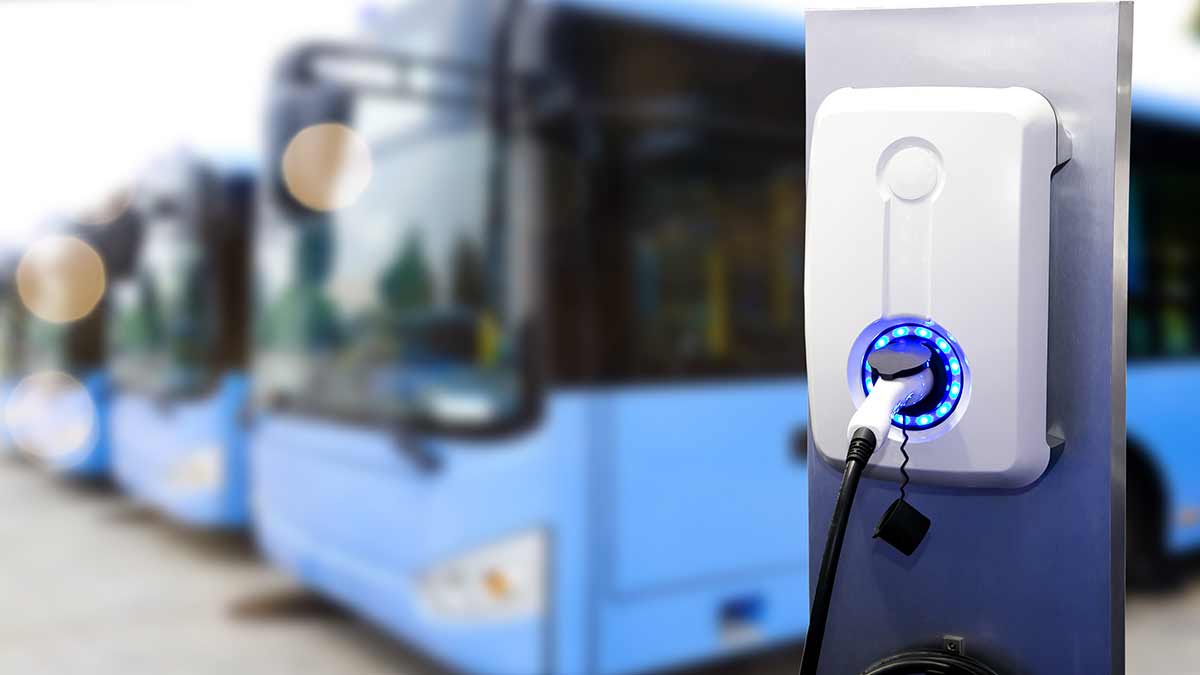
An individual tour operator can replace its diesel-powered fleet with cutting-edge electric buses. However, if those vehicles are plugged into a grid powered by coal or natural gas, the emissions have not actually disappeared; they have simply migrated from the tailpipe of the bus to the smokestack of the power plant. Electric transport only delivers genuine climate benefits when the electricity fueling it originates from clean sources.
Furthermore, while installing rooftop solar panels on a hotel roof is commendable, most hospitality businesses operate in leased buildings, face severe structural limitations, or lack the massive capital and technical expertise required to build utility-scale renewable energy systems.
Why We Need Offsets
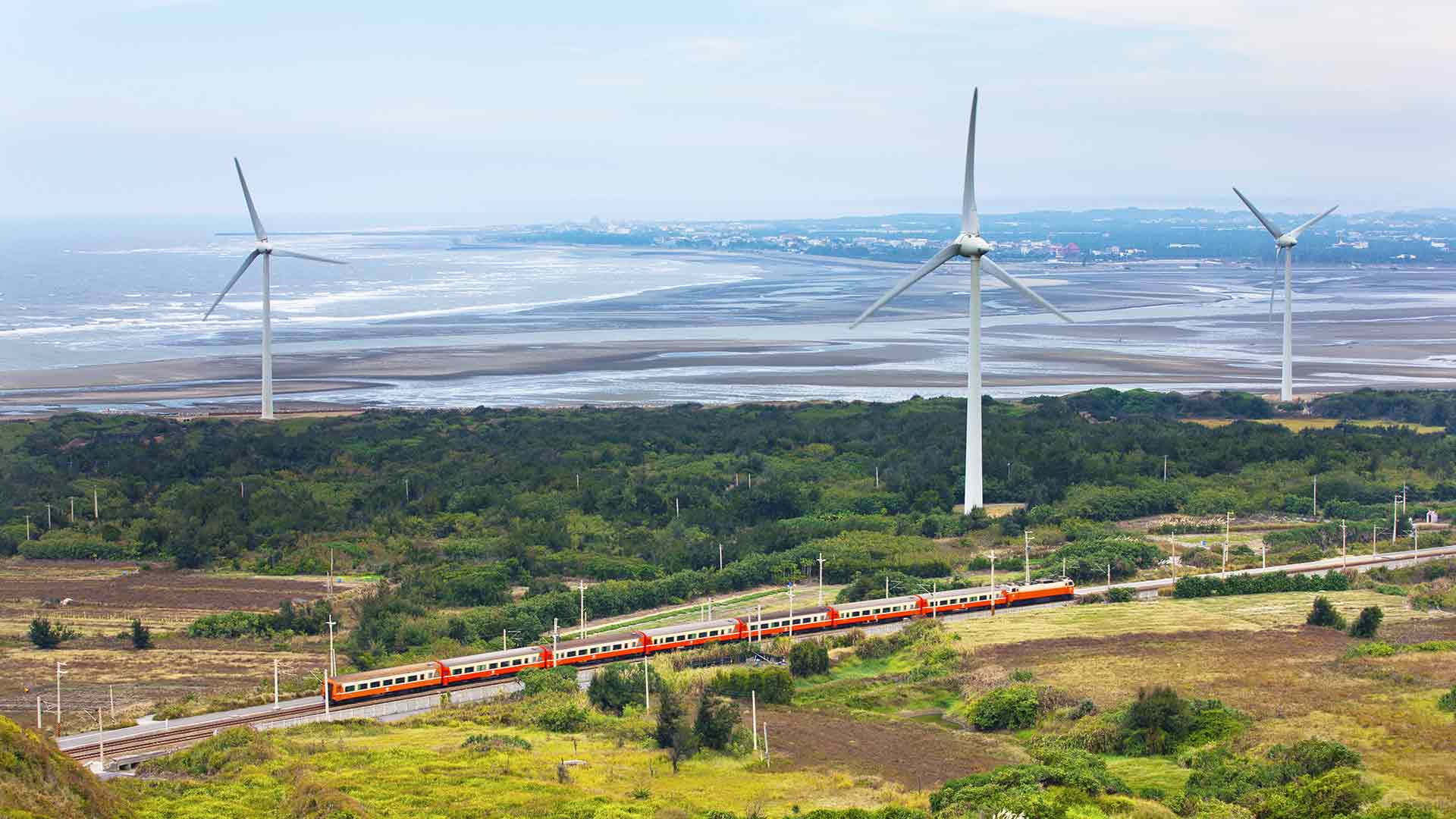
Energy offset projects pool global funding into verified renewable developments—such as utility-scale solar farms, wind arrays, biogas plants, and hydroelectric facilities—that actively displace fossil-fuel generation at the grid level.
According to experts at the International Renewable Energy Agency (IRENA), global renewable energy generation capacity must triple by 2030 to support widespread electrification across transport, buildings, and industry. Offsets channel capital directly into these large-scale regional overhauls, making them infinitely more cost-effective and impactful than isolated on-site property upgrades.
2. Protecting Nature Under Threat
The Challenge
Deforestation and land degradation release staggering quantities of carbon dioxide into the atmosphere. Tragically, many of the rich, biodiverse ecosystems that global tourism depends on—from tropical rainforests sheltering endangered wildlife to coastal mangroves protecting coral reefs—are facing unprecedented threats.
Paradoxically, tourism itself contributes to these pressures through indirect supply chains. Ingredients like palm oil, soy, and beef featured on restaurant menus, alongside timber and wood products used in resort construction, are among the primary global drivers of forest loss. In coastal regions, decades of poorly planned tourism development have cleared vital mangroves and wetlands to build beachfront resorts, effectively destroying the natural storm barriers that protect vulnerable coastal communities.
Why We Need Offsets
Most tourism enterprises do not own, manage, or possess the legal authority over the vast natural landscapes they rely upon for marketing and guest experiences. While a few elite ecolodges manage private reserves, this is financially prohibitive for the vast majority of operators. Even government-managed protected areas are frequently vulnerable; for instance, Cambodia’s Snoul Wildlife Sanctuary lost nearly all of its dense forest cover in just 15 years due to illegal logging and agricultural encroachment.
To prevent such environmental catastrophes, initiatives like the Keo Seima carbon offset project were established to reinforce the protection of adjacent wildlife sanctuaries. High-quality carbon offset projects are designed by conservation specialists in close partnership with Indigenous peoples and local communities. They undergo rigorous third-party auditing—with design documentation often running to hundreds of pages—and utilize satellite imagery and community patrols to ensure continuous ecological protection.
It would require astronomical research, legal maneuvering, and technical capacity for an individual hotel group or even a national government to achieve this level of rigorous, permanent conservation on its own.
3. Bridging the Gap for Unavoidable Emissions
The Challenge
Even the most aggressive, well-funded corporate climate strategies hit a hard technological ceiling. Every tourism business should measure its footprint and slash operational emissions, but those reductions take time and cannot eliminate 100% of emissions overnight. Long-haul flights, massive cruise ships, and heavy transport vehicles remain among the most stubborn, hard-to-abate sources of greenhouse gases.
Global climate mandates call for net-zero emissions by 2050. Crucially, "net zero" does not mean every single molecule of emissions is magically eradicated; rather, it means reducing emissions as close to zero as technically possible—typically leaving a residual 5% to 10% of emissions still being generated—and neutralizing the remainder.
Consider aviation, which forms the lifeblood of international travel. Sustainable Aviation Fuel (SAF) is widely touted as the most promising near-term solution, yet it can only reduce lifecycle emissions by a maximum of 80% at best, and current global supplies remain severely limited and prohibitively expensive. Revolutionary propulsion technologies, such as hydrogen-powered or fully electric commercial aircraft, are decades away from widespread deployment. Conservative industry forecasts suggest that approximately 30% of commercial aviation emissions will persist unabated by 2050.
While travelers are increasingly encouraged to take trains instead of planes, rail infrastructure is deeply uneven. In many parts of the world, intercity rail networks are primitive or entirely nonexistent. Furthermore, pitching train travel as a universal fix ignores profound climate justice implications. Restricting tourism strictly to regional, wealthy domestic markets would devastate developing nations—such as small island states—that rely heavily on long-haul international visitors for their economic survival, despite having contributed negligibly to the historical climate crisis.
Why We Need Offsets
Offsets allow the tourism industry to take immediate, highly accountable climate action on these unavoidable, hard-to-abate emissions right now. They direct critical funding to projects that prevent or remove emissions elsewhere—such as protecting endangered forests or expanding clean energy access—while the technology catches up. Even if these reductions occur outside tourism’s direct value chain, they achieve the identical atmospheric outcome: lowering the total volume of greenhouse gases blanketing the planet.
Official Statements & Expert Insights
Industry leaders and international environmental bodies have increasingly spoken out regarding the nuanced, irreplaceable role of carbon offsets within the broader climate architecture.
"Offsets aren’t a loophole or an excuse. They’re a necessary counterpart to decarbonization. The industry must reduce emissions wherever possible and invest in carbon offsets as it does so."
— Sustainable Travel International
Highlighting the stark realities of commercial aviation and technological lag, energy analysts emphasize that transitions cannot be rushed artificially without causing catastrophic economic damage to vulnerable communities:
"Low-lying islands like the Maldives already bear the brunt of climate change, facing the very real risk of being submerged by the end of the century. With tourism generating nearly half of the country’s revenue, simplistic calls to stop flying altogether only add an unfair, economically devastating burden to populations least equipped to absorb it."
— World Bank Climate Adaptation Reports
Furthermore, conservation authorities underscore the sheer administrative and financial scale required to protect complex ecosystems—a scale that individual travel businesses could never replicate independently:
"High-quality carbon offset projects take a holistic approach that tackles the root causes of deforestation—enhancing land-use zoning, reducing poverty, supporting sustainable agriculture, and creating viable local livelihoods that ease the human pressure on fragile forests."
— Everland Conservation Specialists
Future Outlook: Cleaning Up the Atmosphere and the Path Forward
Looking toward the horizon, the global climate crisis demands a fundamental shift in how we perceive carbon management. The challenge is no longer just about stopping new emissions; it is about actively cleaning up the atmospheric mess we have already created.
Scientific consensus reveals a sobering truth: even if the global economy halted all carbon emissions instantaneously today, there remains a 42% probability that the planet will temporarily surpass the dangerous threshold of 1.5°C of warming within the next decade, purely due to the massive buildup of historical greenhouse gases already trapped in the atmosphere.
Because individual tourism operators cannot directly vacuum carbon out of the sky themselves, certified offsets represent the essential financial bridge to atmospheric cleanup. Modern carbon offset portfolios increasingly incorporate innovative carbon removal technologies—such as enhanced rock weathering, biochar production, soil carbon sequestration, and direct air capture (DAC)—which extract CO₂ from the air and store it safely for centuries or millennia.
The Bottom Line for the Future of Travel
It is easy to reflexively dismiss carbon offsets as "greenwashing" without investigating the complex ecological and economic mechanics operating on the ground. However, that superficial narrative ignores the transformative conservation, renewable energy buildouts, and community-empowering projects happening worldwide, and it risks slowing genuine climate momentum.
Tourism cannot electrify commercial fleets overnight, nor can it redesign national power grids single-handedly. But through strategic, high-integrity carbon investments, the industry can act as a powerful catalyst for systemic change. Offsets are not a license to pollute; they are a vital investment in planetary progress that makes decarbonization achievable, accelerating our collective journey toward a truly sustainable, net-zero future.