The transition to zero-emission transportation has long wrestled with an inconvenient paradox: while electric vehicles (EVs) effectively eliminate tailpipe emissions, the manufacturing of their lithium-ion battery packs carries a heavy environmental footprint. Furthermore, the automotive industry faces an impending tidal wave of retired vehicle batteries. When a battery’s capacity degrades to the point where it can no longer deliver the rigorous range and acceleration required for daily driving, it is typically routed directly to recycling facilities. While recycling is a necessary final step, it is an energy-intensive process that recovers raw materials for new cells, temporarily bypassing a vast reservoir of remaining, highly functional energy capacity.
Autonomous driving pioneer Waymo and battery repurposing innovator B2U Storage Solutions are challenging this traditional linear lifecycle. In a strategic partnership announced in mid-2026, the two companies are establishing a pioneering second-life pipeline that intercepts retired EV battery packs from Waymo’s commercial autonomous robotaxi fleet. Instead of heading straight to the shredder or chemical bath, these used battery packs are being repurposed into grid-connected energy storage systems deployed across California and Texas.
This initiative addresses two critical, intersecting challenges of the modern energy landscape: the escalating demand for grid stabilization amidst surging power consumption, and the imperative to maximize the circular economy of critical minerals. By integrating thousands of retired transport batteries into stationary energy storage systems, Waymo and B2U are unlocking millions of kilowatt-hours of cheap, flexible capacity. This approach defers the carbon-heavy recycling process, stabilizes regional power grids characterized by high renewable penetration, and redefines how technology companies approach sustainability across their operational lifecycles.
Detailed Chronology: From Autonomous Asphalt to Grid Stabilization
The journey toward this collaboration is rooted in the maturation of commercial autonomous ride-hailing and the rapid evolution of stationary energy storage technology.
The Evolution of Waymo’s Fleet Footprint
Over the past decade, Waymo has scaled its autonomous driving operations from experimental test tracks to dense urban environments, including San Francisco, Phoenix, Los Angeles, and Austin. Operating a continuous fleet of all-electric robotaxis places extraordinary demands on energy hardware. Unlike personal vehicles that sit idle for upward of 95% of their lifespans, commercial robotaxis operate nearly continuously, undergoing countless charge-and-discharge cycles. Consequently, Waymo’s fleet cycles through battery degradation curves much faster than standard consumer EVs.
As Waymo’s footprint expanded, the company accumulated a predictable supply of retired battery packs. Recognizing the corporate and environmental imperative to manage these assets responsibly, Waymo’s sustainability division began investigating alternatives to immediate recycling.
The Rise of B2U Storage Solutions
Concurrently, B2U Storage Solutions was perfecting its proprietary technology designed to manage used lithium-ion batteries without requiring complex, costly disassembly at the cell or module level. Traditional second-life applications often required dismantling battery packs, testing individual modules, and reassembling them into custom configurations—a labor-intensive and financially prohibitive hurdle.
B2U engineered systems that can accept entire, intact retired EV battery packs, integrating them directly into utility-scale storage architecture with advanced software management. This technological leap dramatically reduced the friction and cost associated with second-life deployment.
The Partnership Takes Shape
Discussions between Waymo and B2U culminated in a formal agreement targeting two of the most dynamic energy markets in the United States: California and Texas. Both states feature heavy concentrations of Waymo’s operational footprints and face distinct grid management challenges. California boasts massive solar generation capacity alongside high evening peak demand, while Texas features an isolated, highly stressed grid (ERCOT) that experiences severe weather volatility and rapid load growth driven by data centers and electrification.
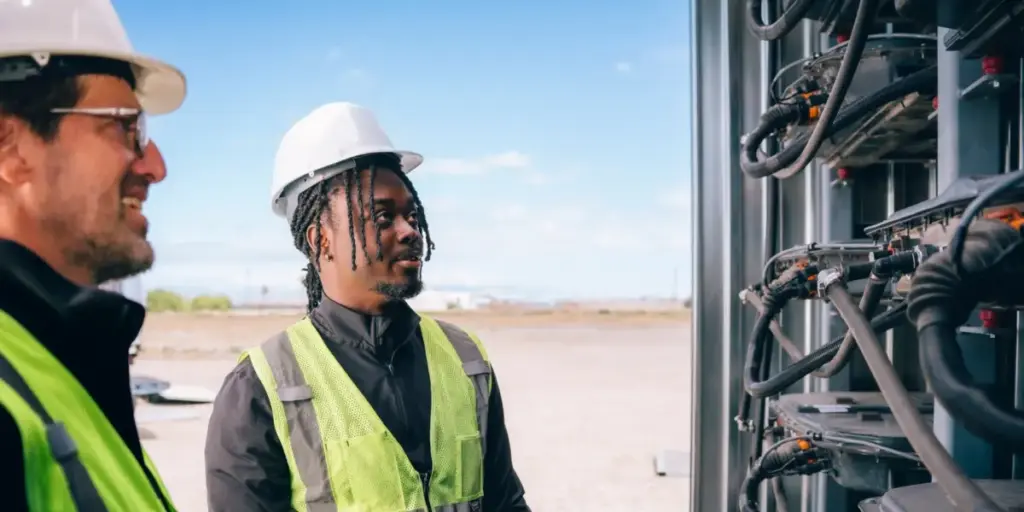
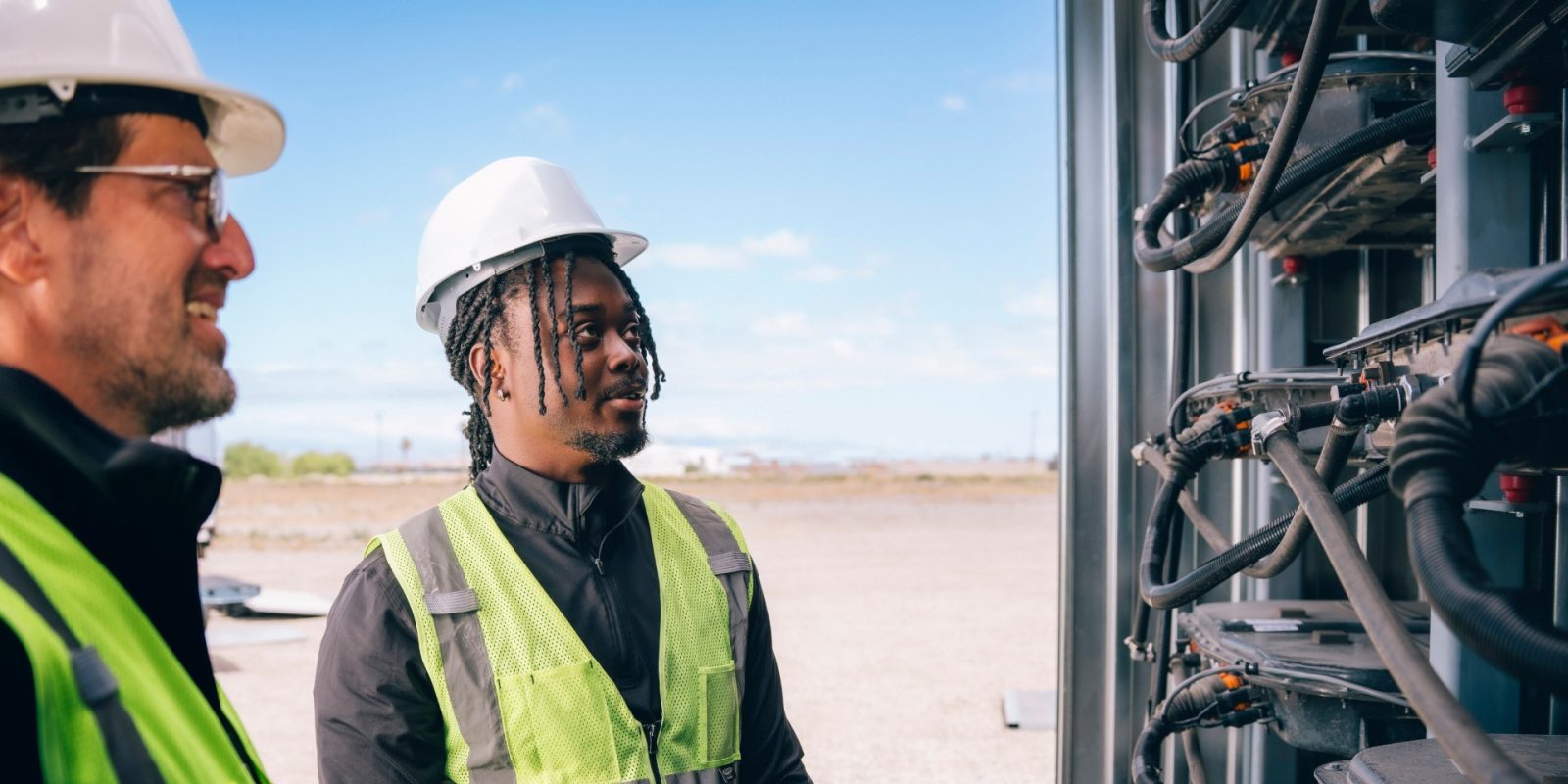
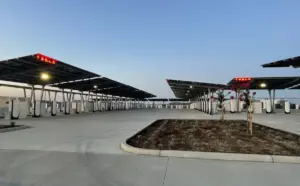
In Lancaster, California, and select sites across Texas, joint engineering teams began inspecting and integrating retired Waymo battery packs into B2U’s grid-connected storage network. By mid-2026, the partnership transformed from a conceptual pilot into a scalable infrastructure model, signaling a new standard for corporate sustainability in the autonomous vehicle sector.
Supporting Context & Metrics: The Mechanics of Second-Life Storage
To understand the profound impact of the Waymo-B2U partnership, one must examine the operational physics of lithium-ion batteries and the economics of grid-scale energy storage.
The Battery Degradation Threshold
An EV battery is typically considered "retired" from automotive use when its total usable capacity drops to roughly 70% to 80% of its original factory specification. In a passenger car or robotaxi, this degradation translates to a reduced driving range, prompting replacement.
However, retaining 70% to 80% of a massive battery pack’s capacity is far from useless. In a stationary environment—where the battery remains stationary on a concrete pad, connected to a climate-controlled enclosure and managed by sophisticated software—that remaining capacity represents hundreds of thousands of kilowatt-hours of storage potential.
Alleviating the "Duck Curve" and Grid Stress
In regions like California, the electrical grid struggles with the notorious "Duck Curve." During midday hours, an overabundance of solar generation floods the grid, driving net load down. As the sun sets and solar generation plummets, electricity demand spikes concurrently. Traditional fossil-fuel peaker plants must ramp up rapidly to bridge the gap, leading to high costs and carbon emissions.
Stationary battery storage systems built from repurposed Waymo robotaxi batteries act as regional sponges. During peak solar hours, these systems absorb excess renewable energy, storing it efficiently. When evening demand peaks, they discharge that clean energy back into the local community, flattening the demand curve and displacing the need for fossil-fuel generation.
Economic and Environmental Advantages
Capital Expenditure Reduction: Building energy storage systems from newly manufactured battery cells requires vast amounts of mined lithium, cobalt, nickel, and manganese. By utilizing repurposed automotive batteries, B2U significantly lowers the capital expenditure required to deploy storage capacity.
Emissions Deferral: Recycling lithium-ion batteries requires pyrometallurgical or hydrometallurgical processes that consume substantial energy and generate emissions. Extending a battery’s operational lifespan by five to ten years in a stationary application delays these processes, effectively amortizing the initial manufacturing carbon footprint over a much longer period.
Circular Economy Scalability: As millions of EVs approach the end of their driving lifecycles over the next decade, secondary markets will be flooded with retired packs. Partnerships like Waymo and B2U’s establish the necessary infrastructure and regulatory pathways to absorb this volume seamlessly.
Official Statements and Industry Perspectives
Leadership from both companies emphasized the strategic, economic, and environmental alignment driving the initiative.
Freeman Hall, CEO of B2U Storage Solutions, underscored the commercial and grid-stabilization benefits of the collaboration:
"By extending the use of these batteries as grid storage, we are monetizing the full potential of EV batteries, now providing crucial stability to the power grid as energy demand continues to grow. This partnership proves that the economic and environmental lifecycle of an electric vehicle does not end when it leaves the road."
Adam Lenz, Head of Sustainability and Environment at Waymo, highlighted the holistic corporate responsibility framework guiding the autonomous vehicle leader:
"Through this partnership, we can repurpose our batteries for local grid storage and ensure our batteries continue to provide economic and environmental value to the community long after they’ve retired from the road. It represents a vital step forward in closing the loop on our hardware footprint."
Industry analysts note that as regulatory scrutiny intensifies regarding corporate supply chains and end-of-life waste management, partnerships of this nature will shift from being optional public relations highlights to essential compliance and operational strategies.
Future Outlook: Scaling the Second-Life Economy
The collaboration between Waymo and B2U Storage Solutions points toward a transformative future for energy and transportation infrastructure, yet it also highlights several challenges that must be navigated as the model scales.
Regulatory and Logistical Horizons
As thousands of retired EV batteries transition from transportation to the power sector, regulatory frameworks governing battery transport, insurance, and secondary market certification will need to evolve. Standardizing testing protocols to quickly assess the health and safety of incoming packs will be critical for maintaining rapid deployment velocities.
Expanding Geographic and Technological Scope
While California and Texas serve as the initial deployment battlegrounds due to their progressive energy markets and existing Waymo operations, the framework is inherently scalable. As Waymo expands its autonomous ride-hailing services to additional cities and states, parallel second-life storage infrastructure can be established locally, minimizing long-distance transportation costs for heavy battery packs.
Furthermore, advancements in artificial intelligence and predictive battery management software will allow operators to squeeze even greater efficiency out of degraded cells. Machine learning algorithms can dynamically adjust charge and discharge rates based on the unique electrochemical wear profiles of individual packs, maximizing their stationary lifespan before they finally meet the recycler’s shredder.
Conclusion
The convergence of autonomous transportation and grid-scale energy storage marks a mature phase in the clean energy transition. By refusing to treat retired robotaxi batteries as waste, Waymo and B2U Storage Solutions have established a blueprint for industrial circularity. In doing so, they are not only keeping valuable critical minerals out of landfills longer but also injecting vital resiliency into power grids bracing for an electrified future.