

Executive Overview
The waste and recycling sector is undergoing a profound transformation. As municipal solid waste (MSW) compositions shift and environmental regulations grow increasingly stringent, equipment providers are no longer able to rely on a single line of machinery to meet the demands of modern facilities. Against this backdrop, Viably—formerly known as Komptech Americas—is aggressively expanding its operational footprint. Under the leadership of CEO Brandon Lapsys, the company is pivoting from a regional equipment distributor into a comprehensive, end-to-end technology platform for organic waste and recycling infrastructure.
The cornerstone of this strategic evolution is Viably’s recent acquisition of Harp, an innovative Irish digester manufacturing company. This strategic deal brings advanced aerobic digestion technology into Viably’s growing ecosystem, complementing its existing portfolio of food waste depackagers, windrow turners, and construction and demolition (C&D) recycling systems.
By integrating Harp’s rapid, modular digestion units, Viably is positioning itself to capitalize on the booming North American organics market. Driven by state-level landfill bans, corporate sustainability mandates, and a growing emphasis on circular economy practices, the demand for versatile waste management solutions has never been higher. This article explores the strategic dimensions of the Harp acquisition, the mechanical and operational capabilities of the technology, the macroeconomic tailwinds accelerating North America’s organics sector, and Viably’s ambitious roadmap for future growth and acquisitions as it heads toward 2027 and beyond.
Detailed Chronology: From Komptech Americas to Viably
To understand the strategic significance of the Harp acquisition, it is necessary to examine the corporate trajectory that led Viably to this juncture. For years, the company operated primarily as the North American arm of Komptech, a globally recognized manufacturer of environmental equipment for mechanical and biological waste treatment. Operating as Komptech Americas, the firm built a formidable reputation, ultimately installing Komptech machinery at more than 800 sites across the United States and Canada.
However, the waste management landscape was evolving faster than single-brand distributorships could accommodate. Recognizing that facility operators and waste haulers increasingly required multi-manufacturer solutions, customized engineering, and stationary plant design capabilities, the leadership team initiated a major corporate overhaul.
The 2023 Rebrand and Strategic Pivot
In 2023, Komptech Americas officially rebranded as Viably. While the company maintained its vital status as the master distributor for Komptech technology in North America—preserving a cornerstone of its revenue and installed base—the rebrand signaled a fundamental shift in business model.
The transition to Viably was designed to unshackle the organization from brand exclusivity. As Viably, the company unlocked the organizational agility needed to:
- Distribute equipment from a diverse array of global manufacturers.
- Execute strategic mergers and acquisitions (M&A) to capture new product categories.
- Design, engineer, and build proprietary in-house product lines.
- Provide advanced design and installation capabilities for complex, stationary recycling and waste-processing plants.
The Harp Acquisition: Expanding the Platform
With its new operational freedom, Viably began evaluating technologies that could fill critical gaps in its portfolio, particularly within the rapidly growing organics and food waste sectors. This search culminated in the acquisition of Harp, an established Irish engineering firm specializing in modular aerobic digesters.
The integration of Harp represents Viably’s first major acquisition post-rebrand. By absorbing Harp’s intellectual property, manufacturing expertise, and legacy customer base across Ireland, central Europe, the United Kingdom, and Australia, Viably has instantly transformed from a regional distributor into an international technology owner. According to CEO Brandon Lapsys, this deal serves as the opening salvo in a broader campaign to scale up Viably’s platform offerings through 2027 and beyond.
Supporting Context & Metrics: Inside Harp’s Aerobic Digestion Technology
The core asset in Viably’s recent transaction is Harp’s line of rapid aerobic digesters. Unlike traditional anaerobic digestion facilities—which typically require massive capital outlays, extensive permitting timelines, and multi-week processing cycles to produce biogas—Harp’s systems take a different approach tailored to decentralization and speed.
Mechanics and Performance Metrics
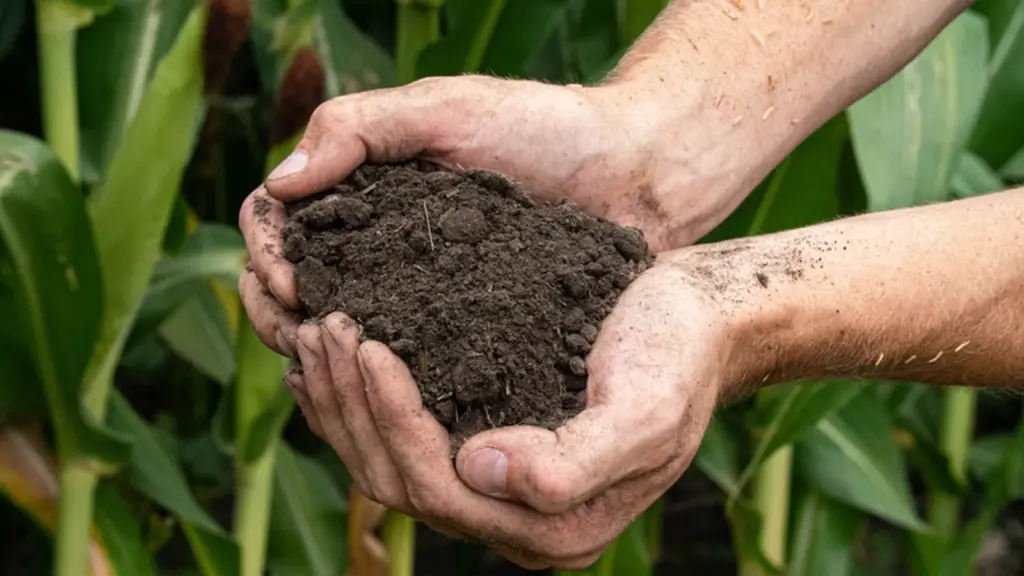
Harp digesters utilize an accelerated aerobic decomposition process to transform raw organic material into a stable, nutrient-rich soil amendment in just 24 hours. This rapid turnaround is achieved through precise environmental control within a fully enclosed, modular vessel.
- Scalability and Capacity: The modular design of Harp’s systems allows them to scale seamlessly to match the generator’s volume.
- Smallest Systems: Capable of handling roughly 250 pounds of organic material per day.
- Largest Systems: Engineered to process up to 20,000 pounds (10 tons) of material per day.
- Diverse Deployment Footprints: Because of their modularity and rapid processing capabilities, Harp units have been successfully deployed across a wide range of commercial, municipal, and institutional environments. These include corporate campuses, zoos, hospitals, universities, and industrial rendering plants.
Complementing the Existing Portfolio
The addition of Harp digesters creates powerful operational synergies with Viably’s existing equipment lines. Viably’s historical portfolio includes heavy-duty machinery such as:
- Turbo Separator Food Waste Depackagers: Highly efficient units designed to extract organic material from packaged food waste, separating packaging plastics and metals from the wet organic fraction.
- Windrow Turning Machines: Heavy machinery utilized by large-scale commercial composters to aerate and manage outdoor organic piles.
- C&D and Recycling Processing Equipment: Advanced screening, sorting, and separation systems utilized by materials recovery facilities (MRFs).
By pairing Harp’s aerobic digesters with Turbo Separator depackaging units on the front end, Viably can offer a complete, closed-loop solution for complex food waste streams. Furthermore, by incorporating advanced screening and cleaning equipment on the back end, facilities can ensure that the final soil amendment is entirely free of micro-contaminants such as glass, film plastic, and metals.
Official Statements and Industry Insights: Navigating the Organics Landscape
The North American organics market is experiencing a structural expansion. Driven by a patchwork of state-level legislation—such as mandatory organic waste diversion laws in California, Washington, New York, and Massachusetts—generators are actively seeking reliable technologies to keep food waste out of landfills.

The Myth of the "Silver Bullet"
According to Viably CEO Brandon Lapsys, the complexity of modern waste streams means that a one-size-fits-all approach is doomed to fail. Facility operators need a toolkit of varied solutions.
"We’ve seen the market demand more and more solutions of all shapes and sizes when it comes to food waste and organics," Lapsys noted. "There is no silver bullet."
This philosophy informs Viably’s strategy of building an integrated platform. By offering everything from depackagers and compost turners to rapid aerobic digesters, Viably can tailor solutions to the specific economic, spatial, and regulatory constraints of each customer.
Tackling Municipal Solid Waste (MSW)
One of the most promising growth vectors for Viably involves the processing of complex Municipal Solid Waste (MSW) streams. Lapsys highlighted a massive surge in market interest regarding integrated MSW processing plants over the past 24 months.
"We have in the last 24 months had more inquiries for MSW processing plants than we’ve ever had, and most MSW waste streams have 20 to 30 plus percent organics," Lapsys said.
Traditionally, capturing organics from raw MSW has been hindered by high contamination rates. However, by deploying Viably’s integrated facilities—which combine front-end pre-treatment, sorting, mechanical separation, and back-end digestion or composting—operators can successfully extract clean organic fractions from dirty waste streams, significantly reducing landfill reliance.
Innovative Hauler Partnerships
Beyond stationary plant designs, Viably is actively exploring novel partnership models with major waste haulers. Under this proposed framework, decentralized Harp machines would be deployed directly to large commercial generators (such as corporate campuses, universities, and food manufacturers). Instead of transporting heavy, wet, raw organic waste long distances to centralized processing facilities, major haulers could collect the pre-processed, stabilized output from the on-site digesters. This dramatically reduces transportation costs, lowers carbon emissions associated with fleet logistics, and streamlines the supply chain for circular agricultural products.

Future Outlook: The Road to 2027 and Beyond
The acquisition of Harp is merely the first visible milestone in Viably’s aggressive long-term growth strategy. Having successfully executed its corporate rebrand in 2023 and established a diversified equipment ecosystem, the company is now looking toward rapid scaling.
Five-Year Growth Targets
Lapsys and the Viably executive team have set ambitious targets for the newly acquired digester technology. Over the next five years, Viably aims to triple or quadruple the number of deployed Harp units across North America and international markets. Achieving this goal will require leveraging Viably’s established distribution network, expanding direct sales efforts, and capitalizing on tightening state-level organic waste mandates.
A Robust M&A Pipeline
Importantly, Viably views the Harp transaction not as an isolated event, but as a blueprint for future corporate development. The company is actively evaluating additional mergers, acquisitions, and strategic partnerships to further broaden its technology stack.
"We saw a lot of our customers asking for more, needing more," Lapsys reflected. "We have a number of other exciting opportunities and forthcoming transactions in the hopper in 2027."
Conclusion: Redefining Resource Recovery
As the waste and recycling industry marches toward a zero-waste future, equipment providers must evolve from simple machinery vendors into holistic technology partners. Through its calculated evolution from Komptech Americas to Viably, and its strategic acquisition of Harp, the company has positioned itself at the cutting edge of the circular economy.
By bridging the gap between mechanical recycling, food waste depackaging, and rapid aerobic digestion, Viably is equipping facility operators, municipalities, and commercial enterprises with the versatile tools necessary to turn waste liabilities into valuable resources. As new transactions materialize on the horizon for 2027, Viably stands ready to lead the next generation of environmental engineering and organic waste management.



