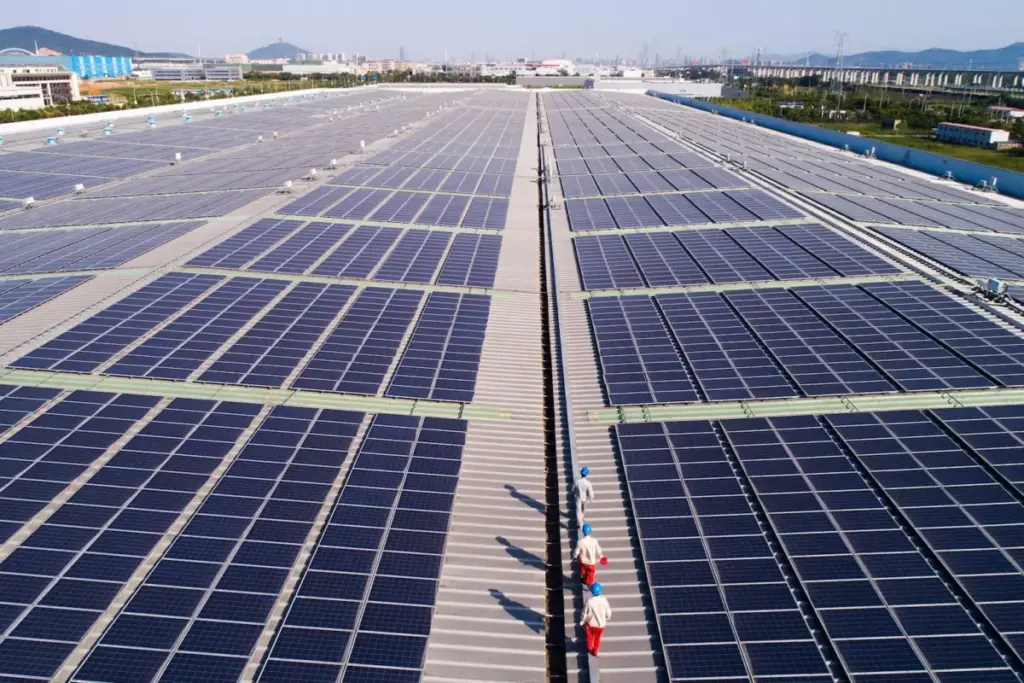
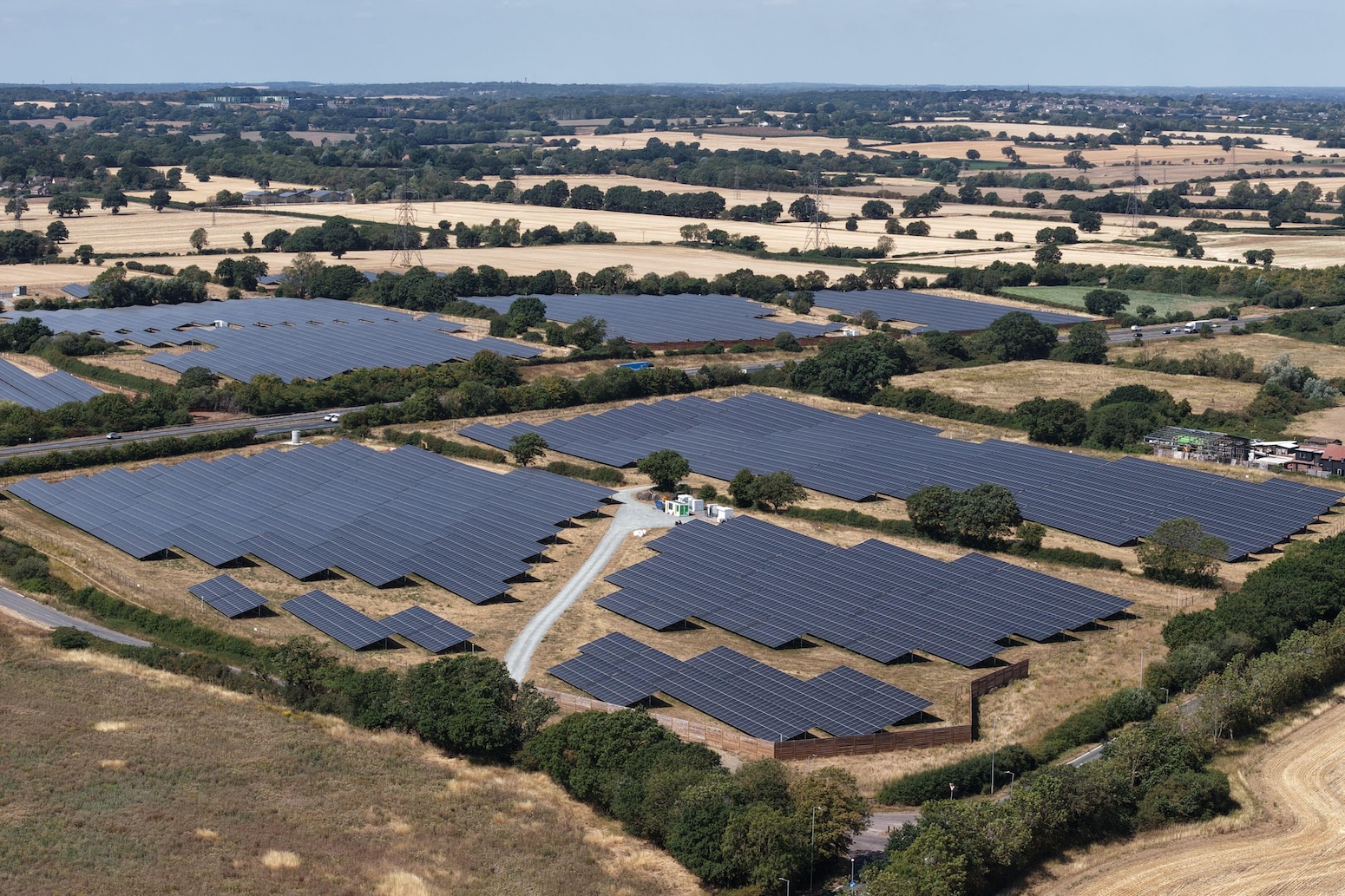
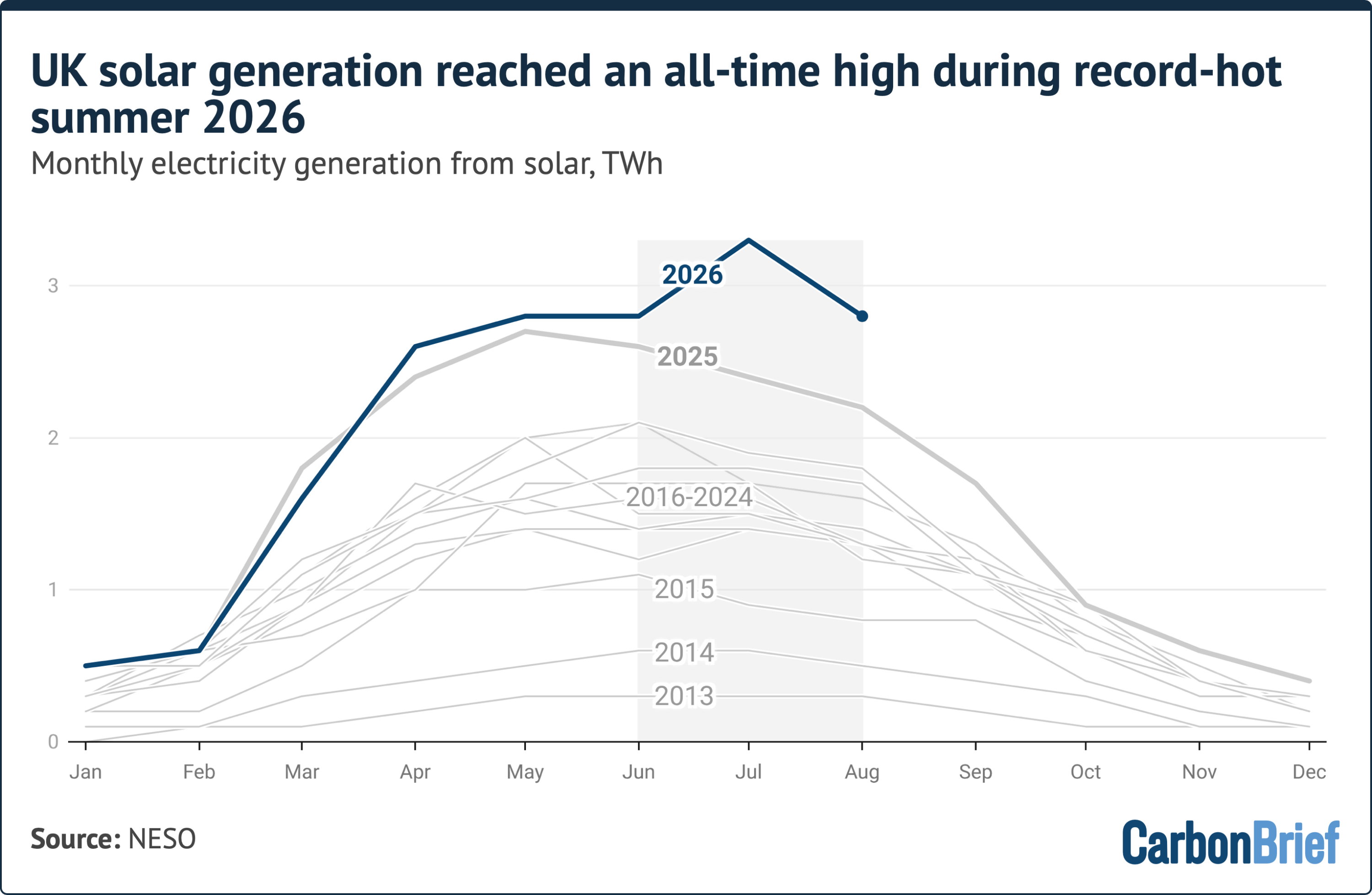
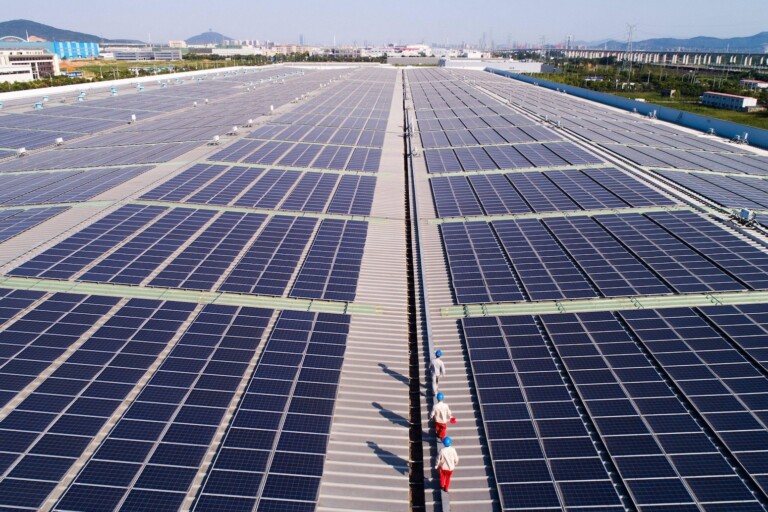
Summer 2026 marked a pivotal milestone in the decarbonization of the United Kingdom’s energy architecture. According to an extensive analysis published by Carbon Brief, solar power generation across Great Britain shattered all previous records between June and August, delivering an unprecedented 8.8 terawatt-hours (TWh) of clean electricity to the grid. Fueled by persistent heatwaves, clear skies, and a record-breaking pace of photovoltaic (PV) deployment, solar energy emerged as a vital pillar of the nation’s energy security during a period of extreme climate disruption.
The summer’s solar output represents a stark 23% increase compared to the same period in 2025, and effectively doubles the volumes generated during the summer of 2021. This surge was anchored by a landmark performance in July, when solar farms and domestic rooftops generated 3.3 TWh—the highest output ever recorded in a single calendar month—supplying 15% of Great Britain’s total electricity demand.
Beyond its environmental significance, this solar boom played a crucial structural role in dampening wholesale electricity prices. By meeting peak daytime demand during extreme temperature spikes, solar generation displaced expensive gas-fired power plants, insulating households and commercial ratepayers from costly fuel imports and mitigating grid volatility.
Detailed Chronology
The summer of 2026 unfolded as a sequence of extraordinary meteorological anomalies, creating optimal atmospheric conditions for solar generation despite severe ecological and infrastructure challenges.
+-----------------------------------------------------------------------------------+
|                            SUMMER 2026 SOLAR TIMELINE                             |
+----------------------+------------------------------------------------------------+
| June 2026            | • Hottest June in England since records began in 1884.     |
|                      | • Sets baseline for record-breaking seasonal generation.  |
+----------------------+------------------------------------------------------------+
| July 2026            | • Driest July in England & Wales since 1836.               |
|                      | • Monthly record broken: 3.3 TWh generated (15% demand).   |
|                      | • 19,800 new rooftop installs (1 every 2 minutes).        |
+----------------------+------------------------------------------------------------+
| August 2026          | • Temperatures peak at 38.1°C (Kew Gardens, Aug 13).      |
|                      | • YTD generation reaches 17 TWh (+13% year-on-year).       |
|                      | • Cumulative summer output reaches record 8.8 TWh.         |
+----------------------+------------------------------------------------------------+
June: The Warmest Opening on Record
The season began with an unprecedented heat spike. According to Met Office data, June 2026 recorded the highest mean temperatures in England since record-keeping began in 1884. Wales and the UK as a whole logged their second-warmest June on record. Extended daylight hours combined with early clear-sky conditions triggered an immediate surge in generation, establishing a high benchmark for the summer months ahead.
July: Historic Drought and Generation Peak
The weather pattern intensified in July, delivering the driest conditions for England and Wales since 1836. Regional weather stations recorded extended dry spells; portions of London experienced no measurable precipitation for the entire month, while Wisley in Surrey logged 62 consecutive days without rain.
These sustained high-solar-irradiance conditions propelled July to become the single most productive month for solar power in UK history. Generating 3.3 TWh, the solar sector single-handedly met 15% of national power needs, proving that distributed renewable assets can handle heavy industrial and domestic baseload during summer demand cycles.
August: Thermal Extremes and Final Tally
Extreme weather reached its zenith on August 13, when temperatures peaked at 38.1°C at Kew Gardens in London. By the end of August, the UK had logged five distinct heatwaves across the late spring and summer, accumulating more than 620 hours of sunshine—making 2026 the sixth sunniest summer on record nationally, and the second sunniest for England and Wales.
By the close of August, year-to-date solar generation stood at 17 TWh, representing a 13% increase over the corresponding period in 2025 and solidifying 2026 as an unprecedented landmark year for the British solar sector.
Supporting Context & Metrics
The Thermodynamic Paradox: Irradiance vs. Thermal Efficiency
A critical nuance in the summer 2026 figures lies in panel efficiency physics. Photovoltaic cells experience a reduction in electrical conversion efficiency when operational temperatures rise significantly above standard testing conditions (25°C). During the height of the summer heatwaves, ambient temperatures exceeding 38°C elevated silicon panel temperatures significantly higher, inducing thermal degradation losses.
However, analysis reveals that these efficiency losses were overwhelmingly offset by two macro factors:
Extended Irradiance: Exceptionally long daylight hours during high-latitude summer days.
Atmospheric Clarity: Unusually low cloud cover and sustained high-pressure systems.
The net surplus of solar radiation far surpassed the minor percentage drops caused by panel overheating, allowing overall energy output to reach record levels.
Structural Capacity Expansion
The generation records achieved in 2026 were not merely an artifact of favorable weather; they were driven by aggressive structural grid expansion over the preceding 24 months.
                    UK Solar Power Growth Metrics
┌───────────────────────────────────────────────────────────────────┐
│ Total Installed Capacity (Mid-2026): ~24.0 GW                     │
│ ├─ Q3 2025 Capacity: 21.0 GW (+3.0 GW / +18% Year-on-Year)        │
│ └─ Rooftop Solar Contribution: ~29% of Total Capacity             │
├───────────────────────────────────────────────────────────────────┤
│ Household Deployment:                                             │
│ ├─ Total Domestic Solar Installations: ~1.7 Million Households    │
│ ├─ New Installs (Jan–Aug 2026): ~172,000 Systems                  │
│ └─ July 2026 Pace: 19,800 Installs (1 system every 2 minutes)     │
└───────────────────────────────────────────────────────────────────┘
Data from the University of Sheffield’s PV_Live platform indicates that total installed solar capacity in Great Britain reached nearly 24 gigawatts (GW) by mid-2026. This builds upon official government statistics from Q3 2025, which saw installed capacity rise to 21 GW—an 18% annual increase.
The Residential Rooftop Explosion
Domestic rooftops have transformed into a major contributor to national generation capacity, now representing roughly 29% of total installed UK solar capacity.
Year-to-Date Pace: Nearly 172,000 residential solar systems were installed across the UK between January and August 2026.
Peak Installation: In July alone, consumers installed more than 19,800 rooftop arrays—equivalent to one new installation every two minutes.
Cumulative Reach: Approximately 1.7 million UK households now generate their own solar power.
Economic Relief Amid Extreme Heat
The financial benefits of this capacity expansion were felt directly by consumers and the broader grid. According to an economic assessment by Utility Bidder, UK households equipped with rooftop solar panels collectively avoided £86.7 million in electricity costs across 26 designated heatwave days this summer.
Furthermore, solar’s peak output directly coincided with high summer demand caused by domestic and commercial air conditioning and cooling systems. By meeting this peak locally, solar power suppressed wholesale electricity prices, protecting the broader market from spike pricing traditionally driven by expensive natural gas peaking plants.
Official Statements
Industry leaders and climate scientists emphasized that the record summer performance highlights both the rapid progress of renewable infrastructure and the escalating reality of global climate change.
Speaking to Carbon Brief, Chris Hewett, Chief Executive of trade association Solar Energy UK, commended the performance of the sector:
"The unprecedented generation we witnessed this summer was driven by clear skies and continued growth in deployment. This record output not only kept bills down for people with solar and batteries in their homes, but helped keep overall power prices much lower than they would have been if Britain had been relying on more gas generation during the day."
Meanwhile, climate attribution experts from the Met Office emphasized the underlying driver behind the summer’s weather conditions. Met Office analysis concluded that the record mean temperatures observed during the summer of 2026 were rendered 130 times more likely as a direct result of human-induced climate change.
Future Outlook
While summer 2026 demonstrated the vast potential of Great Britain’s solar energy fleet, it also underscored critical structural challenges that must be addressed as the nation pursues its net-zero emissions targets.
Interestingly, despite setting seasonal and monthly generation records, the summer of 2026 did not break the record for instantaneous half-hourly power output. That peak remains at 15.2 megawatts (MW), set during clear, cooler spring conditions on April 23, 2026. This anomaly highlights how high spring solar irradiance—coupled with cooler ambient temperatures that maximize PV panel operational efficiency—can yield higher temporary peak spikes, whereas summer delivers sustained, long-duration energy volume.
The Imperative for Long-Duration Energy Storage (LDES)
As solar capacity approaches the 24 GW threshold, managing multi-gigawatt daily fluctuations is becoming a top operational priority for the National Grid Electricity System Operator (ESO). The summer surplus highlights an urgent strategic requirement: expanding energy storage infrastructure.
To fully capitalize on summer solar surpluses and balance winter wind fluctuations, the UK market is shifting its focus toward two key technological frontiers:
Short-Duration Battery Storage (BESS): Rapidly ramping up lithium-ion capacity to smooth out intra-day duck curves and solar steep drop-offs during evening ramps.
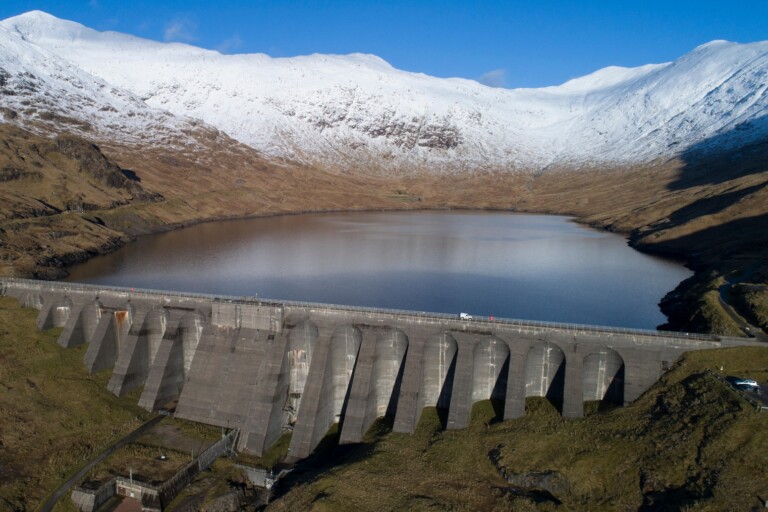
Long-Duration Energy Storage (LDES): Accelerating investment in pumped hydro storage, compressed air energy storage (CAES), and green hydrogen synthesis to store excess summer generation for winter usage.
Policy and Global Alignment
Great Britain’s solar milestone aligns with broader international trends across Western Europe. Notably, parallel market analysis reveals that combined wind and solar generation overtook fossil fuels in Germany during the same period, signaling a structural transition across European power markets.
For the UK government, maintaining this momentum will require streamlined planning regulations for utility-scale solar farms, modernized grid connection queues, and continued incentives for domestic rooftop and battery installations. As summer heatwaves become increasingly frequent due to shifting global climate baselines, Great Britain’s expanding solar infrastructure stands out as a key asset for grid resilience, economic stability, and rapid decarbonization.