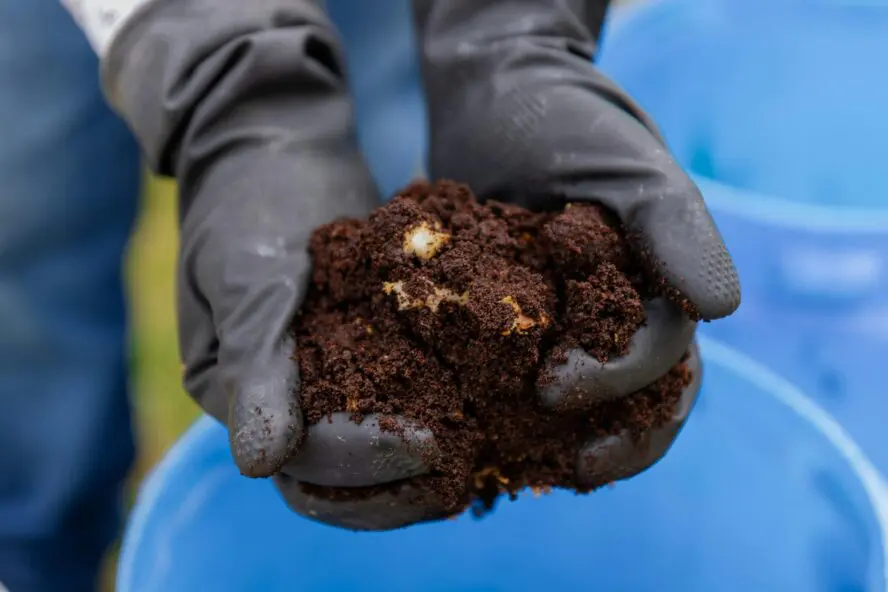
In a sweeping regulatory pivot, the U.S. Environmental Protection Agency (EPA) has officially discarded a comprehensive, multi-year scientific risk assessment regarding the use of sewage sludge—commonly known as biosolids—as an agricultural fertilizer. Roughly 60% of all biosolids generated nationwide are currently spread across American cropland, serving as a low-cost fertilizer for food and animal feed production. However, this human and industrial waste is heavily tainted with per- and polyfluoroalkyl substances (PFAS), a sprawling class of synthetic compounds colloquially referred to as "forever chemicals."
The now-abandoned draft risk assessment, compiled under the Biden administration and published in January 2025, synthesized decades of independent and federal research. It laid the technical groundwork for a nationwide reckoning over the practice of dumping industrial and municipal waste onto food-producing soils. Had the assessment been seen through to its regulatory conclusion, it likely would have severely curtailed or outright banned the widespread application of PFAS-laden biosolids.
Instead, the EPA under the current administration published a slim, nine-page guidance document on June 29, abruptly reversing course. The agency dismissed the previous 272-page assessment as "flawed" and misleading, opting instead to maintain the status quo while shifting the burden of protection from federal regulators to individual farmers and consumers. Critics, legal experts, and environmental advocates have condemned the decision as an unprecedented abdication of public health protection, warning that it guarantees the continued accumulation of toxic chemicals in the American food chain.
Detailed Chronology: From Scientific Warning to Regulatory Reversal
To understand the magnitude of the EPA’s recent policy shift, it is necessary to examine the timeline of regulatory tension surrounding biosolids, municipal waste, and PFAS contamination.
Early 1990s: The Genesis of Biosolids Application
The practice of treating and repurposing municipal wastewater treatment plant sludge as agricultural fertilizer began gaining institutional momentum in the early 1990s. Promoted as an eco-friendly method of recycling organic waste and reducing landfill burdens, the EPA established Part 503 rules governing the land application of sewage sludge. For decades, regulators focused primarily on heavy metals and pathogen reduction, entirely unaware of—or indifferent to—the vast matrix of synthetic chemicals entering municipal sewer systems from industrial manufacturing, consumer products, and household goods.
May 2022: Exposing the Scale of Contamination
A watershed moment arrived in the spring of 2022, when groundbreaking reporting by The Guardian revealed that approximately 20 million acres of U.S. cropland may have been contaminated with PFAS as a direct result of applying municipal biosolids. Investigative studies underscored how these persistent compounds migrated from fertilized fields into local aquifers, private water wells, livestock, and locally grown crops, sparking localized panics and financial ruin for generational farmers whose land was rendered unusable.
2022–2024: State-Level Mutiny
Faced with federal inaction, individual states began taking matters into their own hands. In 2022, Maine became the first state in the nation to enact a total ban on the spreading of biosolids and industrial sludge on agricultural land, following devastating discoveries of high PFAS concentrations in dairy farms and livestock. Neighboring and distant states soon followed; Maryland passed its own legislative ban in 2024, aiming to shield its agricultural economy and Chesapeake Bay watershed from irreversible chemical degradation. Meanwhile, advocacy groups like Public Employees for Environmental Responsibility (PEER) began filing formal notices of intent to sue federal regulators, arguing that the EPA’s outdated standards violated foundational environmental protection laws.
January 2025: The Biden-Era Comprehensive Assessment
Responding to mounting pressure from scientists, public health advocates, and agricultural communities, the EPA under President Biden published a sweeping 272-page draft risk assessment in January 2025. This document represented the most exhaustive federal evaluation of PFAS in biosolids to date. It synthesized decades of toxicological data, modeled environmental pathways, and—crucially—provided a scientific framework that would have empowered states to establish enforceable protective standards, potentially ending the nationwide practice of spreading contaminated waste on food crops.
June 29: The Swift Dismissal and New Guidance
The regulatory trajectory shifted dramatically on June 29, when the current EPA administration published a new nine-page guidance document. The agency formally walked back the scheduled risk assessment, asserting that the previous administration’s findings overstated the dangers of agricultural biosolids. Labeling the earlier 272-page document "flawed" and responsible for "confusion among the public," the EPA declared that municipal sludge does not pose an existential or widespread threat to public health. Rather than enacting strict federal limits or bans, the agency replaced the rigorous regulatory framework with a collection of voluntary recommendations, leaving consumers and agricultural workers to navigate the crisis independently.
Supporting Context & Metrics: The Science of "Forever Chemicals"
The decision to protect the biosolids industry carries profound toxicological and ecological implications. To grasp why the EPA’s retreat has alarmed the scientific community, one must look closely at the nature of PFAS and the mechanics of agricultural contamination.
What are PFAS and Why Are They Dangerous?
PFAS (per- and polyfluoroalkyl substances) comprise a family of roughly 15,000 synthetic chemicals engineered for their resistance to heat, oil, stains, and water. Found in everything from non-stick cookware and waterproof clothing to firefighting foams and industrial lubricants, these chemicals share an exceptionally strong carbon-fluorine bond. Because nature lacks an efficient mechanism to break down this bond, PFAS earn their moniker: "forever chemicals."
When released into the environment, PFAS do not degrade; instead, they cycle through water, soil, and living organisms. In humans and animals, these compounds bioaccumulate over time. Peer-reviewed epidemiological and toxicological studies have linked chronic PFAS exposure to a terrifying array of health conditions, including:
Cancer: Elevated risks of kidney, testicular, and prostate cancers.
Reproductive and Developmental Issues: Reduced fertility, pregnancy-induced hypertension, and low birth weights.
Endocrine and Immune Disruption: Altered thyroid hormone levels, diminished vaccine efficacy, and compromised immune system responses.
Organ Damage: Elevated cholesterol, liver enzyme changes, and increased risk of liver disease.
The Biosolids Pipeline: From Toilet to Table
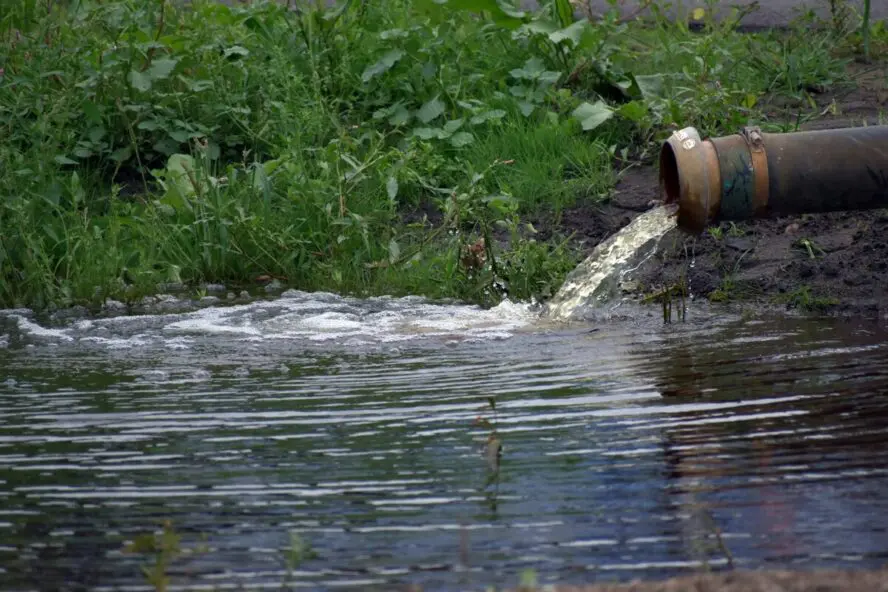
Municipal wastewater treatment plants are not designed to filter out synthetic industrial chemicals. Consequently, when households, hospitals, and factories wash PFAS down drains, those chemicals concentrate in the solid waste leftover during sewage treatment—the sludge.
When wastewater treatment facilities process this sludge into "biosolids" and sell or give it away to agricultural operations as a nutrient-rich fertilizer, they effectively take a concentrated cocktail of industrial toxins and distribute it across millions of acres of farmland. Crops absorb these chemicals through their root systems, grazing livestock consume contaminated forage, and rainwater runoff washes the toxins into underlying aquifers and nearby rivers.
Historical records and journalistic investigations—such as those highlighted by The New York Times as early as 2003—reveal that the application of municipal sludge to animal feed fields has repeatedly correlated with mysterious livestock illnesses, sudden deaths, and devastating economic losses for farmers who trusted that federal fertilizer standards were safe.
Official Statements and Industry Perspectives
The stark divide between federal regulatory policy and independent scientific consensus has generated sharp, polarized reactions from legal experts, environmental advocates, and government officials.
The Voice of Environmental Advocates and Legal Experts
Legal and environmental watchdogs have expressed profound dismay at the administration’s reversal, characterizing it as a capitulation to industry convenience at the expense of human safety.
"It’s shocking for the EPA to take a scientific assessment and simply throw it out," noted Laura Dumais, an attorney with Public Employees for Environmental Responsibility (PEER). PEER previously filed legal actions on behalf of Texas farmers seeking to halt the dangerous application of biosolids.
Dumais sharply criticized the EPA’s pivot toward voluntary measures, summarizing the agency’s current stance with biting candor:
"The EPA’s solution here is ‘do your own research — we’re not going to regulate anything, so if you think it’s dangerous then figure it out for yourself.’"
Jean Zhuang, a senior attorney with the Southern Environmental Law Center, echoed these concerns, emphasizing the collaborative breadth of the discarded Biden-era research. Zhuang pointed out that the 272-page assessment was not a hasty political maneuver, but rather a robust synthesis of decades of empirical data designed to give local communities and state governments the legal tools they needed to protect their citizens.
"By abandoning that assessment, this administration is getting in the way of protecting people from toxic chemical contamination," Zhuang stated. "Instead of engaging with that science, EPA is trying to downplay the problem."
The EPA’s Justification
In its June 29 guidance document, the EPA defended its pivot by arguing that the previous administration’s draft assessment relied on overly conservative exposure models that produced exaggerated risk scenarios. The agency maintained that the "potential risks" highlighted in the January 2025 document were speculative and created unwarranted panic among agricultural producers and municipal waste authorities. By rescinding the assessment, the current administration contends it is restoring regulatory stability and preventing unnecessary economic disruption for wastewater treatment plants that depend on land application to dispose of millions of tons of sewage sludge annually.
Future Outlook: A Regulatory Vacuum and the Path Ahead
The EPA’s decision to walk back its risk assessment does not occur in a vacuum; rather, it is part of a broader, aggressive deregulatory push concerning PFAS under the current federal administration. Earlier this year, the agency signaled plans to weaken or roll back strict maximum contaminant limits for foundational PFAS compounds like PFOA and PFOS in public drinking water systems.
As federal oversight retreats, the burden of managing "forever chemicals" has been violently thrust downward onto state legislatures, local municipalities, and individual consumers.
The Rise of a Patchwork Regulatory State: With federal guardrails dismantled, the United States is witnessing a widening regulatory divide. States with proactive environmental agencies—particularly in the Northeast and Mid-Atlantic—will likely follow Maine and Maryland’s lead, enacting total bans on biosolids application. Conversely, agricultural states heavily reliant on cheap municipal fertilizer may continue the practice unchecked, creating profound disparities in food safety and environmental health across state lines.
The Crisis of Consumer Self-Reliance: By replacing binding regulations with "voluntary recommendations," the EPA has essentially institutionalized a buyer-beware marketplace. Consumers seeking to avoid PFAS-contaminated produce, dairy, and meat will increasingly be forced to rely on certified organic standards (which prohibit the use of sewage sludge as fertilizer) or direct sourcing from verified local farms.
Impending Litigation: Legal battles are all but guaranteed. Environmental organizations and coalitions of affected farmers are actively evaluating legal strategies to challenge the EPA’s abrupt dismissal of its own scientific record. Attorneys argue that ignoring established toxicological data violates the core mandates of federal environmental protection statutes.
Ultimately, the EPA’s decision to preserve the status quo of spreading toxic sewage sludge on American cropland represents a critical turning point in modern environmental policy. By choosing administrative convenience over precautionary science, federal regulators have ensured that the legacy of "forever chemicals" will continue to weave its way silently into the soil, water, and food supply of generations to come.