

By Floodlight Investigative Desk (with reporting contributions from Kentucky Public Radio)
Executive Overview
Across large swaths of the United States, the air that millions of citizens breathe remains a profound, invisible unknown. For decades, the nation’s public air-monitoring network—born out of the landmark Clean Air Act of 1963—has served as an essential early-warning system. It provided the data necessary to track airborne threats, pinpoint dangerous conditions, and hold industrial polluters accountable.
Today, however, that infrastructure is crumbling. Federal funding has steadily declined, the total number of operational public monitors has fallen, and much of the remaining equipment is aging or situated miles away from major industrial pollution sources. This systemic degradation comes at an exceptionally perilous time. Climate-driven heat waves are worsening ground-level ozone concentrations, data centers are expanding and driving up localized power-plant emissions, and unprecedented wildfire smoke is increasingly blanketing communities far from its origin. Compounding these environmental stressors, the federal regulatory landscape has shifted; federal agencies have delayed enforcement timelines and granted widespread exemptions to companies failing to meet emissions targets.
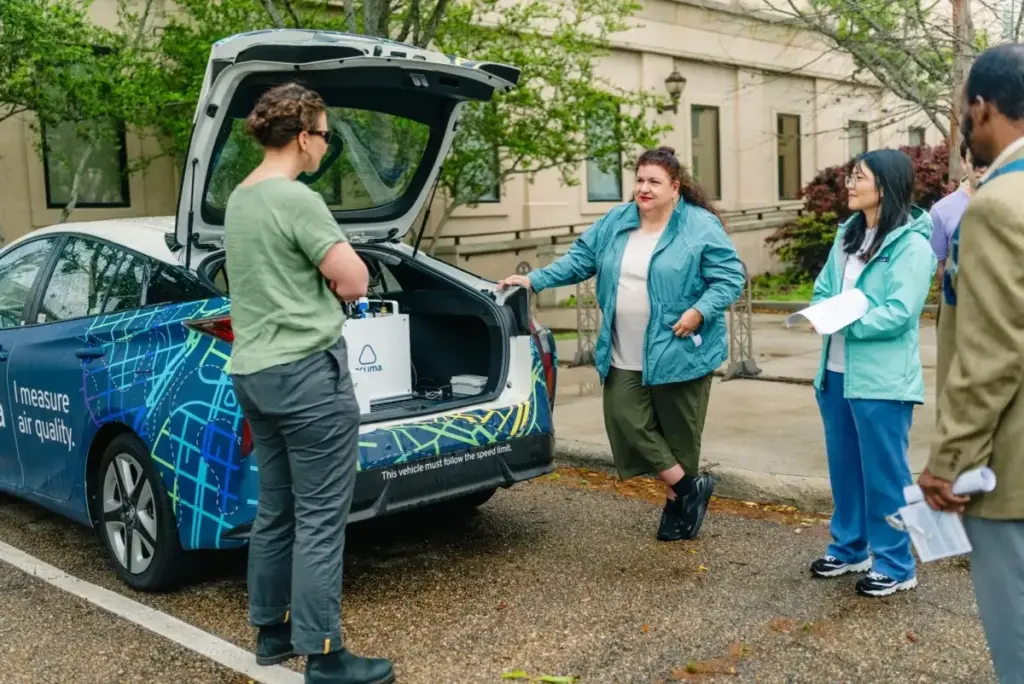
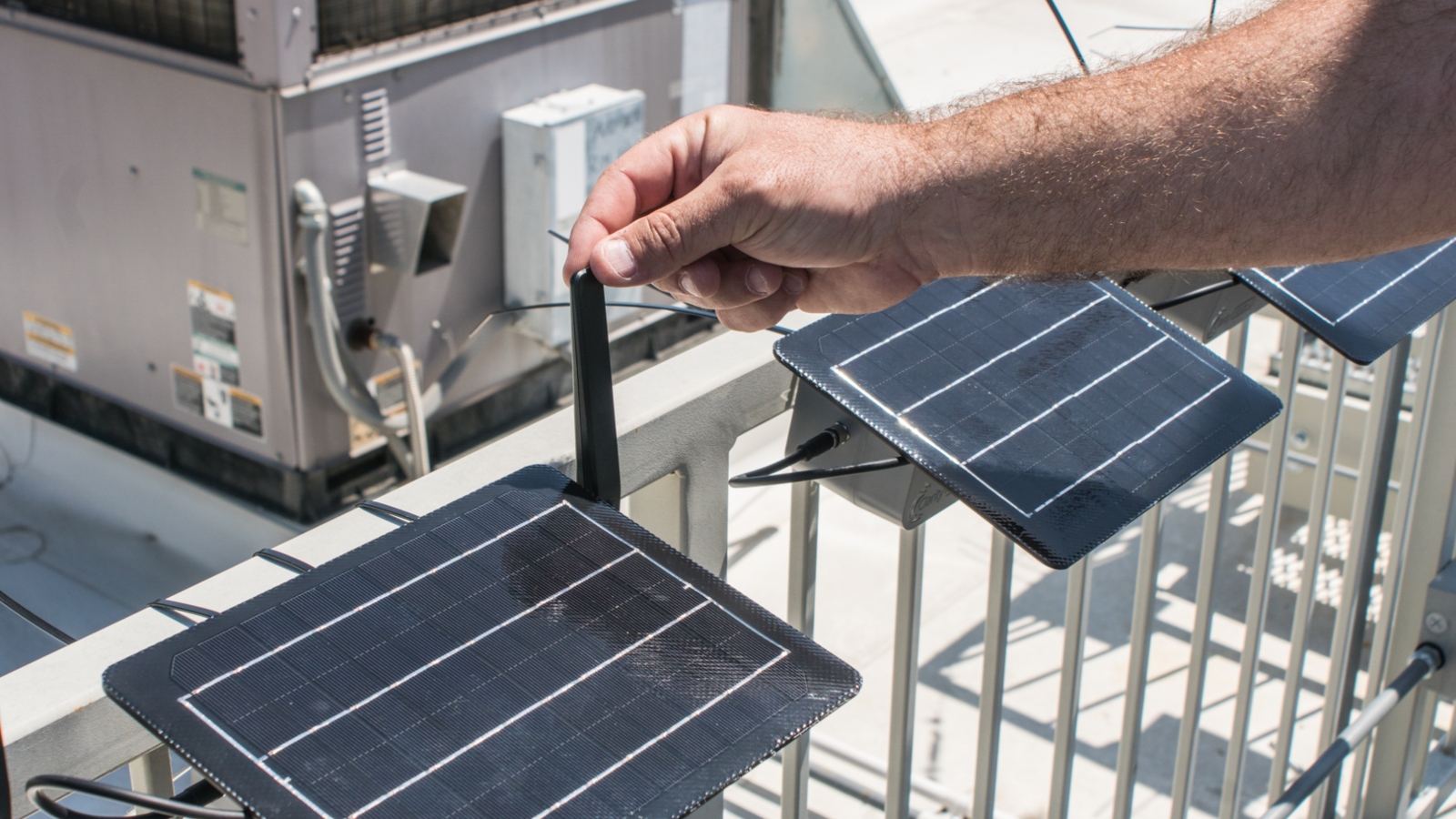
As official oversight recedes, affected residents have increasingly taken matters into their own hands, deploying low-cost, community-managed air sensors to track local pollution in real time. But an investigative report by Floodlight reveals that chemical and manufacturing trade groups are aggressively working to shut down this alternative.
Beginning in 2024, lawmakers in Louisiana, Ohio, and Kentucky enacted strikingly similar bills—crafted with the direct assistance of industry trade associations—that effectively bar regulators from utilizing community-collected air data in enforcement or regulatory actions unless it meets rigid, expensive U.S. Environmental Protection Agency (EPA) standards. When lawmakers in states like West Virginia attempted to compromise by introducing bills that ensured data accuracy while preserving community utility, heavy industry flatly rejected them. As industrial giants lobby to seal off regulatory loopholes, ordinary citizens living in the shadows of refineries and chemical plants are left facing a daunting reality: they are being forced to breathe blind.
Detailed Chronology: The Legislative Backlash Against Community Monitoring
The coordinated state-level push to restrict community air monitoring did not happen in a vacuum. It represents a calculated legislative counter-offensive by the chemical and manufacturing sectors to neutralize grassroots oversight just as official state and federal monitoring systems hit historic lows.
2024: Louisiana Sets the Precedent
Louisiana—a global capital for oil, gas, and petrochemical refining—became the testing ground for industry-backed restrictions on citizen science. In 2024, state lawmakers passed the Community Air Monitoring Reliability Act (CAMRA). The bill was heavily drafted and championed by the Louisiana Chemistry Association (LCA), citing the need for "science-based standards."
CAMRA explicitly prohibited state regulators from utilizing air pollution data captured by grassroots networks in any enforcement or regulatory actions unless the data was gathered using EPA-approved monitoring equipment, which routinely costs tens of thousands of dollars. Around the same time, grassroots efforts to bridge the state’s severe monitoring gaps suffered a catastrophic blow. The Louisiana Environmental Action Network (LEAN) had secured a $500,000 federal grant under the Biden administration’s Inflation Reduction Act to establish air monitoring networks across 27 identified pollution hot spots. LEAN managed to install monitors in just four communities before the federal grant was abruptly canceled, leaving executive director Marylee Orr to describe the setback as "like having your legs knocked out from under you."
2024–2025: West Virginia’s Stalled Fights and Internal Resistance
Following Louisiana’s lead, industry allies introduced legislation in West Virginia designed to outlaw the regulatory use of community-collected data. The bill easily cleared the state House in 2024 with backing from the West Virginia Manufacturers Association, but ultimately died in the Senate amid intense debate.
Internal industry documents later revealed the uncompromising nature of corporate opposition. When lawmakers proposed a compromise version that would have permitted regulators to use community data as long as the low-cost monitors met strict manufacturer calibration standards, industry leaders revolted. Bill Bissett, head of the West Virginia Manufacturers Association, wrote in an email that the compromise "neuters" the legislation and renders it "toothless." Jeff Fritz, an official at chemical giant Chemours, remarked in an email exchange obtained by Mountain State Spotlight, "I do not like this draft… [it] essentially codifies what we are trying to prevent." Subsequent attempts to pass restrictive bills in West Virginia during the 2025 and 2026 legislative sessions also stalled due to ongoing disagreements over how tightly to grip the reins of oversight.
March 2025: Kentucky Follows Suit
Despite boasting a historical success story in Louisville’s Rubbertown neighborhood—where collaborative monitoring and targeted regulations successfully slashed toxic air contaminants by nearly 80 percent over 15 years—Kentucky lawmakers pivoted sharply in March 2025. Following Louisiana’s blueprint, the state passed House Bill 137, restricting how air-monitoring data can be applied in enforcement actions. Backed aggressively by the Kentucky Chemical Council, the American Petroleum Institute, Dow Chemical, and Chemours, the law mandated that air must be tested using "scientifically defensible" methods, echoing talking points distributed nationally by the American Chemistry Council (ACC).
2025: Ohio’s Budget Rider and Subsequent Legal Battles
In Ohio, industry restrictions on air data took a stealthier route, tucked directly into the state’s biennial budget bill without a named primary sponsor. The provision barred state regulators from acting upon citizen-collected air data. Simultaneously, the budget bill instructed state regulators to dismantle Ohio’s historic "air nuisance rule," which had long empowered ordinary citizens to file legal actions against corporate emitters whose operations endangered public health.
The move provoked immediate legal pushback. Environmental groups, represented by attorney Miranda Leppla, filed a major lawsuit challenging both provisions. Among the plaintiffs is Donna Ballinger, a resident of Middletown, Ohio, who lives mere hundreds of feet from a sprawling steel manufacturing facility. Ballinger routinely deals with black, white, and gray particulate fallout covering her home and yard, while toxic fumes regularly burn her eyes and throat. Though she installed an air monitor in her front yard to track the hazards, Ohio’s new budget rider strips her and her neighbors of the legal right to use that data as evidence of nuisance conditions.
Supporting Context & Metrics: The Shrinking Public Safety Net
To understand why communities are fighting to deploy their own low-cost sensors, one must examine the staggering deficiencies of the official government-run air monitoring network.
The Decline of Specialized Toxic Monitoring
While the 1963 Clean Air Act dramatically reduced general particulate pollution over the decades, the specialized networks designed to catch hazardous air pollutants (HAPs)—carcinogens linked directly to cancer, neurological damage, and respiratory failure—have severely atrophied.
Floodlight’s analysis of federal data reveals alarming drops in chemical tracking:
- Vinyl chloride, the known human carcinogen at the center of the catastrophic 2023 Norfolk Southern train derailment in East Palestine, Ohio, saw its dedicated monitoring network shrink by more than 50% between 2004 and 2025.
- Dedicated monitoring networks for chloroprene and benzene experienced similarly steep reductions exceeding 50%.
- An examination of the largest industrial air polluters across Kentucky, Louisiana, Ohio, and West Virginia revealed that for 71 out of the 100 facilities examined, the single chemical they release in the highest volume is not measured by any government air monitor in the state.
- Highly toxic, corrosive substances such as hydrochloric acid, sulfuric acid, and methanol—released in massive quantities by industrial actors—are entirely untracked by any air monitor reporting data to the EPA.
Geographic and Demographic Inequities
Academic research underscores how vast these surveillance blind spots truly are. A 2025 study co-authored by Penn State assistant professor Nelson Roque revealed a sobering statistic: nearly 60% of all U.S. counties lack a single public air monitor.
"We’ve realized the value of other infrastructure, and yet not this one," Roque noted. "Last I checked, we all breathe air."
These gaps do not affect all populations equally. According to EPA demographic analyses, Black, Indigenous, and low-income communities bear a vastly disproportionate share of elevated cancer risks driven by toxic industrial air emissions. In regions like Louisiana’s infamous "Cancer Alley," public monitors are frequently situated miles away from major petrochemical facilities, entirely missing the localized spikes of toxic air that residents experience daily.
Official Statements and Industry Perspectives
The philosophical clash over air monitoring centers on a fundamental question: Who defines what constitutes legally actionable scientific data?
The Industry Defense: Guardrails Against Misinformation
Corporate trade associations and chemical manufacturers vigorously defend state-level restrictions, framing them as essential quality-control measures rather than attempts to suppress accountability.
Tony Long, general counsel for the Ohio Chamber of Commerce, articulated the business sector’s core anxiety during interviews with investigators:
"Given our litigious nature in this state, we think that the guardrails make sense. You don’t want to be stopped for speeding on an uncalibrated speed gun."
Similarly, Jess Loizeaux, a spokesperson for Chemours, clarified the company’s position:
"We don’t object to community air monitoring. We object to community air monitoring results being used for enforcement decisions without first verifying the validity and accuracy of the data through official tests performed by trained technicians at the appropriate regulatory authority."
David Cresson, president of the Louisiana Chemistry Association, echoed these talking points regarding CAMRA, asserting that the law simply ensures compliance with baseline EPA standards while leaving residents entirely free to collect air data for their personal information.
National lobbying entities have played an immense financial role in shaping this regulatory environment. The American Chemistry Council (ACC), the national counterpart to state-level chemical lobbies, spent upwards of $22 million on federal lobbying in 2024 alone, ranking it among the top 10 most heavily capitalized lobbying organizations in the country. Beyond state legislative pushes, the ACC and the American Fuel & Petrochemical Manufacturers successfully lobbied the Trump administration to grant exemptions to over 60 petrochemical facilities, sparing them from stringent Biden-era rules designed to cut toxic emissions by nearly 80%. Furthermore, the ACC successfully pressured federal regulators to scale back fenceline monitoring requirements for ethylene oxide—a potent carcinogen heavily concentrated in industrial corridors.
The Environmental and Community Counter-Perspective
Environmental attorneys and public health advocates argue that industry’s insistence on EPA-grade monitors is a deliberate trap. Because certified regulatory equipment costs tens of thousands of dollars per unit, requiring them for enforcement effectively prices cash-strapped community groups and local municipalities out of oversight entirely.
Miranda Leppla, the environmental attorney spearheading the lawsuit against Ohio’s budget restrictions, summarized the stakes clearly:
"When we take away the ability for those folks to have a reasonably priced monitor… for their own protection, we’ve just taken any tool they had right out of their hands."
Future Outlook: The Battle for the Airwaves
The empirical evidence demonstrating the life-saving value of rigorous air monitoring is robust. When the EPA forced oil refineries to implement mandatory fenceline monitoring for benzene in 2018, the number of facilities exceeding federal safety action levels dropped by half within five years, according to data from the Environmental Integrity Project. Proactive states that maintain dense monitoring networks have consistently succeeded in lowering overall regional pollution and protecting public health.
However, the current national trajectory points toward a deepening friction between industrial emitters and frontline communities. With the federal EPA rolling back reporting requirements, granting sweeping industrial exemptions, and public monitoring infrastructure continuing to age and contract, the burden of surveillance has shifted decisively to the hyper-local level.
For residents like Reonda Victor—who lives in Louisiana’s industrial corridor between Baton Rouge and New Orleans, where industrial flare stacks illuminate the night sky and her mother, grandmother, and sister all succumbed to breast cancer—the silencing of community data carries a deeply human cost. Living in a high-risk zone where the closest public monitor only tests for lead, Victor is left searching for answers that official infrastructure refuses to provide.
"Without information," Victor says simply, "we don’t know."
As state legislatures continue to weigh industry-backed bills restricting citizen science, the fundamental question facing the nation is whether air quality transparency will be treated as an accessible public right or an exclusive corporate privilege. Until that question is resolved, millions of Americans will continue to navigate their daily lives breathing blind.



