

Published: September 4, 2026
Author: Megan Quinn
Source: WasteDive Enrichment Desk
Executive Overview
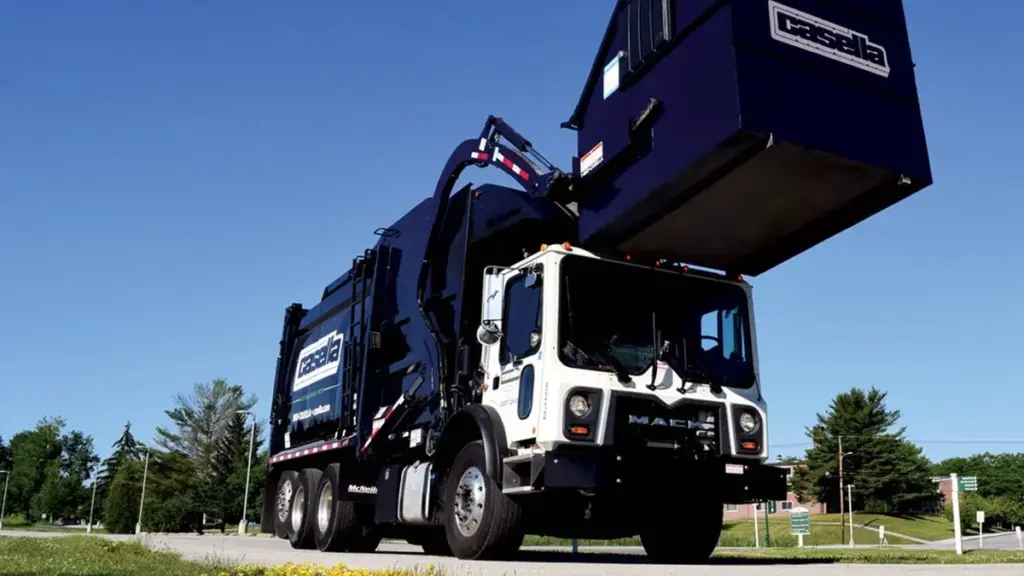
In a strategic move designed to aggressively fortify its operational infrastructure in the Mid-Atlantic, Casella Waste Systems, Inc. has entered into a definitive agreement to acquire Waste Reduction, Recycling & Transfer, Inc. (WRRT). Based in Northeastern Pennsylvania, WRRT has spent more than three decades establishing itself as a trusted regional cornerstone for commercial, industrial, and residential waste collection, dumpster rentals, and material recovery.
This transaction is far more than a standard tuck-in acquisition. At the core of the deal is WRRT’s strategic transfer station located in Hanover Township, Pennsylvania—a facility currently slated for a massive capacity overhaul. By integrating WRRT into its portfolio, Casella not only captures valuable local hauling routes and customer accounts but also secures a vital node in its burgeoning regional transfer and disposal network.
The acquisition underscores Casella’s sustained, aggressive growth trajectory across Pennsylvania and neighboring states. Following a sequence of high-profile acquisitions over the last three years—including regional heavyweights like GFL Environmental’s regional assets, Whitetail Disposal, Cougle’s Recycling, and LMR Disposal—Casella is methodically constructing an integrated, highly defensible waste and recycling ecosystem. As regulatory bodies evaluate WRRT’s ongoing expansion proposals, the deal signals Casella’s readiness to scale up its processing capabilities to meet the mounting waste management demands of the greater Pennsylvania market.
Detailed Chronology of the Acquisition and Regulatory Landscape
To fully understand the gravity of the Casella-WRRT agreement, it is essential to trace the timelines governing the transaction, the operational history of the target company, and the regulatory hoops currently being navigated at the state level.
The Evolution of Waste Reduction, Recycling & Transfer
Operating out of Hanover Township for over thirty years, WRRT evolved from a localized operation into a comprehensive environmental services provider. Its service menu spans municipal solid waste collection, commercial and industrial waste disposal, tailored recycling streams, and robust roll-off dumpster rentals. According to Federal Motor Carrier Safety Administration (FMCSA) records, the firm operates a lean, efficient fleet of approximately nine commercial trucks.
A significant turning point in the company’s recent history occurred in 2012, when Joseph Valenti acquired WRRT, assuming the roles of President and CEO. Under Valenti’s leadership, the company positioned itself as a critical logistical bridge between local waste generators and regional disposal sites, culminating in the establishment and operation of its pivotal Hanover Township transfer station.
The Transfer Station Expansion Proposal
The crown jewel of the WRRT acquisition is its Hanover Township transfer facility. Recognizing the rapid industrial and residential growth in Northeastern Pennsylvania, WRRT leadership initiated plans to dramatically scale up the facility’s intake capacity.
- Current Capacity: 500 tons per day.
- Proposed Capacity: 1,500 tons per day—a threefold increase.
To execute this exponential growth, WRRT formally submitted a permit modification application to the Pennsylvania Department of Environmental Protection (PADEP) in April of this year. The regulatory review process has been meticulous. By August 24, the PADEP’s Northeast Regional Office requested additional technical and environmental information from WRRT regarding the expansion project.
The integration of Casella’s institutional capital, engineering resources, and regulatory compliance expertise is expected to heavily streamline this permitting process. Once finalized, the expanded transfer station will give Casella unprecedented routing efficiency, allowing haulers to consolidate loads closer to the point of collection before moving them via high-capacity transport to final disposal sites.
Leadership Continuity and Integration
Despite the change in corporate ownership, leadership continuity has been prioritized to ensure zero disruption for municipal partners, commercial accounts, and residential subscribers. Joseph Valenti announced his ongoing commitment to the business in a public statement released via LinkedIn:
"Today marks a new chapter in my life and shared enterprise… Customers can expect the same commitment to responsive service and dependable operations throughout the transition, while benefiting from the additional resources, technology, and environmental expertise that Casella brings."
Valenti will remain at the helm post-closing to guide the integration, ensuring that institutional knowledge and local customer relationships are preserved while Casella layers on its enterprise-grade operational efficiencies.
Supporting Context & Metrics: Casella’s Expansion Blueprint
The acquisition of WRRT does not occur in a vacuum; rather, it represents the latest tactical deployment in Casella’s aggressive multi-year geographic expansion strategy. To grasp the strategic value of the Hanover Township asset, industry analysts must examine Casella’s broader footprint across Pennsylvania and the Mid-Atlantic.
A Timeline of Mid-Atlantic Consolidation
Casella’s deliberate push into the Mid-Atlantic region shifted into high gear following its landmark 2023 acquisition of select solid waste assets from GFL Environmental. That transaction instantly transformed Casella from a predominantly New England-based operator into a multi-regional competitor with deep operational roots in Pennsylvania.
Since then, Casella has maintained a relentless pace of M&A activity:

- 2023: Acquired select GFL Environmental Mid-Atlantic assets, establishing core operational density.
- 2024: Completed the major acquisition of Whitetail Disposal, a premier regional hauler, alongside LMR Disposal, which extended service coverage across parts of Pennsylvania and New Jersey.
- Early 2025/2026: Acquired Cougle’s Recycling, significantly bolstering its recycling infrastructure in the Hamburg, Pennsylvania region. Additional tuck-in acquisitions, including Tiger Trash and X/S Waste Transport, further solidified local market shares.
Strategic Proximity and Network Synergy
A core tenet of solid waste economics is density. Transfer stations and processing facilities derive their highest margins when they operate at high capacities and sit within a dense cluster of collection routes and secondary facilities.
WRRT’s Hanover Township facility is strategically positioned in close geographic proximity to several other facilities acquired or developed by Casella in recent years. By stitching WRRT into its network alongside Cougle’s Recycling, Whitetail Disposal, and its ongoing development of a state-of-the-art recycling facility in the Allentown area, Casella is engineering a closed-loop infrastructure.
Furthermore, beyond collection and transfer, Casella is actively optimizing its long-haul disposal pathways. Notably, the company is building out enhanced rail-transport capacities at its McKean Landfill in Western Pennsylvania. This multimodal approach—combining localized routing, expanded transfer capabilities like those at Hanover Township, and high-capacity rail disposal—allows Casella to insulate itself from rising long-haul trucking costs and driver shortages.
Official Statements and Industry Perspective
Corporate communications from both acquiring and target leadership emphasize a shared vision of operational excellence, environmental compliance, and customer-centric integration.
Casella’s Perspective
Detailing the strategic rationale behind the transaction, Jeff Weld, Vice President of Communications at Casella Waste Systems, highlighted how the deal cleanly integrates with the company’s regional architecture:
"The WRRT deal complements our existing operations in Pennsylvania and supports our efforts to strengthen our transfer and disposal network in the region."
Weld’s remarks underscore Casella’s long-term corporate strategy: acquiring well-run, independent operators that own critical physical assets (such as transfer stations and permitted facilities) rather than relying solely on organic route growth. This asset-heavy approach creates high barriers to entry for competing haulers in the region.
Target Leadership’s Perspective
Reflecting on the transaction’s genesis, Joseph Valenti’s reflections on stepping into this new corporate chapter focus on the empowerment of local service teams through national-scale backing. By plugging into Casella’s extensive technology suite—ranging from advanced route-optimization software to enterprise safety programs—WRRT’s existing customer base will transition seamlessly while gaining access to enhanced environmental management tools.

Future Outlook: The Road Ahead for Casella in Pennsylvania
As the transaction moves toward its final closing stages, industry watchers are turning their attention to what Casella’s expanding Pennsylvania empire means for the broader waste management market.
Regulatory Milestones
The immediate regulatory test for the combined entities will be the successful navigation of the PADEP permit modification process for the Hanover Township transfer station. If Casella can successfully guide the 500-ton-per-day facility to its target 1,500-ton-per-day capacity, it will dramatically alter the waste logistics landscape in Northeastern Pennsylvania. Greater local capacity means reduced turnaround times for independent haulers, lower fuel emissions, and superior operating margins for Casella’s transfer network.
Capital Allocation and Infrastructure Investments
Casella’s executive team, led by CEO John Casella, has consistently prioritized strategic capital deployment focused on three key pillars:
- Safety and Compliance: Rigorous employee safety protocols and strict environmental adherence.
- Technological Modernization: Upgrading acquired fleets and facilities with telematics, automated routing, and modern scale-house software.
- PFAS and Emerging Contaminants Management: Proactive mitigation strategies across landfill and transfer operations.
With the Allentown-area recycling facility moving toward construction, and ongoing rail infrastructure enhancements at the McKean Landfill, the addition of WRRT acts as a vital conduit. It feeds recyclable and residual materials smoothly from Northeastern Pennsylvania into Casella’s broader processing pipeline.
Competitive Implications
Independent haulers operating in the Mid-Atlantic face an increasingly consolidated marketplace. As Casella, Republic Services, Waste Management, and other national players continue to buy up regional assets, independent operators with proprietary infrastructure (like transfer stations) find themselves in a strong position to command attractive acquisition multiples. For Casella, each of these structural additions further entrenches its status as a dominant, vertically integrated environmental services provider capable of weathering shifting economic and regulatory tides.
Stay tuned to WasteDive for continuous updates on the Casella-WRRT acquisition, regulatory developments at the Pennsylvania Department of Environmental Protection, and broader consolidation trends within the solid waste sector.



