

Executive Overview
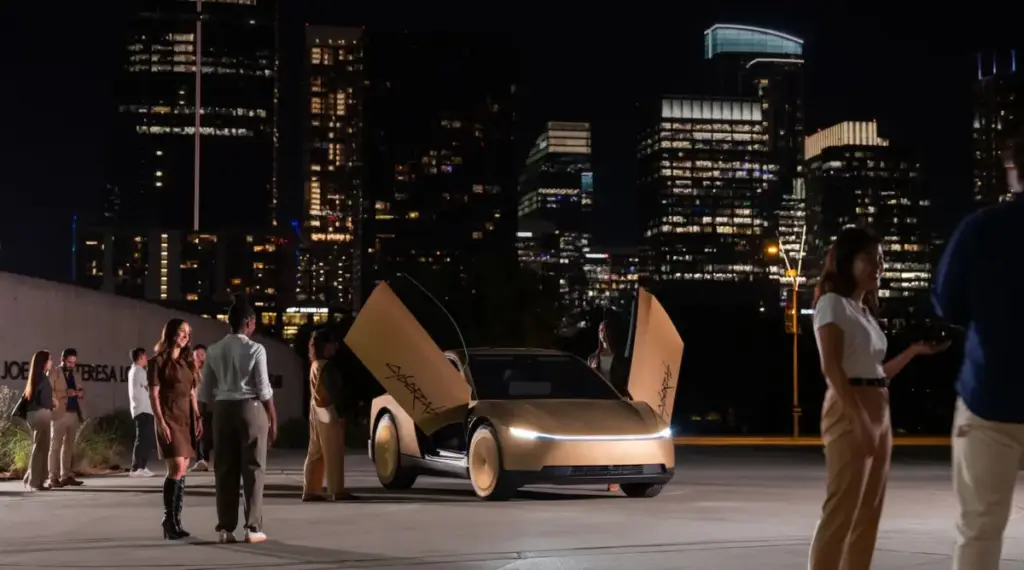
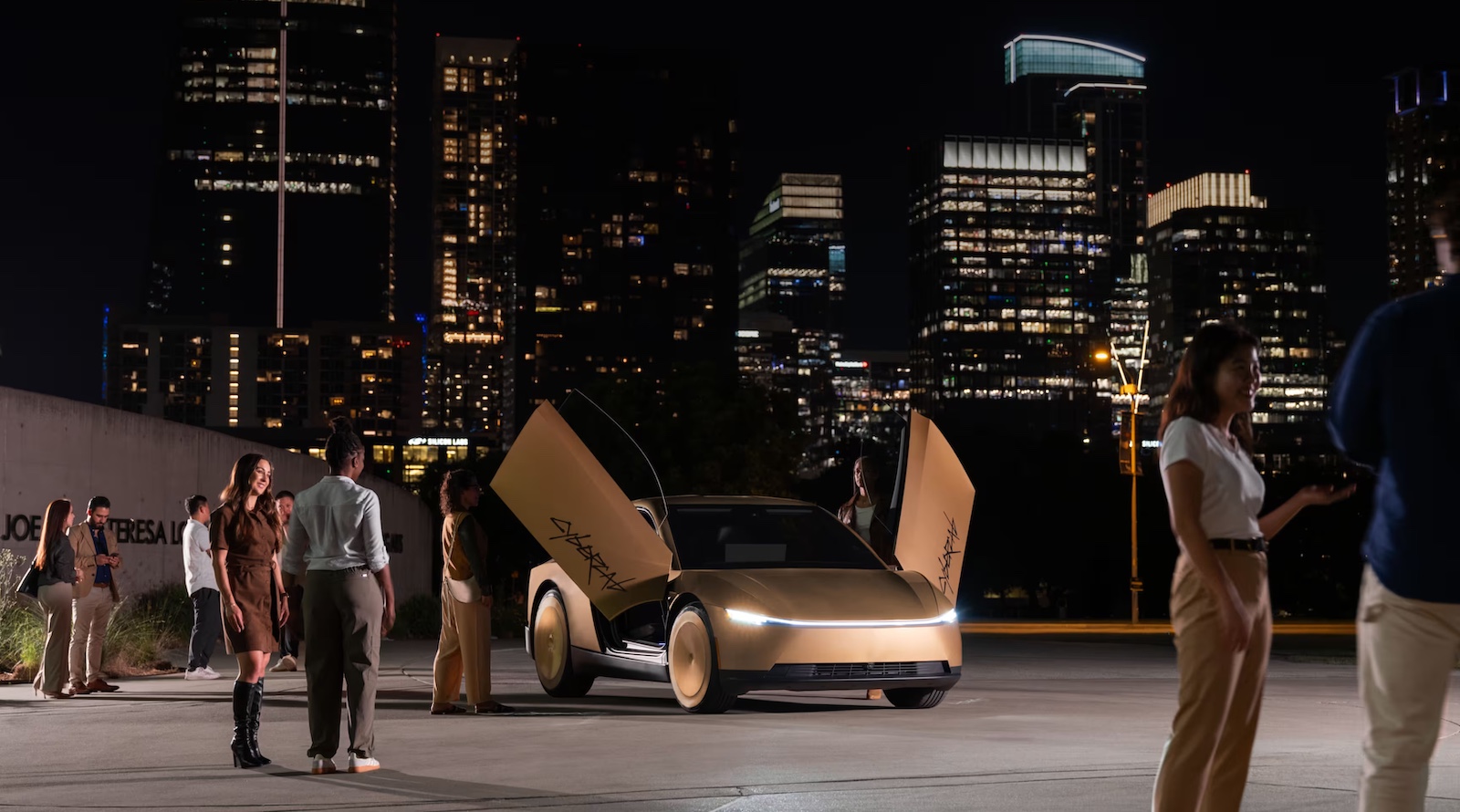
Tesla’s much-anticipated, highly publicized rollout of its custom-designed Cybercab in Austin, Texas, has encountered immediate regulatory turbulence. The vehicle, a purpose-built autonomous robotaxi entirely devoid of a steering wheel, accelerator and brake pedals, and traditional side mirrors, represents the zenith of CEO Elon Musk’s long-term vision for unsupervised autonomous transit. However, the bold unveiling has been swiftly overshadowed by federal scrutiny.
The U.S. National Highway Traffic Safety Administration (NHTSA) has officially launched an investigation into the compliance methods and technical data utilized by the electric vehicle manufacturer. The inquiry centers on whether Tesla appropriately certified its fleet—reportedly consisting of up to 1,000 Cybercabs—to meet Federal Motor Vehicle Safety Standards (FMVSS) without including mandatory manual driver controls.
While the NHTSA floated a prospective rule change in June that could eventually eliminate the mandate for manual brake pedals in fully autonomous vehicles, that adjustment remains strictly a proposal. Under current federal law, the mandate stands. Consequently, federal regulators are examining the legal basis on which Tesla bypassed traditional safety compliance frameworks, drawing sharp contrasts with competing autonomous vehicle (AV) developers like Zoox, which successfully pursued formal regulatory exemptions prior to commercial deployment.
Compounding the regulatory uncertainty are unusual circumstances surrounding the launch itself: Elon Musk was notably absent from the Austin event, the unveiling was not publicly livestreamed, and the rollout has struck many industry analysts as uncharacteristically abrupt for a project nearly a decade in the making. This report provides an in-depth examination of the regulatory conflict, the mechanics of the NHTSA investigation, and the broader implications for the future of autonomous mobility in the United States.
Detailed Chronology: From Concept to a Contentious Austin Debut
To understand the weight of the current regulatory clash, one must look back at the developmental timeline of Tesla’s robotaxi ambitions and the rapid sequence of events that led to the Austin debut.
A Decade-Long Promise
For nearly ten years, Elon Musk has promised investors and consumers an autonomous future centered on ridesharing. Initially, the narrative focused on turning existing Tesla consumer vehicles into autonomous robotaxis via over-the-air software updates. Over time, however, the strategy shifted toward a dedicated, pedal-less, and wheel-less vehicle platform optimized entirely for fleet operations.
The June 2025 Regulatory Shift
The backdrop of this launch includes shifting federal stances on autonomous vehicle regulation. In June, the NHTSA published a notice of proposed rulemaking signaling a potential willingness to modernize federal safety standards. The agency floated the idea of removing the long-standing requirement for physical, manual brake pedals in vehicles operating exclusively via automated driving systems (ADS). However, regulatory proposals do not carry the force of law. The NHTSA explicitly clarified that until a final rule is formally adopted and enacted, all operational vehicles must adhere to existing FMVSS requirements.
The Austin Unveiling and the Sudden Pivot
In late 2026, Tesla moved forward with its physical launch event in Austin, Texas, rolling out the Cybercab for public view and initial operational deployment. Yet, the event deviated significantly from Tesla’s historical playbook for major product launches:
- Absence of the Chief Executive: Elon Musk, who has historically driven every major narrative and product reveal for the company, was absent from the stage.
- No Livestream: Unlike previous high-profile events beamed globally to millions of enthusiasts, the Austin Cybercab launch lacked a public livestream, creating an information vacuum.
- Operational Secrecy: Details regarding the exact scale of the initial fleet deployment and the operational design domain (ODD) were kept tightly under wraps.
The Immediate Regulatory Response
Within days of the vehicle hitting public pavement, the NHTSA initiated its inquiry. According to reports from Reuters, the auto safety regulator targeted the documentation and technical justifications Tesla employed to self-certify up to 1,000 Cybercabs. Rather than filing a formal petition for exemption—the standard legal pathway utilized by industry peers—Tesla appears to have relied on internal interpretations of federal standards to determine that certain legacy requirements simply did not apply to a vehicle lacking a human driver interface.
Supporting Context & Metrics: Regulatory Compliance vs. Industry Precedent
Navigating the U.S. federal safety regime for motor vehicles requires strict adherence to self-certification frameworks, coupled with explicit exemptions when new vehicle designs deviate from established physical paradigms.
The Self-Certification Framework
Under U.S. law, automakers are generally permitted to self-certify that their vehicles comply with all applicable Federal Motor Vehicle Safety Standards before introducing them into interstate commerce. When a vehicle is equipped with standard driver controls, this process is well-trodden.
However, when an automaker designs a vehicle that eliminates the steering wheel, steering column, horn pad, manual foot controls, and rearview mirrors, standard FMVSS testing procedures—which often assume a human driver is present to respond to failures—become technically inapplicable or physically impossible to satisfy without formal regulatory relief.
The Zoox Precedent: The Petition Pathway
The distinction between Tesla’s approach and established regulatory compliance becomes stark when examining competitors in the space. Just weeks prior to the Cybercab launch, Zoox (a subsidiary of Amazon) successfully secured official approval from the NHTSA to deploy its custom-built, bidirectional robotaxis on U.S. roads for paid passenger operations.
- The Zoox Method: Zoox formally petitioned the NHTSA for temporary exemptions from specific FMVSS standards that required human-centric controls, such as manual brake pedals and steering columns. The agency reviewed the petition, evaluated the redundancy systems, safety cases, and technical data, and ultimately granted approval after a thorough public notice-and-comment period.
- The Tesla Method: Tesla, by contrast, has not filed similar petitions for the Cybercab. Instead, the company reportedly conducted internal compliance determinations concluding that certain standards were inapplicable, bypassing the formal exemption request process entirely.
Financial Engineering and Quarterly Pressures
Industry analysts have raised questions regarding the timing and motivations behind the abrupt rollout. With financial quarter-ends approaching, publicly traded corporations frequently face intense pressure to demonstrate tangible progress on long-promised technologies. Given that Tesla has been manufacturing or staging Cybercab hardware components for some time, pushing vehicles into an operational state—regardless of regulatory grey areas—may serve strategic storytelling and financial reporting purposes. However, doing so without federal sign-off introduces profound legal and operational risks.
Official Statements and Regulatory Perspectives
The tension between accelerating technological innovation and upholding federal statutes was underscored by statements from key regulatory officials and agency representatives.
The NHTSA’s Stance
NHTSA Administrator Jonathan Morrison addressed the agency’s position regarding the rollout, emphasizing a dual mandate of fostering innovation while strictly enforcing existing laws:
"The agency fully supports the safe development and deployment of automated vehicles. But as the federal regulator, we need to ensure that all of our laws are followed."
According to further statements obtained by Reuters, the agency is actively scrutinizing the precise legal and technical rationale Tesla used to bypass standard safety metrics:

"The agency is investigating the basis of Tesla’s Cybercab certification and related issues, including the extent to which the company determined that certain standards were not applicable to the vehicle."
Regulators are examining whether Tesla’s internal determinations legally suffice under the current statutory framework, or if the manufacturer has overstepped its bounds by deploying a commercial robotaxi fleet without explicit regulatory exemptions.
Legal and Political Speculation
Legal analysts observing the situation have questioned the ultimate efficacy of the NHTSA’s investigation. Given the shifting political landscape in Washington D.C.—including the administration of Donald Trump—questions linger regarding whether federal regulators will impose substantive penalties or merely issue warnings.
Critics note that federal oversight of autonomous vehicle regulations has historically leaned toward accommodation rather than strict punitive enforcement. Consequently, many industry watchers speculate that even if Tesla’s rollout bypassed official approval channels, the consequences may amount to little more than a formal reprimand or delayed bureaucratic reconciliation rather than an immediate, forced removal of the vehicles from Austin streets.
Future Outlook: What Lies Ahead for Tesla and Autonomous Regulation
The confrontation in Austin marks a critical inflection point for the commercialization of autonomous vehicles in the United States. As the industry moves past geofenced test programs into widespread commercial deployment, several key questions remain unresolved:
1. The Outcome of the NHTSA Investigation
The immediate future hinges on the findings of the NHTSA’s inquiry. If the agency concludes that Tesla’s self-certification method violates federal law, it could establish a rigid legal precedent for all future autonomous vehicle developers. Conversely, if Tesla successfully defends its internal compliance determinations—or if the federal government moves rapidly to adopt the proposed rule changes regarding manual brake pedals—the regulatory friction could quickly dissipate.
2. Industry-Wide Compliance Standards
Competitors will be watching closely. Companies like Waymo, Zoox, and Cruise have spent years and substantial capital engaging in rigorous, transparent petition processes with federal regulators to secure exemptions. If Tesla successfully deploys a pedal-less, wheel-less fleet without following this traditional legal roadmap, it could incentivize other market players to bypass regulatory hurdles, fundamentally altering the relationship between federal oversight and technological development.
3. Consumer Trust and Operational Transparency
Beyond legalities, the strange circumstances of the Austin launch—characterized by Musk’s absence and the lack of a public broadcast—leave lingering questions regarding the operational readiness and safety validation of the Cybercab. Building long-term public trust in fully driverless transportation requires absolute transparency. As the NHTSA investigation unfolds, additional technical data regarding Tesla’s safety cases, sensor redundancy, and fail-safe mechanisms will likely be dragged into the public spotlight, providing the clarity that was missing at the initial unveiling.
Ultimately, the Cybercab launch in Austin is more than just a product rollout; it is a stress test for the legal frameworks governing the future of transportation. Whether federal regulators possess the appetite and statutory backing to enforce traditional rules against the industry’s most prominent disruptor remains the defining question of the autonomous era.



