

Executive Overview
The pristine chalk cliffs and vibrant marine ecosystems of the Sussex coastline have become the epicenter of a fierce environmental battle. At the heart of the dispute is Brighton Marina, one of the UK’s premier maritime hubs, which finds itself locked in a complex regulatory and ecological standoff with conservationists. The core issue centers on a fundamental necessity for the marina’s survival: the routine dredging of accumulated sediment to maintain safe navigational depths. However, finding a viable, legally compliant, and ecologically sound location to dump thousands of tons of dredged silt has proven to be an intractable headache for operators, igniting intense public backlash and fierce opposition from wildlife organizations.
The conflict escalated significantly following a landmark legal challenge mounted by the Sussex Wildlife Trust in 2025, which successfully overturned a controversial licensing agreement permitting sediment disposal at Rottingdean. Since then, Premier Marinas—the corporate entity overseeing Brighton Marina—has been scrambling to identify alternative long-term disposal sites. With options severely constrained, the company’s exploratory gaze has fallen upon Newhaven, a move that has immediately triggered alarm bells among environmentalists.
While marina executives stress that dredging is a legal obligation crucial to supporting a local economic engine that generates thousands of jobs and millions of annual visits, conservationists warn that dumping silt near protected marine zones could spell disaster for vulnerable habitats. As Brighton Marina prepares to submit a crucial marine licence application to the Marine Management Organisation (MMO) this November, the stakes could not be higher. This article provides an in-depth investigation into the chronology of the crisis, the economic and ecological metrics at play, the conflicting official stances, and the future outlook for the Sussex coast.
Detailed Chronology: From Rottingdean to Newhaven
To understand the gravity of the current situation, one must trace the timeline of events that brought Brighton Marina and the Sussex Wildlife Trust to this regulatory crossroads.
The Rottingdean Dispute and the 2025 Legal Challenge
For years, the disposal of sediment dredged from the deep basins of Brighton Marina was managed through established, albeit increasingly contentious, channels. Silt, sand, and organic matter continuously flow into the sheltered harbor, threatening to choke the berths and render the pontoons inaccessible to the hundreds of yachts and commercial vessels docked there.
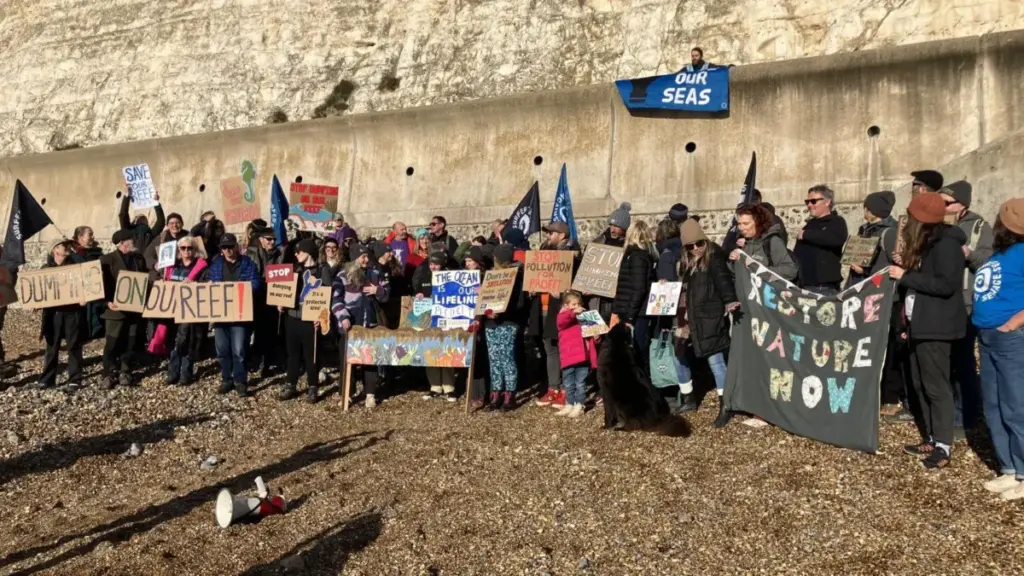
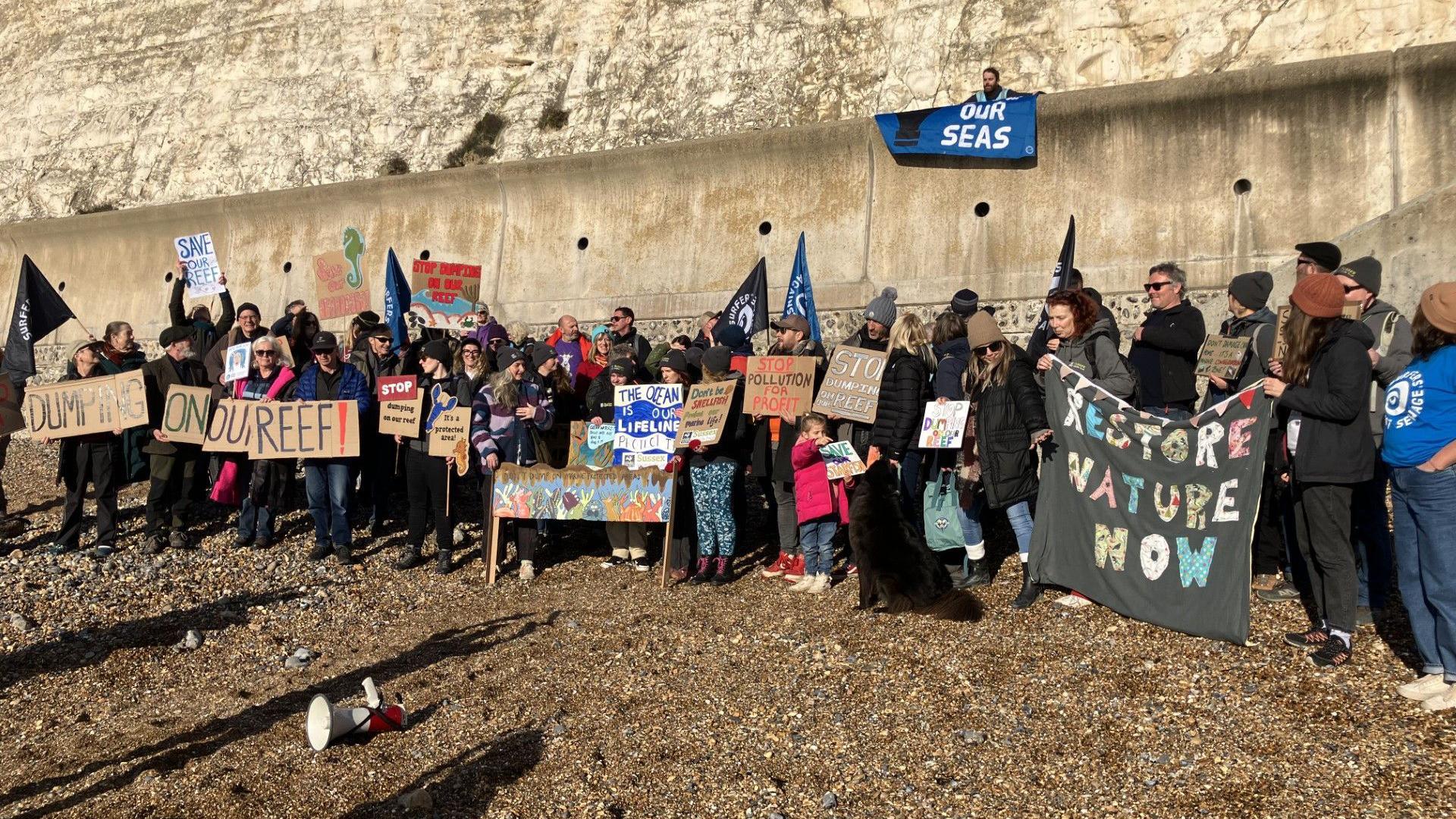
To clear this buildup, historical practices involved depositing the dredged material at nearby marine sites, most notably off the coast of Rottingdean. However, local residents, beachgoers, and environmental campaigners grew increasingly vocal about the visual and ecological degradation they observed along the shoreline. In early 2025, public outrage reached a boiling point when protesters took to the pebble beaches beneath the chalk cliffs, holding banners and accusing the authorities of turning local rock pools into toxic dumping grounds. Campaigners famously described the silt as a "black, thick, slimy, petrochemically smelling sludge," pointing to instances where tidal movements seemingly washed the particulate matter back toward the shore, smothering marine life and coating rock formations in thick, unsightly deposits.
Capitalizing on mounting public pressure and emerging ecological data, the Sussex Wildlife Trust spearheaded a robust legal challenge against the marine licence permitting disposal at Rottingdean. In a landmark victory for the conservation sector, the challenge succeeded in 2025, effectively shutting down the marina’s primary disposal route and leaving Premier Marinas scrambling for an immediate alternative.

The Search for a New Site and the Newhaven Controversy
With Rottingdean officially off the table, Brighton Marina initiated an urgent search for substitute dumping grounds. Operating under strict regulatory frameworks, the marina’s leadership quickly realized that finding an approved offshore site along the Sussex coast is a formidable challenge, constrained by strict environmental protections, navigational routes, and local opposition.
In their ongoing assessment of potential locations, marina planners identified waters near Newhaven as a prospective area for future disposal operations. However, this revelation immediately reignited tensions. Newhaven Port already utilizes local waters for its own dredge disposal activities, but positioning Brighton Marina’s significantly larger volume of sediment into the area provoked immediate pushback from the Sussex Wildlife Trust and marine conservation advocates.
While Premier Marinas initially suggested that Newhaven had been flagged as a potential alternative following discussions and evaluations involving the Wildlife Trust, the conservation organization pushed back hard against the claim. In a definitive public statement released via social media, the Trust clarified its position: "We have not promoted or endorsed Newhaven over any other option." Instead, the organization reiterated its firm stance that a completely new offshore site—situated well away from sensitive ecological zones—must be located to prevent compounding environmental degradation in an already stressed marine environment.
Supporting Context & Metrics: Economics vs. Ecology
The Brighton Marina dredging saga is a classic modern parable illustrating the friction between heavy commercial enterprise and stringent ecological conservation. Evaluating the crisis requires a careful examination of the cold, hard numbers driving both sides of the argument.
The Economic Engine of Brighton Marina
From the perspective of Premier Marinas, the debate is not merely about convenience; it is an existential operational requirement. John Cervenka, the chief operating officer of Premier Marinas, has been unambiguous regarding the non-negotiable nature of the process.
"Maintaining safe navigational access to Brighton Marina is not optional. It is a legal requirement and fundamental to the operation of the marina," Cervenka stated, emphasizing the multifaceted role the harbor plays in the regional economy.
The statistics underpinning the marina’s operations underscore its massive footprint:
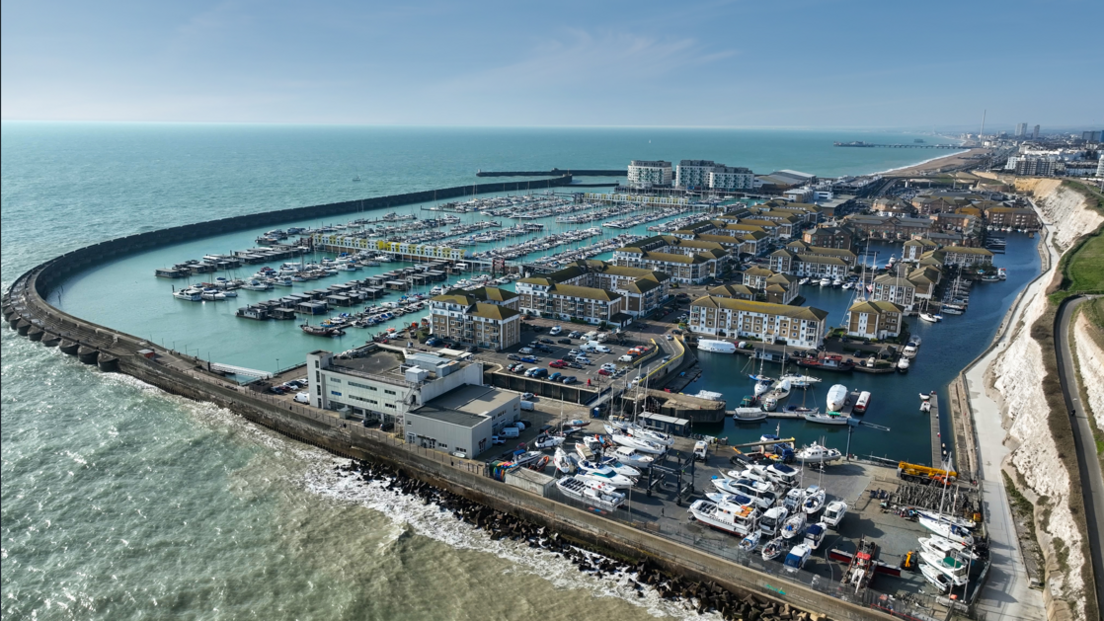
- Economic Footprint: Approximately 150 independent businesses operate within or depend directly upon the marina complex, ranging from marine engineering firms and sailmakers to restaurants, cafes, and retail outlets.
- Employment: The site serves as a vital job creator, sustaining livelihoods for roughly 1,200 workers across various sectors.
- Footfall: As a premier leisure and tourist destination, Brighton Marina attracts an astounding over eight million visits each year, making it one of the most heavily trafficked coastal spots in the south of England.
If maintenance dredging is permanently halted or severely delayed due to a lack of disposal sites, silt accumulation will inevitably shallow the harbor. This would restrict access for deep-draft vessels, compromise safety protocols, and threaten the economic viability of the hundreds of businesses tethered to the basin.
The Ecological Vulnerability of the Sussex Coast
Conversely, the ecological stakes are exceptionally high. The marine environment flanking the Sussex coast is home to fragile, highly regulated habitats that form a crucial part of the UK’s natural heritage.
The primary point of contention regarding the Newhaven proposal is its geographic proximity to the Beachy Head West Marine Conservation Zone (MCZ). The Sussex Wildlife Trust has repeatedly emphasized that Newhaven sits directly adjacent to this protected area. The MCZ harbors vital chalk reefs, kelp forests, and diverse fish and invertebrate nurseries that are acutely sensitive to smothering by fine sediment plumes.
When fine silt is dumped offshore, it does not simply sink to the bottom and stay put. Tidal currents, wave action, and storm surges can easily resuspend the particulate matter, carrying turbidity plumes across miles of open water. Conservationists warn that these suspended sediments can clog the feeding mechanisms of filter-feeding organisms, block sunlight necessary for benthic plant life, and smother delicate spawning grounds.
Furthermore, while Premier Marinas maintains that dredged silt is subjected to rigorous, regular sampling protocols to confirm it is free of dangerous levels of chemical contamination, local activists remain deeply skeptical. The lingering memory of thick, foul-smelling sludge washing into local rock pools during previous dredging cycles has left communities hyper-vigilant, demanding absolute transparency and scientific proof that marine dumping will cause no long-term harm.
Official Statements and Stakeholder Perspectives
As the countdown to the formal submission of the marine licence application ticks down, key stakeholders have staked out firm positions, highlighting the communication gaps and ideological divides that characterize the dispute.
Premier Marinas: Navigating Regulatory Realities
Premier Marinas maintains that it is acting in good faith to balance commercial imperatives with environmental stewardship. Company leadership stresses that they are trapped between strict maritime legal obligations to keep channels navigable and a shrinking pool of government-approved disposal locations.
According to the marina operators, exhaustive environmental impact assessments are conducted to ensure that all discharged material meets strict statutory thresholds. However, they argue that finding a brand-new, entirely pristine offshore disposal site from scratch is a bureaucratic and logistical marathon that requires extensive government backing, environmental modeling, and substantial financial investment—resources that cannot be mobilized overnight.
Sussex Wildlife Trust: Demanding Rigorous Evidence
The Sussex Wildlife Trust has adopted a cautious, evidence-driven posture. While acknowledging the logistical challenges faced by the marina, the Trust refuses to greenlight any proposal that threatens the integrity of the Beachy Head West MCZ.
The Trust’s official stance emphasizes three core principles:
- No Endorsement of Newhaven: The organization categorically denies advocating for Newhaven as a preferred solution, insisting it merely noted the site during broader landscape evaluations.
- Preference for Remote Offshore Sites: The Trust’s ideal outcome is the establishment of a dedicated, new offshore disposal site situated well away from protected marine conservation zones.
- Scrutiny of Future Applications: The Trust has made it clear it will evaluate any forthcoming licence application strictly on its ecological merits. "We will respond to any future licence application based on the ecological evidence it contains," the organization stated, adding that because Newhaven is already utilized by the local port, there is a dangerous absence of comprehensive data regarding the cumulative impacts of adding Brighton’s massive sediment load to the exact same ecosystem.
Future Outlook: The Road to November and Beyond
The immediate future of the Brighton Marina dredging controversy hinges on a critical upcoming administrative milestone.
Brighton Marina is currently finalizing its documentation and environmental impact assessments, with plans to formally submit a marine licence application to the Marine Management Organisation (MMO) in November. This submission will serve as the crucible for the entire debate.
If the MMO grants the licence, Premier Marinas hopes to see maintenance dredging operations restart as early as next spring, averting a looming navigational crisis inside the harbor. However, the path to approval is fraught with political and legal peril. Given the successful precedent set by the Sussex Wildlife Trust in overturning the Rottingdean licence in 2025, any approval granted for a site near Newhaven is almost guaranteed to face immediate legal challenges, intense parliamentary scrutiny, and coordinated mass protests from environmental campaigners.
Ultimately, the Brighton Marina crisis exposes a deeper systemic failure in coastal zone management across the United Kingdom: the chronic shortage of sustainable, long-term sediment disposal strategies that reconcile commercial maritime necessity with the imperatives of marine recovery. As climate change increases storm frequency and sediment transport dynamics shift along the English Channel, policymakers, port operators, and conservationists will be forced to move beyond reactive legal battles. They must collaborate on innovative, circular solutions—such as beneficial sediment reuse for coastal defense or land reclamation—to ensure that the vibrant economic life of ports like Brighton can coexist harmoniously with the fragile, beautiful ecosystems of the Sussex shoreline.



