

Executive Overview
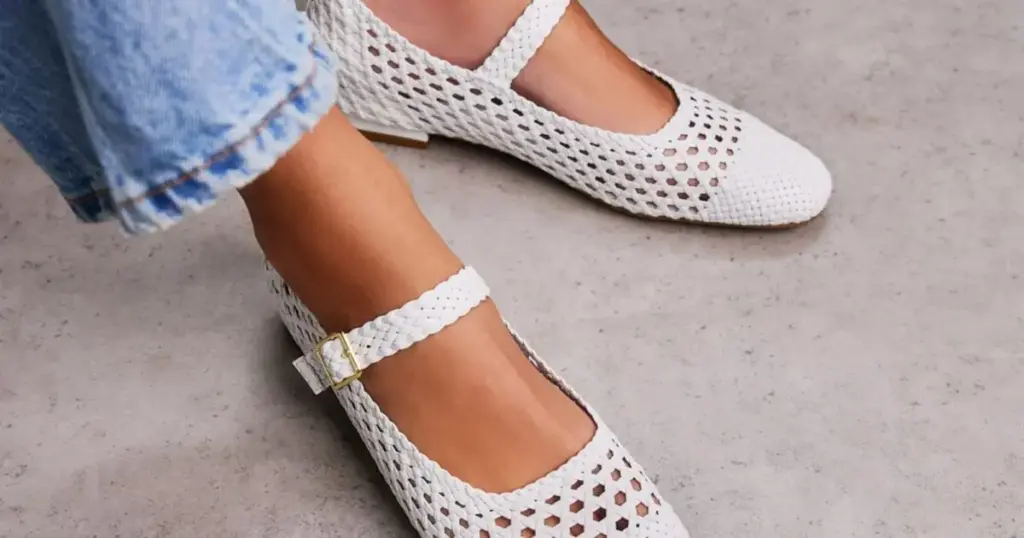
For decades, the flat shoe has occupied a foundational, unassailable position in the global footwear roster. From the timeless grace of traditional ballet pumps to the practical utility of loafers, mules, and emerging hybrids like ballet sneakers, flat shoes remain the ultimate synthesis of comfort and versatility. They are built for the daily commute, reliable for long hours at the office, and easily dressed up or down depending on the nuances of their design. As we navigate the evolving fashion landscape of 2026, where trends like mesh flats and sport-inspired silhouettes (such as Puma’s Speedcat ballet sneakers) dominate consumer interest, a deeper cultural shift is taking place alongside these fleeting micro-trends.
Modern consumers are no longer satisfied with aesthetic appeal alone. The ecological and ethical footprints of our wardrobes are under unprecedented scrutiny, and footwear remains one of the most complex sectors in the fashion industry to reform. Shoes are notoriously difficult to recycle due to their multi-component construction—often combining synthetic glues, mixed textiles, rubber, and metals into a single, fused product. Consequently, millions of pairs end up in landfills annually, where they persist for centuries.
This comprehensive guide cuts through the greenwashing of the modern retail market. Curated using rigorous, independent sustainability ratings—such as those established by Good On You—we examine what truly defines a sustainable flat shoe in 2026. We explore the material science driving innovation away from virgin synthetics and animal exploitation, evaluate circular economic models, and highlight six top-rated brands that are proving style and ethics do not have to be mutually exclusive. Whether you are searching for plant-based leather alternatives, organic cotton, or closed-loop manufacturing systems, this editorial outlines the path forward for conscious footwear consumers.
Detailed Chronology: The Evolution of Sustainable Footwear
To understand where the ethical flat shoe market stands today, it is instructive to look back at how the intersection of footwear and sustainability has evolved over the past two decades.
- The Early 2000s (The Niche Beginnings): Ethical fashion was largely relegated to alternative subcultures. The market for vegan or eco-friendly shoes was practically non-existent outside of coarse, unrefined hemp sandals or rigid canvas slip-ons. Major brands treated sustainability as an afterthought, if they considered it at all.
- 2004 (Pioneering Independent Design): In Melbourne, Australia, the founding of independent labels like Elk began to shift the paradigm. Designers started asking foundational questions about supply chain transparency, proving that regional design could prioritize simplicity, longevity, and ethical manufacturing without sacrificing modern style aesthetics.
- The 2010s (The Rise of Vegan Alternatives and Fast-Fashion Reckoning): As awareness of animal agriculture’s environmental toll grew, demand for vegan leather surged. However, early alternatives relied heavily on Polyvinyl Chloride (PVC) and polyurethane (PU)—petroleum-derived plastics that presented their own environmental hazards. Brands began reckoning with the reality that "vegan" did not automatically equal "sustainable."
- 2016 (The Anti-Overproduction Movement): Frustrated by an industry defined by excess, overproduction, and relentless micro-trends, designers like Marre Muijs founded labels such as ESSÄN. Rejecting the traditional fashion calendar entirely, these brands pioneered permanent collections, low-waste cutting techniques, and strictly limited production runs to combat the staggering waste crisis plaguing the footwear sector.
- The Early 2020s (Material Science Breakthroughs): Driven by consumer demand and tightening global regulations, material science experienced a renaissance. Laboratories and eco-innovators began transforming agricultural waste—such as apple peels, grape skins, hemp, and bio-oils—into high-performance, durable textile alternatives that mimic traditional leather without the associated carbon footprint or animal welfare concerns.
- 2026 (The Current Landscape of Circularity and Radical Transparency): Today, sustainability is no longer a peripheral marketing buzzword; it is a core operational metric. Rating systems like Good On You evaluate thousands of brands using rigorous, multi-data methodologies assessing impact on people, the planet, and animals. Consumers now have access to verified, high-rating brands offering everything from apple-skin loafers to made-to-order, zero-waste vegan flats.
Supporting Context & Metrics: The Anatomy of a Sustainable Flat Shoe
When evaluating flat shoes through a sustainability lens, consumers must look beyond surface-level claims. The environmental impact of a shoe is determined by a complex matrix of material sourcing, labor practices, manufacturing energy, and end-of-life disposal.
1. The Material Dilemma: Leather vs. Synthetic vs. Plant-Based
- Animal Leather: While traditional leather is durable and biodegradable, the livestock industry is a primary driver of global deforestation, heavy water consumption, and massive greenhouse gas emissions (particularly methane). Furthermore, the chemical tanning process often utilizes toxic heavy metals like chromium, which can pollute local water systems if not strictly managed. For those who choose leather, certification bodies like the Leather Working Group (LWG) are essential indicators that the hide has been sourced from tanneries meeting strict environmental and waste-management standards.
- Synthetic Alternatives (PU and PVC): Traditional vegan leather has historically relied on fossil fuels. These materials do not break down easily, shedding microplastics into the environment over time.
- Next-Gen Bio-Materials: The gold standard for 2026 involves innovative bio-based alternatives. Brands are increasingly utilizing waste streams from agriculture—such as apple pomace from the juice industry, leftover grape skins from winemaking, sturdy hemp, and bio-oil-based compounds combined with recycled natural rubber. These materials drastically reduce reliance on virgin petrochemicals while utilizing existing agricultural byproducts.
2. Supply Chain Labor and Living Wages
Sustainability is not purely ecological; it is deeply social. The global footwear industry has historically been plagued by labor exploitation, unsafe working conditions, and poverty wages, particularly within outsourced manufacturing hubs. True ethical brands prioritize radical supply chain transparency, ensuring that their manufacturing partners pay a verified living wage, provide safe working environments, and undergo regular third-party audits to protect human rights from farm to factory floor.
3. Production Waste and Circular Models
Traditional shoe manufacturing generates an immense amount of cutting waste, with excess material routinely discarded. Forward-thinking brands are combating this through:
- Made-to-Order Models: Producing shoes only after an order is placed, eliminating overstock and unsold inventory sent to landfills.
- Low-Waste Cutting Techniques: Utilizing digital pattern optimization to minimize fabric and textile scraps.
- The Secondhand Economy: As sustainability experts frequently emphasize, the most sustainable garment or shoe is the one already in existence. Shopping platforms like Vinted, eBay, and local thrift stores remain premier destinations for acquiring high-quality flats without generating any new manufacturing demand.
Spotlight on Top-Rated Ethical Flat Shoe Brands
For those in search of new, mindfully crafted footwear, our editors have curated six standout brands independently rated as "Good" or "Great" against world-leading fashion sustainability methodologies.
1. Agazi
- Origin: Poland
- The Vibe: Contemporary, chic, and uncompromisingly vegan.
- Sustainable Highlights: Agazi specializes in innovative vegan footwear spanning sneakers, sandals, heels, and everyday flat shoes. Moving away from standard petroleum-based synthetics, the brand champions next-generation plant-based materials. Their collections prominently feature hemp as well as bio-leathers derived from agricultural waste, including apple skin and grape-based alternatives. Agazi proves that high-fashion aesthetics can be achieved entirely free of animal exploitation and virgin plastics.
2. ESSÄN
- Origin: Global / Independent Design
- The Vibe: Minimalist, timeless, and anti-trend.
- Sustainable Highlights: Founded in 2016 by Marre Muijs as a direct critique of an industry defined by overproduction and waste, ESSÄN takes a radical stance against the traditional fashion calendar. The brand completely eschews seasonal trend-chasing in favor of a single, permanent collection of meticulously crafted shoes and accessories. By limiting production runs and employing precise low-waste cutting techniques, ESSÄN ensures that every pair of shoes is built to last a lifetime rather than a single season.
3. Elk
- Origin: Melbourne, Australia
- The Vibe: Contemporary independent design rooted in simplicity.
- Sustainable Highlights: Founded in Melbourne in 2004, Elk has long been a pioneer of independent Australian design. The brand creates thoughtfully curated bi-annual collections informed by a distinct design ethos where sleek simplicity meets environmental innovation. Elk focuses on responsible material selection, robust supply chain transparency, and fostering long-term relationships with ethical manufacturers. Most items in their footwear and apparel ranges are widely accessible in Australian sizes 6 through 18.
4. Reformation
- Origin: Los Angeles, USA
- The Vibe: Effortless, feminine, and California-cool.
- Sustainable Highlights: L.A.-based Reformation operates under the banner of creating "killer clothes that don’t kill the environment." Known widely for its dresses and apparel, the brand brings the same rigorous sustainability standards to its footwear line. Reformation actively tracks and reports its greenhouse gas emissions, invests heavily in renewable energy, ensures that a measurable proportion of its supply chain partners pay a verified living wage, and provides ongoing training to improve working conditions across its network. Their range is impressively inclusive, available in sizes XS through 3XL.
5. Vesica Piscis
- Origin: Spain
- The Vibe: Conscious, artisanal, and durable vegan footwear.
- Sustainable Highlights: Based in Spain, Vesica Piscis is a dedicated vegan footwear brand that integrates environmental stewardship into every stage of production. The brand utilizes a remarkably high proportion of lower-impact materials, incorporates renewable energy directly into its manufacturing facilities, and operates on a strict made-to-order basis to eliminate overproduction waste. Their durable, thoughtfully designed shoes are typically available in sizes 36 through 46.
6. Etiko
- Origin: Australia
- The Vibe: Casual, activist-driven, and socially conscious classics.
- Sustainable Highlights: Etiko is an Australian designer of organic, fair-trade clothing and footwear that consistently sets the benchmark for corporate social responsibility. The brand actively campaigns for and upholds the human rights of workers trapped in traditionally exploitative industry supply chains. Utilizing organic cotton, fair-trade rubber, and ethical labor practices, Etiko ensures that every pair of shoes carries a transparent and positive social impact. Their apparel is available in AU sizes 8 through 20, while their footwear spans UK sizes 3 through 13.
Official Statements and Industry Insights
The shift toward sustainable footwear is backed by broader industry transformations and expert consensus. Commenting on the structural flaws of traditional manufacturing, independent designers and sustainability advocates emphasize a collective need for systemic change.
Marre Muijs, founder of ESSÄN, articulated the foundational philosophy driving modern conscious labels:
"I founded ESSÄN in 2016 as a response to a fashion cycle that overproduces more than it carefully crafts, chases trends more than it determines classics, and wastes more than it sustains."
This sentiment echoes across the wider sustainable fashion community. Industry analysts note that as Gen Z and Millennial consumers increasingly prioritize circular business models, brands can no longer rely on vague, unverified eco-friendly claims. Independent rating systems like Good On You serve as vital navigational tools, providing consumers with objective, data-backed insights into how brands genuinely manage their impact on people, the planet, and animals.
Furthermore, material scientists point out that the future of footwear lies in regional circular economies. By utilizing local agricultural byproducts—such as European apple and grape waste—brands reduce shipping emissions associated with raw material transport while simultaneously supporting regional agricultural sectors.
Future Outlook: Where Ethical Footwear Is Headed
As we look beyond 2026, the trajectory of the sustainable flat shoe market points toward several key developments:
- Mainstream Adoption of True Circularity: The concept of "take-make-dispose" is rapidly losing ground to circular design frameworks. Footwear brands are increasingly experimenting with mono-material construction or easily detachable components, making shoes significantly easier to disassemble, recycle, or compost at the end of their lifecycle.
- Advanced Bio-Fabrication: Expect to see continued breakthroughs in lab-grown and plant-derived materials. As mycelium (mushroom leather), cactus fibers, and agricultural waste polymers become more refined and scalable, the reliance on both animal leather and fossil-fuel-based synthetics will steadily decline.
- Digital Product Passports (DPPs): Driven by incoming global regulations, transparency will reach new heights through digital tags embedded in shoes. Consumers will be able to scan a QR code on their flat shoes to instantly view the exact farm where the materials were grown, the factory where they were assembled, and verified proof that living wages were paid throughout the supply chain.
- The Resurgence of Care and Repair: A cultural shift is occurring where repairing worn-out soles and heels is no longer viewed as an inconvenience, but as a badge of honor. Brands are increasingly offering repair services and care kits to extend the longevity of their footwear, reinforcing the idea that true sustainability begins with keeping what we already own in circulation for as long as possible.
For more comprehensive guides on conscious fashion, bookmark our ultimate guide to footwear and explore thousands of independently rated brands via the Good On You Directory.



