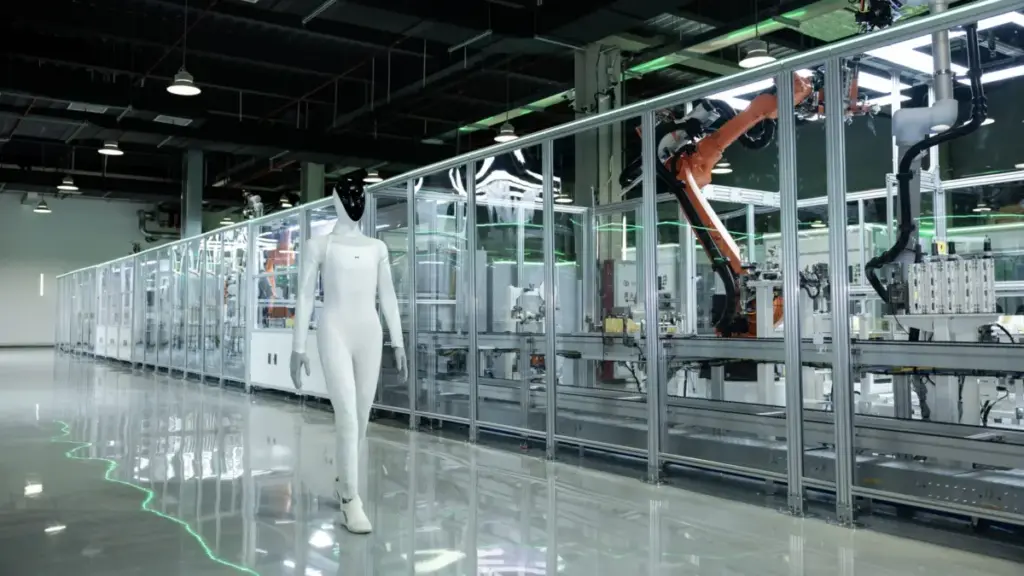
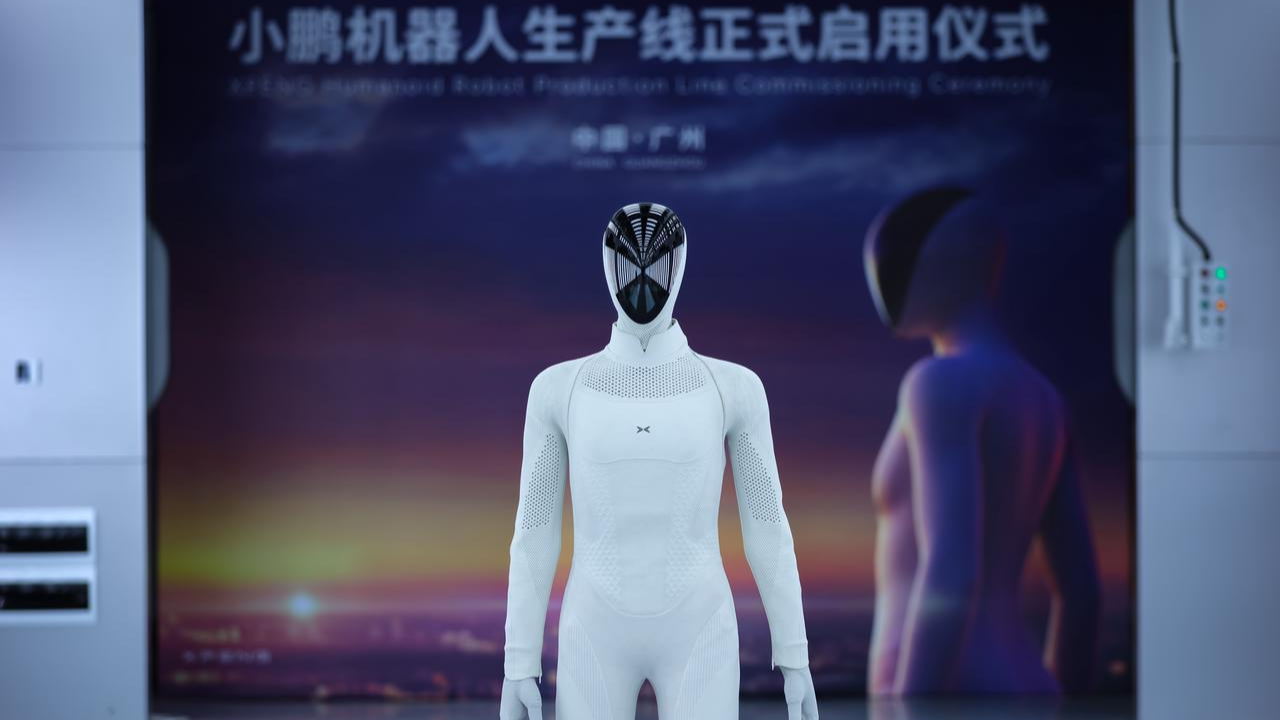
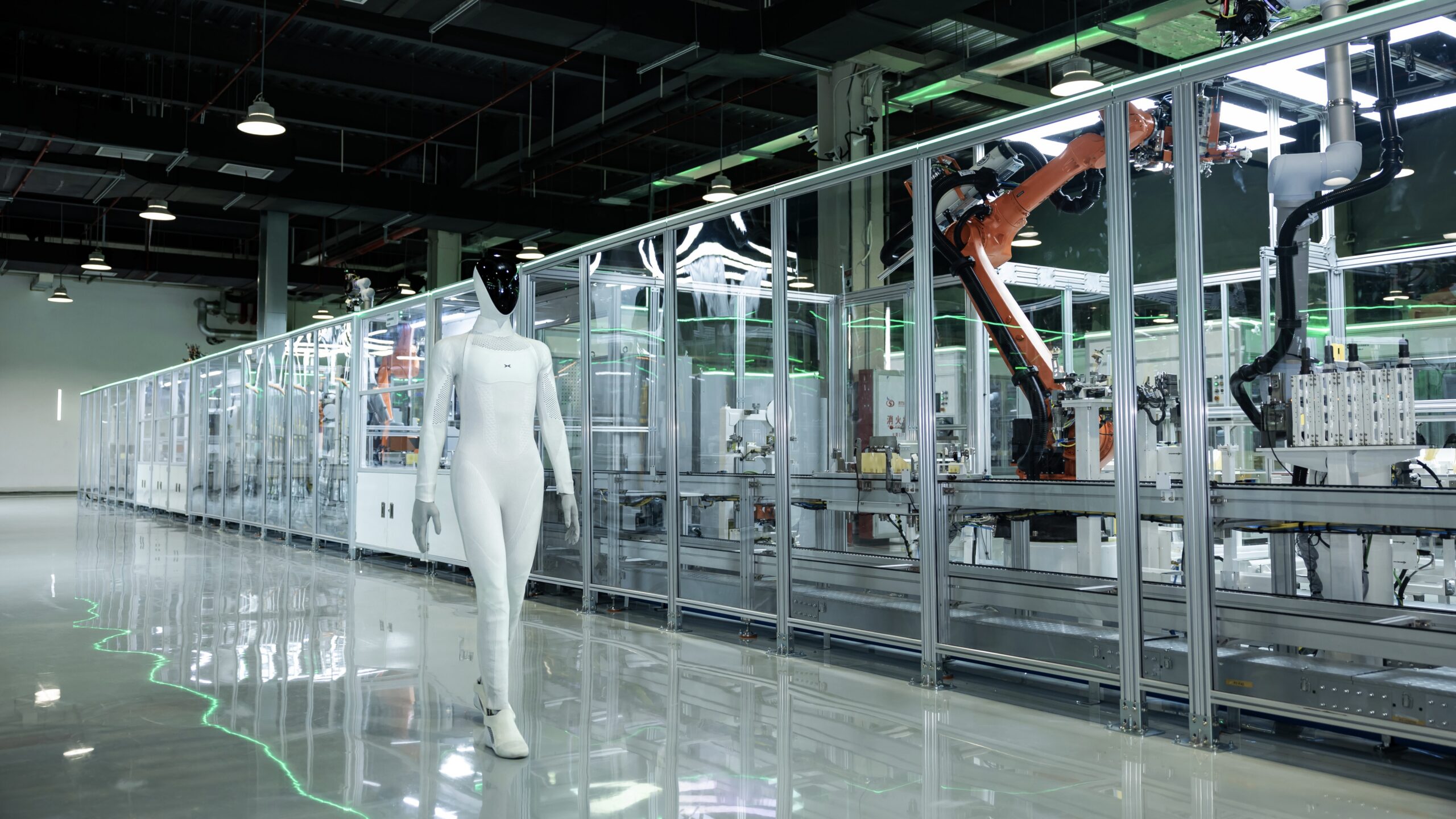
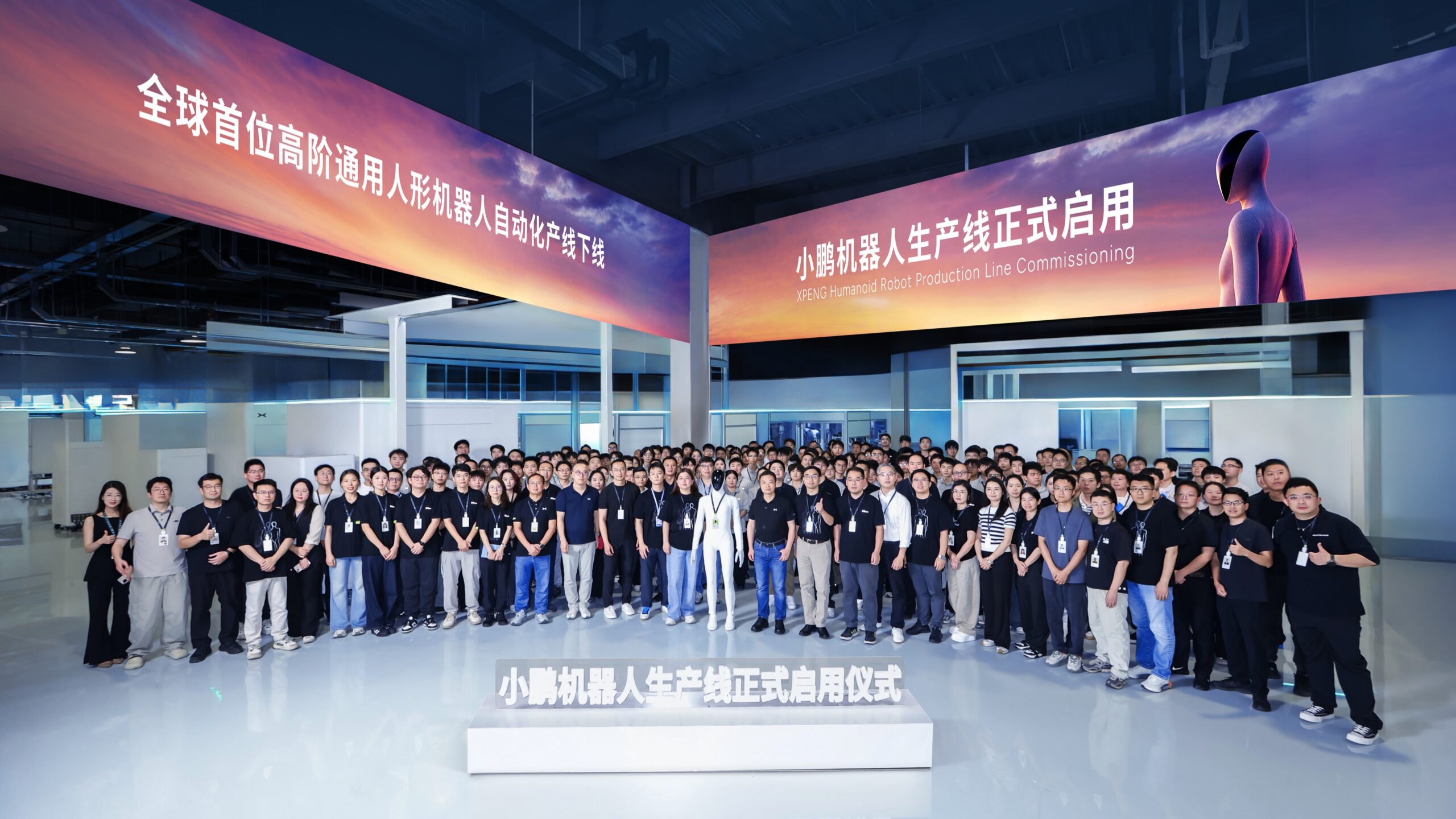
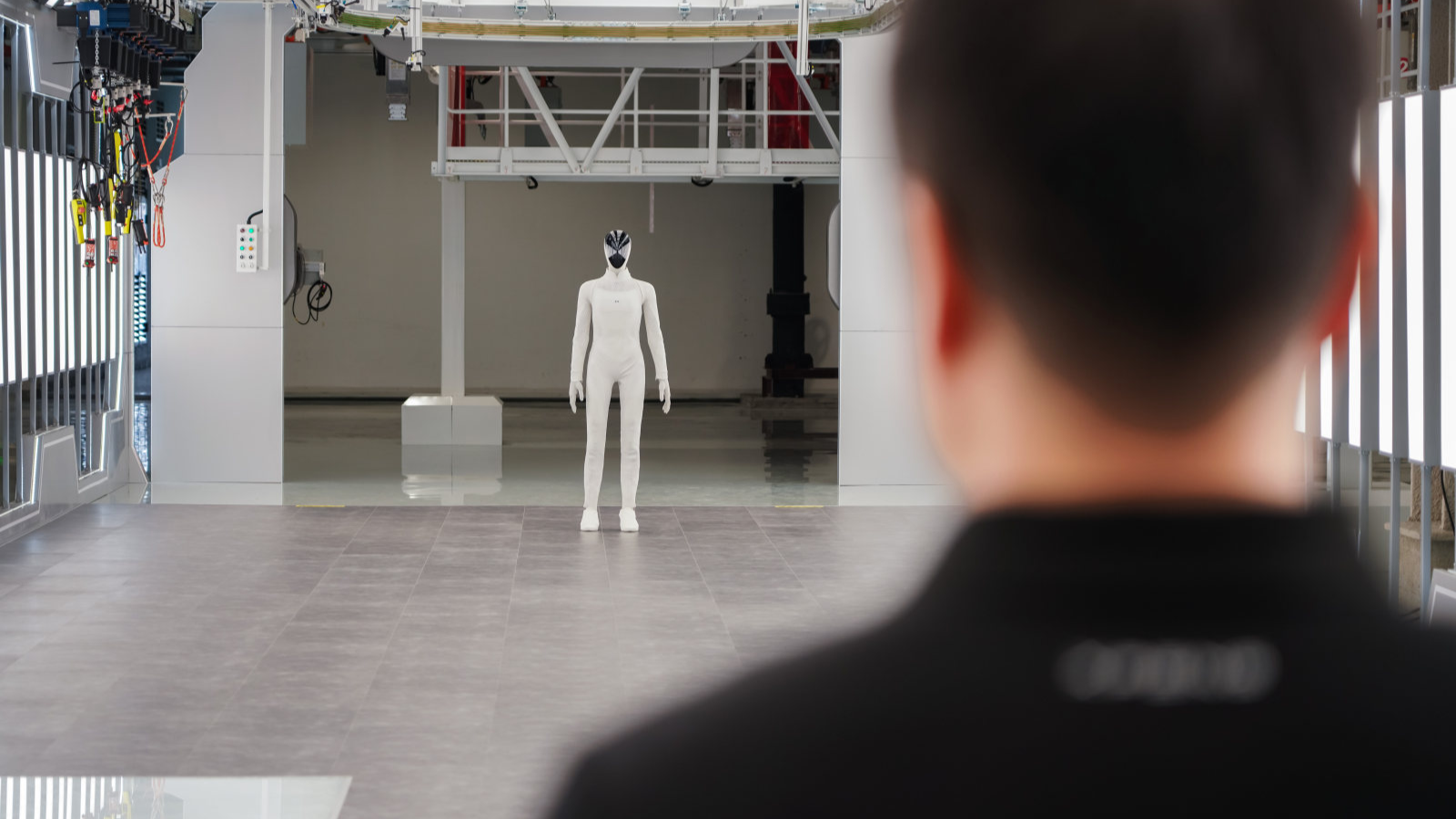
In a milestone event that could fundamentally reshape the global robotics landscape, XPENG’s advanced humanoid robot, IRON, autonomously walked off a high-precision manufacturing line in Guangzhou, China. The event marks a critical turning point for the robotics industry, bridging the gap between research-and-development (R&D) prototypes and mass-production industrial scaling.
Unlike previous humanoid robot demonstrations—which have frequently relied on tethered connections, remote operators, or tightly scripted routines—IRON achieved complete autonomy from the moment it left the assembly line. Powered by XPENG’s proprietary Physical AI foundation model, the robot leverages a massive, automotive-grade manufacturing ecosystem. With automation rates exceeding 80% and a supply chain that shares over 85% of its architecture with XPENG’s established electric vehicle (EV) operations, IRON represents a potent synergy between mass-market automotive engineering and advanced general-purpose robotics.
This development positions XPENG at the vanguard of the humanoid robotics sector, challenging legacy assumptions about market dominance and signaling a rapid acceleration in the commercialization of embodied artificial intelligence.
Detailed Chronology: From Concept to Autonomous Assembly
The Milestone Morning in Guangzhou
On the morning of September 8, industrial history was quietly made inside XPENG’s advanced manufacturing facility in Guangzhou. As workers globally prepared to return from late-summer holiday cycles, XPENG’s engineering teams watched their years of painstaking labor materialize into a moving, breathing reality. IRON stepped off the assembly line unassisted, navigating its immediate environment without human intervention, remote controls, or pre-programmed safety nets.
This event marks the culmination of an aggressive development cycle that gained immense momentum earlier this year. Just weeks prior to the rollout, XPENG’s robotics division secured over $900 million USD in a private financing round, achieving a post-money valuation exceeding $6.3 billion. This transaction stands as the largest single-round private financing ever recorded within China’s burgeoning embodied AI sector, providing the necessary capital to transition IRON from experimental designs to commercial-grade manufacturing.
Engineering for Mass Production
The creation of IRON’s production line required engineers to chart entirely new territory. According to XPENG Chairman and CEO He Xiaopeng, the production infrastructure was built entirely from scratch with no historical precedent to follow.
Achieving this required scaling up automotive-grade quality control protocols and applying them to high-precision robotics. By utilizing an automated manufacturing workflow exceeding 80% efficiency, XPENG has managed to sidestep the painstaking, artisanal assembly methods that historically plague robotics startups. Furthermore, by anchoring 85% of IRON’s supply chain in the existing, mature infrastructure of XPENG’s EV business, the company has heavily optimized component costs while guaranteeing rigorous reliability standards.
Supporting Context & Metrics: Hardware, Software, and Physical AI
To understand the technological significance of IRON, one must examine the convergence of its physical architecture and its underlying software stack. XPENG claims the distinction of being the sole robotics enterprise in China—and one of the few globally—maintaining a fully in-house, end-to-end technology stack. This ecosystem spans artificial intelligence models, data infrastructure, computing power units, the physical robot body, and the manufacturing assembly systems themselves.
Physical Architecture and Biomechanics
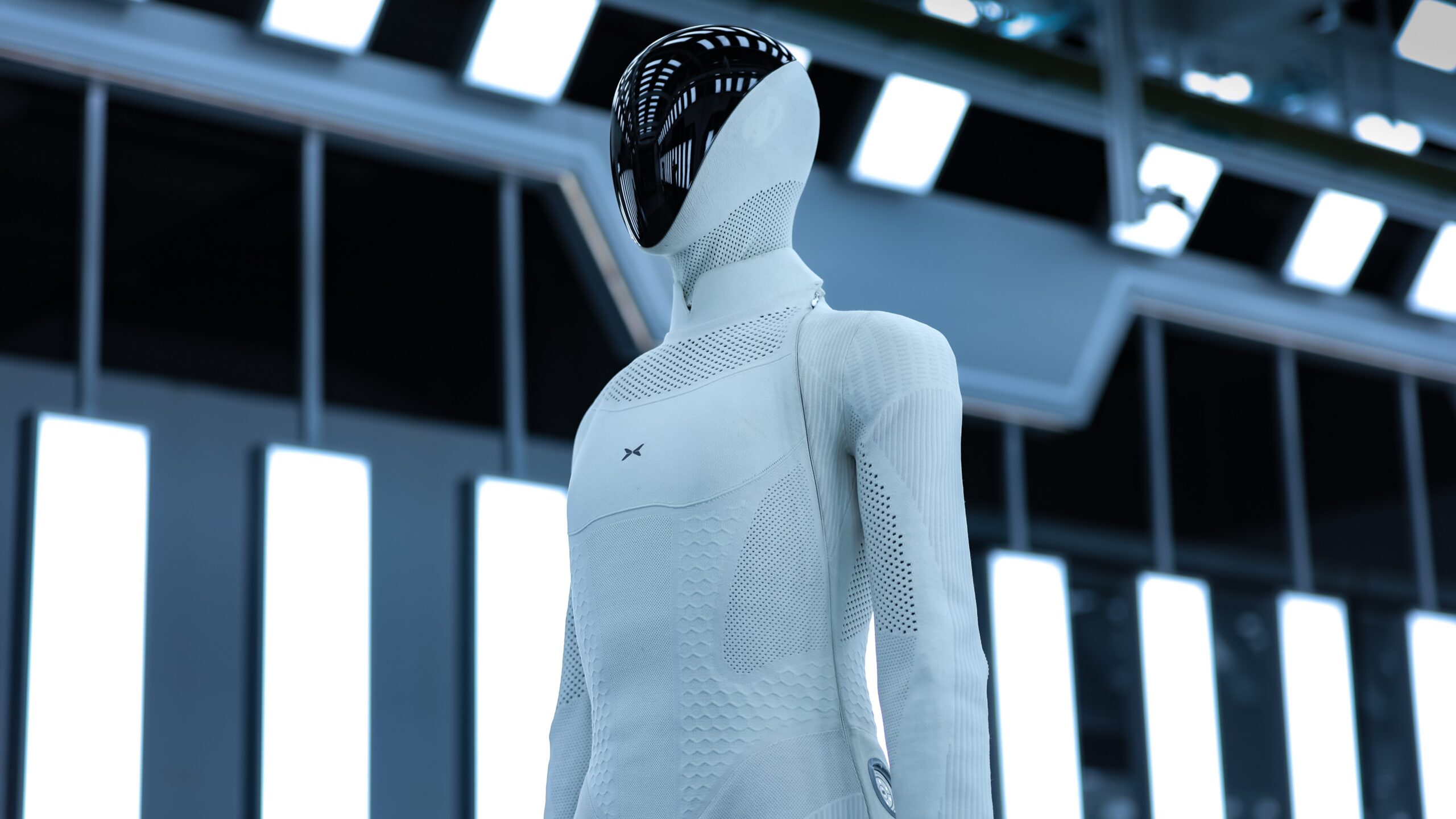
Standing at 1.73 meters (5 feet 8 inches) and weighing 65 kilograms (143 pounds), IRON closely mirrors human proportions, allowing it to navigate spaces originally designed for human workers.
Degrees of Freedom (DoF): The robot features a highly dexterous total of 76 degrees of freedom across its entire skeletal and muscular frame. Notably, each of its hands possesses 21 degrees of freedom, granting it the fine motor skills required to manipulate delicate objects, handle tools, and interact seamlessly with everyday environments.
Bio-Inspired Spine: IRON incorporates a biomechanically inspired spinal structure within its waist, ensuring fluid, human-like gait mechanics and posture adjustments.
Safe Tactile Interaction: Encased in a soft, fabric-like skin backed by a protective internal mesh, IRON is engineered to mitigate physical damage during accidental collisions, creating a safer environment for human coworkers.
Brainpower and the Physical AI Foundation
At the neurological core of IRON lies XPENG’s proprietary Physical AI foundation model—the same core intelligence that drives the company’s advanced intelligent driving cars and experimental flying vehicles.
Computing duties are handled by three in-house developed Turing AI chips, delivering a staggering combined processing power of 2,250 TOPS (Tera Operations Per Second). This mirrors the high-end computing architecture found in XPENG’s Ultra-trim vehicles equipped with VLA 2.0 autonomous driving capabilities. On-device deployment of this magnitude enables low-latency inference, keeping data processing local to enhance security and reaction speeds.
Conversational Intelligence and Navigation
Multimodal Large Language Models (LLMs): IRON features advanced multi-modal language processing capabilities, supporting bilingual interaction in both Chinese and English with fluid conversational switching.
Long-Term Memory: The system incorporates facial recognition architecture paired with permanent memory storage, allowing the robot to remember recurring human interactions and tailor its responses over time.
Autonomous Obstacle Avoidance: Utilizing real-time spatial mapping and reinforcement learning, IRON plans routes, executes instructions, and dynamically avoids hazards in complex environments without human oversight.
Autonomous Power Management: Demonstrating complete self-sufficiency, IRON can independently locate charging stations, manage dock connections, and execute maintenance protocols even in the face of minor equipment anomalies.
Official Statements and Industry Insights
The rollout of IRON has catalyzed intense debate regarding the competitive dynamics of the global robotics and clean energy vehicle markets. Industry watchers are increasingly contrasting XPENG’s rapid execution with the shifting timelines of Western competitors, most notably Tesla.
While Tesla initially captured the global imagination with its early conceptualization of the Optimus humanoid robot and aggressive long-term EV volume projections, the company has faced persistent production bottlenecks and delayed deployments. Observers note that while Tesla maintains a high valuation built upon future technological promises, companies in Asian manufacturing hubs—particularly within China’s highly integrated EV and tech ecosystems—are rapidly converting theoretical concepts into tangible, revenue-generating products.
Reflecting on the company’s foundational philosophy during the launch, He Xiaopeng emphasized the necessity of vertical integration:
"The robot production lines were created from scratch with no precedent to follow. Today’s step is small, but XPENG is building the production lines for an entirely new product category. Looking ahead, XPENG will continue to explore faster production rhythms and greater scale in robot manufacturing, charting a new path toward a leading robot manufacturing industry in China and globally."
Expanding on the necessity of developing proprietary technologies across every tier, He added:
"Only by going deep across every layer can we build something truly different."
Financially, XPENG enters this new product phase from a position of relative operational strength. The company recently reported a gross profit margin of 20.7%, outperforming several traditional automotive and pure-play tech competitors. Management has signaled that as robotic production scales, margins for humanoid units are anticipated to outpace those of the core EV business, positioning robotics not merely as a high-tech diversion, but as a primary pillar of future corporate profitability.
Future Outlook: Commercialization Roadmap
XPENG has outlined a structured, multi-phase commercial deployment strategy designed to test, verify, and scale IRON across diverse operational environments:
Phase 1 — Initial Internal Deployment (Late 2026):
Following its debut, IRON units will be immediately deployed across XPENG’s corporate campuses, showrooms, and retail locations. Operating as greeters, guides, and tour facilitators, the robots will leverage their human-like form factor to refine human-robot interaction metrics under real-world conditions.
Phase 2 — Scenario Verification (Q4 2026):
Data gathered from initial showroom deployments will feed back into the Physical AI model. Additional proprietary operational scenarios will be stress-tested and validated internally before broader release.
Phase 3 — External Commercial Deliveries (2027):
XPENG plans to initiate formal external customer deliveries targeting markets both within China and across international sectors. Initial commercial footprints will focus heavily on retail, hospitality, and service industries where direct human engagement is paramount.
Phase 4 — Industrial and Home Integration (Long-Term):
As production costs decline and algorithmic efficiency scales, IRON’s deployment envelope will expand into heavy commercial, manufacturing, and eventually domestic household environments.
Conclusion
XPENG’s achievement with IRON represents more than a technical triumph over the physical constraints of humanoid engineering. By marrying automotive-grade manufacturing rigor with a unified, end-to-end Physical AI architecture, XPENG has transformed humanoid robotics from speculative science fiction into an active industrial asset.
As other global competitors grapple with hardware constraints and delayed promises, XPENG’s autonomous assembly line marks the opening salvo of a new industrial revolution. If the company successfully executes its roadmap through 2027 and beyond, IRON may fundamentally redefine how humanity interacts with intelligent automation—not just in the workplace, but across every facet of modern daily life.