

Executive Overview
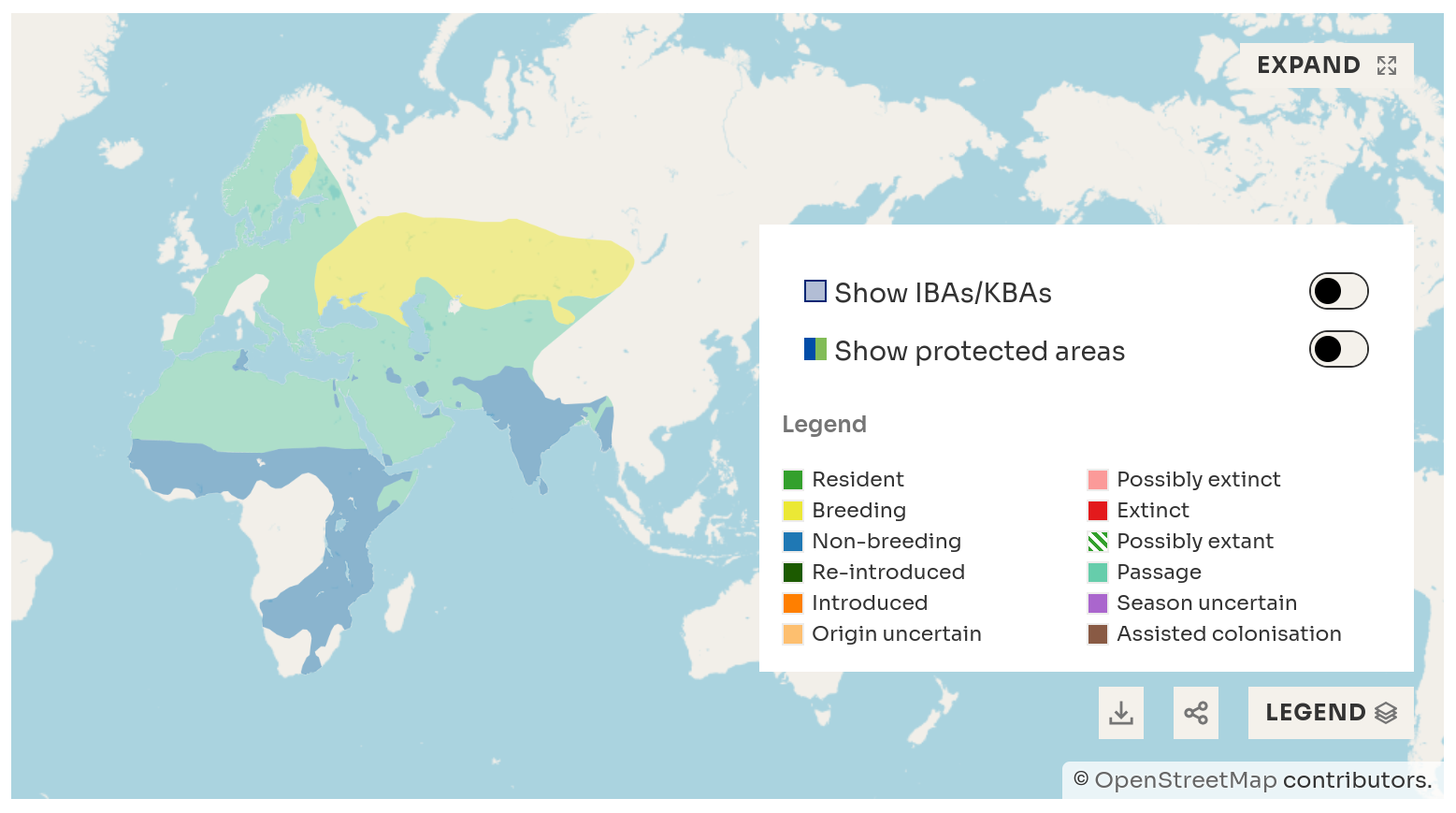
Twice every year, an extraordinary spectacle unfolds across the globe. Millions of birds representing hundreds of distinct species embark on monumental migrations, journeying between their breeding grounds in Europe and Asia and their non-breeding, wintering habitats across the vast expanse of Africa. These aerial voyagers cross vast oceans, continents, and geopolitical borders, driven by ancient instincts to secure food, shelter, and suitable climates. Yet, despite decades of ornithological study, humanity’s understanding of their exact pathways, stopover sites, and the precise hazards they encounter along the way remains startlingly incomplete.
Ahead of BirdLife International’s pivotal Global Flyways Summit in Nairobi, Kenya, conservation experts are sounding the alarm. Up to half of the bird species utilizing the expansive Africa-Eurasian flyway are currently in decline. Habitats that these animals rely on for survival—most notably critical African wetlands—are vanishing at an alarming rate due to human encroachment, escalating climate change, and unsustainable water extraction.
In an exclusive interview with Mongabay, Alex Ngari, who manages the migratory birds and flyways program for BirdLife Africa, shed light on these pressing issues. Ngari emphasized that migratory wildlife cannot be compartmentalized by national boundaries. Instead, they represent a shared global heritage whose survival demands a unified, borderless safety net. Bridging the scientific knowledge gaps, securing transboundary funding, and balancing local human livelihoods with conservation imperatives are the defining challenges for the future of avian protection.
Detailed Chronology & Evolution of Tracking Migratory Birds
For generations, humanity’s ability to monitor the movements of migratory birds was remarkably crude. Until relatively recently, scientists relied almost entirely on a method known as "ringing" or banding.

The Limitations of Traditional Ringing
Ringing involves placing a lightweight, uniquely numbered metal band around a bird’s leg, typically while it is caught in a mist net on its breeding grounds. While this method has yielded invaluable baseline data over the past century, it suffers from profound systemic flaws. Piecing together a bird’s year-long itinerary depends entirely on serendipity:
- A ringed bird must be recaptured or found dead.
- The person who finds the bird must recognize the significance of the metal band.
- The detailed encounter data must successfully navigate language and bureaucratic barriers to reach a coordinating scientific authority.
Because of these logistical bottlenecks, our knowledge of species like the vulnerable curlew sandpiper (Calidris ferruginea)—which breeds in remote Siberia and disperses everywhere from South Asia to East and Southern Africa during the northern hemisphere winter—has remained patchy at best. Scientists have long known that they arrive, but how they get there, which exact rest stops they depend on, and the specific threats they face en route have remained hidden in the shadows.
The Technological Revolution: Tiny Electronic Trackers
The conservation landscape began to shift dramatically with the advent of lightweight, highly reliable electronic tracking devices. Modern GPS and satellite tags can now be securely fitted to many bird species, broadcasting precise real-time locations directly to researchers.
These tiny trackers have revolutionized our understanding of migratory pathways, illuminating previously unknown stopover sites and revealing micro-habitats that require urgent protection. However, this technological leap comes with steep financial hurdles. Tracking technology remains exceptionally expensive, particularly when scaling down tags to sizes light enough for smaller-bodied migratory birds to carry without impeding their flight mechanics or survival.

Supporting Context & Metrics: The Crisis Across the African Flyway
The Africa-Eurasian flyway is one of the world’s premier avian superhighways, yet it is plagued by systemic environmental degradation. The most severe threat centers on the loss and fragmentation of critical stopover wetlands.
The Disappearing Wetlands of Africa
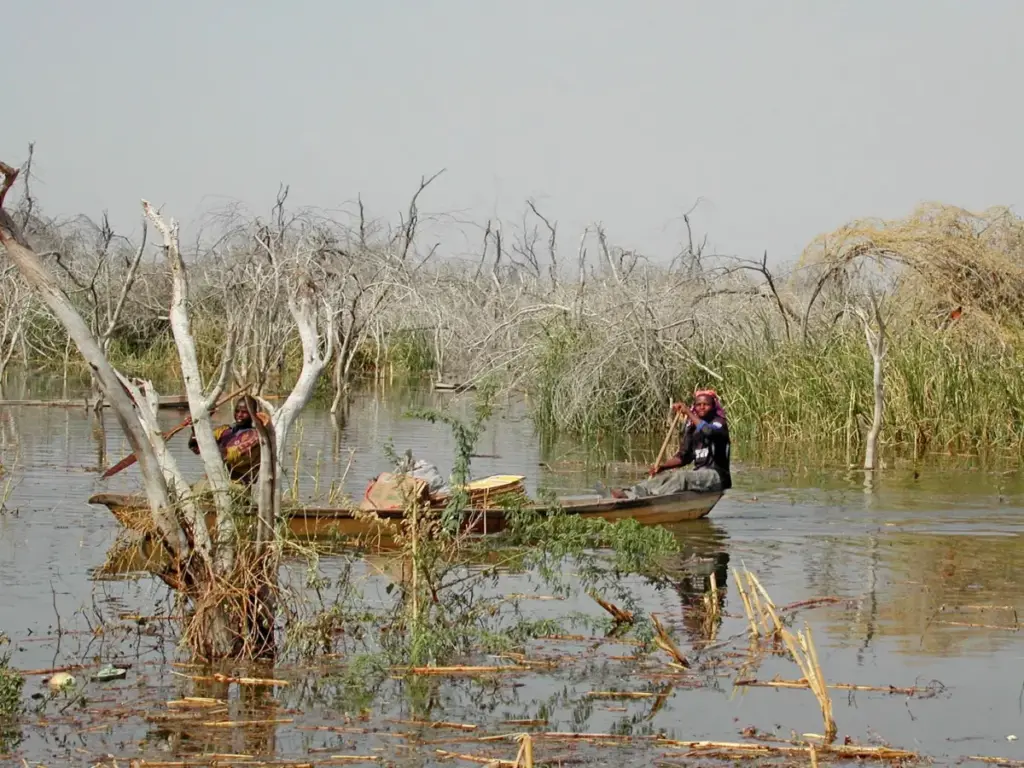
Wetlands are the lifeblood of migratory birds, acting as essential refueling stations where exhausted flyers can rest, drink, and forage before continuing their grueling journeys. However, data indicates that since the 1970s, approximately 22% of all wetlands in Africa have completely disappeared. This rapid degradation is driven by a toxic mix of human population growth, agricultural encroachment, climate change, and unsustainable water extraction for irrigation and industry.
During his interview with Mongabay, Alex Ngari highlighted several high-priority sites across the African continent that are currently facing unprecedented ecological stress:
- Lake Chad: Serving as a crucial oasis after birds brave the blistering expanse of the Sahara Desert, Lake Chad is heavily impacted by climate change and human extraction. Astoundingly, 90% of the lake has disappeared, forcing migrating populations into intense competition for the rapidly shrinking remaining habitat.
- The Tana River Delta (Kenya): This diverse ecosystem supports a massive array of bird species, but it is increasingly choked by agricultural expansion. Proposed dam construction further upstream threatens to alter the natural hydrological flow, intensifying the land-use conflict between local human livelihoods and wildlife conservation.
- The Nyabarongo Wetlands (Rwanda): A complex matrix of papyrus swamps and marshes surrounding the Nyabarongo River, this site is vital for near-threatened species like the pallid harrier (Circus macrourus) and the endangered Malagasy pond heron (Ardeola idae). Ongoing agricultural conversion, papyrus harvesting, and heavy sedimentation are steadily rendering the habitat uninhabitable.
- The Bijagós Archipelago (Guinea-Bissau): Hosting more than a million wintering birds annually, this West African coastal sanctuary faces severe pressure from overfishing—which depletes the birds’ food supplies—and rising sea levels that submerge the vital mudflats required for resting and foraging.
In total, BirdLife International has identified 471 priority conservation sites along the Africa-Eurasian Flyway that urgently require targeted intervention.

Official Statements & Expert Analysis
To understand why these habitat losses present such a catastrophic risk, one must examine the broader implications of scientific data gaps and geopolitical fragmentation.
The Danger of Knowledge Gaps
According to Alex Ngari, the lack of comprehensive tracking data for every migratory species creates a cascading series of conservation failures:
- Incomplete Migratory Cycles: "Knowing and conserving the [Asian or European] breeding grounds of these migratory birds is not enough," Ngari notes. Conservationists must understand the full migratory cycle to create a safe end-to-end corridor. Without this, hidden blind spots will continue to doom populations.
- Misaligned Priorities: Generalized knowledge often leads to flawed resource allocation. Conservation efforts might be heavily funneled into protecting a specific area, yet globally threatened species may receive zero benefit simply because researchers do not know where those specific birds travel.
- Climate Change Blindness: Without comprehensive movement data, scientists cannot accurately model how shifting climates will impact specific stopover habitats, making proactive intervention nearly impossible.
- Impeded International Policy: Bilateral and multilateral treaties require hard data to justify cross-border legal frameworks. Without knowing precise origins and destinations, nations struggle to form meaningful diplomatic alliances for wildlife protection.
Financial and Legislative Imbalances
Another major hurdle in protecting the Africa-Eurasian flyway is the glaring disparity in transboundary funding and legislation. Europe has long established robust, budget-supported legal frameworks such as the EU Birds Directive, which legally mandates the protection of wild bird species and their habitats across member states. Furthermore, European nations routinely dedicate significant financial resources to domestic and regional conservation projects.
Conversely, equivalent dedicated funding pools are largely absent across many African nations.

"One important fact that we all need to understand is that migratory birds do not belong to any one country, but are a shared global heritage, and their survival requires a borderless safety net," Ngari asserts. "These birds know no borders, which means that the conservation methods that we develop must be aware of that fact, and every country has a responsibility to protect them."
Future Outlook: A Borderless Strategy for Survival
As the Global Flyways Summit convenes in Nairobi, conservationists, policymakers, and researchers are pushing for a radical paradigm shift in how international wildlife management is funded and executed.
Balancing Human Needs and Wildlife Conservation
A recurring pitfall in historical conservation efforts has been socioeconomic isolation—the drafting of protection plans that ignore the economic realities of local human communities. Because many vital wetlands and stopover sites also serve as essential sources of human livelihood (through fishing, grazing, or small-scale farming), heavy-handed protectionism often breeds local resentment.
Ngari stresses that sustainable conservation in Africa must be structured as a win-win scenario:
- Local communities must tangibly benefit from the preservation of their surrounding ecosystems.
- Ecotourism, sustainable resource management, and community-led stewardship must be integrated into national policy frameworks.
Global Frameworks and Funding Pools
Moving forward, BirdLife International and its partners are actively advocating for a unified global funding pool specifically dedicated to migratory birds and their entire network of habitats. While international treaties already exist—such as the African-Eurasian Waterbird Agreement (AEWA) and the Convention on Migratory Species (CMS), alongside numerous bilateral Memorandums of Understanding (MOUs)—their true efficacy depends entirely on rigorous national-level implementation and enforcement.
The message emerging from Nairobi is clear: saving the world’s migratory birds requires stepping beyond isolated national boundaries. By combining cutting-edge tracking technology, equitable international funding, and community-integrated conservation models, the global community can weave the borderless safety net these remarkable travelers desperately need to survive for generations to come.



