Executive Overview
As the global community races to meet critical net-zero emissions targets, the imperative for rigorous, transparent, and multi-faceted carbon mitigation strategies has never been more urgent. On December 17, 2025, Sustainable Travel International officially released its fourth and final Climate Impact Portfolio for the year 2025. This comprehensive portfolio channels vital carbon finance into seven meticulously vetted carbon offset projects spanning the globe.
Unlike single-source carbon reduction initiatives, this latest portfolio adopts a diversified, ecosystem-wide approach. It allocates resources across four distinct project types: forestry conservation, clean energy transition, innovative climate technology, and blue/teal carbon ecosystem restoration. By distributing investments across these diverse categories, Sustainable Travel International ensures that its carbon finance mechanism not only pulls greenhouse gases from the atmosphere but simultaneously protects vulnerable biodiversity, empowers Indigenous and local communities, and fosters long-term economic resilience.
The release of Portfolio 4 marks a significant milestone in the organization’s ongoing mission to bridge the gap between conscientious travelers, corporations, and frontline environmental stewards. This in-depth report explores the metrics, methodologies, and real-world impacts of the seven projects comprising this milestone portfolio.

Detailed Chronology and Portfolio Architecture
The deployment of Sustainable Travel International’s fourth portfolio of 2025 is the culmination of months of rigorous auditing, field assessments, and strategic alignment with international climate frameworks. Released on December 17, 2025, the portfolio was designed to respond directly to the compounding ecological crises of tropical deforestation, coastal degradation, energy poverty, and marine waste accumulation.
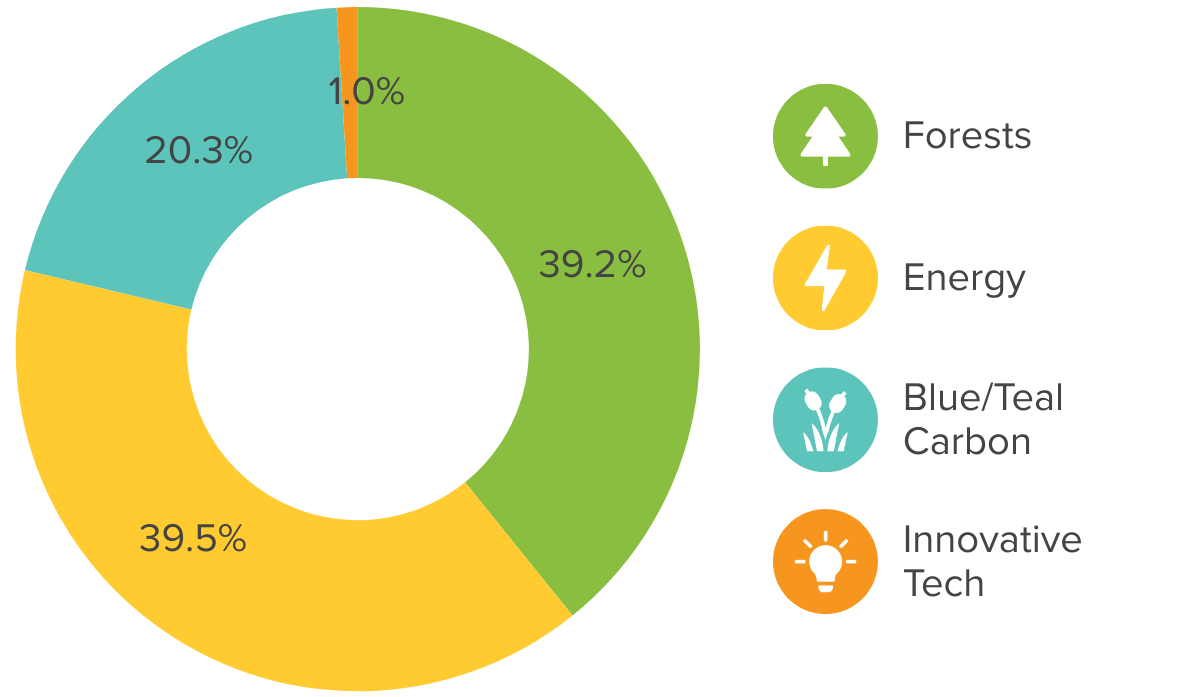
The structural makeup of Portfolio 4 reflects a strategic balance between immediate emissions reductions and long-term carbon sequestration. The portfolio’s Carbon Dioxide Equivalent ($textCO_2texte$) distribution encompasses:
- Forestry Projects: Protecting vital terrestrial carbon sinks against land conversion and logging.
- Energy Projects: Replacing fossil fuel dependence and hazardous household combustion with renewable generation and clean-cooking infrastructure.
- Blue/Teal Carbon Projects: Restoring marine and wetland ecosystems capable of locking away carbon at rates vastly superior to terrestrial forests.
- Innovative Climate Technology: Upcycling organic and marine waste into stable, carbon-sequestering materials like biochar.
Each of the seven projects—Sargassum Recovery for Clean Coasts (Mexico), Valle Paleazza (Italy), Keo Seima Wildlife Sanctuary (Cambodia), Garo Clean Cookstoves (India), Khalladi Wind Farm (Morocco), Yaeda-Eyasi Landscape (Tanzania), and Rimba Raya Biodiversity Reserve (Indonesia)—was chosen based on its verified additionality, permanence, and co-benefits for local human populations.
Supporting Context & Metrics: Impact in Numbers
Quantifying the success of a modern climate portfolio requires looking beyond raw metric tons of carbon dioxide removed. Sustainable Travel International’s Portfolio 4 is engineered to accelerate the global net-zero transition through measurable, multi-layered interventions.
1. Forest Conservation and Terrestrial Safeguards
- Metric: Preventing the loss of 1,060,000 acres of carbon-rich forests.
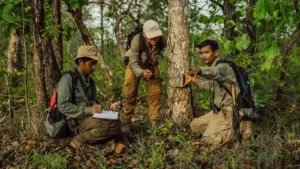
- Context: Terrestrial forests act as the planet’s green lungs. By securing legal land rights, funding community-led patrols, and providing sustainable alternative livelihoods, the forestry initiatives within this portfolio actively halt destructive agricultural encroachment and illegal logging.
2. Clean Energy Transition and Household Efficiency
- Metric: Generating 296 GWh of clean energy yearly and replacing 20,000 inefficient cookstoves.
- Context: Energy poverty remains a primary driver of both carbon emissions and indoor air pollution. By pairing large-scale renewable infrastructure (such as wind farms) with decentralized clean-cooking solutions, the portfolio reduces reliance on coal, oil, and non-sustainable firewood.
3. Marine Waste Management and Soil Enhancement
- Metric: Diverting up to 1,440 $textm^3$ of sargassum and green waste from landfills per week.
- Context: Innovative technology tackles the growing ecological threat of invasive sargassum seaweed blooms along vulnerable coastlines, turning an environmental nuisance into a valuable agricultural and industrial asset.
4. Coastal and Wetland Restoration
- Metric: Protecting and restoring 91,317 acres of blue and teal carbon ecosystems.
- Context: Coastal wetlands, seagrasses, and lagoons sequester carbon at a scale multiple times higher than terrestrial trees. Restoring these zones provides unparalleled climate mitigation alongside natural storm surge protection and fisheries revitalization.
Exploring the Projects: A Global Tour of Mitigation and Adaptation
1. Sargassum Recovery for Clean Coasts (Mexico)
- Portfolio Allocation: 1.0%
- Project Type: Innovative Tech
- Location: Mexico (Riviera Maya)
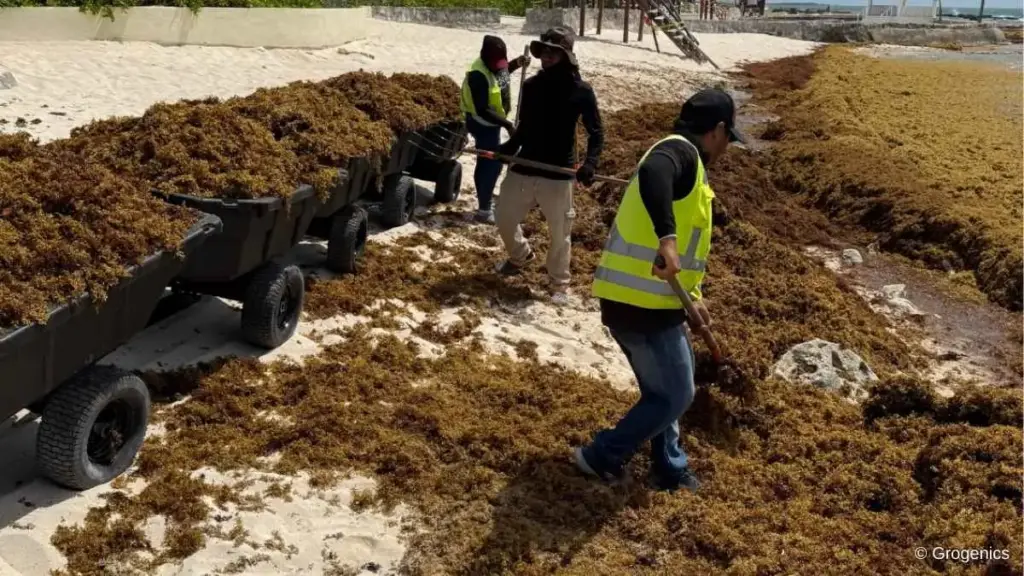
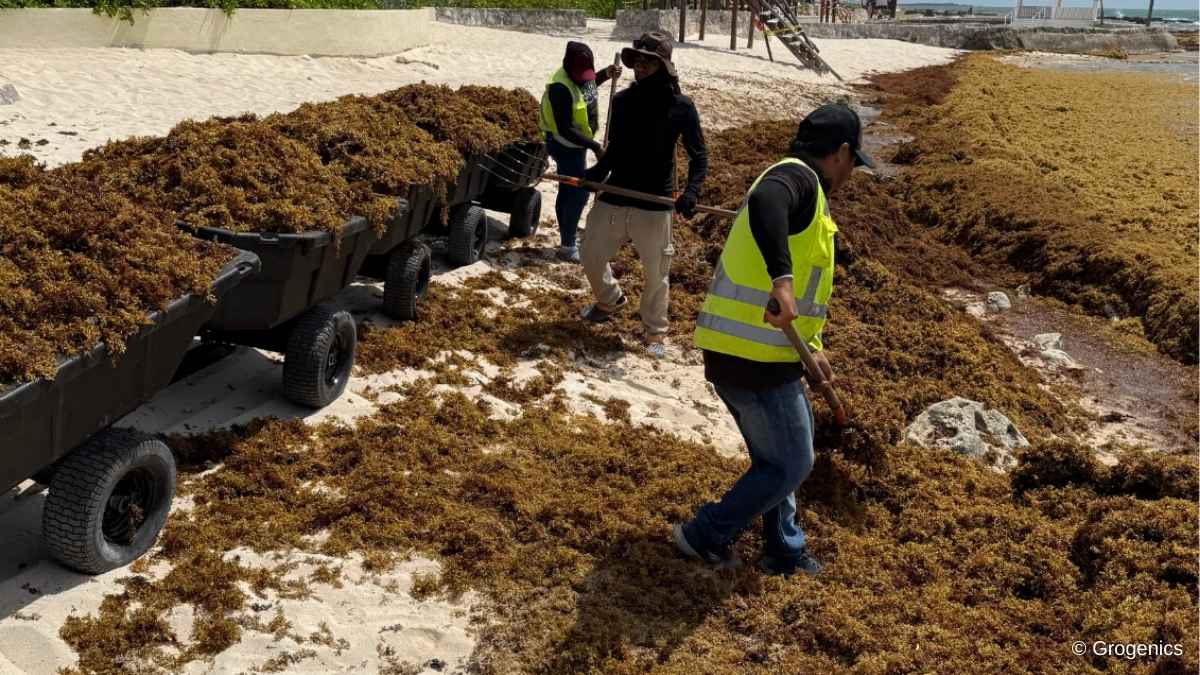
The coastal tourism hubs of Mexico’s Riviera Maya face an escalating ecological crisis: massive, recurrent influxes of sargassum seaweed. When left to rot on tourist beaches, decomposing sargassum emits toxic hydrogen sulfide gas, suffocates coral reefs, traps nesting sea turtles, and devastates local tourism economies.
This project implements low-impact, manual and mechanical collection methods to remove sargassum directly from resort shorelines. Crucially, the collected biomass is not sent to overloaded local landfills. Instead, it is upcycled into high-value biochar, rich agricultural compost, and shoreline protection barriers. Furthermore, the initiative generates stable local employment and partners with women-led farms, supplying them with organic soil amendments to grow sustainable ingredients purchased directly by local hotel restaurants.

2. Valle Paleazza (Italy)
- Portfolio Allocation: 5.6%
- Project Type: Blue/Teal Carbon
- Location: Italy (Venice Lagoon)
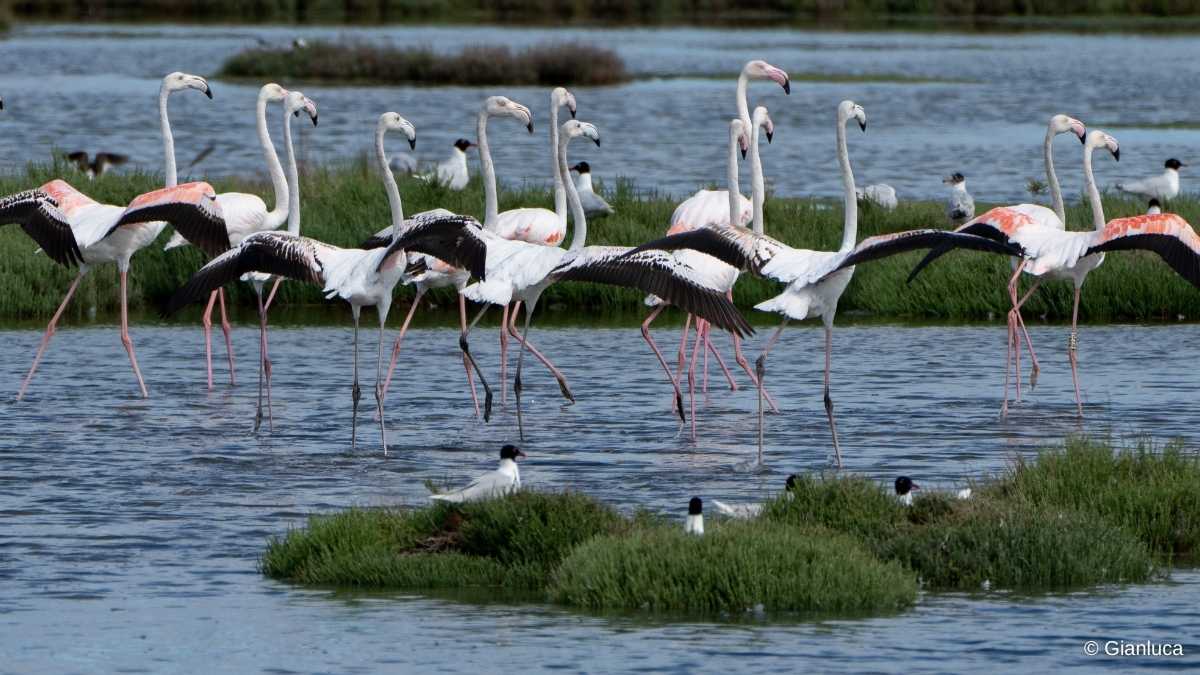
Centuries-old fishing valleys in the Venetian Lagoon are undergoing a profound ecological renaissance through the Valle Paleazza project. By integrating traditional water management techniques with modern ecological restoration, this project revitalizes degraded blue carbon habitats.
The restoration work removes carbon from the atmosphere while simultaneously re-establishing critical fish nurseries and bird nesting grounds. This supports generational, small-scale fishing and aquaculture communities, opens pathways for low-impact ecotourism, and strengthens the lagoon’s physical resilience against rising sea levels, coastal erosion, and catastrophic flooding.
3. Keo Seima Wildlife Sanctuary (Cambodia)
- Portfolio Allocation: 34.7%
- Project Type: Forests
- Location: Cambodia
Representing the single largest allocation in Portfolio 4, the Keo Seima Wildlife Sanctuary safeguards a vast expanse of tropical forest of immense cultural and economic importance to the Indigenous Bunong people. The project directly addresses the root economic drivers of deforestation—such as rural poverty, food insecurity, and predatory commercial land-grabbing.

Recent updates from Keo Seima demonstrate the power of holistic carbon finance. Through the EmpowerED initiative, university scholarships have been awarded to Indigenous students, while community-led consultations across 20 villages have directed the deployment of the Cash for Communities (C4C) program. Having already distributed nearly $2 million toward essential rural infrastructure like healthcare clinics and schools, C4C has committed an additional $1 million for the upcoming year. On the ecological front, the sanctuary recently celebrated the successful fledging of three critically endangered Giant Ibis chicks and the rescue of a rare stump-tailed macaque, protected by park rangers trained in specialized, rights-based law enforcement.
4. Garo Clean Cookstoves (India)
- Portfolio Allocation: 5.7%
- Project Type: Energy
- Location: India (Garo Hills)
In the ecologically diverse Garo Hills of northeastern India, heavy reliance on inefficient, open-fire wood stoves exposes rural families—particularly women and children—to dangerous levels of indoor air pollution, comparable to smoking multiple packs of cigarettes a day. This daily cooking method also drives severe local deforestation and perpetuates crushing cycles of fuel-gathering poverty.
The Garo Clean Cookstoves project distributes advanced, fuel-efficient cookstoves and solar-powered electrical pressure cookers (EPCs). Recent project milestones include specialized training programs that have equipped 25 women as certified solar technicians, opening doors for female leadership in the regional renewable energy economy. By cutting firewood consumption, the project slashes household carbon footprints, dramatically improves respiratory health, and reclaims hours of daily labor previously lost to fuel collection.
5. Khalladi Wind Farm (Morocco)
- Portfolio Allocation: 33.8%
- Project Type: Energy
- Location: Morocco
Historically dependent on imported fossil fuels to meet its surging domestic power needs, Morocco has made aggressive strides toward energy independence and decarbonization. Situated in the country’s northernmost region—near historic coastal settlements, the UNESCO medina of Tetouan, and the iconic Blue City of Chefchaouen—the Khalladi Wind Farm stands as a cornerstone of this transition.
Generating massive volumes of clean, renewable electricity, the wind farm displaces fossil-fuel-generated power from the national grid. Beyond its direct atmospheric mitigation impact, the project invests heavily in regional infrastructure, educational resources, and community healthcare initiatives, successfully bridging the socio-economic gap between urban centers and rural Moroccan communities.
6. Yaeda-Eyasi Landscape (Tanzania)
- Portfolio Allocation: 4.5%
- Project Type: Forests
- Location: Tanzania
The Yaeda-Eyasi Landscape project is a masterclass in Indigenous-led conservation. It empowers the Hadza hunter-gatherer and Datooga pastoralist communities of Tanzania to secure legal land titles, protecting their ancestral dryland forests from being carved up and converted into unsustainable commercial agriculture by outside encroachers.

Carbon revenue generated by the project is reinvested directly into community-driven enterprises, including microfinance programs and business training for women entrepreneurs, as well as the establishment of the Hadza Media Center to document and preserve ancient cultural traditions. The project’s operational framework was prominently showcased at the United Nations Climate Change Conference (COP), where project leaders emphasized that land tenure and Indigenous self-determination are non-negotiable prerequisites for effective, durable climate action.
7. Rimba Raya Biodiversity Reserve (Indonesia)
- Portfolio Allocation: 14.7%
- Project Type: Blue/Teal Carbon
- Location: Indonesia (Borneo)
Originally slated for clear-cutting to establish industrial palm oil plantations, the Rimba Raya Biodiversity Reserve in Indonesian Borneo is now a globally recognized sanctuary for tropical peat swamp forests. Peat swamps are among the most efficient carbon-storage systems on Earth, locking away colossal volumes of greenhouse gases beneath waterlogged organic soil.
In addition to preventing catastrophic peatland emissions, Rimba Raya funds the rehabilitation and wild reintroduction of critically endangered Bornean orangutans. By directly addressing local systemic challenges—such as poverty, healthcare access, and food security—the project removes the socioeconomic pressures that drive deforestation, ensuring that local communities thrive alongside the protected ecosystem.
Official Statements and Leadership Insights
The release of Portfolio 4 underscores Sustainable Travel International’s unwavering commitment to high-integrity carbon markets and transparent environmental stewardship. Reflecting on the real-world impact of these initiatives, leadership has consistently emphasized the necessity of boots-on-the-ground engagement.
Sustainable Travel International CEO Paloma Zapata recently conducted a field visit to the Valle Paleazza project in Italy to observe restoration efforts firsthand. Working alongside local project custodian Antonio Capadaglio, Zapata and her team participated in planting native marginal vegetation along the lagoon’s canal networks. These plantings serve a dual ecological function: stabilizing banks against erosion and regulating water temperatures to protect fragile aquatic species.
Reflecting on her experience in the Venetian Lagoon and the broader implications of the portfolio, Zapata noted:
"Carbon finance is far more than an abstract accounting mechanism for offsetting emissions; when executed correctly, it is a lifeline for local stewards. By providing the sustained resources needed to protect wetlands, forests, and renewable infrastructure, we are safeguarding the environmental resilience of vulnerable regions while preserving the invaluable cultural and agricultural heritage of the communities who call them home."
Furthermore, international presentations by project managers—such as German Sedoyeka’s address at COP regarding the Yaeda-Eyasi Landscape—reinforce the organization’s philosophy: that top-down climate mandates fail without bottom-up Indigenous leadership.
Future Outlook: The Evolution of Climate Impact Portfolios
As Sustainable Travel International looks beyond the close of 2025, the organization’s structured approach to carbon offsetting offers a viable blueprint for the travel industry and corporate sustainability sectors alike. By rotating portfolio allocations across diverse technological and ecological sectors, the organization mitigates the inherent risks associated with single-project reliance.

The integration of blue carbon restoration, regenerative agriculture, community-led forest management, and next-generation clean energy demonstrates that climate action is inherently intersectional. Protecting the planet’s atmospheric stability cannot be decoupled from advancing human rights, empowering women in the green economy, and preserving indigenous land sovereignty.
For travelers, corporations, and organizations seeking to neutralize their environmental footprints, Sustainable Travel International’s Climate Impact Portfolios provide a transparent, rigorously audited pathway to meaningful change. As global climate policies continue to tighten and mature, portfolios like Portfolio 4 prove that high-integrity carbon finance remains an indispensable tool in the global transition toward a resilient, net-zero future.