

Executive Overview
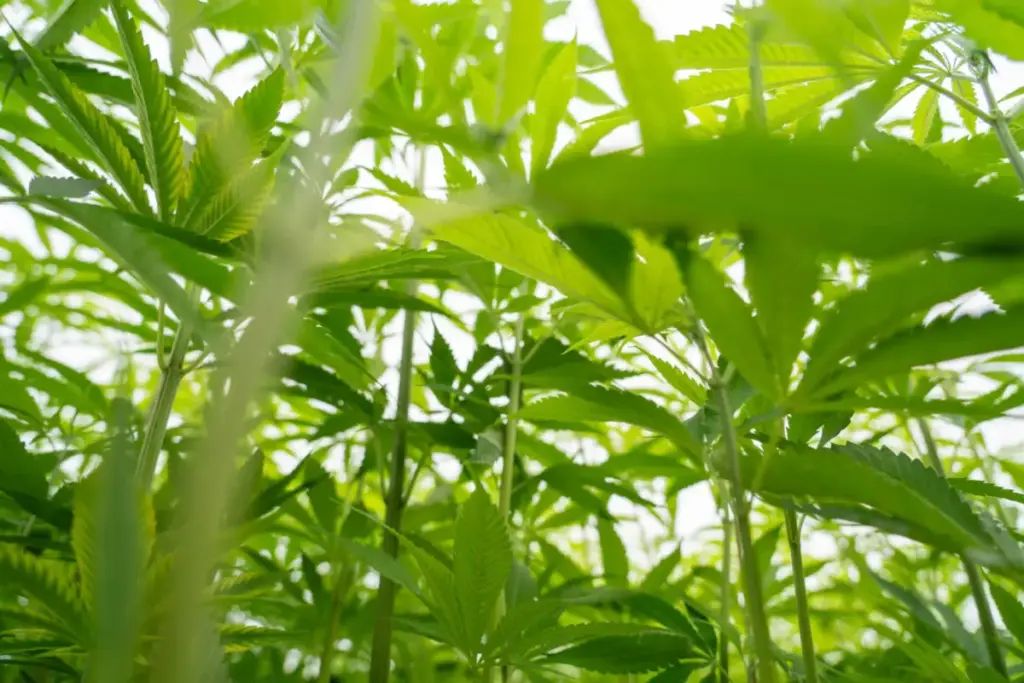
Long dismissed by modern regulatory frameworks and overshadowed by its botanical classification, industrial hemp (Cannabis sativa) is staging one of the most remarkable comebacks in agricultural history. Once a cornerstone of early American industry, supplying everything from ship sails to foundational textiles for the first 150 years of the nation’s development, hemp was swept into a seventy-year prohibition that largely severed it from the global supply chain. That tide turned with the landmark 2014 U.S. Farm Bill, which reinstated the legality of planting industrial hemp and opened the floodgates for scientific inquiry.
Today, cutting-edge institutions like the Rodale Institute and its Pocono Organic Center are partnering with pioneering farmers to rewrite the narrative. Hemp is no longer viewed merely as a niche alternative crop; it is emerging as a powerhouse of regenerative organic agriculture. From manufacturing biodegradable, fossil-fuel-free bioplastics out of residual plant matter to remediating contaminated soils, suppressing aggressive weeds, and delivering rich nutritional and medicinal profiles, hemp offers a holistic model for sustainable production. With the global industrial hemp market projected to skyrocket from over $11 billion in 2025 to nearly $48 billion by 2032, this versatile crop sits at the vibrant intersection of environmental restoration, human wellness, and economic viability.
Detailed Chronology
To understand the trajectory of industrial hemp today, it is essential to trace how the crop transitioned from a staple of pre-industrial commerce to a heavily restricted substance, and finally to a modern beacon of agricultural innovation.
Pre-20th Century: The Agricultural Foundation
For the first century and a half of American history, hemp was a foundational agricultural resource. Farmers across the colonies and early states cultivated the plant extensively. Its robust, durable fibers were indispensable for producing marine cordage, canvas, sacking, and coarse garments. Because of its vigorous growth patterns and minimal requirement for chemical fertilizers, it served as a reliable staple for early agrarian economies.
The Mid-20th Century: Prohibition and Marginalization
By the mid-20th century, shifting political landscapes, the rise of synthetic petrochemical fibers like nylon, and aggressive anti-narcotics campaigns led to the conflation of industrial hemp with its psychoactive botanical cousin, Cannabis sativa variants commonly known as marijuana. Despite lacking significant tetrahydrocannabinol (THC)—the psychoactive compound responsible for euphoria—hemp was swept into sweeping federal bans. For seven decades, commercial cultivation of the crop was effectively outlawed in the United States, halting domestic research, supply chains, and generational farming knowledge.
2014: The Legislative Turning Point
The modern era of hemp officially began with the passage of the 2014 U.S. Farm Bill, which authorized state departments of agriculture and universities to begin cultivating industrial hemp for research purposes. This legislative opening paved the way for comprehensive field studies, seed breeding programs, and agronomic trials. Subsequent legislation, including the 2018 Farm Bill, further deregulated hemp production, legally defining industrial hemp as Cannabis sativa L. with a maximum delta-9 THC concentration of no more than 0.3 percent on a dry-weight basis.
2016–2020: The Rodale Institute Field Trials
Between 2016 and 2020, researchers at the Rodale Institute conducted critical, multi-year field studies examining hemp’s practical applications in crop rotations. These studies demonstrated that planting fiber hemp drastically reduced weed pressure and improved subsequent yields of cash crops like wheat and soybeans, cementing hemp’s value as an agronomic management tool.
2025 and Beyond: Scientific Validation and Commercial Expansion
Entering 2025, empirical research caught up with market enthusiasm. Peer-reviewed findings—such as a study published in Agrosystems, Geosciences & Environment led by Dr. Dinesh Panday—provided farmers with precise guidelines for optimizing CBD yields through nitrogen management. Simultaneously, material science breakthroughs, such as those led by Dr. Ronald Kander at Thomas Jefferson University, began transforming post-extraction hemp stalks into compostable bioplastics, charting a direct course toward a multi-billion-dollar global market.
Supporting Context & Metrics
The multi-faceted utility of hemp is backed by an expanding body of scientific research, field metrics, and economic data.
Botanical Clarification: Hemp vs. Marijuana
A foundational step in understanding hemp’s modern renaissance is separating it from its botanical cousin. Both belong to the Cannabis sativa species, but they are bred, cultivated, and legally defined by vastly different chemical profiles:
- Tetrahydrocannabinol (THC): The psychoactive compound that produces a "high." By federal law, industrial hemp must maintain a THC concentration of less than 0.3 percent—far below the threshold capable of inducing euphoria.
- Cannabidiol (CBD): A non-psychoactive cannabinoid abundant in the flowers of hemp plants. It interacts with the human body’s endocannabinoid system—enzymes that regulate sleep, mood, appetite, and immune functions—offering therapeutic relief for chronic pain, inflammation, and insomnia.
Agronomic and Nutritional Metrics
Hemp’s contributions extend deeply into nutrition, industrial manufacturing, and ecological health:
- Nutritional Density: Hemp seeds are rich in vitamins E, D, and A, alongside essential heart-healthy omega-3 and omega-6 fatty acids. They also supply polyphenols and terpenoids, delivering potent antimicrobial, antioxidant, and anti-inflammatory benefits.
- Textile Durability: Hemp fiber shares a texture similar to linen and can be woven into durable textiles like denim. It is stronger and more resilient than cotton while requiring significantly less land, water, and chemical inputs.
- Bioplastic Innovations: Post-extraction hemp plant matter—left over after CBD processing—is being engineered into robust, flexible, compostable composites via injection molders, effectively replacing petroleum-based plastics in everyday goods like bowls and cups.
- Soil Bioremediation: Hemp features a deep, aggressive root system that stimulates mycorrhizal fungi and soil microbes. Crucially, research shows that hemp roots actively extract heavy metals from contaminated soils. Tissue mineral testing revealed that hemp accumulates significantly higher concentrations of lead and cadmium compared to traditional cover crops like sorghum-Sudangrass, making it a powerful tool for phytoremediation.
- Weed Suppression: The plant’s rapid early growth creates a dense, leafy canopy that blocks sunlight from reaching the soil floor, starving weed seeds of germination light. Studies confirm that inserting fiber hemp into a crop rotation naturally suppresses weed pressure while boosting subsequent yields for grains like wheat and soybeans.
- Economic Returns: According to data from the 2023 Rodale Institute report Growing Industrial Hemp as an Organic Cash Crop, farmers cultivating hemp for fiber can net up to $1,220 per acre, while those targeting seed production can earn up to $550 per acre.
Official Statements
Industry leaders, pioneering farmers, and leading scientists highlight the profound synergy between regenerative agriculture and hemp production.
Ashley Walsh, President and Founder of Pocono Organics:
"The hemp research conducted at the Rodale Institute Pocono Organic Center has received global awareness for its reports on soil health, nitrogen management, cover cropping, and hemp’s weed suppression capabilities. The ongoing research collaboration validates the benefits of our regenerative organic practices and helps us pioneer new approaches that benefit the entire organic hemp industry."
Reflecting on her personal journey into plant-based wellness, Walsh adds:
"After being diagnosed with gastroparesis (a paralyzed stomach) in my late twenties and turning to plant-based medicine, including CBD, I experienced the transformative power of this remarkable plant firsthand."
Clarenda “Farmer Cee” Stanley, 2025 Good Farmer Award U.S. Winner and Founder of Green Heffa Farms:
"Hemp is a powerful plant ally for me as a regenerative organic farmer because it enriches the soil, supports biodiversity, and thrives without heavy inputs. As part of Green Heffa Farms’ healing herbs and products, it carries those same benefits forward—offering plant medicine that is both restorative to the land and to the people who use it."
Dr. Dinesh Panday, Soil Scientist at Rodale Institute:
Highlighting the intersection of scientific precision and crop management, research published under his leadership in Agrosystems, Geosciences & Environment emphasizes that organic farmers can strategically optimize the medicinal potency of their crops through meticulous nitrogen management.
Dr. Ronald Kander, Materials Engineer at Thomas Jefferson University:
Commenting on the development of fossil-fuel-free biocomposites derived from hemp stalks:
"Our first generation of this material has been used in an injection molder to make bowls and cups."
Future Outlook
The trajectory of the industrial hemp sector points toward a transformative future where agricultural practices and industrial manufacturing are fundamentally re-engineered around ecological health. As economic forecasts project the global market to near $48 billion by 2032, the pressure on supply chains to become greener and more sustainable will only intensify.
Moving forward, the integration of hemp into standard regenerative organic crop rotations is expected to accelerate. Scientists and agronomists are continuing to refine optimization strategies—such as tailoring nitrogen inputs for specific end-uses (whether fiber, seed, or medicinal CBD)—and maximizing the plant’s phytoremediation capabilities to clean up industrial brownfields.
Simultaneously, material scientists are scaling up production of compostable hemp-based bioplastics, offering a viable, scalable alternative to single-use petrochemical plastics. By closing the loop between agricultural cultivation, soil regeneration, and eco-friendly manufacturing, hemp is proving to be much more than a historical relic or a modern cash crop. It is a vital blueprint for how modern agriculture can simultaneously heal the earth, nourish human health, and drive a resilient, forward-looking bioeconomy.



