

Executive Overview
In the landscape of modern wellness, where complex supplements and synthetic biohacks frequently dominate the discourse, an ancient dietary staple is reclaiming its status as a potent therapeutic agent. Extra virgin olive oil (EVOO), long celebrated as the cornerstone of the cardioprotective Mediterranean diet, is increasingly being consumed not merely as a culinary ingredient, but as a daily, direct-dose functional food.
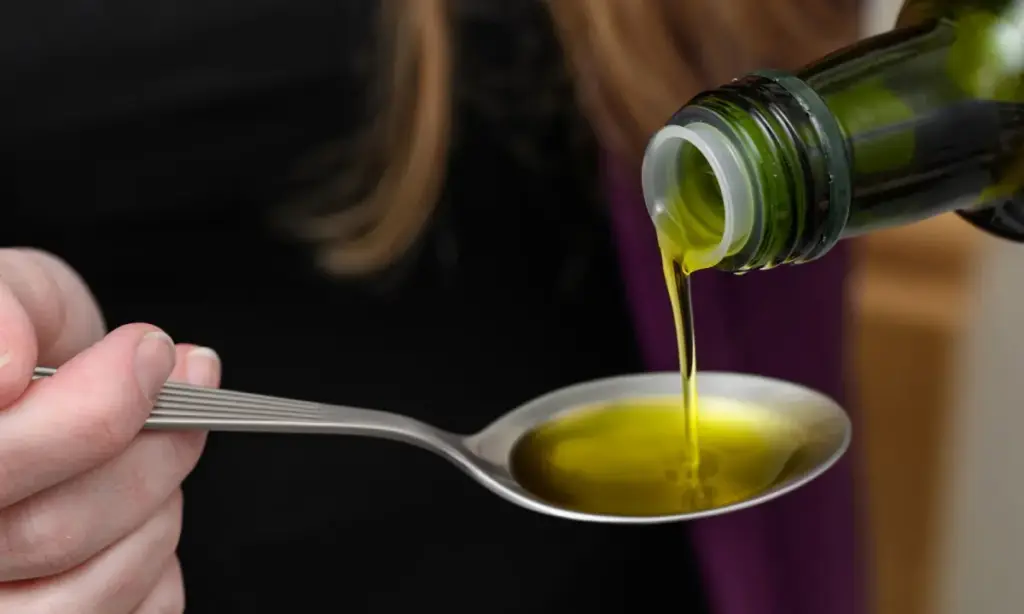
This investigative report examines the growing phenomenon of "straight" olive oil consumption through the lens of a 15-month case study featuring wellness professional Bahar Ayar, analyzed by Registered Dietitian Nutritionist Molly Knudsen, M.S., RDN. Driven by a genetic predisposition to endocrine dysfunction and persistent digestive distress, Ayar integrated a single tablespoon of cold-pressed extra virgin olive oil into her daily regimen before major meals.
Over a 15-month period, this singular, low-intervention dietary adjustment yielded substantial improvements in gastrointestinal motility, a marked reduction in postprandial bloating, and heightened tolerance to historically problematic "trigger" foods. By contextualizing Ayar’s subjective outcomes within the broader framework of lipid biochemistry, gastroenterology, and endocrinology, this article explores whether a daily spoonful of olive oil is a scientifically validated health intervention or merely a passing dietary trend.
Detailed Chronology: Bahar Ayar’s 15-Month Experiment
The adoption of any daily wellness protocol typically stems from a intersection of personal health vulnerabilities and targeted clinical curiosity. For Bahar Ayar, the journey began in mid-2025 following a routine medical evaluation.
[Mid-2025: Clinical Discovery]
  │   • Routine blood panel reveals early markers of thyroid dysfunction.
  │   • Family history of endocrine disorders prompts search for preventative measures.
  └───► [Formulating the Protocol]
          │   • Research points to the role of healthy monounsaturated fatty acids (MUFAs).
          │   • Ayar maintains a low-oil, whole-foods diet; decides to take EVOO directly.
          └───► [Months 1–3: The Initiation Phase]
                  │   • Daily pre-meal tablespoon of cold-pressed EVOO introduced.
                  │   • Initial adjustment to taste and texture; early signs of improved satiety.
                  └───► [Months 4–9: Gastrointestinal Adaptation]
                          │   • Significant reduction in postprandial bloating.
                          │   • Improved tolerance of previous "trigger" foods.
                          └───► [Months 10–15: Systemic Habituation]
                                  • Sustained digestive regularity.
                                  • Integration of the practice as a seamless, subconscious habit.
The Catalyst: Genetic Risk and Diagnostic Red Flags
In 2025, Ayar underwent diagnostic blood testing that revealed early biomarker shifts indicative of thyroid insufficiency—a finding that aligned with a pronounced family history of thyroid disease and metabolic challenges. Faced with these preemptive warnings, Ayar sought to support her endocrine and digestive systems through targeted nutritional interventions.
Her research, supported by emerging nutritional science, highlighted the role of high-quality dietary lipids in modulating hormone synthesis and protecting the mucosal lining of the gastrointestinal tract.
The Strategy: Direct Administration
Ayar already maintained a clean, nutrient-dense, whole-foods diet. However, her culinary habits involved very little cooking oil. To meet her physiological needs for high-quality monounsaturated fatty acids (MUFAs) without fundamentally altering the flavor profiles or macronutrient ratios of her meticulously prepared meals, she chose a direct method: consuming a single tablespoon of cold-pressed extra virgin olive oil immediately prior to her primary meal of the day (typically lunch or dinner).
The 15-Month Evolution of Symptoms
- Months 1 to 3 (The Initiation Phase): Ayar established the habit, adjusting to the sensory experience of consuming raw oil. She noted an immediate impact on satiety, finding that the pre-meal lipid dose mitigated mid-afternoon energy crashes and stabilized postprandial blood glucose spikes.
- Months 4 to 9 (Gastrointestinal Adaptation): During this phase, the most profound therapeutic shifts occurred. Ayar, who had long suffered from chronic bloating and severe discomfort after consuming specific complex carbohydrates and proteins, observed a steady decline in gastrointestinal distress. Meals that previously triggered painful distension became easily digestible.
- Months 10 to 15 (Systemic Habituation): By late 2026, the protocol had transitioned from a conscious intervention to an effortless daily habit. The improvements in digestive comfort remained stable, and Ayar reported a consistent sense of gastrointestinal resilience, even when consuming diverse or challenging cuisines.
Supporting Context & Metrics: The Science of Liquid Gold
To understand why a simple tablespoon of extra virgin olive oil can produce such systemic therapeutic benefits, we must analyze the oil’s biochemical constituents and their direct physiological interactions with the human digestive tract and endocrine system.
                      ┌────────────────────────────────────────┐
                      │  Extra Virgin Olive Oil (EVOO) Dose    │
                      │         (1 Tablespoon Daily)           │
                      └───────────────────┬────────────────────┘
                                          │
         ┌────────────────────────────────┴────────────────────────┐
         ▼                                                         ▼
┌─────────────────────────────────┐                       ┌─────────────────────────────────┐
│     Gastrointestinal Track      │                       │        Endocrine System         │
└────────┬────────────────────────┘                       └────────┬────────────────────────┘
         │                                                         │
         ├─► Stimulates CCK Release                                ├─► Cell Membrane Fluidity
         │   (Optimizes Bile & Enzyme Secretion)                   │   (Enhances Hormone Receptor Binding)
         │                                                         │
         ├─► Prebiotic Modulation                                  ├─► Systemic Inflammation Reduction
         │   (Increases Lactobacillus & Bifidobacterium)           │   (Oleocanthal inhibits COX-1 & COX-2)
         │                                                         │
         └─► Mucosal Barrier Support                               └─► Micronutrient Absorption
             (Lubricates & protects intestinal lining)                 (Enhances absorption of Vit A, D, E, K)
The Biochemical Profile of EVOO
Extra virgin olive oil is not merely a fat; it is a complex, bioactive fluid matrix. It is obtained solely through mechanical cold-pressing, preserving delicate compounds that chemical extraction destroys.

| Component | Average Percentage / Concentration | Primary Physiological Function |
|---|---|---|
| Oleic Acid (MUFA) | 55% – 83% | Reduces LDL cholesterol, improves cell membrane fluidity, modulates inflammation. |
| Squalene | 3.0 – 7.0 g/kg | Acts as a powerful antioxidant, protects skin and mucosal barrier integrity. |
| Polyphenols (e.g., Oleocanthal) | 150 – 800 mg/kg | Exhibits natural anti-inflammatory properties comparable to low-dose ibuprofen. |
| Tocopherols (Vitamin E) | 100 – 300 mg/kg | Protects lipids from oxidative damage, supports immune and vascular health. |
Gastrointestinal Mechanics: Bile, Bacteria, and Motility
Ayar’s primary benefit—the alleviation of bloating and indigestion—is supported by several distinct physiological mechanisms:
1. Stimulation of Cholecystokinin (CCK)
Consuming a concentrated dose of fat on an empty or semi-empty stomach triggers the release of the hormone cholecystokinin (CCK) from the enteroendocrine cells of the duodenum. CCK stimulates the gallbladder to contract, releasing bile, and prompts the pancreas to secrete digestive enzymes. This preemptive hormonal cascade prepares the small intestine to efficiently break down subsequent food, preventing the incomplete digestion that leads to fermentation, gas, and bloating.
2. Prebiotic Modulation of the Microbiome
Clinical research indicates that the polyphenols and monounsaturated fatty acids in EVOO act as selective prebiotics. They suppress pathogenic bacteria, such as Helicobacter pylori, while promoting the growth of beneficial taxa, particularly Lactobacillus and Bifidobacterium. A balanced microbiome strengthens the gut barrier and reduces the low-grade mucosal inflammation associated with irritable bowel syndrome (IBS).
3. Lubrication and Gastric Emptying Modulation
Lipids naturally slow gastric emptying. While this might seem counterintuitive for digestion, a controlled, gradual release of chyme into the duodenum prevents osmotic shifts and malabsorption, leading to smoother transit and reduced bloating. Additionally, the mild lubricating effect of oil along the mucosal lining supports healthy bowel motility.
The Endocrine Connection: Thyroid Support
Ayar’s secondary goal was thyroid support. The thyroid gland relies on a delicate balance of systemic lipids and micronutrients to synthesize and transport thyroid hormones ($T_4$ and $T_3$).
- Cell Membrane Sensitivity: Thyroid hormones require healthy, fluid cell membranes to bind to their receptors and initiate metabolic processes. Diets rich in saturated and trans-fats can stiffen cell membranes, whereas MUFAs like oleic acid maintain optimal membrane fluidity, enhancing hormone receptor sensitivity.
- Inflammation Mitigation: Autoimmune conditions, such as Hashimoto’s thyroiditis, are major drivers of thyroid dysfunction. The rich antioxidant profile of EVOO, particularly the compound oleocanthal, inhibits COX-1 and COX-2 inflammatory pathways, helping to reduce systemic inflammation that can exacerbate autoimmune thyroid damage.
- Fat-Soluble Vitamin Absorption: The thyroid requires fat-soluble vitamins—specifically Vitamin A and Vitamin E—for optimal hormone synthesis. Consuming EVOO alongside or just before meals significantly enhances the bioavailability and absorption of these critical fat-soluble nutrients.
Official Statements and Expert Perspectives
The practice of drinking olive oil straight has generated debate among nutrition scientists, clinical gastroenterologists, and dietitians. While the benefits of EVOO are universally accepted, experts differ on the optimal method of delivery.
The Dietitian’s View: Pragmatic Supplementation
Molly Knudsen, M.S., RDN, who documented Ayar’s journey, emphasizes that direct consumption serves as a practical solution for specific dietary profiles:
"For individuals like Bahar who consume a whole-foods diet but naturally cook with very little fat, taking a single tablespoon of olive oil by the spoon is a highly efficient, targeted intervention. It delivers a concentrated dose of cardioprotective and gut-supportive lipids without altering the structure or sensory profile of their meals."
Knudsen notes that clinical research supports this dose. The U.S. Food and Drug Administration (FDA) has established a qualified health claim stating that consuming 1.5 tablespoons (20 grams) of oleic acid-rich oils daily can reduce the risk of coronary heart disease, provided they replace saturated fats.

The Gastroenterologist’s Caveat: Individual Tolerance
Clinical gastroenterologists offer a more cautious perspective, noting that direct lipid dosing may not suit every digestive tract.
For patients with compromised gallbladder function, biliary sludge, or sluggish pancreatic enzyme production, a sudden, concentrated bolus of fat on an empty stomach can trigger nausea, biliary colic, or diarrhea. Medical experts generally advise that while direct consumption can benefit those with healthy lipid digestion, individuals with existing hepatobiliary conditions should instead incorporate olive oil gradually throughout their meals.
Future Outlook: The Rise of Functional Lipids and High-Phenolic Oils
As the wellness industry shifts toward whole-food therapeutics, the market for olive oil is undergoing a significant transformation. We are moving beyond standard culinary grading to a new category of "medicinal" and "functional" lipids.
                    [Traditional Olive Oil]
                               │
                               ▼ (Shift in Consumer Demand)
                [Ultra-High Phenolic EVOO]
                               │
            ┌──────────────────┴──────────────────┐
            ▼                                     ▼
[Standard Clinical Bioactivity]        [Targeted Medical Integration]
  • Polyphenols > 1,000 mg/kg            • Lipid-based delivery systems
  • Natural anti-inflammatory            • Formulations targeting the
    properties (Oleocanthal)               microbiome & thyroid axes
The Evolution of High-Phenolic EVOO
Consumers are increasingly seeking "ultra-high phenolic" extra virgin olive oils. These specialized oils are harvested early in the season when the olives are green and packed with protective compounds, yielding polyphenol concentrations exceeding 1,000 mg/kg (compared to the 150–300 mg/kg found in standard supermarket oils). Once sold only in specialty markets, these high-phenolic oils are now positioned as premium daily supplements, complete with measured dropper caps and dosage cups.
Clinical Research Directions
Future clinical trials are set to explore the therapeutic potential of targeted lipid dosing. Researchers are investigating how extra virgin olive oil can serve as a natural lipid-based delivery system to improve the absorption of other fat-soluble therapeutics.
Furthermore, ongoing microbiome research is working to identify the specific bacterial strains in the human gut that thrive on oleic acid, paving the way for personalized, lipid-based prebiotic recommendations.
Summary for the Consumer
For those inspired by Bahar Ayar’s 15-month experience, the path to adopting this protocol requires careful attention to quality and individual tolerance:
- Prioritize Sourcing: Look for third-party certified, cold-pressed, extra virgin olive oil, ideally packaged in dark glass bottles to prevent light-induced oxidation.
- Start Small: Begin with a teaspoon before your largest meal to assess gallbladder and pancreatic tolerance, gradually increasing to a full tablespoon over several weeks.
- Listen to Your Body: If direct consumption causes nausea or rapid gastric transit, simply transition the oil to your plate—drizzling it over roasted vegetables, proteins, or grains yields identical biochemical benefits while easing digestion.



