

Trapped in the Pyrocene: How America’s Obsession with Fire Suppression Built a Continental Tinderbox
Executive Overview
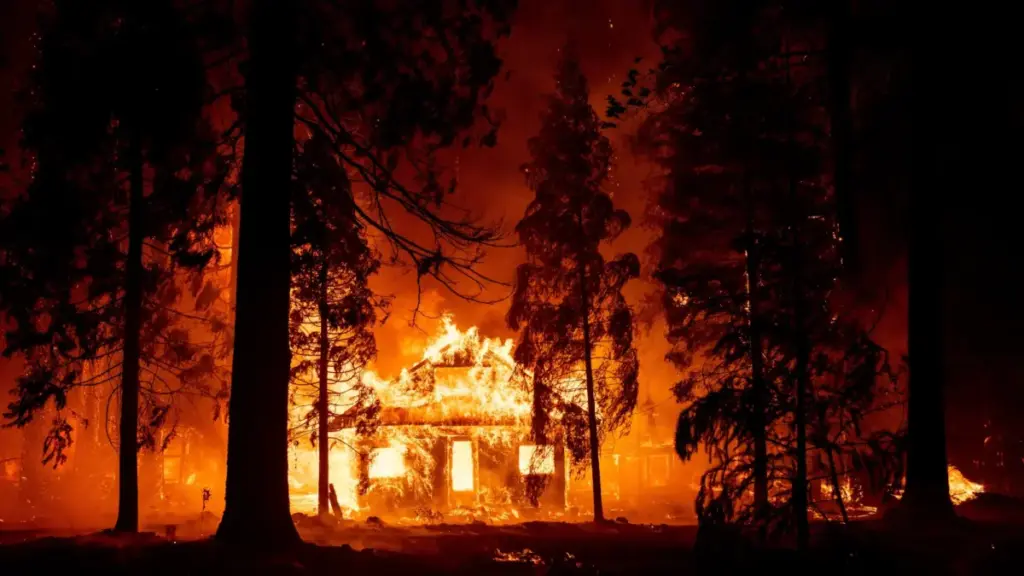
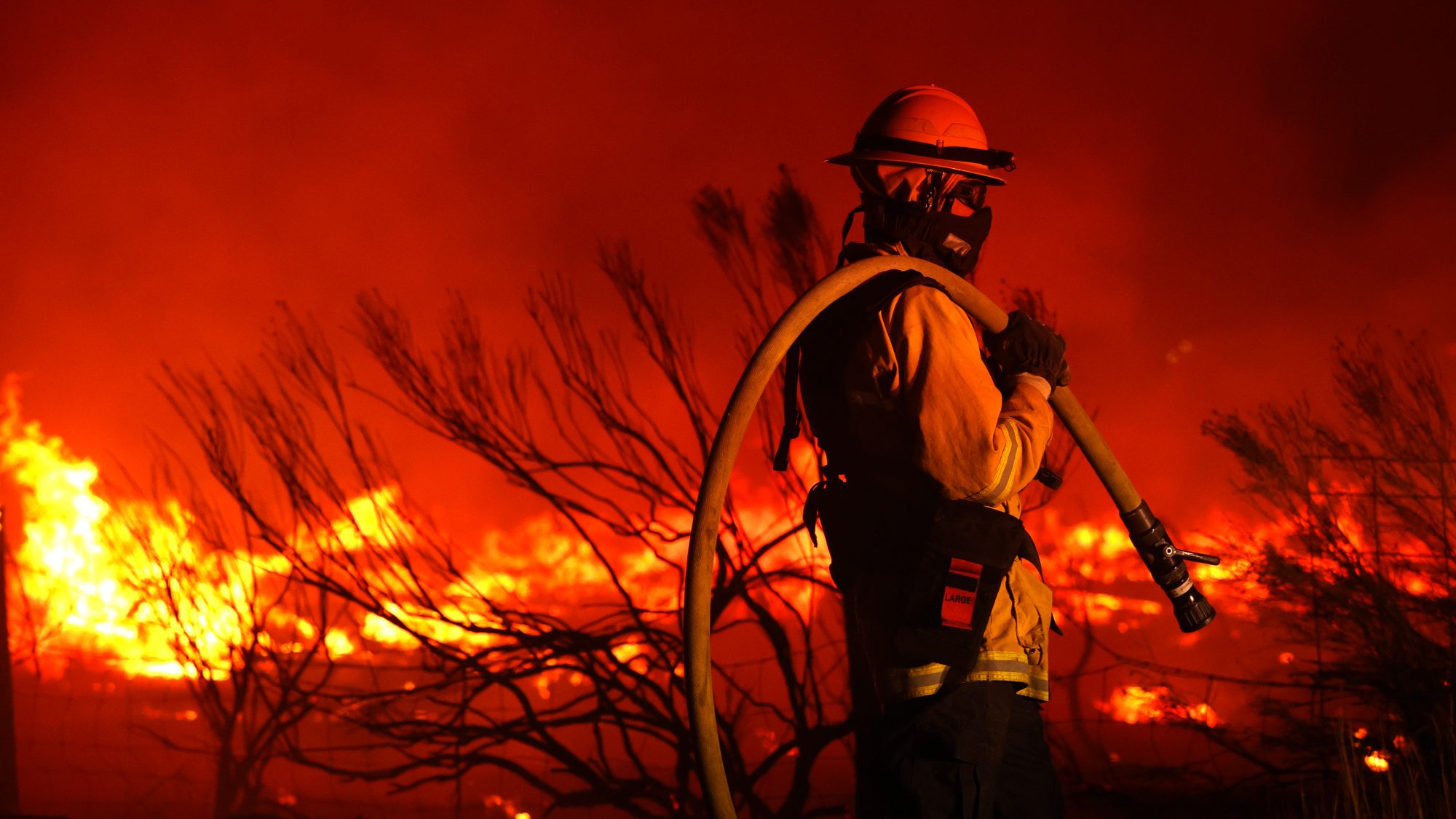
For over a century, the United States has waged an uncompromising, multi-billion-dollar war against wildfire. Armed with bulldozers, chemical retardant slurry, specialized aviation fleets, and an army of dedicated personnel, federal agencies have successfully suppressed more than 98% of all ignitions. Yet, rather than subduing the threat, this staggering display of tactical dominance has birthed a devastating ecological paradox: the very success of modern firefighting has engineered a continental doom loop.
By systematically eliminating small, low-intensity fires that historically cleared forest floors, federal policy has transformed millions of acres of public lands into hyper-dense pyres. Coupled with climate change—which has intensified droughts, diminished winter snowpacks, and lengthened fire seasons—this artificial accumulation of fuels has triggered an era of unprecedented megafires. Today, federal agencies spend ten times more on emergency suppression than they did thirty years ago, while critical resources face unprecedented shortages. As forest ecologists, veteran incident commanders, and long-range federal planning documents warn, the current paradigm of absolute suppression is mathematically and ecologically unsustainable. Unless the nation pivots toward a coexistence model that embraces controlled burning and decentralized fuel management, the American West faces catastrophic ecological collapse.
Detailed Chronology: Anatomy of a Broken System
The Six Rivers Experiment (August 2023)
In August 2023, a violent fusillade of lightning strikes ignited the steep, densely forested canyons south of Orleans, California, within the ancestral lands of the Karuk Tribe and the million-acre expanse of the Six Rivers National Forest. Dan Dallas, a seasoned U.S. Forest Service incident commander summoned from Colorado, arrived expecting to execute the traditional playbook: box the fire in, bulldoze the ridgetops, and deploy massive aviation assets to choke out the flames before they could threaten local communities.
However, years of mounting frustration had begun to alter Dallas’s perspective. On multiple prior assignments, he had found himself returning to the exact same geographies two, three, or four times over a career. "All I’m doing is deferring risk to this place," Dallas reflected. "I’m going to come back and protect it again."
Arriving at Six Rivers, Dallas discovered that the local forest supervisor and the Karuk Tribe were entertaining a revolutionary yet ancient idea. Mild weather, morning coastal fog, and recent rains had transformed the canyon bottoms. Instead of tearing up the landscape to aggressively extinguish every flame, what if they allowed the fire to creep lazily along the forest floor?
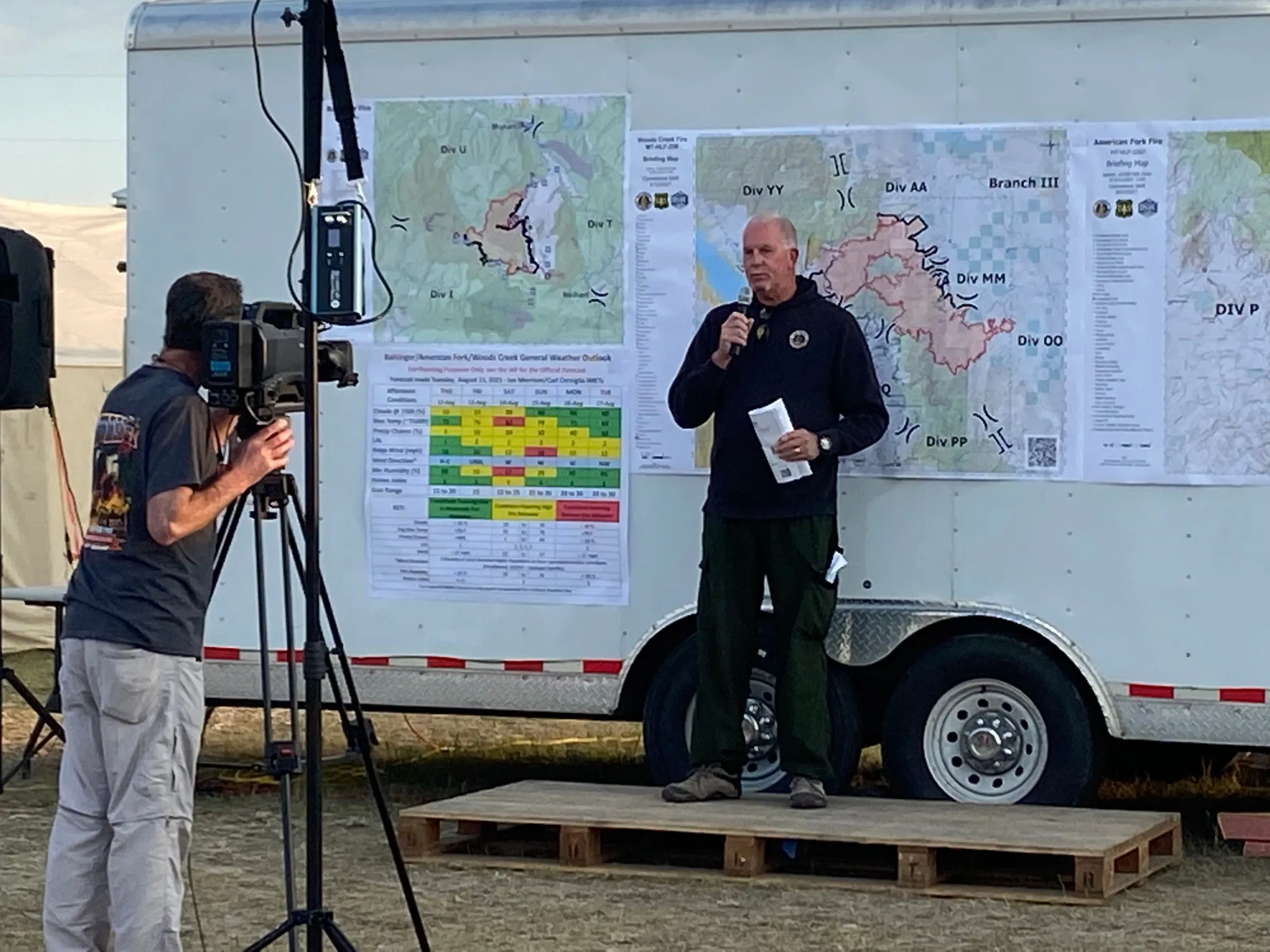
The strategy was an unmitigated, albeit fleeting, success. By allowing the slow-moving fire to consume surface fuels across 50,000 acres, they effectively disarmed the landscape, ensuring that subsequent blazes would burn with drastically reduced intensity. Yet, such strategic pauses remain anomalies within an overarching federal framework that penalizes flexibility and demands total eradication.
The 2013 Foresight Panel: Warnings Ignored
Long before the modern crisis reached its current breaking point, the writing was already on the wall. In 2013, the U.S. Forest Service quietly convened an elite foresight panel consisting of futures-study luminaries, wildfire scientists, and even a science fiction writer. Over three intensive weeks of gaming out distant outcomes, the panel grilled agency veterans like John Phipps and social scientist Sarah McCaffrey.
Their final 2015 report, Wildland Fire Management Futures, delivered a chilling verdict: "As conditions change over time, the existing fire suppression approach will fail across the whole range of plausible future conditions." The panel warned that continuing down the path of absolute suppression would cause ecological risk to escalate until fuel-saturated landscapes reset catastrophically. Thirteen years later, those prognostications have materialized as a grim reality of recurring, record-shattering disasters.
Supporting Context & Metrics: The Mechanics of the Doom Loop
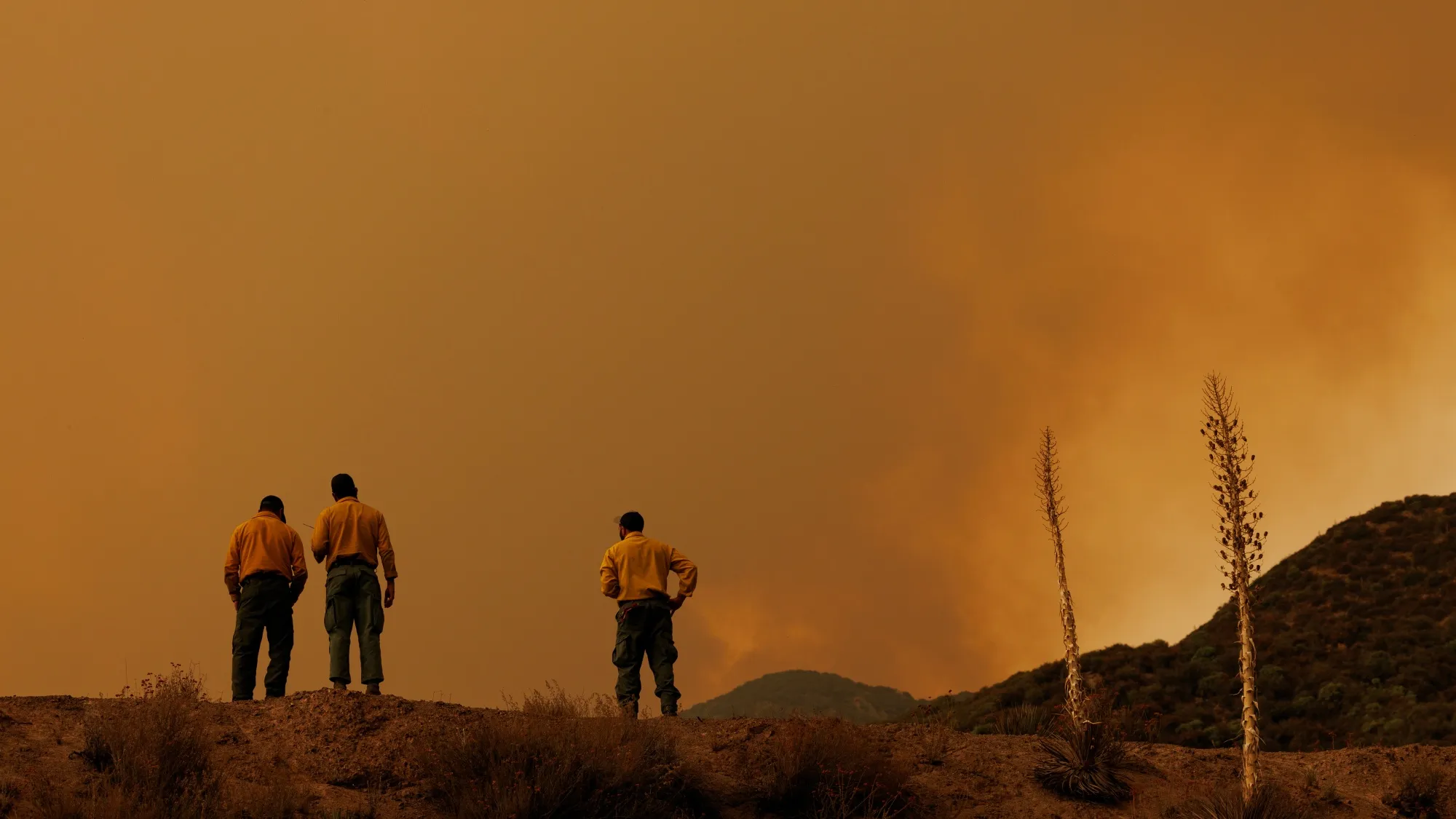
The mathematics of modern wildfire reveal a system buckling under its own weight. According to federal data, the United States has reported more than 53,000 wildfires burning over 8 million acres—roughly 3 million acres above the ten-year historical average. Nearly 73% of the Intermountain West is currently gripped by severe-to-exceptional drought.
| Metric / Indicator | Historical Baseline (1990s) | Current Reality (2020s) |
|---|---|---|
| Annual Federal Suppression Spending | ~$450 Million | $3 Billion to $4.3+ Billion |
| Average Annual Burn Acreage | Lower baseline frequency | 8 Million+ Acres |
| Percentage of Fires Escaping Control | < 2% (Megafires drive damage) | < 2% (Megafires drive damage) |
| Workforce Vacancies (Forest Service) | Low structural deficits | > 25% unfilled positions (as of 2025) |
This systemic strain is further compounded by structural funding disparities. Emergency fire suppression is budgeted similarly to wartime military expenditures—open-ended, reactive, and generously replenished by Congress whenever plumes of smoke rise over populated areas. Conversely, proactive fuel-reduction initiatives—such as mechanical thinning and prescribed burns—rely on limited, discretionary budgets encumbered by red tape.
"There are no consequences for spending as much money as you possibly can to put that fire out," notes Kelly Martin, a former national park fire management chief. "Prescribed burning is discretionary—emergency management is not. So, you end up with this really lopsided scale that tips the scale to the favor of suppression."

Official Statements and Policy Shifts
The policy debate surrounding wildland management is fiercely polarized, oscillating between aggressive ecological intervention and absolute suppression.
- The Pro-Suppression Camp: The Trump administration has doubled down on full suppression mandates, requiring the eradication of all wildfires regardless of whether they threaten populated areas, alongside an immediate expansion of timber production on public lands. Proponents argue that decades of accumulated fuel have left forests too clogged to safely manage natural fires. "Because the forests are all clogged up, you can’t use [wild]fire as a maintenance tool," asserts Michael Rains, a former Forest Service leader. "You’ve got to use prescribed fire, and you have to use mechanical treatments."
- The Ecological Realists: Conversely, forest ecologists like Matt Hurteau of the University of New Mexico maintain that fighting physics is futile. "There is no doubt that our federal fire suppression apparatus is effective, that’s why we’re in the predicament we’re in," Hurteau explains. "It’s only under the most extreme conditions that things escape, and it’s been that way for decades."
- The Workforce Crisis: Compounding these policy fractures is a severe labor shortage. Investigations by outlets like ProPublica revealed that more than a quarter of the Forest Service’s firefighting and land-management positions sat vacant, severely crippling the agency’s capacity to execute vital off-season fuel-reduction burns.
Future Outlook: Finding Balance in the Pyrocene
As wildland firefighting strains past its breaking point—evidenced by recent warnings from the National Multi-Agency Coordinating Group that resource availability is near all-time lows—the path forward demands a fundamental cultural and systemic realignment.
Experts emphasize that the solution cannot be found in treating fire as an invading foreign enemy. To escape the doom loop, federal land managers must be empowered to abandon reactive siege tactics in favor of proactive landscape restoration. This requires decoupling emergency budgets from suppression incentives, streamlining environmental hurdles for prescribed burning, and hardening human settlements against the inevitable realities of a warming planet.
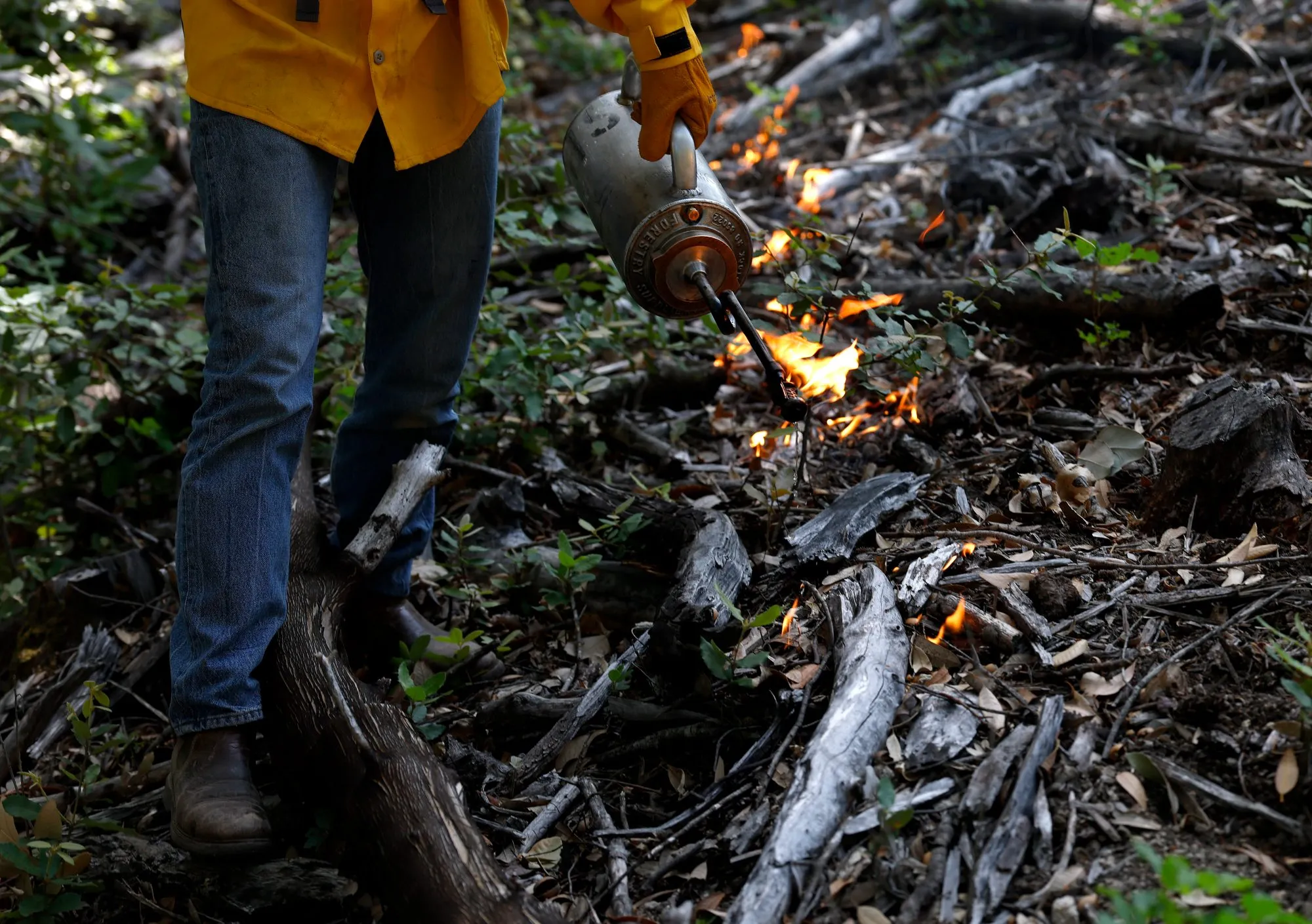
For incident commanders like Dan Dallas, who face mounting blazes with depleted teams and exhausted credit lines, the warning remains stark. Every fire intercepted and smothered today lays down another layer of tinder for tomorrow. Unless the nation summons the political courage to accept managed fire as an ecological necessity, the American West will continue burning toward an irreversible threshold.



