

The global transition to electric mobility is often chronicled through sweeping macroeconomic figures, supply chain milestones, and legislative mandates. However, the true momentum of the Electric Vehicle (EV) revolution is fundamentally rooted in micro-level consumer transformations—the moment a traditional internal combustion engine (ICE) vehicle finally breathes its last, forcing a household to re-evaluate its entire relationship with transportation, energy generation, and personal finance.
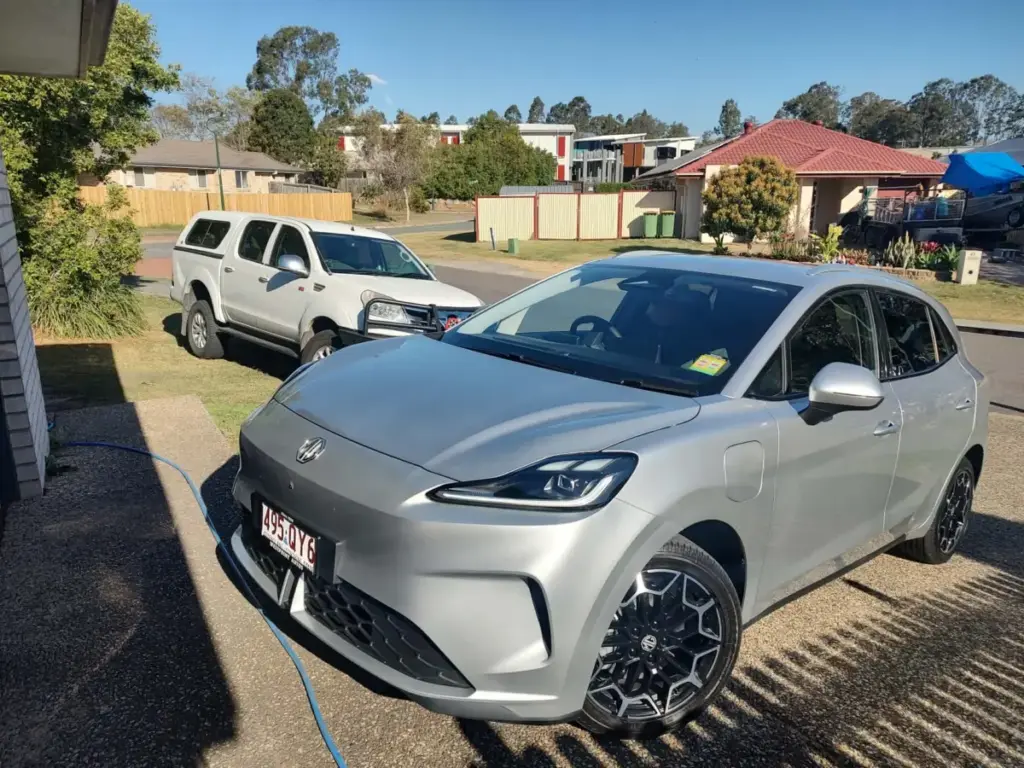
This is precisely the journey experienced by Karryn Warren and her family in regional Australia. Following the catastrophic failure of their stalwart 20-year-old Suzuki Swift—affectionately dubbed "Swifty"—the household was thrust into the modern automotive marketplace. What began as an unexpected mechanical crisis culminating in a smoked-out highway breakdown evolved into a masterclass in the pitfalls of legacy car salesmanship, the ergonomic limitations of early-generation electric crossovers, and the ultimate triumph of transitioning to an ex-demonstrator MG4 Urban.
By trading their dead petrol-powered hatchback for a contemporary electric hatchback, the Warren family did not merely replace a mode of transit. They integrated their daily commute into their home solar ecosystem, bypassed the exorbitant costs of modern key duplication and fossil fuels, and tapped into the growing Australian EV wave. This case study examines the intersection of household energy independence, dealership culture in the 2026 automotive landscape, and the mechanical realities of switching from an aged ICE vehicle to a purpose-built battery-electric platform.
Detailed Chronology: From Highway Smoke to Electric Enlightenment
The Demise of "Swifty"
The sequence of events leading to the Warren family’s adoption of an EV began with a phone call every parent dreads. Karryn’s son, Oscar, a learner driver, had set out to run errands and collect his mother from her final stop of the day. For quite some time, the 20-year-old Suzuki Swift had been emitting a persistent, metallic rattling sound—a noise the family mechanic husband had tentatively diagnosed as engine pinging, likely tied to aging injectors or low-grade fuel combustion.
On a fateful Thursday, however, the acoustic profile shifted. The familiar rattle intensified into what Karryn described as a "can of stones," a symptom she mistakenly attributed to scraping the absolute bottom of the petrol tank and ingesting accumulated sediment. With a busy schedule ahead, she pushed onward, planning to refuel once she collected Oscar from TAFE, utilizing the journey to give her teenage son valuable behind-the-wheel experience.
Approximately a quarter of the way into the return trip, the symptoms escalated from auditory warnings to severe performance degradation. Pressing the accelerator pedal yielded minimal forward momentum. Navigating an uphill section of the highway, the Swift struggled to maintain 100 km/h, the cabin temperature gauge climbing rapidly into the red zone.
"We’d just pulled into the ‘slow’ lane on an uphill section of the highway when the car started slowing down and pressing the accelerator wasn’t achieving anything," Karryn recounted. "We finally came to a stop on a precarious section on the side of the road about 30 meters from a safe place to pull over. We had smoke coming in through all the vents and I honestly thought the car was about to catch fire."
In a break in traffic, Karryn and Oscar abandoned the vehicle. While the exterior engine bay appeared undisturbed at first glance, black smoke billowed from behind the powerplant. Subsequent diagnostic attempts revealed that the engine had seized entirely; once cooled, the starter motor could turn the crankshaft, but the engine manifested zero compression and refused to fire.
The Post-Mortem and the Lawn-Mower Legacy
A Good Samaritan in a Suzuki Jimny assisted Oscar in pushing the stricken hatchback to a safer vantage point, where Karryn’s husband eventually arrived to assess the damage. Drawing on decades of experience rebuilding engines and working on classic vehicles—including a 1965 HD GM Holden and a 1966 GM HR Holden—he rendered a definitive verdict: catastrophic thermal failure.
The engine had likely run dry of coolant, driving temperatures high enough to warp the cylinder head, blow the head gasket, and permanently compromise the piston ring seals. Repair costs quickly eclipsed the market value of a 20-year-old hatchback, leaving the family with a classic ultimatum: repair the motor, purchase another unreliable budget vehicle ("shitbox"), or invest in a dependable second-hand ICE or EV.
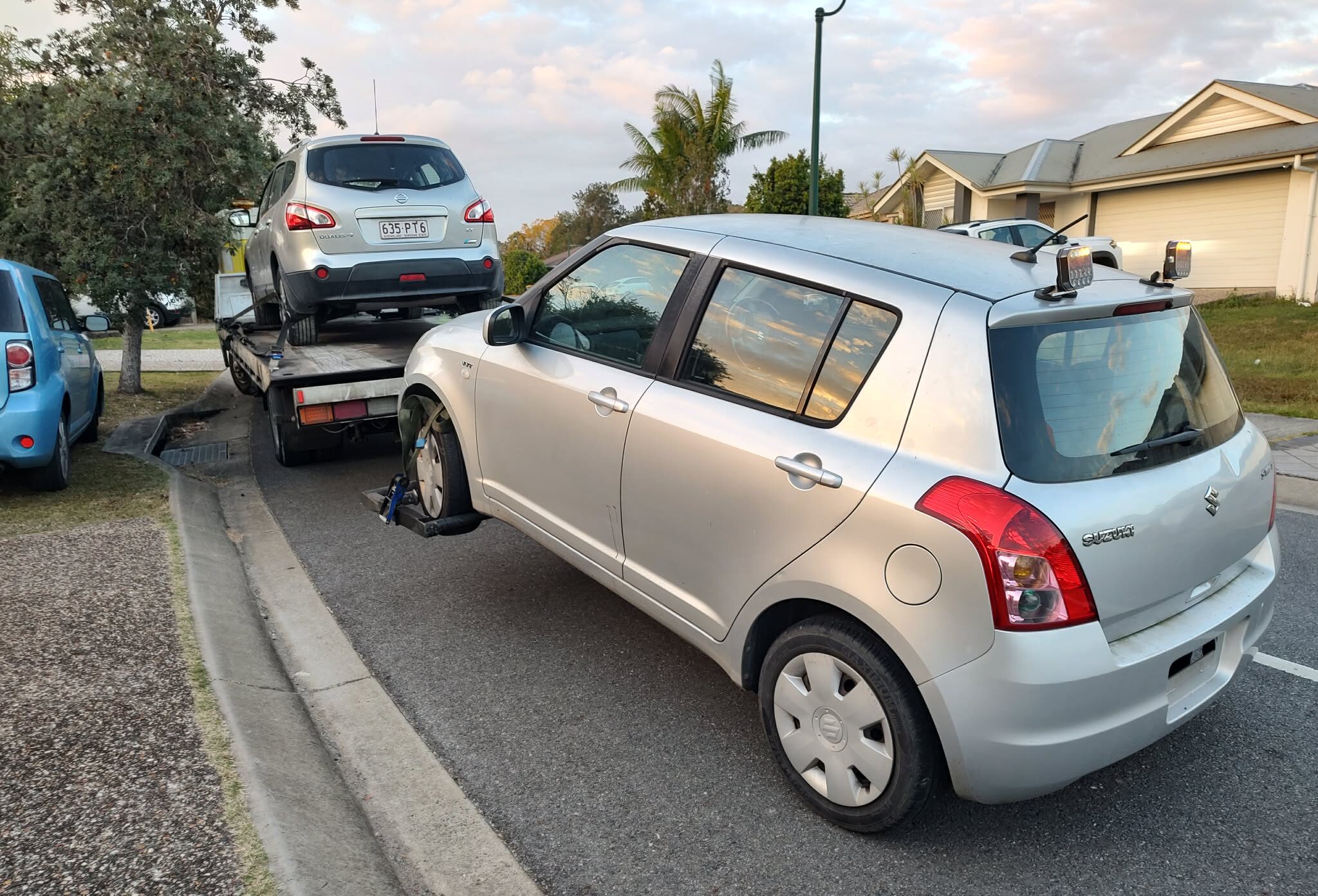
With the vehicle loaded onto a Shannon’s roadside assistance tow truck—chosen specifically for its strong support of classic car owners—Swifty was dispatched to the wreckers.
In a parting comedic irony, Karryn noted that she had filled the fuel tank to the brim just before the engine self-destructed, costing $77 AUD. Using jerry cans and the vehicle’s own fuel pump, they drained the tank, ensuring their lawnmower would be abundantly fueled for the foreseeable future. Their other primary vehicle, a Chinese-built Tunza utility truck powered by a Cummins engine and BMW running gear, ran on diesel, leaving the petrol exclusively for yard maintenance.
The Search for a Successor
Armed with a desire to avoid contributing to the modern throwaway consumerist model, Karryn initially sought a pre-owned electric vehicle. However, the secondary EV market presented a severe scarcity of affordable options matching the footprint of her old Swift. This necessitated exploring the new and ex-demonstrator market.
The physical dimensions of the family presented an immediate design hurdle. Both Karryn and her husband are tall and broad-shouldered, eliminating several popular entry-level models:
- BYD Atto 1: Rejected due to shoulder interference with the B-pillar.
- BYD Dolphin: Mostly acceptable for Karryn, but the B-pillar impinged on the driver’s side for her husband, preventing them from sitting comfortably side-by-side.
- BYD Atto 2: Accommodated front-seat occupants reasonably well, but introduced a severe compromise in rear-seat legroom.
- Chery Models: Sales staff were exceptionally professional, but the seat ergonomics caused discomfort for Karryn.
- MG ZS EV: Suffered from uncomfortable seating geometry and intrusive B-pillar placement. Furthermore, the initial dealership interaction proved problematic; when asked for a state-of-battery-health report on a used model, the salesperson admitted total ignorance of the metric.
Supporting Context & Metrics: The Modern EV Landscape in Australia
The Warren family’s experience reflects broader macroeconomic shifts within the Australian automotive sector. Battery-electric vehicle adoption is rapidly transitioning from an early-adopter niche to mainstream integration. In August, the MG4 series proved to be a dominant market force, with the MG4 Urban variant alone recording 514 sales across Australia, securing the #12 spot on the national sales hit parade.
Dealership networks are similarly transforming. Progressive sales representatives report that over 50% of their total showroom transactions are now battery-electric vehicles, with forward-looking projections indicating an accelerating trajectory. Furthermore, automotive manufacturers are expanding their electric portfolios beyond hatchbacks and compact SUVs; brands like MG are preparing to introduce purpose-built electric work vehicles—such as the upcoming MG U9 utility truck—to capture the robust Australian ute market.
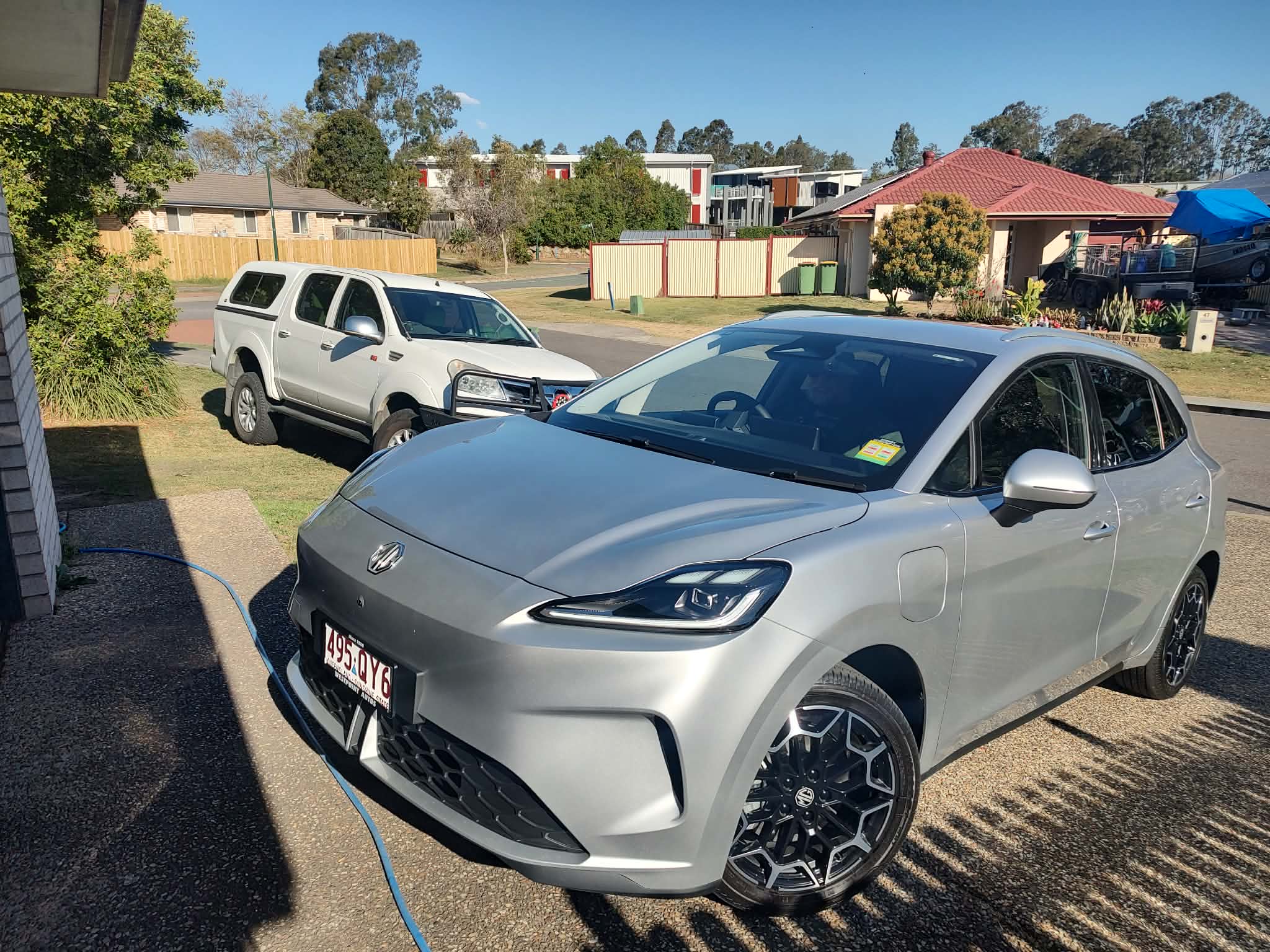
For consumers navigating this space, transparency regarding battery degradation, state-of-health diagnostics, and transparent pricing remains paramount. As Karryn’s encounter with legacy salespeople demonstrated, traditional high-pressure dealership tactics alienate modern EV buyers who demand technical literacy and verifiable data regarding high-voltage energy storage systems.
Official Statements and Dealership Encounters
Frustrated by legacy dealership tactics reminiscent of classic comedic portrayals of disreputable car salesmen, the Warrens redirected their search to Hillcrest MG, where they encountered a radically different retail philosophy.
"Jeremy at Hillcrest MG knew ‘everything’ and explained it all in a very practical, functional way," Karryn noted. "He taught us about so much before we even sat in the car, then went through a bunch of things before we drove off."
Breaking from standard test-drive protocols, Karryn requested that the salesperson pilot the vehicle for the initial leg of the journey. This strategic decision allowed her to acclimate to the digital interface, regenerative braking dynamics, and vehicle acoustics without the cognitive overload of manually managing traffic flow.
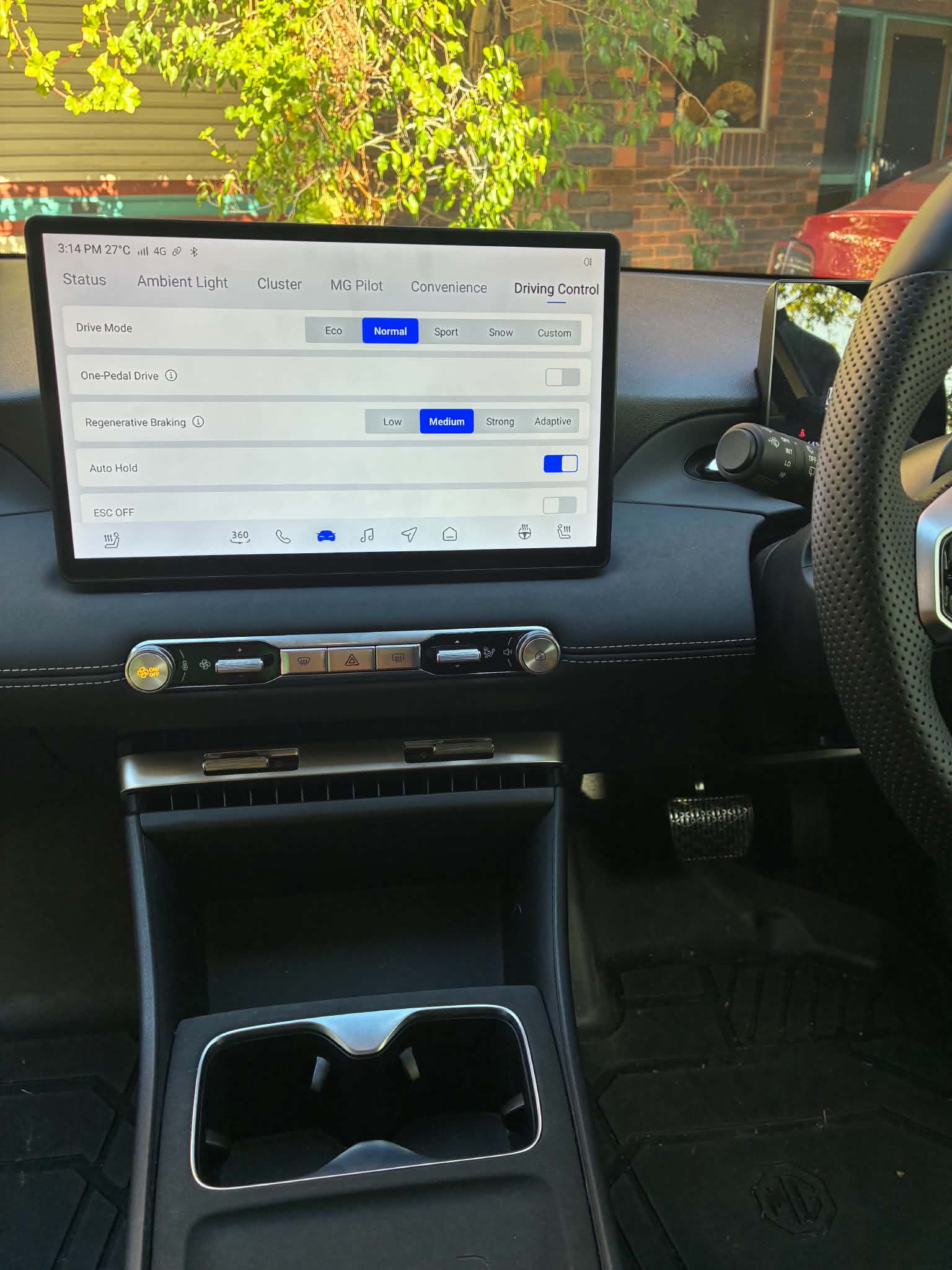
"I’m so glad I did, because it was such a different driving experience there was no way I could pay attention to the screen while driving or stopping/starting," she explained. "Amazing driving experience—I was in love and I was buying that ex-demo car."
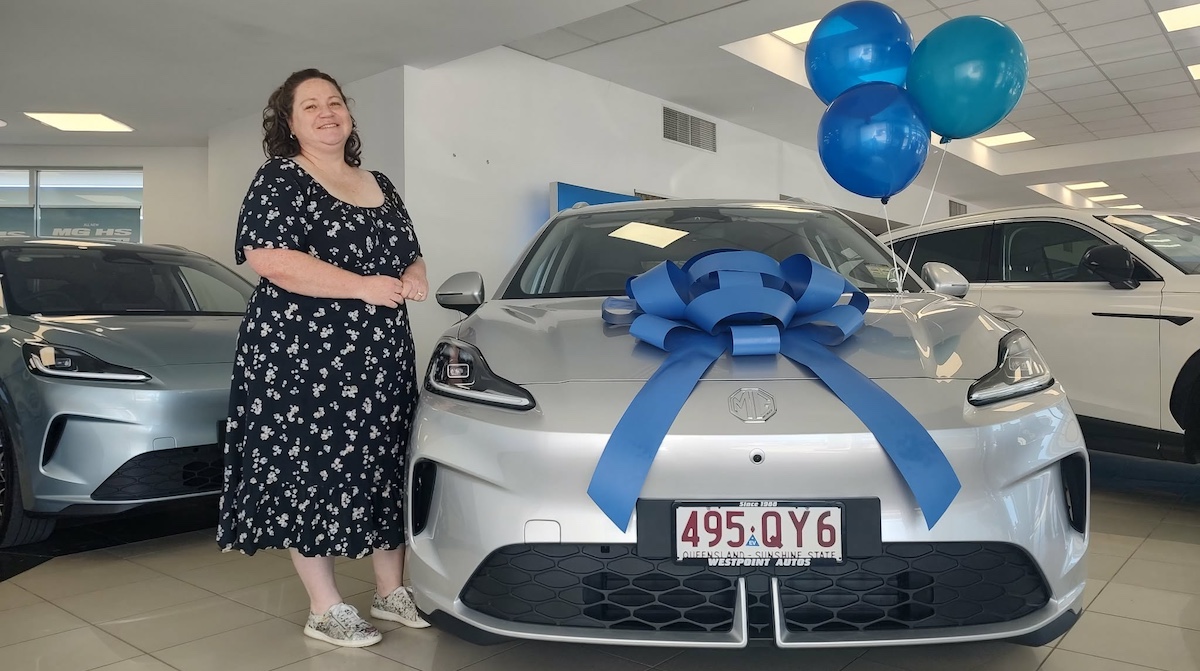
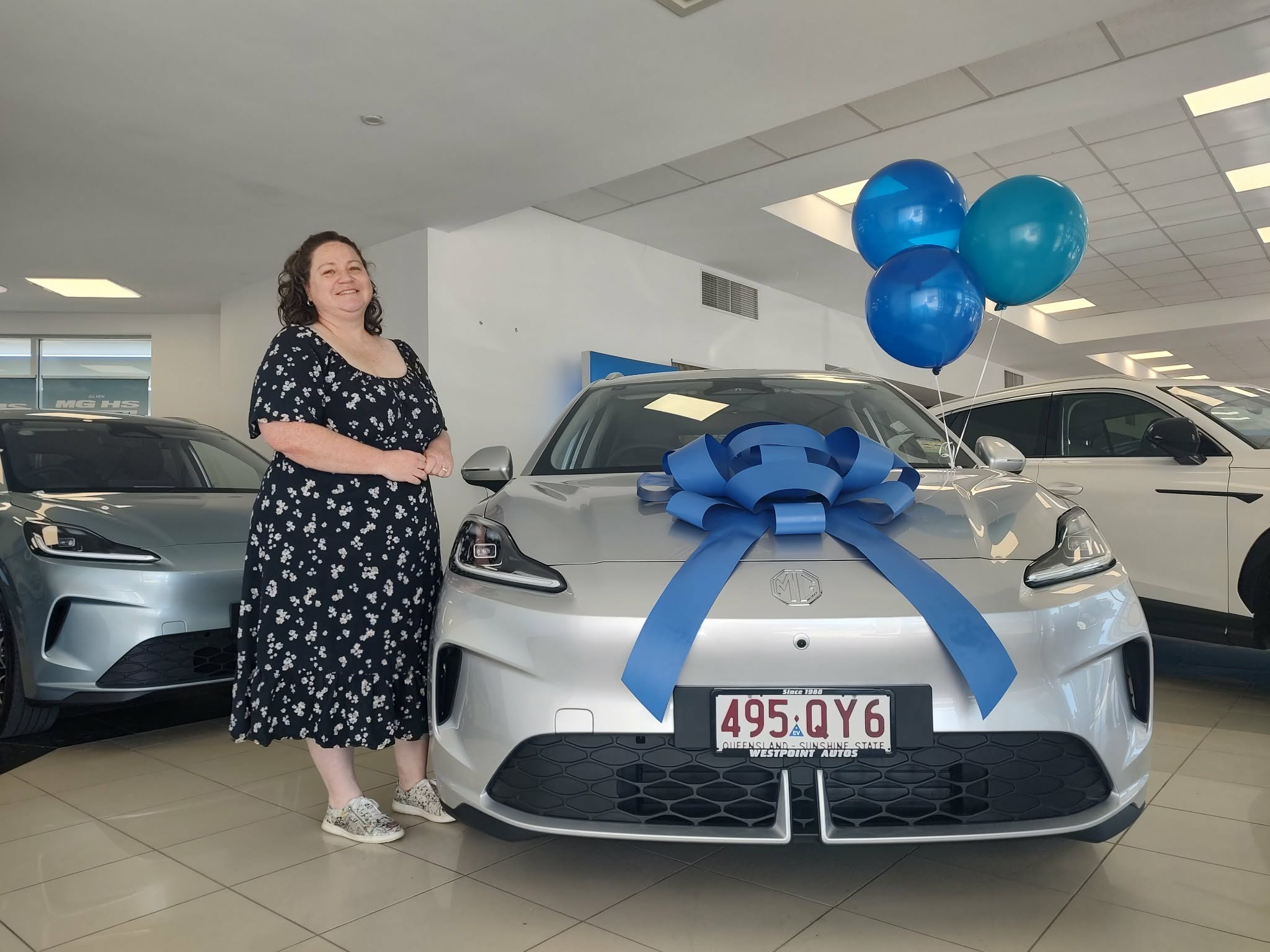
Karryn ultimately secured an ex-demonstrator MG4 Urban for $29,990 AUD, while Swifty yielded a modest $500 AUD trade-in/scrap value.
Future Outlook: Living with the MG4 Urban
Driving Dynamics and Sensory Reduction
Transitioning from a two-decade-old internal combustion vehicle to a modern battery-electric hatchback introduces a profound recalibration of sensory inputs. According to Karryn, the MG4 Urban offers a dramatically quieter cabin environment due to superior sound-deadening materials that isolate occupants from both rolling tire friction and external ambient noise.
From a mechanical standpoint, the elimination of a multi-speed transmission removes the traditional drivetrain latency associated with downshifting, gear hunting, and torque build-up. The electric motor delivers instantaneous throttle response across a single forward gear. Additionally, the inclusion of a 360-degree top-down camera system has transformed urban parking maneuvers from a spatial challenge into an effortless routine.
Seventeen-year-old Oscar offered a youthful perspective on the vehicle’s dynamic capabilities: "The Urban is a car made to drive. It’s so much fun because it’s so responsive and easy to drive, an even better ‘go-kart feel’ than the Swift, and that’s even in normal mode… Unless we’re on the highway—then it’s boring because the car does just about everything for you."
Technological Integration and Solar Synergy
The vehicle’s digital ecosystem has likewise streamlined household logistics. The MG companion application allows the family to pre-cool the cabin interior prior to entry—a critical feature in the Australian climate. Furthermore, the application’s digital key-sharing functionality bypasses the prohibitive costs associated with cutting physical modern transponder keys, which can exceed $700 AUD. While two family members retain physical fobs, Oscar utilizes a digital smartphone key, tailored for his transition to a provisional driver’s license.
Energy management represents perhaps the most transformative aspect of the purchase. Rather than relying on commercial charging infrastructure, the Warren family leverages their domestic solar array:
"I have only charged at home so far, usually from 8:00 AM to 3:00 PM," Karryn reported. "This gave me 20% [state of charge recovery] (70% up to 90%) purely through solar and/or house battery (when it was shady). I have charging times set at those times in the app, as that’s when our panels put out enough power to supply the house plus whatever we put on top. Oh, and it’s just plugged into a normal wall socket."

By integrating vehicle charging directly into peak daytime photovoltaic generation windows, the family has effectively decoupled their local transportation costs from retail electricity and fossil fuel markets.
For Karryn and her household, the unexpected demise of Swifty served as an accidental catalyst, accelerating an inevitable technological migration. What began as a cloud of black smoke on a regional highway has culminated in an electrified, solar-powered future where, in Karryn’s own words, "the more I drive my car, the more I love it—seriously, so happy with our purchase."



