

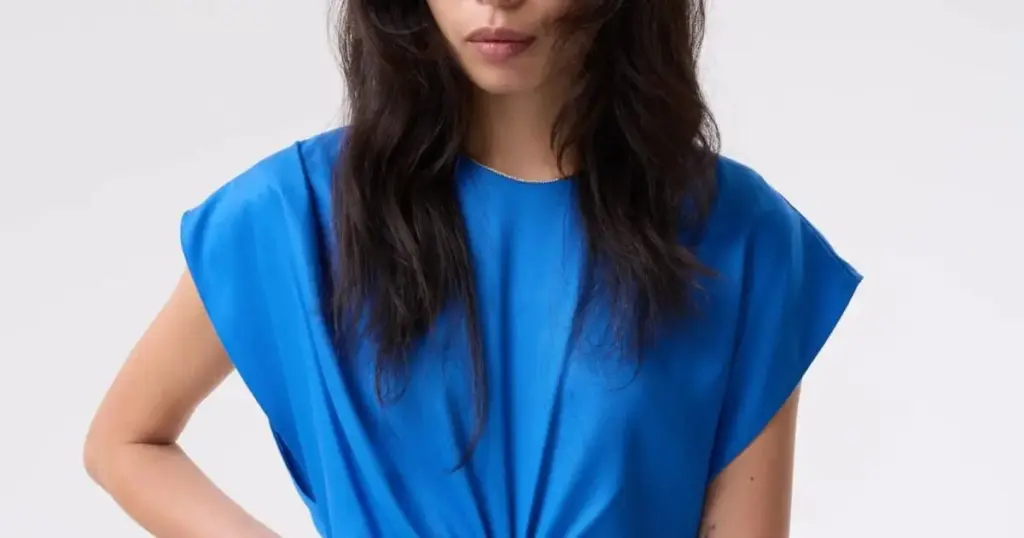
This is a sponsored feature highlighting brands independently assessed by rigorous ethical ratings systems. We proudly collaborate exclusively with brands achieving "Good" or "Great" ratings.
Executive Overview
The modern fashion landscape stands at a critical historical juncture. For decades, the dominant retail paradigm has been dictated by the relentless acceleration of trends, fueled by fast-fashion conglomerates capable of pushing dozens of micro-collections to market annually. This hyper-accelerated model relies on cutting corners—exploiting underpaid garment workers, devastating local ecosystems with toxic runoff, and relying on virgin synthetics derived from fossil fuels. The human and environmental toll of this disposable culture is well-documented, yet the consumer appetite for novelty remains insatiable.
However, a counter-movement is steadily gaining momentum. The philosophy of "buy less, buy better" is no longer merely a niche ethos held by strict environmentalists; it is evolving into a mainstream economic and aesthetic rebellion. At the heart of this shift is the true "investment piece"—a garment or accessory defined not by fleeting seasonal hype, but by architectural integrity, premium materials, and a design vocabulary that transcends transient trends.
This comprehensive report examines the economics of conscious consumption, unpacks the rigorous methodology behind sustainable brand ratings, and showcases a curated selection of exceptional brands that are proving luxury and responsibility can coexist. By investing in pieces crafted with care, consumers are not only building resilient, lifelong wardrobes but are also voting for a systemic overhaul of the global textile industry.
Detailed Chronology: The Evolution and Reclaim of True Investment Dressing
To understand how the concept of the "investment piece" became so distorted, we must trace the historical trajectory of garment manufacturing and consumer habits over the past century.
The Mid-20th Century: The Era of Craftsmanship
Before the globalization of supply chains and the invention of cheap synthetic fibers like polyester and nylon in the mid-20th century, clothing was inherently valued as a durable asset. Families maintained modest wardrobes built on quality tailoring, natural fibers (wool, cotton, silk, and linen), and structural integrity. Garments were routinely repaired, altered, and passed down through generations. Clothes carried a significant financial and emotional weight, anchoring the concept of "cost-per-wear" long before the term was coined by modern economists.
The Late 20th Century: The Rise of Fast Fashion
The landscape shifted dramatically in the late 1980s and 1990s with the democratization of style through fast fashion. Driven by supply chain innovations, computerized logistics, and the offshoring of labor to developing nations with lax regulatory standards, retailers compressed the design-to-shelf timeline from months to mere weeks. Suddenly, runway looks were replicated on high streets almost overnight at a fraction of the cost.
While this democratized trends, it fundamentally altered consumer psychology. Clothing transformed from durable capital investments into disposable commodities. As prices plummeted, quality followed suit. Seams became weaker, fabrics became synthetic blends prone to pilling and microplastic shedding, and clothes were worn a handful of times before being discarded.
The 21st Century: The Greenwashing and Overuse of "Investment"
As we entered the 2000s and 2010s, the fashion industry co-opted the vocabulary of sustainability and longevity. Marketing departments began labeling virtually every seasonal jacket or trendy handbag as an "investment piece," diluting the phrase’s true meaning. Consumers were encouraged to spend more on items that, structurally, were built no differently than their cheaper counterparts.
The Contemporary Renaissance: Circularity and True Longevity
Today, we are witnessing a vital correction. Driven by mounting climate anxiety, legislative pressures on waste management, and transparent digital platforms that expose supply chain practices, consumers are reclaiming the true definition of an investment piece. The modern renaissance of longevity focuses on circular design, traceable sourcing, regenerative materials, and timeless silhouettes. It requires a fundamental shift in perspective: viewing an expensive up-front purchase not as a luxury splurge, but as a long-term economic and ethical strategy.
Supporting Context & Metrics: The Economics of Conscious Consumption
Investing in sustainable fashion requires confronting an uncomfortable economic reality: conscious clothing costs more upfront. But why is this the case, and how does it balance out over time?
+-------------------------------------------------------------------------+
                    THE COST-PER-WEAR EQUATION
+-------------------------------------------------------------------------+
  Fast Fashion Item:      Upfront Cost ($30) / Wears (5)  = $6.00 per wear
  Sustainable Investment: Upfront Cost ($300) / Wears (150) = $2.00 per wear
+-------------------------------------------------------------------------+
Why Sustainable Clothing Commands a Higher Price
The higher price tag associated with ethically produced garments is not an arbitrary markup; it is a direct reflection of true cost accounting. When a consumer purchases a fast-fashion t-shirt for ten dollars, someone else in the supply chain is absorbing the hidden cost—whether it is the cotton farmer exposed to hazardous pesticides, the textile dyer working without adequate protective equipment in unregulated factories, or the municipal ecosystem dealing with untreated chemical runoff.
Sustainable brands build their pricing structures around:
- Living Wages: Ensuring that every worker along the supply chain—from harvesters to final assemblers—is compensated fairly, allowing them to afford housing, healthcare, and education.
- Higher-Grade Materials: Procuring certified organic, recycled, or regenerative textiles that require more intensive labor and specialized processing than conventional mass-market fibers.
- Ethical Manufacturing Processes: Utilizing closed-loop systems, non-toxic dyes, and zero-mercury mining techniques that protect local environments and human health.
The Long-Term Savings: Decoding Cost-Per-Wear
While the initial financial outlay is undeniably greater, the long-term economics strongly favor durability. A landmark study by luxury resale platform Vestiaire Collective revealed that the cost-per-wear of high-quality, pre-loved designer and sustainable garments averages out to be significantly cheaper over time—often up to 33% more cost-effective in the long run than continuously purchasing cheap, brand-new fast fashion items that break, warp, or go out of style within months.
Furthermore, for those operating on tighter budgets, the sustainable fashion ecosystem offers multiple entry points. Affordable responsible brands, thrift platforms, and second-hand marketplaces like eBay and Vestiaire Collective provide circular pathways to building an enduring wardrobe without breaking the bank.
Official Standards & Trust: How Ratings Are Calculated
In an era saturated with greenwashing—where brands invent vague eco-friendly terminology to mask unsustainable practices—consumers need objective, verifiable metrics. This is where comprehensive evaluation frameworks become essential.
The Five-Point Transparency Scale
Platforms like Good On You have revolutionized how conscious consumers navigate the market. By aggregating transparent, verifiable data across thousands of fashion and beauty brands, these evaluation systems strip away marketing gloss to assess performance across three core pillars:
- People: Labor conditions, fair wages, safety standards, and supply chain transparency.
- Planet: Carbon emissions, water usage, chemical management, and waste reduction.
- Animals: Ethical sourcing of animal-derived materials, cruelty-free certifications, and the promotion of humane alternatives.
Using a rigorous five-point scale, independent methodologies highlight only those brands that achieve "Good" or "Great" ratings. This editorial standard ensures that when consumers invest in recommended items, their financial support genuinely accelerates sustainable industry practices.
Curated Excellence: Wardrobe Investment Pieces from Rated Brands
To help you translate the philosophy of "buy less, buy better" into actionable wardrobe additions, our editors have curated a selection of standout pieces from brands that excel in both design longevity and verified sustainability.
1. FUTURA Jewelry
- Focus: Fine Jewelry
- Sustainability Highlights: Based in New York, FUTURA Jewelry is a pioneer in responsible fine jewelry production. Every single piece is handcrafted using mercury-free 18kt Certified Fairmined Ecological gold. Notably, the brand sources its precious metals from mines that operate without toxic chemicals such as mercury and cyanide—safeguarding miners’ health and preventing environmental devastation.
- Investment Appeal: Timeless, heirloom-quality gold pieces designed to be passed down through generations.
2. Mashu
- Focus: Vegan Accessories & Handbags
- Sustainability Highlights: This British accessories label holds a proud "Good" environmental rating. Mashu specializes in structural vegan handbags that never force consumers to choose between ethics and aesthetics. Exteriors utilize innovative vegan leather alternatives, while interiors feature premium vegan suede crafted from recycled polyester.
- Investment Appeal: Sculptural, architectural handbag designs that act as statement pieces while remaining entirely cruelty-free.
3. CAES
- Focus: Minimalist Womenswear
- Sustainability Highlights: Operating under the guiding principle that "fashion does not have to be fast or seasonal," Dutch brand CAES (pronounced like case) designs minimalist womenswear using lower-impact materials. Their collections incorporate innovative textiles such as Desserto cactus leather, recycled cotton, and Tencel Lyocell. The brand maintains an active code of conduct aligned with ILO principles and partially traces its supply chain.
- Investment Appeal: Clean, versatile silhouettes that form the foundational building blocks of a capsule wardrobe.
4. WE-AR4
- Focus: Design-to-Wear Essentials
- Sustainability Highlights: Founded by seasoned fashion industry veterans, US-based WE-AR4 merges intelligent design with rigorous sustainability. Rather than perpetually manufacturing new virgin textiles, the brand champions a "thrift" model for luxury inputs—rescuing high-quality leathers and textiles left over from other fashion houses and breathing new life into them alongside certified lower-impact materials.
- Investment Appeal: Effortless wardrobe essentials available in sizes XS–L, engineered to withstand changing seasonal tides.
5. Bario Neal
- Focus: Custom Fine Jewelry & Rings
- Sustainability Highlights: Bario Neal specializes in custom, handmade rings and fine jewelry utilizing conflict-free diamonds, reclaimed precious metals, Fairmined gold, and ethically sourced gemstones. Each piece is crafted with meticulous attention to environmental and human impact.
- Investment Appeal: Highly personalized, ethically sourced fine jewelry designed to celebrate life’s milestones without ethical compromise.
6. Akyn
- Focus: Contemporary Womenswear
- Sustainability Highlights: Founded by sustainable fashion industry luminary Amy Powney, Akyn delivers contemporary, enduring womenswear created strictly from lower-impact materials.
- Investment Appeal: Expertly tailored garments that reflect decades of sustainable design expertise, prioritizing clean lines and longevity.
7. HERTH
- Focus: Organic Silk & Lingerie
- Sustainability Highlights: Crafting its collections in Italy, HERTH specializes in organic silk womenswear and delicate lingerie. The brand pairs timeless silhouettes with refined design and a fully traceable supply chain. Available in extended sizing from XS to 2XL.
- Investment Appeal: Luxurious, skin-adjacent staples that offer breathable comfort and enduring elegance.
Future Outlook: The Next Decade of Conscious Style
As we look toward the future of the fashion industry, several key trends and regulatory shifts indicate that the era of disposable fast fashion is facing mounting friction:
- Legislative Interventions: Governments across the European Union and parts of North America are introducing stringent regulations targeting textile waste, greenwashing, and extended producer responsibility (EPR). Brands will increasingly be held legally accountable for the entire lifecycle of their garments.
- Material Innovation: The development of next-generation materials—ranging from lab-grown silk and agricultural waste-derived textiles to advanced chemical recycling technologies—will make sustainable production more scalable and cost-effective.
- The Normalization of Circularity: Resale, rental, repair, and recycling infrastructures are rapidly embedding themselves into mainstream retail. The stigma once associated with second-hand clothing has evaporated, replaced by a cultural pride in circular fashion participation.
Ultimately, building an investment wardrobe is an act of reclaiming personal agency. By stepping off the dizzying treadmill of micro-trends and curating a collection built on certified craftsmanship, ethical labor, and timeless design, consumers can enjoy fashion that honors both personal style and the planet.
Editor’s Note: Feature images courtesy of Akyn; all other imagery provided by the respective brands. Good On You publishes the world’s most comprehensive ratings evaluating fashion and beauty brands across people, planet, and animal welfare metrics. Explore the full directory to search thousands of rated brands.
Article Updated: July 29, 2026. Our editorial team continually reviews and updates content to reflect the most current brand ratings, performance metrics, and sustainable fashion insights.



