

Executive Overview
The landscape of European mobility underwent a dramatic tectonic shift in early 2026, driven by a convergence of macroeconomic pressures, shifting consumer sentiment, and acute geopolitical vulnerabilities. According to recent comprehensive registration data released by automotive analysts New Automotive and E-Mobility Europe, battery-electric vehicle (BEV) registrations across 14 key European Union and European Free Trade Association (EFTA) markets experienced a staggering 51% year-over-year surge in March 2026.
More than 224,000 new all-electric passenger cars hit European roads during March alone, capturing an impressive 22% market share of all new vehicle registrations across those monitored territories (and sitting firmly at an estimated 21.2% across the broader European Union). This explosive growth trajectory culminated in a milestone achievement for the first quarter of 2026: over half a million new BEVs were registered in the EU alone, representing a robust 33.5% increase compared to the same three-month window in 2025.
While climate regulations and falling battery costs have historically served as the primary catalysts for transport electrification, the early 2026 spike highlights a profound paradigm shift. As renewed conflict in the Middle East rattled global crude oil supply chains, European reliance on imported fossil fuels was thrust back into the political spotlight. Consequently, the mass transition to electromobility has rapidly transcended traditional environmentalism, solidifying its place at the very core of Europe’s regional energy security and strategic autonomy strategies.
Detailed Chronology: The Road to the March 2026 Boom
To fully appreciate the gravity of the March 2026 sales figures, it is essential to examine the trajectory of the European automotive market over the preceding eighteen months. The journey to this record-breaking quarter was neither linear nor uniform, characterized by regulatory adjustments, shifting subsidy frameworks, and volatile global supply chains.
2024–2025: Regulatory Pressures and Patchwork Growth
Throughout late 2024 and much of 2025, European EV adoption faced a series of mixed headwinds. While stringent fleet emissions targets set by the European Commission mandated lower average carbon outputs for automakers, the abrupt phasing out or restructuring of purchase incentives in several heavy-hitting markets—most notably Germany—created temporary market stalls.
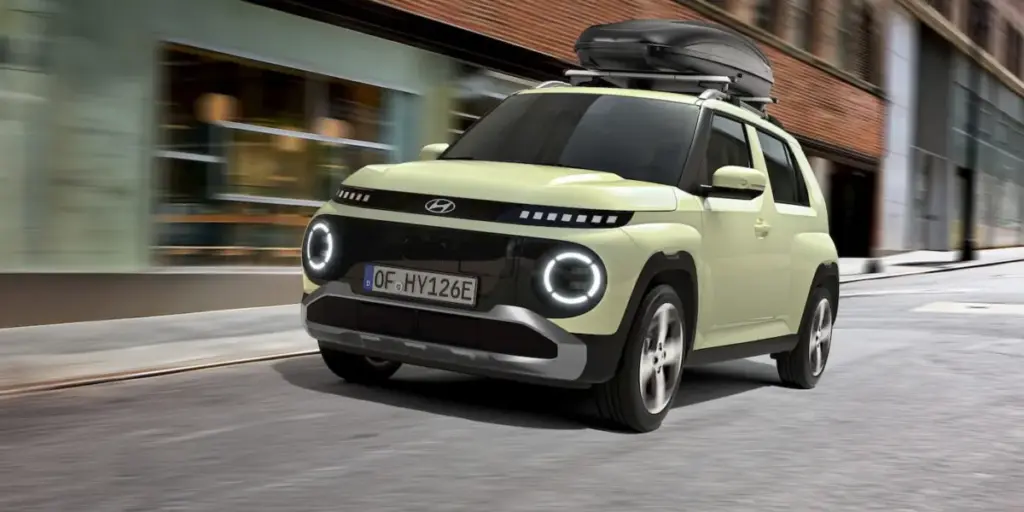
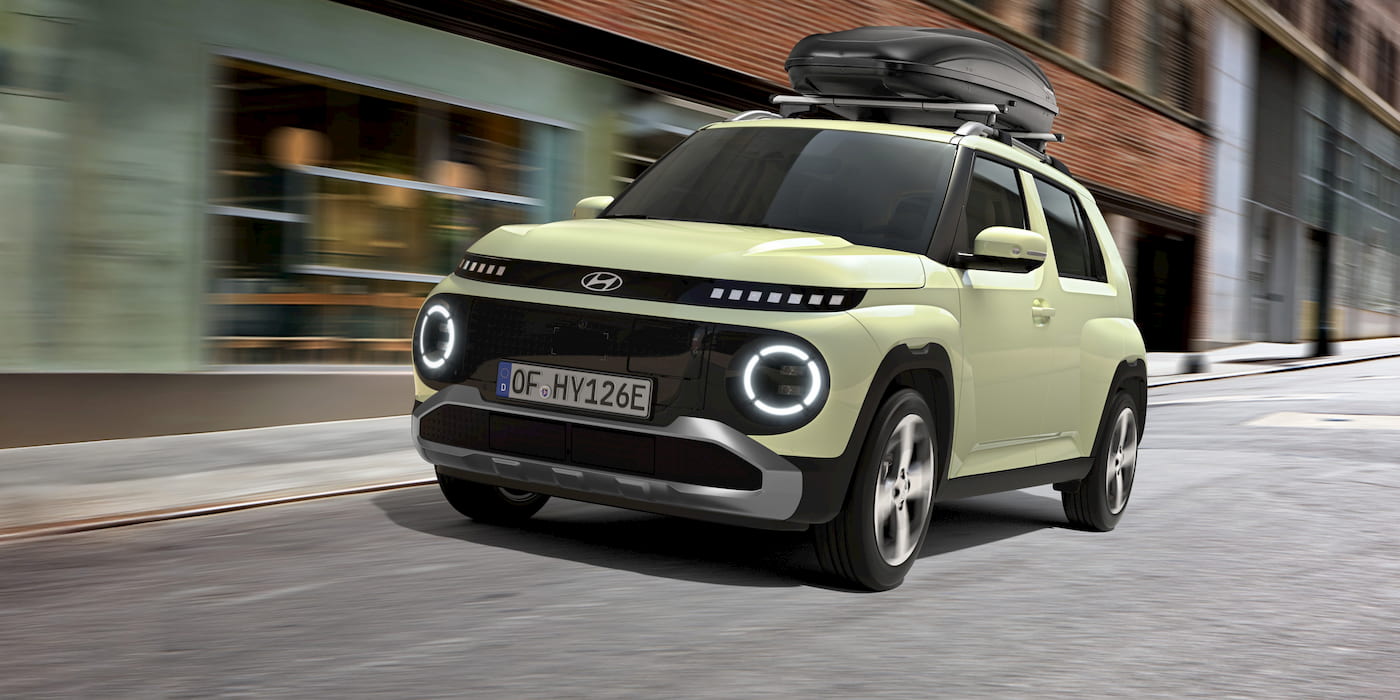
During this transitional period, growth rates flattened in historically strong Western European economies, while Southern and Eastern European markets lagged behind due to underdeveloped charging infrastructure and higher upfront vehicle costs. However, steady advancements in vehicle affordability—typified by the introduction of sub-€25,000 urban electric SUVs such as the Hyundai Inster—began bridging the gap between early adopters and the mass-market consumer base.
Q4 2025 to January 2026: The Geopolitical Catalyst
As the calendar turned toward the end of 2025, brewing tensions in the Middle East began to exert upward pressure on global oil benchmarks. By January and February 2026, European policymakers and consumers alike were forced to confront the structural vulnerability of relying on volatile, imported fossil fuels for domestic transportation.
Energy security discourse rapidly shifted from the heating and electricity sectors directly into the garages of everyday drivers. Fleet operators, commercial logistics providers, and private households began prioritizing vehicles decoupled from petroleum markets. This growing sense of urgency primed the market for an extraordinary sales acceleration, setting the stage for the March breakout.
March 2026: The Inflection Point
March 2026 shattered previous seasonal records. The registered volume of 224,000+ BEVs across the 14 tracked EU and EFTA markets proved that the electrification trend was breaking past historical adoption curves. Major economic heavyweights that had previously experienced sluggish growth suddenly roared back to life, registering month-over-month and year-over-year surges that surprised even seasoned market analysts.
Supporting Context & Metrics: A Continental Breakdown
A closer examination of the data reveals that the March 2026 surge was not an isolated phenomenon driven by a single outlier nation; rather, it was a broad-based, pan-European expansion. All five of the region’s largest economies—Germany, France, Spain, Italy, and Poland—posted year-to-date BEV growth rates exceeding 40%.
Germany’s Resurgence
Germany, Europe’s largest automotive market, experienced a significant rebound following the recalibration of its national incentive landscape. With new, targeted support structures in place to encourage commercial and private EV acquisition, roughly one out of every four new cars registered in the country during March 2026 was fully electric. This momentum powered a 42% year-to-date increase in German BEV registrations.
France’s Social Leasing Framework
France maintained its position as a frontrunner among major economies, capturing a remarkable 28% market share for EVs in March alone. The continued success of innovative public policies—specifically the government’s targeted social leasing scheme, which provides low-income households access to affordable lease rates for electric vehicles—helped propel France toward a nearly 50% year-to-date growth rate.

The Southern and Eastern Awakening: Italy and Poland
Perhaps the most encouraging narrative of the early 2026 data is the acceleration observed in markets that previously lagged behind the EV curve.
- Italy: After lingering near a modest 5% EV market share at the close of 2025, Italy experienced a dramatic upward correction. By March 2026, Italian BEV market share climbed to 8.6%, backed by a staggering 65% surge in year-to-date registrations.
- Poland: Mirroring Italy’s trajectory, Poland recorded robust year-to-date BEV growth above 40%, signaling that Central and Eastern European consumers are increasingly embracing zero-emission mobility as model availability improves.
The Nordic Benchmark: Norway, Denmark, and Finland
While major continental economies scaled up their adoption curves, the Nordic nations continued to operate in a league of their own, proving the ultimate viability of a post-combustion automotive ecosystem.
- Norway: Remaining the undisputed global benchmark for electromobility, Norway recorded an astonishing 98.4% of all new car registrations as fully electric in March 2026. Combustion-engine vehicles have become an extreme rarity on Norwegian roads.
- Denmark: Demonstrating rapid alignment with its northern neighbor, Denmark saw 76.6% of its new car sales go fully electric during the month.
- Finland: Finland crossed a major milestone of its own, with nearly 50% of all new vehicle registrations consisting of battery-electric models.
Official Statements and Industry Insights
The implications of the March 2026 data have prompted strong reactions from industry leaders, trade organizations, and policy analysts, who emphasize that the transition has entered an irreversible, strategic phase.
Chris Heron, Secretary-General of E-Mobility Europe, framed the milestone directly through the lens of continental geopolitics and resource independence:
"March’s surge in electric car sales is one of Europe’s biggest recent gains in energy security, in a month when oil dependence has become a real vulnerability," stated Heron. "Across the EU’s major markets, EV sales are growing at rates above 40%, marking a clear step change, not statistical noise. That translates into half a million electric cars registered so far this year, cutting roughly 2 million barrels of oil demand annually."
Echoing these sentiments, Ben Nelmes, CEO of automotive research group New Automotive, highlighted the changing motivations driving consumer behavior:

"Every electric vehicle registered means Europe is less reliant on imported oil. At a time when energy security has moved to the top of the political agenda, the EV transition is delivering real and measurable resilience," Nelmes noted. "The pace of change we’re now seeing across major European markets—including countries like Italy and Poland that were slower to start—suggests the transition has entered a new phase."
Industry observers point out that this fundamental shift is occurring even before the full economic impact of the ongoing oil market volatility is completely absorbed by long-term corporate fleet procurement strategies. As commercial fleet operators and private buyers alike rush to insulate themselves from volatile fuel pricing, the momentum behind electrification appears poised to accelerate further throughout the remainder of 2026.
Future Outlook: Navigating the Road Ahead Through 2026 and Beyond
As Europe looks past the first quarter of 2026, the trajectory of the electric vehicle market points toward continued, albeit complex, expansion. The convergence of energy security imperatives and consumer-driven demand has created a resilient foundation that outpaces traditional policy-driven cycles.
Key Drivers for the Remainder of 2026
- Model Expansion and Affordability: The influx of cost-effective, regionally manufactured electric compacts and SUVs is addressing the historical barrier of high initial purchase prices. Automakers are increasingly tailoring vehicle lineups to meet the specific budgetary requirements of middle-income European households.
- Infrastructure Maturation: Continued public and private investments in ultrafast charging corridors—particularly along trans-European transport networks and within urban centers—are steadily alleviating lingering range anxiety among prospective buyers.
- Corporate Fleet Turnovers: With strict corporate sustainability mandates intersecting with volatile fuel expenditures, corporate fleets are expediting their phase-out schedules for internal combustion engine (ICE) vehicles, injecting a steady volume of second-hand EVs into the broader consumer market.
Challenges on the Horizon
Despite the overwhelmingly positive indicators from Q1 2026, structural challenges remain. Grid capacity upgrades must keep pace with the exponential rise in residential and commercial charging demands. Furthermore, ongoing geopolitical tensions regarding critical mineral supply chains, battery manufacturing inputs, and trade policy adjustments between the EU and global manufacturing hubs will require careful navigation by policymakers.
Nevertheless, the data from March 2026 sends an unmistakable message. By transforming personal and commercial transport into an electrified grid asset, Europe is not only curbing carbon emissions but actively insulating its economy from external energy shocks. If current consumer adoption rates and fleet procurement trends hold steady through the end of the year, Europe’s transition to electric mobility will have successfully crossed from an ambitious regulatory experiment into an entrenched, permanent pillar of continental security and economic stability.



