

Executive Overview
In an era defined by rapid technological advancement, the global transition toward a decarbonized, electrified economy relies on a foundational paradox: the green energy transition is desperately dependent on finite, highly contested natural resources. From electric vehicles (EVs) and offshore wind turbines to the bleeding-edge hardware powering artificial intelligence (AI) and advanced manufacturing, modern technology is anchored by critical minerals and rare earth elements (REEs). However, the extraction and processing of these vital materials have historically been mired in geopolitical vulnerabilities, severe environmental degradation, and precarious supply chain bottlenecks heavily concentrated overseas.
Enter a powerful new alliance poised to disrupt the status quo. ERI, a premier national electronics recycling powerhouse, and Cyclic Materials, an innovative pioneer in rare earth recycling technology, have officially announced a sweeping global partnership. This strategic collaboration aims to systematically recover rare earth elements and other critical minerals from massive volumes of discarded electronic waste (e-waste).
By uniting ERI’s expansive, AI-driven collection and sorting infrastructure with Cyclic Materials’ state-of-the-art processing facility in Mesa, Arizona, the partnership is set to establish one of the largest commercial portfolios of rare earth recycling feedstock in the United States. Rather than relying on environmentally taxing, slow-to-permit primary mining operations, this initiative transforms everyday electronic discards into a reliable, domestic secondary supply of high-demand materials. As geopolitical tensions underscore the urgency of economic self-reliance, this milestone agreement marks a critical leap forward in securing America’s technological and environmental independence.
Detailed Chronology: The Making of a Domestic Circular Economy
The genesis of this landmark partnership is rooted in the escalating urgency of the e-waste crisis and the growing scarcity of magnet-grade rare earth metals. While the formal global agreement has just been locked in, the groundwork has been laid over years of technological scaling by both companies.
The Collection Engine: ERI’s Massive Footprint
Operating out of Fresno, California, ERI commands a dominant position in the North American electronics recycling landscape. The company processes an astounding volume of electronic waste—surpassing 1 million pounds every single day. To manage this relentless tide of discarded technology, ERI utilizes a sophisticated, nationwide network encompassing eight specialized recycling centers.
Recognizing that manual sorting of rare earth-containing components is entirely unfeasible at this scale, ERI has heavily invested in proprietary artificial intelligence and advanced machine-learning hardware. This software-driven infrastructure is capable of rapidly scanning incoming streams of e-waste, accurately identifying products that house valuable rare earth magnets, and sorting the materials according to strict purity thresholds. This meticulous preprocessing ensures that high-quality, targeted feedstocks are consistently generated for downstream refining.
The Processing Powerhouse: Cyclic Materials in Mesa, Arizona
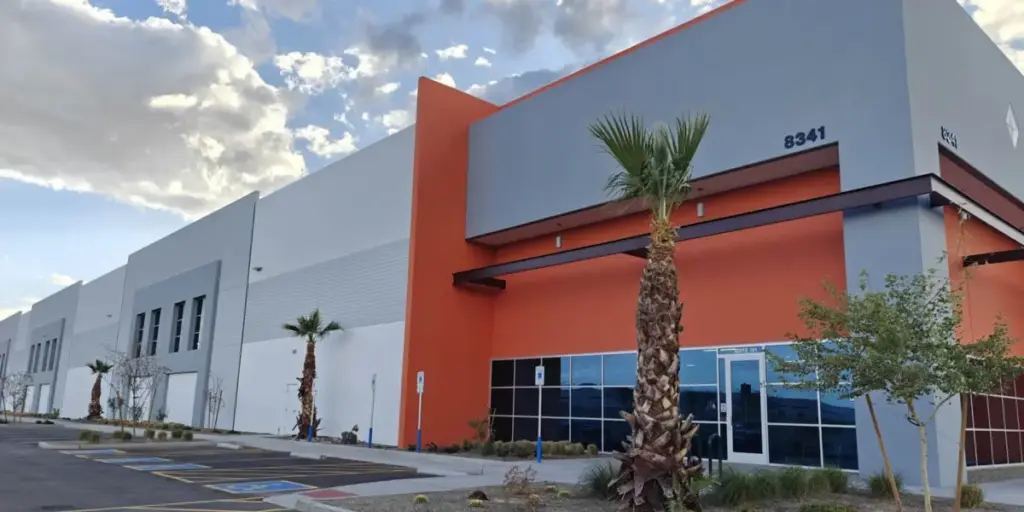
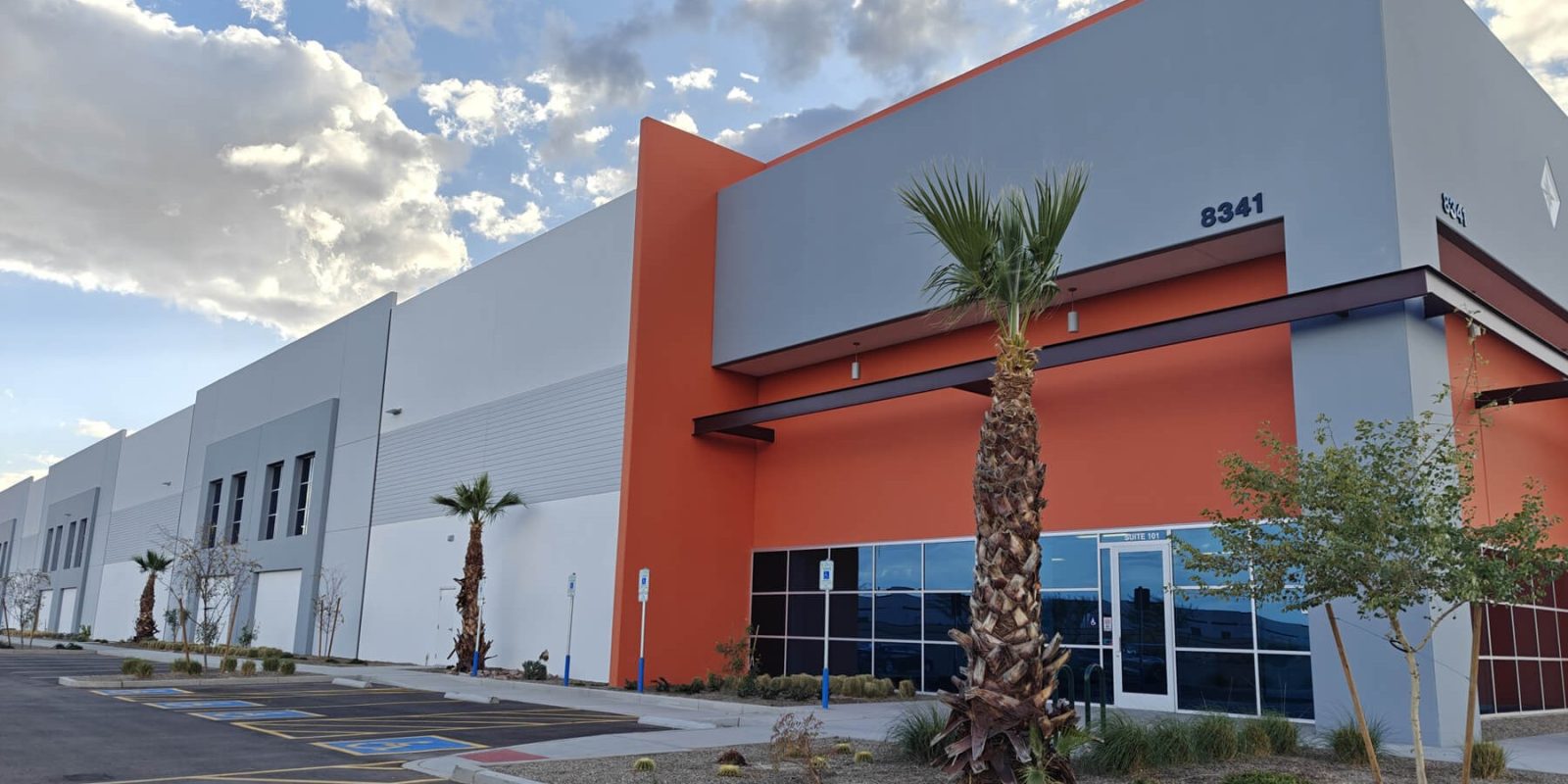
Once ERI’s AI systems isolate and prepare the magnet-containing components, the materials are funneled directly to Cyclic Materials’ cutting-edge facility in Mesa, Arizona. Operationalized to tackle the mounting wave of end-of-life tech components, this facility boasts an impressive processing capacity of up to 25,000 metric tonnes annually.
Cyclic Materials’ proprietary metallurgical processes do not merely target a single element; they are engineered to comprehensively reclaim a suite of critical metals. Beyond recovering heavy and light rare earth elements, the Mesa plant successfully extracts industrial stalwarts like copper and aluminum, ensuring that a minimal amount of material goes to waste.
The Validation and Qualification Phase
Although the partnership has officially been inked, both organizations are taking a methodical, data-driven approach to scaling operations. Currently, engineering and technical teams from ERI and Cyclic Materials are actively analyzing material samples to identify optimal product streams. While executive leadership has confirmed that several high-volume consumer and industrial product categories have already been identified, specific product classifications remain under wraps for competitive and strategic reasons.
Concurrently, the two companies are laying the groundwork for joint bidding on lucrative government and commercial contracts. This collaborative positioning signals a coordinated effort to secure institutional backing and accelerate the integration of recycled critical minerals directly into the domestic manufacturing pipeline.
Supporting Context & Metrics: The Anatomy of the Critical Mineral Crunch
To fully grasp the significance of the ERI and Cyclic Materials alliance, one must examine the broader macroeconomic and industrial landscape driving the demand for rare earth elements.
The Geopolitical and Environmental Imperative
Historically, the global supply chain for rare earth elements—a group of 17 chemically similar metallic elements crucial for high-tech applications—has been heavily dominated by a single nation: China. This near-monopoly has repeatedly left Western economies vulnerable to export restrictions, price volatility, and geopolitical leverage.

Furthermore, traditional primary mining—the extraction of raw ores from the earth—is notoriously resource-intensive. Developing a new rare earth mine in the United States or allied nations is a notoriously sluggish endeavor, frequently bogged down by years of environmental impact assessments, regulatory hurdles, and permitting delays. Conversely, urban mining—recovering materials from products already in circulation—bypasses the exploration and extraction phases entirely. Urban mining can establish domestic mineral supplies significantly faster, with a vastly reduced carbon footprint and zero new land disruption.
The Exponential Rise of Tech, EVs, and AI
The demand trajectory for rare earth elements is pointing almost vertically upward, driven by three major sectors:
- Electric Vehicles (EVs): Permanent magnet synchronous motors, which are widely considered the gold standard for efficient EV drivetrains, rely heavily on Neodymium-Iron-Boron (NdFeB) magnets. As automotive manufacturers transition away from internal combustion engines, the appetite for these specialized magnets is skyrocketing.
- Renewable Energy Infrastructure: Wind turbines—particularly direct-drive offshore models—require massive quantities of rare earth permanent magnets to convert kinetic wind energy into electrical power efficiently. Without a stable supply of these elements, the aggressive expansion targets of global renewable energy initiatives face severe roadblocks.
- Artificial Intelligence and Advanced Manufacturing: The boom in artificial intelligence requires staggering amounts of computing power, data center infrastructure, and sophisticated robotics. Advanced manufacturing systems, specialized computer hardware, and high-performance electronics all depend on the exact critical minerals that ERI and Cyclic Materials are targeting for recovery.
By the Numbers: Scaling the Solution
- 1 Million+ Pounds: The daily volume of electronic waste processed by ERI across its nationwide network.
- 25,000 Metric Tonnes: The annual processing capacity of Cyclic Materials’ advanced facility in Mesa, Arizona.
- Multiple Industrial Streams: The integration of AI-driven sorting to isolate high-purity magnets alongside critical base metals like copper and aluminum.
Official Statements: Industry Leaders Speak Out
The partnership has garnered significant attention from industry stakeholders, signaling a major maturation in the North American circular economy.
Ahmad Ghahreman, CEO and founder of Cyclic Materials, emphasized the sheer scale and transformative potential of the collaboration:
"As one of the world’s largest electronics recyclers, ERI processes an immense volume of products annually, and this partnership will transform that volume into an impactful supply of rare earths for the US."
Echoing this sentiment, John Shegerian, Chairman and CEO of ERI, highlighted the technological synergy driving the initiative:

"Cyclic’s innovative technology and state-of-the-art facility provide commercial capabilities that make the circularity of heavy rare earth elements more accessible than ever before."
These remarks underscore a shared philosophy: that the mountains of discarded electronics accumulating in warehouses and households across the globe should no longer be viewed as hazardous waste, but rather as dormant "urban mines" capable of fueling the next generation of American technology.
Future Outlook: Charting the Path to a Circular Future
As ERI and Cyclic Materials look toward the horizon, the roadmap is clear, though significant work remains. In the immediate term, the focus centers on completing the qualification of product samples and establishing a steady, predictable feedstock stream to keep the Mesa processing facility operating at peak capacity.
While a definitive timeline for when recycled materials from this specific partnership will fully permeate the broader US supply chain has not yet been publicly disclosed, the institutional intent is unmistakable. By joining forces, ERI and Cyclic Materials are not simply establishing a commercial enterprise; they are laying the bedrock for a resilient, self-sustaining American industrial ecosystem.
If successful, this model could serve as a blueprint for other nations and industries grappling with resource scarcity. By successfully closing the loop on e-waste and reclaiming vital rare earth elements domestically, the United States takes a monumental stride toward insulating its critical technology sectors from foreign supply shocks. The transition to a green economy is no longer just about building wind turbines and electric vehicles—it is equally about ensuring that the materials powering them can be endlessly reborn right here at home.



