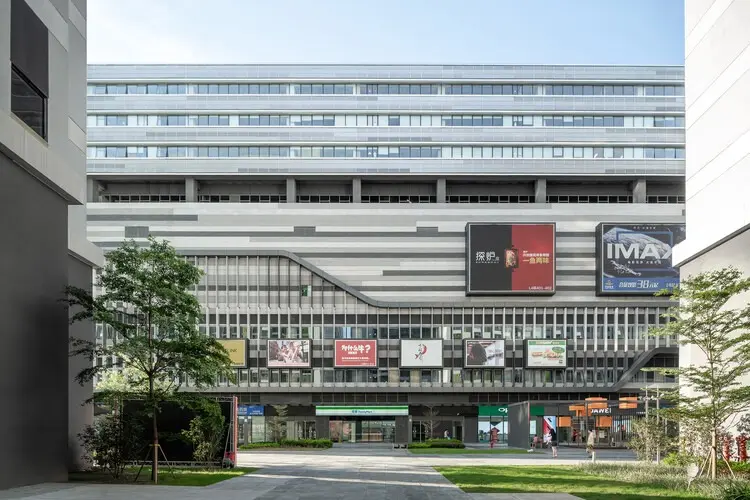
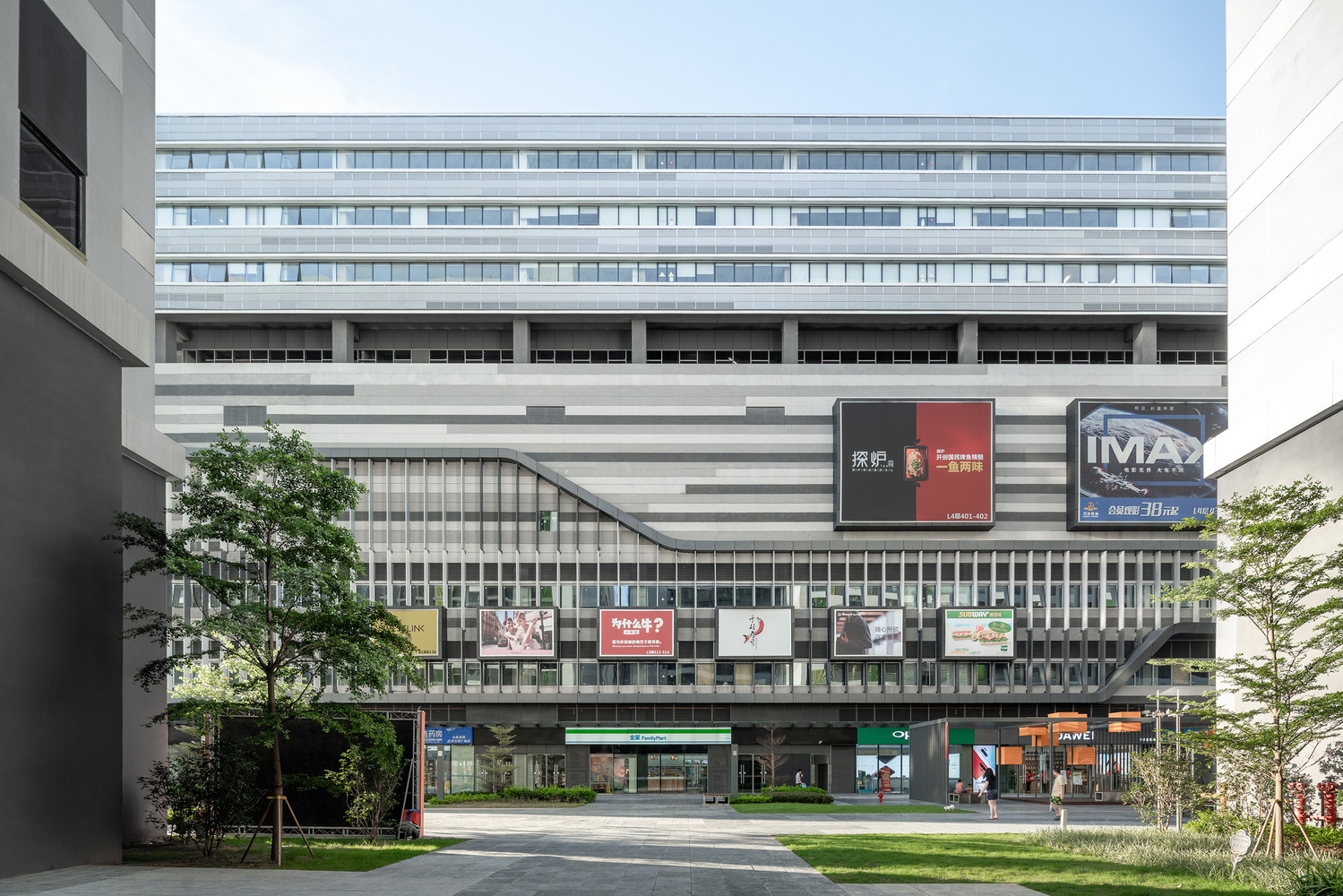
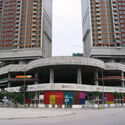
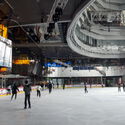
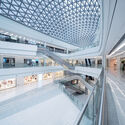
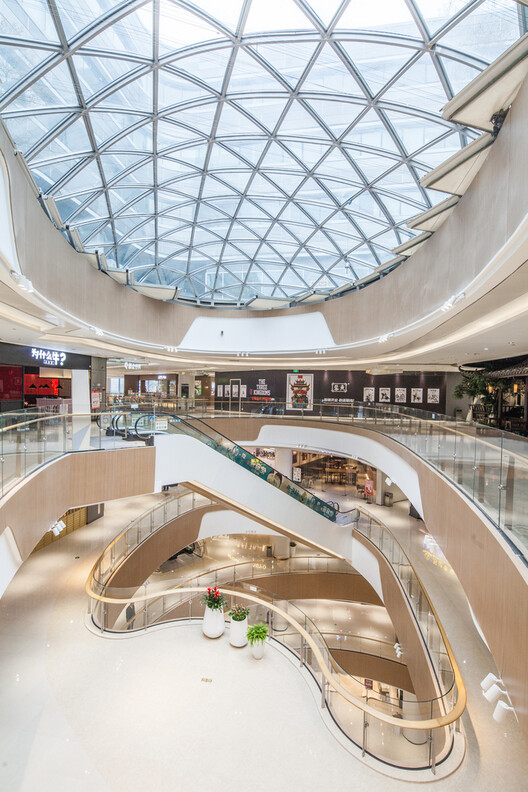
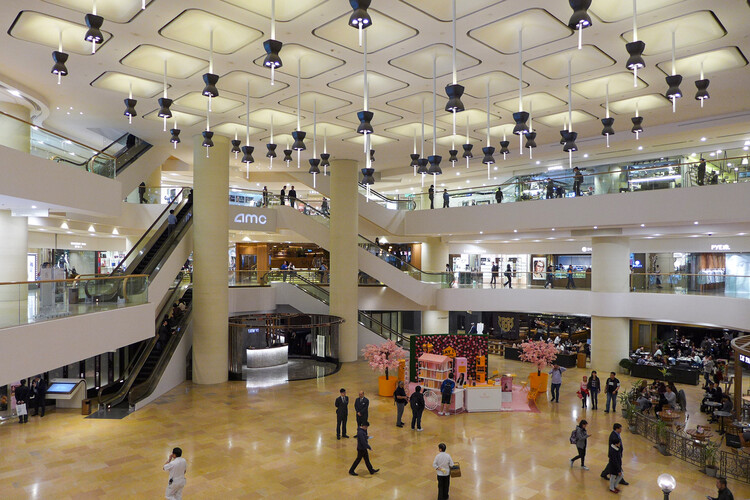
In the contemporary metropolises of East and Southeast Asia, the natural elements—oppressive summer heat, soaring humidity, torrential monsoons, and shifting seasonal variations—are increasingly experienced from a distance. In high-density financial and residential hubs like Hong Kong, Singapore, and Bangkok, a citizen can seamlessly navigate an entire daily routine without ever truly encountering the exterior atmosphere.
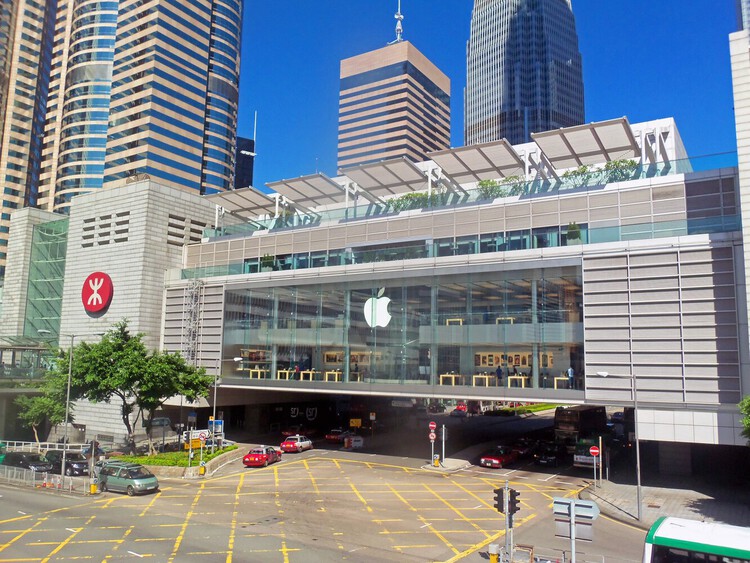
Moving from an insulated high-rise residential tower through a multi-level podium mall, descending into a climate-controlled Mass Transit Railway (MTR) station, emerging beneath a massive commercial complex, and traversing miles of elevated pedestrian footbridges or subterranean arcades, the urbanite is wrapped in a continuous, artificial microclimate.
While this masterclass in urban integration offers undeniable benefits in terms of logistical efficiency, spatial conservation, and protection from climatic extremes, it prompts a profound architectural and sociological query: At what point does climate adaptation cross the line into climatic withdrawal?
As air-conditioning has evolved from a localized mechanical appliance into a planetary-scale infrastructure, it has fundamentally re-engineered the Asian city. The exterior street is no longer the primary canvas of civic life; instead, it is frequently reduced to an uncomfortable, glaring interval that separates one conditioned interior from the next. This comprehensive investigation examines how mechanical cooling has rewritten urban planning, evaluated the staggering environmental tolls of these internal networks, and questioned whether our cities are losing the institutional memory required to design for the open air.
Detailed Chronology: The Evolution of the Interiorized Asian City
The transformation of Asian urbanism from street-level engagement to enclosed multi-level networks did not happen overnight. It was driven by a convergence of rapid population growth, extreme land scarcity, and post-colonial economic development that necessitated unprecedented densities.
Phase I: The Incubation of Podiums and High-Density Housing (1970s–1980s)
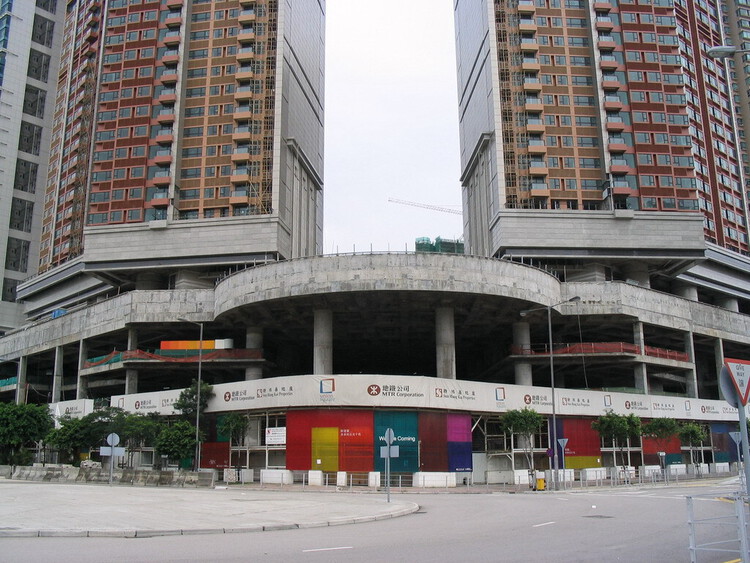
As British Hong Kong and other regional tigers faced unprecedented inward migration and acute real estate shortages, urban planners were forced to abandon Western-style horizontal sprawl. The genesis of "podium-tower urbanism" emerged during this era. Developers realized that stacking residential and commercial spaces atop massive, multi-story structural podiums could maximize land value.
Initially, these podiums served as localized buffers against street-level noise and pollution. However, with the widespread commercialization of mechanical ventilation and air-conditioning units, these internal podium spaces rapidly expanded from simple utility zones into enclosed shopping precincts. The interior began its systematic creep outward and upward.
Phase II: The Institutionalization of Transit-Oriented Development (1990s–2000s)
The maturation of the "Rail plus Property" (R+P) business model—pioneered most successfully by Hong Kong’s MTR Corporation—cemented the marriage between public transport infrastructure and private commercial real estate. Railway stations were no longer merely transit hubs; they became subterranean anchors for giant, multi-use complexes.
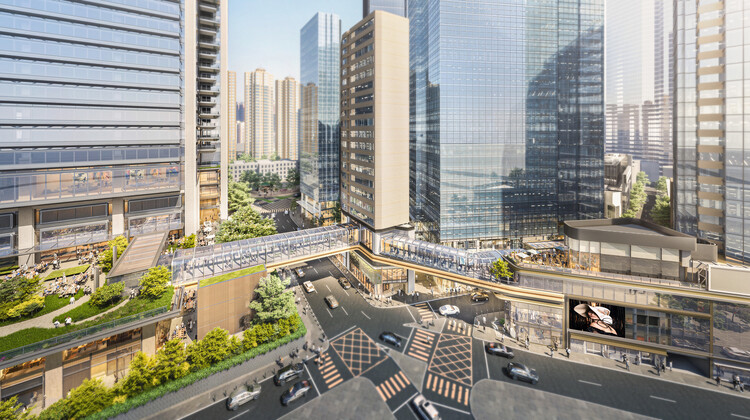
During this period, cities across East Asia institutionalized elevated and underground pedestrian networks. Singapore’s Urban Redevelopment Authority (URA) began deploying comprehensive master plans linking rapid-transit nodes directly to surrounding commercial developments via climate-controlled corridors. The streetscape began to fragment, with pedestrian movement moving vertically into the air or sinking below grade.
Phase III: The Contemporary Mega-Block and Urban Refrigeration (2010s–Present)
In the modern era, projects like Hong Kong’s International Finance Centre (IFC), Pacific Place, and Bangkok’s massive One Bangkok development represent the pinnacle of this evolutionary arc. These are no longer just buildings; they are self-contained urban ecosystems.
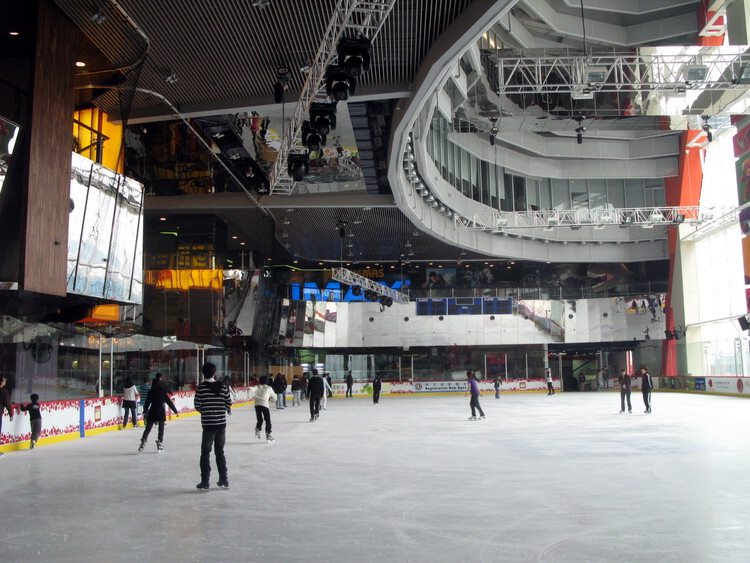
Air-conditioning has graduated from a room-cooling technology to an overarching urban infrastructure. Mega-malls now double as the primary public realm, offering civic squares, exhibition spaces, and circulation networks under glass and steel envelopes. For younger generations growing up in these environments, the air-conditioned interior is not an escape from the city—it is the default definition of the city itself.
Supporting Context & Metrics: The Scale of Artificial Atmospheres
The convenience of the all-weather, climate-controlled Asian city comes with a staggering environmental and energetic price tag. To comprehend the magnitude of this infrastructure, one must examine the metrics governing energy consumption and thermal dissipation.
The Energy Footprint of Cooling
In densely populated tropical and subtropical zones, maintaining comfortable indoor temperatures requires vast quantities of electrical power. According to data released by Hong Kong’s Electrical and Mechanical Services Department (EMSD), air-conditioning alone accounted for approximately 30 percent of the city’s total electricity consumption in recent years.
To visualize this scale: if we translate this electrical load into thermal energy dissipation, the continuous waste heat exhausted by Hong Kong’s cooling systems equates roughly to the continuous, year-round output of nearly 800,000 two-kilowatt electric heaters running simultaneously. This colossal thermal discharge actively contributes to the Urban Heat Island (UHI) effect, superheating the exterior streets even further and widening the thermal gap between the cooled interior and the punishing outside world.
+--------------------------------------------------------------------------+
|                       THE URBAN CLIMATIC FEEDBACK LOOP                   |
+--------------------------------------------------------------------------+
|                                                                          |
|   [ Heavy Air-Conditioning Usage ]                                       |
|                  │                                                       |
|                  ▼                                                       |
|   [ Massive Energy Consumption (approx. 30% of urban electricity) ]      |
|                  │                                                       |
|                  ▼                                                       |
|   [ Exhaust of Waste Heat into Exterior Streets (UHI Effect Intensified)|
|                  │                                                       |
|                  ▼                                                       |
|   [ Exterior Streets Become Unbearably Hot & Humid ]                     |
|                  │                                                       |
|                  ▼                                                       |
|   [ Public Demand for More Enclosed, Conditioned Interiors Increases ]   |
|                                                                          |
+--------------------------------------------------------------------------+
The Spatial Monopoly of Private Interiors
Beyond energy, there is a socio-spatial cost. As commerce and circulation migrate inward into privately managed mega-malls and podiums, traditional public spaces—streets, plazas, and parks—lose investment and foot traffic.
While these private interiors masquerade as public streets by hosting civic functions, they remain governed by strict corporate rules regarding behavior, assembly, and access. The city’s circulatory network is privatized, meaning the right to move comfortably through the urban fabric is implicitly tied to consumer status.
Official Statements and Architectural Discourse
Architects, urban planners, and municipal authorities are increasingly divided over the long-term implications of this enclosed urbanism. The debate sits at the core of contemporary architectural theory, notably highlighted by global discussions on ecological resilience and urban escapism.
"When conditioned environments become larger, more interconnected, and more continuous, the exterior city begins to register primarily as the uncomfortable interval between controlled interiors," notes urban researcher Jonathan Yeung in discourse surrounding architectural escapism. "What begins as climatic relief gradually transforms into a form of climatic withdrawal."
Municipal bodies, however, defend these networks as vital public health infrastructure. In an era marked by climate change, accelerating heatwaves, and catastrophic rainfall events driven by extreme weather, maintaining a cool, dry pedestrian network is a matter of urban survival and equity. Elderly populations, vulnerable workers, and daily commuters rely heavily on these cooled linkages to avoid heat stroke and weather-related hazards.
Yet, progressive planning agencies are beginning to push back against total enclosure. Singapore serves as a vital counterpoint; while its subterranean and elevated networks are world-class, current planning mandates strictly incentivize and require open-sided covered walkways, naturally ventilated breezeways, and lush landscape integration. These policies seek to provide climatic protection—such as shielding pedestrians from equatorial sun and sudden downpours—without cutting them off from the ambient air and natural rhythms of the tropical environment.
Future Outlook: Reclaiming the Open Threshold
As we look toward the future of Asian urbanism, the challenge facing architects and city makers is not to dismantle the technological triumphs of the past century, but to recalibrate our relationship with climate.
1. Designing the Intermediate Zone
Between the hermetically sealed mega-mall and the unshielded, baking pavement lies a rich historical and architectural territory: the semi-conditioned threshold. Moving forward, architects must champion hybrid spaces—such as shaded arcades, louvered porticoes, evaporative cooling plazas, and deep-plan overhangs—that mediate between inside and outside. These spaces offer passive climate mitigation, lowering perceived temperatures through shade and air movement without requiring a total separation from the atmosphere.
2. Combating "Climatic Amnesia"
The ultimate danger of the fully air-conditioned city is climatic amnesia—a condition wherein younger generations lose the cultural and architectural knowledge of how to inhabit hot and humid environments. If architecture fails to provide spaces that allow humans to experience seasonal and atmospheric shifts, our capacity to design contextually sensitive buildings will atrophy.
Conclusion
The allure of escapism in architecture is powerful, offering a pristine, temperature-regulated utopia insulated from the unpredictable fury of a changing planet. Yet, cities are fundamentally collective enterprises rooted in geography and place.
To ensure the long-term resilience of Asian metropolises, mechanical cooling must return to its proper role: as a targeted tool for human comfort and health, rather than the invisible architect of our entire lived reality. Only by bridging the gap between the cooled interior and the living street can we design cities that protect us from the climate without teaching us to forget it.