

Executive Overview
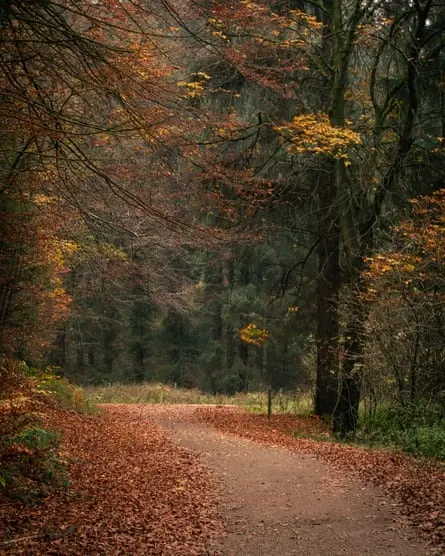
As the familiar reds, golds, and ambers of autumn begin to dauntlessly paint the British landscape, the exact arrival of the season remains stubbornly unpredictable. While the calendar offers a fixed date for the autumnal equinox, nature operates on a far more complex and variable timeline. In response to this ecological shifting ground, Forestry England has launched a major new citizen science initiative: the Autumn Leaf Watch.
The nationwide project invites members of the public to become "autumn spotters," utilizing a newly developed interactive autumn colour tracker to monitor the changing canopies of the nation’s woodlands. By logging observations on specific tree species—such as beech, horse chestnut, oak, rowan, and silver birch—participants are helping scientists and forestry managers build a comprehensive, multi-year record of how autumn arrives, develops, and varies across different regions and habitats in England.
This year’s initiative carries heightened scientific significance. Following what provisional Met Office data confirmed as the hottest summer on record for the UK, forestry experts are eager to understand how extreme heatwaves, prolonged droughts, and shifting climate patterns are altering traditional phenological cycles—the timing of biological events in nature. Early reports from the tracker indicate that while much of the country’s canopy remains stubbornly green, isolated pockets of early gold and orange have already emerged, with some distressed trees shedding leaves prematurely. Through this unprecedented collaborative effort, Forestry England hopes to decipher the intricate relationship between climate change and the biological countdown to winter.
Detailed Chronology: The Phenology of Fall and the Spark for the Project
The biological mechanics of autumn have evolved over millennia as an essential survival strategy for deciduous trees. As days shorten and temperatures begin their seasonal descent, trees enter a state of dormancy to endure the harsh conditions of winter. The visible transformation of the leaves is a direct byproduct of this physiological shutdown.
The Science of Color Change
For spring and summer, leaves are packed with chlorophyll, the light-absorbing green pigment that fuels photosynthesis. However, as daylight dwindles and the tree prepares to seal off the pathways to its leaves, chlorophyll production grinds to a halt and eventually breaks down entirely.
Once the green veil of chlorophyll fades, other pigments that have been present in the leaf all along—such as carotenoids (which produce vibrant yellows and oranges)—finally become visible. Meanwhile, certain species manufacture additional pigments known as anthocyanins during late summer and early autumn, resulting in deep reds, purples, and scarlets.
The Genesis of Autumn Leaf Watch
Despite this well-understood botanical sequence, the precise timing of when the process begins can fluctuate wildly. Localized microclimates, altitude, soil composition, rainfall, and overall tree health all act as dials that can accelerate or delay the onset of autumn.
Recognizing a critical gap in regional data, Forestry England conceived the Autumn Leaf Watch project to map these micro-variations. Rather than relying solely on scattered professional foresters, the organization realized that tapping into the millions of recreational walkers, hikers, and nature enthusiasts across England’s public forests could provide a massive, hyper-localized dataset.
The launch of the digital autumn colour tracker earlier this season marked a watershed moment for UK citizen science. By democratizing data collection, Forestry England can instantly aggregate thousands of daily observations, transforming casual weekend walks into vital ecological research.

Supporting Context & Metrics: A Record-Breaking Summer and Its Woodland Fallout
To fully appreciate the urgency and intrigue surrounding this year’s Autumn Leaf Watch, one must look back at the extreme meteorological conditions that preceded it. The summer months brought relentless heatwaves and severe, prolonged dry spells across the United Kingdom, culminating in provisional Met Office figures branding it the hottest summer on record.
Drought Stress and Premature Shedding
While humans sought shade and air conditioning, England’s forests were locked in a silent struggle for survival. Extended periods of drought severely depleted soil moisture levels, forcing many trees into a state of premature stress.
Trees employ a self-preservation mechanism known as abscission when water becomes critically scarce. By dropping their leaves early, trees can dramatically reduce the surface area through which they lose precious moisture via transpiration. Consequently, foresters and observers noted instances of early leaf-drop and localized browning as early as late August—a phenomenon colloquially referred to by some arborists as "false autumn."
Species-Specific Responses
The variance in how different woodland species handle environmental stress adds another layer of complexity to the data being gathered by the tracker:
- Silver Birch (Betula pendula): Known as a pioneer species with a relatively delicate root structure, silver birch has been among the earliest to display premature yellowing and color transitions in response to late-summer dry spells.
- Beech (Fagus sylvatica): Exhibiting moderate sensitivity to soil moisture depletion, beech woodlands in southern and central England have shown mixed responses, with some canopies thinning and browning ahead of schedule.
- Oak (Quercus robur / Quercus petraea): Historically resilient and deep-rooted, oaks have largely remained steadfastly green across the majority of the country, acting as a baseline indicator of normal seasonal pacing amidst surrounding stress.
- Rowan (Sorbus aucuparia) and Horse Chestnut (Aesculus hippocastanum): Both species have shown accelerated ripening of fruit alongside early leaf degradation in regions hit hardest by the summer drought.
Government environmental agencies have repeatedly warned that the compounding pressures of extreme weather events—ranging from flash floods to severe droughts—will impact British wildlife and forestry stock for years to come. The Autumn Leaf Watch is thus not merely an aesthetic survey, but a frontline diagnostic tool for tracking ecosystem resilience in real time.
Official Statements: Voices from Forestry England
The launch of the citizen science initiative has drawn enthusiastic support from the professionals tasked with managing and protecting the UK’s invaluable woodland heritage.
Chris Sorenson, a senior forest management adviser at Forestry England, emphasized both the unique nature of the current season and the vital role everyday citizens can play in decoding it.
"The UK’s summer of extreme heat has made this year particularly interesting to observe," Sorenson noted, reflecting on the unusual meteorological backdrop. "Some trees have already shed leaves early due to drought stress, but there’s still plenty of autumn to come. We want people to get outside, look closely at the trees around them, and help us track it."
Sorenson underscored that while centralized satellite data and professional spot checks offer a macro-level view, they cannot replicate the granular detail provided by thousands of pair of eyes on the ground.
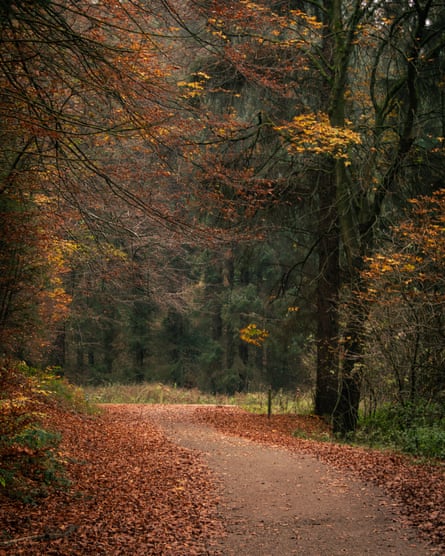
"The changing of the colours is part of the beautiful, intricate process by which deciduous trees prepare to slumber through the winter," Sorenson added. "By partnering with the public through our new tracker, we are creating a living archive that will help us understand how our forests adapt to a rapidly changing climate, year on year."
Forestry England executives have echoed these sentiments, pointing out that public engagement fosters a deeper, more personal connection to the natural world. When people actively monitor the progression of a specific beech or oak tree week after week, they develop a vested interest in the long-term health and conservation of local habitats.
Future Outlook: What the Data Means for the Future of British Woodlands
As the Autumn Leaf Watch gathers momentum over the coming weeks, the data pouring into Forestry England’s servers will offer unprecedented insights into the adaptability of English forests.
Decoding Climate Resilience
Phenology—the study of cyclic and seasonal natural phenomena, especially in relation to climate and plant and animal life—has emerged as one of the most sensitive biological indicators of global heating. Shifts of even a few days in the timing of leaf fall, bud burst, or flowering can trigger cascading disruptions throughout the wider food web. Insects, migratory birds, and small mammals that rely on synchronized woodland cycles may find themselves out of step with the environment.
By analyzing the crowdsourced submissions from the autumn colour tracker alongside meteorological archives, researchers hope to answer critical questions:
- Are certain regions of England experiencing accelerated autumn shifts compared to others?
- Which tree species demonstrate the highest resilience to extreme summer heatwaves?
- How will consecutive years of climate volatility reshape the traditional timeline of the British landscape?
How to Get Involved
Forestry England is urging anyone planning a walk through local woods, country parks, or national reserves to participate. Becoming an "autumn spotter" requires no specialized scientific background—only a keen eye and a smartphone or computer to log observations via the official Forestry England Autumn Colour Tracker.
Participants can log the dominant color of their chosen woodland, noting whether the canopy is dominated by vibrant greens, emerging yellows and oranges, deep reds, or advanced leaf fall. They can also focus on individual indicator species, recording the specific developmental stage of nearby beech, oak, birch, or rowan trees.
As the leaves continue their slow, brilliant descent, the collective efforts of the British public will ensure that every fallen leaf tells a story—not just of the passing season, but of a changing world.



