

Executive Overview
For millions of women worldwide, the arrival of a menstrual cycle is synonymous with disruption. Far from being a minor inconvenience, severe period cramps—clinically known as dysmenorrhea—frequently transform ordinary days into logistical challenges orchestrated around heating pads, over-the-counter painkillers, and missed opportunities. For generations, medical science has defaulted to pharmacological interventions, such as nonsteroidal anti-inflammatory drugs (NSAIDs) and oral contraceptives, to manage this prevalent form of pelvic pain.
However, a burgeoning body of nutritional research is opening new avenues for symptom mitigation, turning the focus from pharmaceutical cabinets to kitchen refrigerators. Recent findings published in the journal Frontiers in Nutrition highlight a surprisingly accessible and delicious dietary intervention: fresh strawberries.
According to a clinical pilot trial conducted by researchers at the University of Huelva in Spain, incorporating a daily serving of fresh strawberries into a woman’s regular diet is linked to a notable reduction in menstrual pain. While the study emphasizes that more extensive, double-blind trials are required before strawberries can be officially prescribed as a medical treatment, the implications are profound. This research aligns with a broader, integrative shift in women’s health toward anti-inflammatory nutritional strategies. By exploring how everyday functional foods interact with biological mechanisms like inflammation and prostaglandin production, modern science is empowering individuals with gentle, food-as-medicine options to complement traditional care.
Detailed Chronology: Unpacking the University of Huelva Study
The path from laboratory curiosity to clinical evaluation regarding strawberries and menstrual health began with a targeted hypothesis centered on plant biochemistry. To understand whether dietary adjustments could truly influence severe period cramps, researchers at the University of Huelva designed a controlled, albeit preliminary, clinical trial.
Phase 1: Participant Recruitment and Baseline Establishment
The study enrolled 64 female participants ranging in age from 18 to 35. A primary criterion for inclusion was that every participant had to regularly experience primary dysmenorrhea—the medical term for recurrent, painful menstrual cramps not caused by an underlying pelvic pathology like endometriosis or fibroids.
At the onset of the trial, researchers established baseline metrics. Participants completed detailed questionnaires rating the severity, duration, and overall disruption caused by their menstrual pain. Once baseline data was secured, the cohort was randomly divided into two distinct groups: a control group instructed to maintain their usual, unadjusted dietary habits, and an experimental intervention group.
Phase 2: The Daily Strawberry Intervention
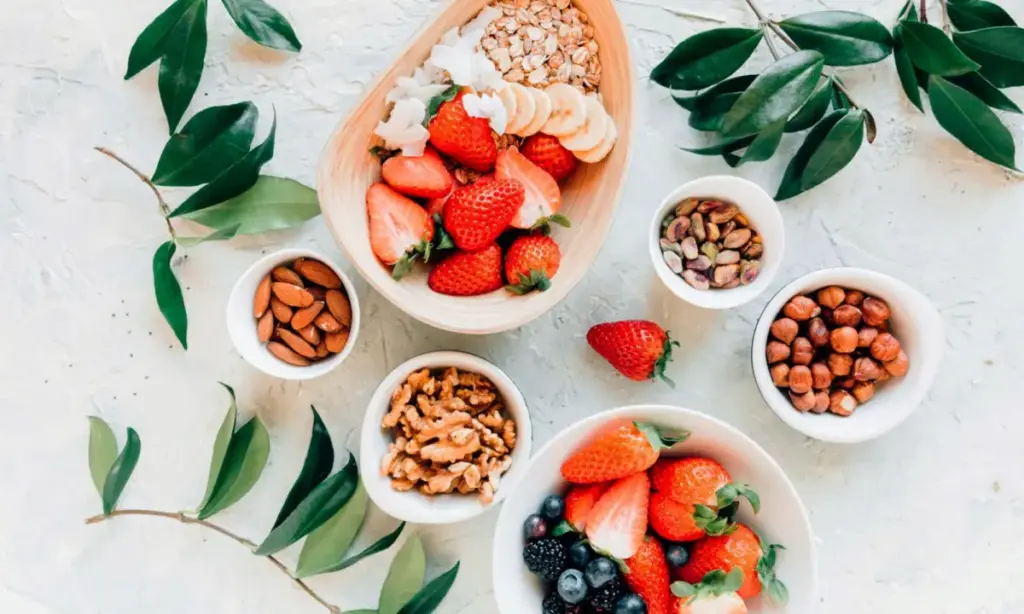
Participants assigned to the intervention group were asked to incorporate 250 grams (approximately 1.5 cups) of fresh strawberries into their daily diets for a duration of one consecutive month. This specific quantity was selected to ensure a robust intake of bioactive compounds without disrupting normal caloric balance or digestive health. Throughout this 30-day window, participants logged their dietary adherence while maintaining their typical daily routines.
Phase 3: Post-Intervention Evaluations and Tracking
Upon the conclusion of the one-month intervention period, all participants—across both the strawberry-supplemented and control groups—were re-evaluated. They once again rated their menstrual pain levels using the same standardized metrics established at the study’s start.
To determine whether any observed effects were immediately fleeting or possessed a prolonged footprint, the researchers introduced a subsequent tracking milestone. They followed up with the participants two months after the intervention had concluded—meaning one month after the strawberry group had completely ceased their daily strawberry consumption.

Phase 4: Data Analysis and Pre-Set Benchmarks
In designing the study, the research team established a strict statistical benchmark: for the results to be deemed clinically meaningful, the strawberry-consuming group had to report at least a one-point greater reduction in pain on the standardized rating scale compared to the control group.
When the data was tallied after the first month, the intervention group successfully met this threshold, reporting statistically significant drops in perceived menstrual pain. Intriguingly, the reduced pain scores persisted even at the two-month follow-up mark, sparking vital discussions regarding the potential long-term modulatory effects of short-term dietary polyphenols—even though researchers were quick to caution that this lingering effect alone does not definitively prove a sustained therapeutic mechanism.
Supporting Context & Metrics: The Science of Strawberries and Inflammation
To fully grasp why researchers singled out strawberries for this menstrual health study, one must examine the dense biochemical profile of the fruit. Strawberries are not merely a refreshing, low-calorie treat; they are powerhouses of bioactive plant chemicals known as polyphenols, with a particularly high concentration of anthocyanins—the pigments responsible for the fruit’s vibrant red hue.
The Biochemical Players: Polyphenols and Anthocyanins
Polyphenols function as potent antioxidants and anti-inflammatory agents within the human body. When ingested, they help neutralize unstable molecules called free radicals, which cause cellular damage and drive chronic systemic inflammation. Anthocyanins, specifically, have been widely studied for their cardiovascular, cognitive, and metabolic benefits.
In the context of menstruation, pain is intimately tied to inflammatory pathways. During the menstrual cycle, the inner lining of the uterus (the endometrium) begins to break down. This process triggers a surge in the release of hormone-like compounds called prostaglandins. While prostaglandins are necessary because they stimulate uterine contractions to help expel the endometrial lining, an overproduction of specific pro-inflammatory prostaglandins (such as $PGF_2alpha$) leads to hyper-contractions. These intense contractions constrict blood flow and oxygen to the uterine muscle, resulting in the sharp, cramping pain characteristic of dysmenorrhea.
Bridging Food to Physiology
While the University of Huelva trial did not directly measure systemic inflammation markers or specific prostaglandin levels in the participants’ blood or tissue, the theoretical link is robust. By flooding the body with anti-inflammatory polyphenols on a daily basis, researchers hypothesized that the overall inflammatory tone could be dampened, potentially blunting the aggressive cascade of prostaglandin-induced cramping.
However, maintaining scientific rigor requires acknowledging the methodological boundaries of this specific trial:
- Sample Size: With 64 participants, the trial is classified as a small-scale pilot study. While sufficient to indicate a trend and justify further funding, its findings cannot yet be generalized to the global female population.
- Blinding Limitations: The study was unblinded. Because participants were fully aware they were eating fresh strawberries (as opposed to taking an identical placebo capsule), psychological factors, dietary placebo effects, and general health consciousness could have consciously or subconsciously influenced pain reporting.
- Funding Source: The trial received partial funding support from a Spanish strawberry producers’ association. While standard disclosure protocol, this financial link necessitates independent replication by disinterested third-party institutions to completely rule out commercial bias.
Official Statements and Expert Perspectives
As news of the study spread through the nutritional science and gynecological communities, medical professionals weighed in with measured optimism, balancing enthusiasm for accessible wellness interventions with necessary clinical caveats.
Dr. Elena Vance, a reproductive endocrinologist unaffiliated with the study, noted the cultural shift toward dietary integration in women’s healthcare. "For decades, patients presenting with severe dysmenorrhea were handed a prescription for birth control or told to rotate heavy doses of NSAIDs. While those interventions are clinically valid and often necessary, they do not address the foundational role that overall systemic inflammation plays in modern health," Dr. Vance explained. "A study like this doesn’t mean eating a basket of strawberries will cure severe pathology like endometriosis. However, it validates what integrative medicine has long argued: food is information. Incorporating antioxidant-rich functional foods provides a low-risk, high-reward habit that supports total-body wellness."

Nutritional epidemiologists have also emphasized the importance of framing strawberries correctly within a broader dietary ecosystem. Dr. Marcus Thorne, a researcher specializing in dietary polyphenols, highlighted the mechanism of action: "We know that anthocyanins modulate various inflammatory signaling pathways, including NF-$kappa$B pathways which regulate cytokine production. It is biologically plausible that a saturated, consistent intake of these compounds reduces baseline inflammatory burdens. Yet, we must remain cautious. Dietary interventions work best as a cumulative strategy, not as a standalone silver bullet."
Furthermore, representatives from nutritional advocacy groups have praised the study for drawing attention to accessible, affordable health strategies. In an era where specialized supplements can impose a heavy financial burden, leveraging whole foods available in standard grocery aisles democratizes wellness, making minor lifestyle adjustments possible for a wider demographic of women.
Future Outlook: Where Research and Women’s Health Go From Here
The publication of the University of Huelva pilot trial marks an important stepping stone rather than a definitive final destination. As clinical researchers look toward the horizon, several key research trajectories are emerging to build upon these initial findings.
The Need for Large-Scale, Double-Blind Trials
To transition from an intriguing pilot observation to an established clinical recommendation, the scientific community must execute larger, multi-center, randomized controlled trials. Future studies will need to implement double-blind designs—potentially utilizing a strawberry-flavored, polyphenol-matched placebo powder or extract—to completely neutralize participant bias and the placebo effect.
Biomarker Tracking and Mechanistic Precision
Future investigations will likely move beyond subjective self-reporting of pain scores. By integrating rigorous biological assays, researchers aim to directly measure pre- and post-intervention levels of:
- Serum inflammatory cytokines (such as IL-6 and TNF-$alpha$)
- Menstrual fluid prostaglandin concentrations ($PGF_2alpha$ and $PGE_2$)
- Oxidative stress markers
Tracking these precise molecular markers will provide definitive proof regarding how and why dietary polyphenols impact uterine contractions and pain perception.
Expanding the Nutritional Paradigm for Menstrual Health
Beyond strawberries, this study serves as a catalyst for a broader exploration of the "menstrual diet." Researchers are increasingly interested in how other seasonal berries, dark leafy greens, omega-3 fatty acids, and high-fiber foods interact synergistically during the luteal and menstrual phases of the cycle.
Ultimately, incorporating fresh strawberries into a period routine is unlikely to replace conventional medical treatments for those suffering from debilitating dysmenorrhea. However, the study provides an encouraging, empowering takeaway: adopting an intentional, anti-inflammatory lifestyle filled with whole, nutrient-dense foods offers a safe, delicious, and scientifically promising way for individuals to reclaim comfort and agency over their bodies during their monthly cycle.



