

By Hannah Roe
Reporting from Wingham, Kent
Executive Overview
In the world of conservation, success is usually measured in decades, meticulous planning, and agonizingly slow milestones. However, a group of critically vulnerable UK molluscs recently rewrote the rulebook on reproductive urgency. A colony of rare glutinous snails—measuring no larger than a human fingertip—wasted zero time settling into their relocation journey, beginning to lay eggs mere minutes into a six-hour transit from the rugged mountains of Wales to the lush landscapes of Kent.
The unexpected biological event occurred as wildlife keepers transported 24 wild-caught snails from Llyn Tegid in Eryri National Park (formerly Snowdonia) to Wingham Wildlife Park near Canterbury. This hurried start to parenthood has catalyzed an already ambitious nationwide initiative aimed at pulling the species back from the precipice of extinction. What began as a cautious trial with a handful of founding adults has blossomed into a prolific boom, generating hundreds of offspring and offering a glimmer of genuine hope for an ecosystem teetering on the edge of permanent loss.
As habitat degradation and ecological disruptions continue to squeeze native British wildlife, high-profile institutions—including Wingham Wildlife Park, Longleat, Chester Zoo, Dudley Zoo, and Askham Bryan Wildlife Park—have joined forces with the Freshwater Habitats Trust. Together, these organizations are spearheading a coordinated rescue mission to safeguard the glutinous snail (Lymnaea glutinosa), transforming specialized zoo enclosures into bustling, high-security nurseries for one of the country’s most overlooked residents.
Detailed Chronology: From the Shores of Llyn Tegid to Kentish Ponds
The path toward this modern conservation triumph began deep within the glacial waters of Llyn Tegid, Wales’s largest natural lake. Historically, the glutinous snail was a familiar, albeit subtle, fixture of slow-moving rivers, canals, and lakes across the United Kingdom. Distinguished by its glossy, amber-brown shell, delicate gold-flecked skin, and unusually large, sweeping tentacles, the mollusc thrived in pristine freshwater environments rich in aquatic vegetation and microalgae.

Over the course of the 20th century, however, industrialization, agricultural runoff, and systemic alterations to Britain’s waterways devastated the species. One by one, local populations winked out of existence until biologists realized that Llyn Tegid was serving as the absolute final stronghold for the species within the UK. Confined to this single Welsh body of water, the glutinous snail was effectively one environmental catastrophe away from vanishing forever.
Recognizing the gravity of the situation, conservationists mapped out a multi-institution rescue operation. In early July, Samantha Eden, assistant curator at Wingham Wildlife Park, traveled to Wales to collect a carefully managed sample of the wild population.
"I brought 24 snails back from Wales at the start of July," Eden recalled, reflecting on the logistics of the high-stakes transfer. Transporting wild invertebrates requires hyper-vigilant climate control and secure containment to prevent stress-induced mortality. Yet, these particular travelers had entirely different priorities.
"It was a six-hour drive, and by the time I’d arrived back at the park, I had about 12 egg pods in the carry containers that we were using," Eden explained. "They’d laid eggs literally while we were driving."
Despite their reputation for glacial locomotion, the snails’ reproductive engines were running at top speed. Upon arriving at Wingham Wildlife Park, keepers immediately integrated the new arrivals into specialized, meticulously monitored aquatic enclosures designed to replicate the chemical composition and temperature profile of their native Welsh lake.

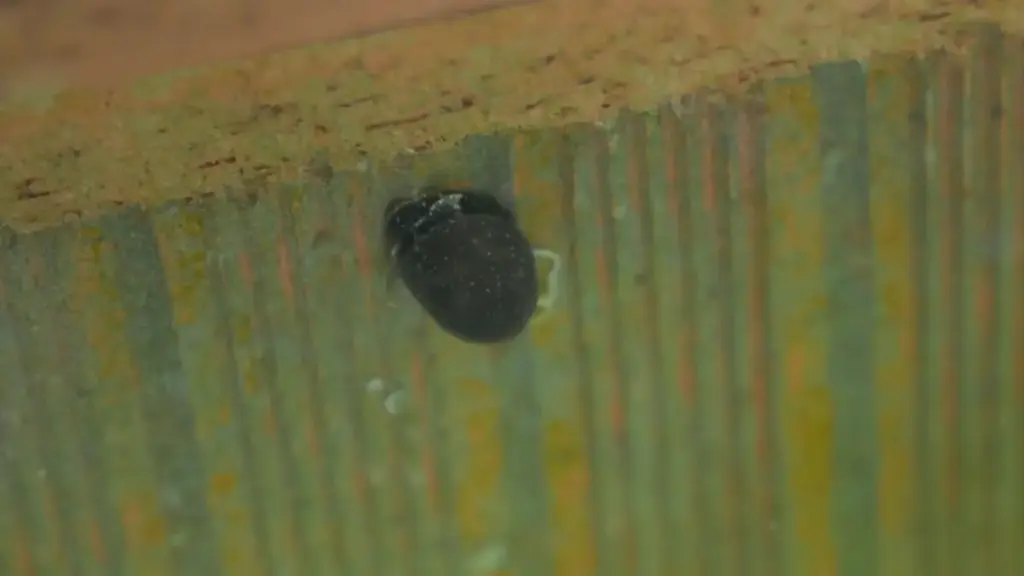
The results have stunned even seasoned biologists. The park initially established a pilot breeding pond stocked with just six adult snails. Within weeks, that foundational group multiplied exponentially. So rapid was the population expansion that keepers recently removed 130 juvenile snails from a single pond just to establish an entirely separate, decentralized colony, preventing overcrowding and ensuring optimal growth rates for the next generation. In total, the park’s breeding pairs have produced hundreds of viable offspring in a span of barely two months.
Supporting Context & Metrics: Understanding the Glutinous Snail Crisis
To fully appreciate the significance of the Wingham Wildlife Park population boom, one must examine the precarious biology and ecological vulnerability of Lymnaea glutinosa.
Biological Profile and Vulnerabilities
- Size: Microscopic by vertebrate standards, adult glutinous snails rarely grow larger than a human fingernip (typically measuring between 10mm and 15mm in length).
- Distinctive Features: Unlike many of their shelled relatives, glutinous snails possess an exceptionally thin, glossy shell that is partially enveloped by the mantle tissue of the animal, giving it a characteristic shiny, "wet" appearance that inspired its common name.
- Dietary Needs: Primarily grazing herbivores, they feed meticulously on fine layers of green algae and biofilms coating submerged stones, reeds, and aquatic tiles.
- Lifespan: Generally short-lived—often living for just one to two years—which places immense evolutionary pressure on high reproductive output within compressed seasonal windows.
The Macro-Scale Conservation Landscape
The plight of the glutinous snail is a textbook example of freshwater biodiversity loss in the British Isles. According to recent environmental assessments by freshwater ecologists, over 10% of freshwater and wetland species in the UK are currently threatened with extinction.
[Historical UK Range: Widespread across lowland rivers and canals]
       │
       ▼ (Driven by industrial pollution, habitat fragmentation, and drainage)
[Mid-to-Late 20th Century Decline: Extirpated from 99% of former habitats]
       │
       ▼
[Sole Surviving Wild Population: Llyn Tegid, Eryri National Park, Wales]
       │
       ▼
[Present Day: Collaborative Ex-Situ Breeding Programs (Wingham, Longleat, Chester, Dudley, Askham Bryan)]
The primary drivers behind the collapse of the glutinous snail population include:
- Eutrophication: Nutrient pollution (primarily nitrates and phosphates from agricultural fertilizers and sewage) triggers massive algal blooms that suffocate aquatic ecosystems, choking out sensitive species.
- Habitat Modification: Channelization of rivers, the hardening of banks, and the removal of natural reed beds strip away the micro-habitats required for juvenile snails to forage safely.
- Invasive Species: Competition from hardier, non-native mollusc species and predation by introduced fish populations place continuous pressure on declining native colonies.
By concentrating conservation efforts across multiple zoos, the scientific community is building an ecological insurance policy. If a disease outbreak, pollution event, or extreme weather anomaly were to strike Llyn Tegid—a very real threat in an era of accelerating climate change—the captive populations safely housed in Kent, Wiltshire, Cheshire, the West Midlands, and Yorkshire ensure the species does not vanish from the earth entirely.

Official Statements and Institutional Perspectives
The success of the Wingham project has injected a renewed sense of purpose into the zoo’s curatorial team, highlighting a shift in modern zoological institutions toward native species conservation alongside exotic animal management.
Hannah Ellins, head of reptiles and invertebrates at Wingham Wildlife Park, emphasized the unique fulfillment of working with native British fauna.
"We do a lot of work with exotics, but it’s cool being able to help our animals here," Ellins stated, highlighting the emotional and scientific resonance of local conservation work. "We’ll keep breeding them, and then hopefully we’ll eventually release them into the wild and help wild populations."
The collaborative network underpinning this initiative involves some of the most respected wildlife institutions in the United Kingdom. Alongside Wingham, organizations such as Longleat in Wiltshire, Chester Zoo, Dudley Zoo, and Askham Bryan Wildlife Park in York are running parallel breeding programs.
Crucially, captive breeding is only half the battle. Reintroducing vulnerable invertebrates into the wild requires pinpoint accuracy regarding water chemistry, predator presence, and legal protections. This is where the Freshwater Habitats Trust plays an indispensable role. Conservation scientists from the Trust are actively surveying, testing, and securing suitable, protected water bodies across the UK where captive-bred snails can eventually be released safely, free from the historical threats that wiped out their ancestors.

Future Outlook: The Long Road to Reintroduction
As the hundreds of juvenile snails at Wingham Wildlife Park continue to mature under the watchful eyes of Ellins, Eden, and their team, the overarching strategy moves toward the future.
The immediate goals for the multi-zoo collaborative network over the next 24 to 36 months include:
- Colony Stabilization: Maintaining robust, genetically diverse insurance populations across all participating facilities to prevent inbreeding depression.
- Habitat Auditing: Completing comprehensive environmental impact and water quality assessments on prospective reintroduction sites identified by the Freshwater Habitats Trust.
- Soft-Release Trials: Conducting small-scale experimental releases in secure, monitored freshwater reserves to evaluate survivorship rates, predation pressures, and foraging success in the wild.
- Public Education and Engagement: Raising awareness among visitors and policymakers regarding the critical importance of freshwater invertebrates—creatures that rarely capture public imagination but form the foundational bedrock of healthy aquatic food webs.
While the journey from a single Welsh lake to self-sustaining wild populations across Britain will be long and technically demanding, the unexpected enthusiasm demonstrated by those first 24 road-tripping snails offers an inspiring omen. Nature, when given the right conditions and a fighting chance, is remarkably eager to endure.



