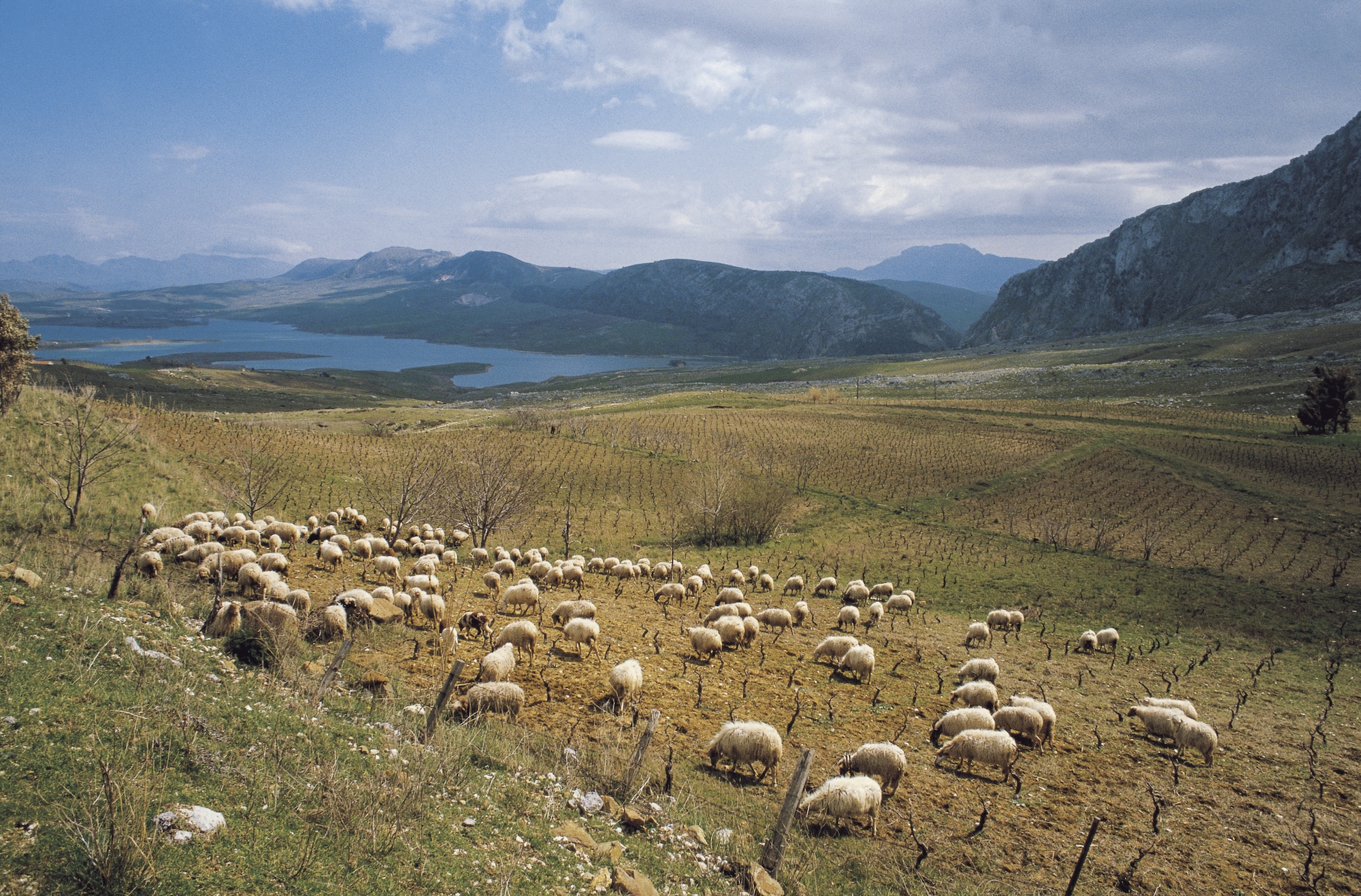
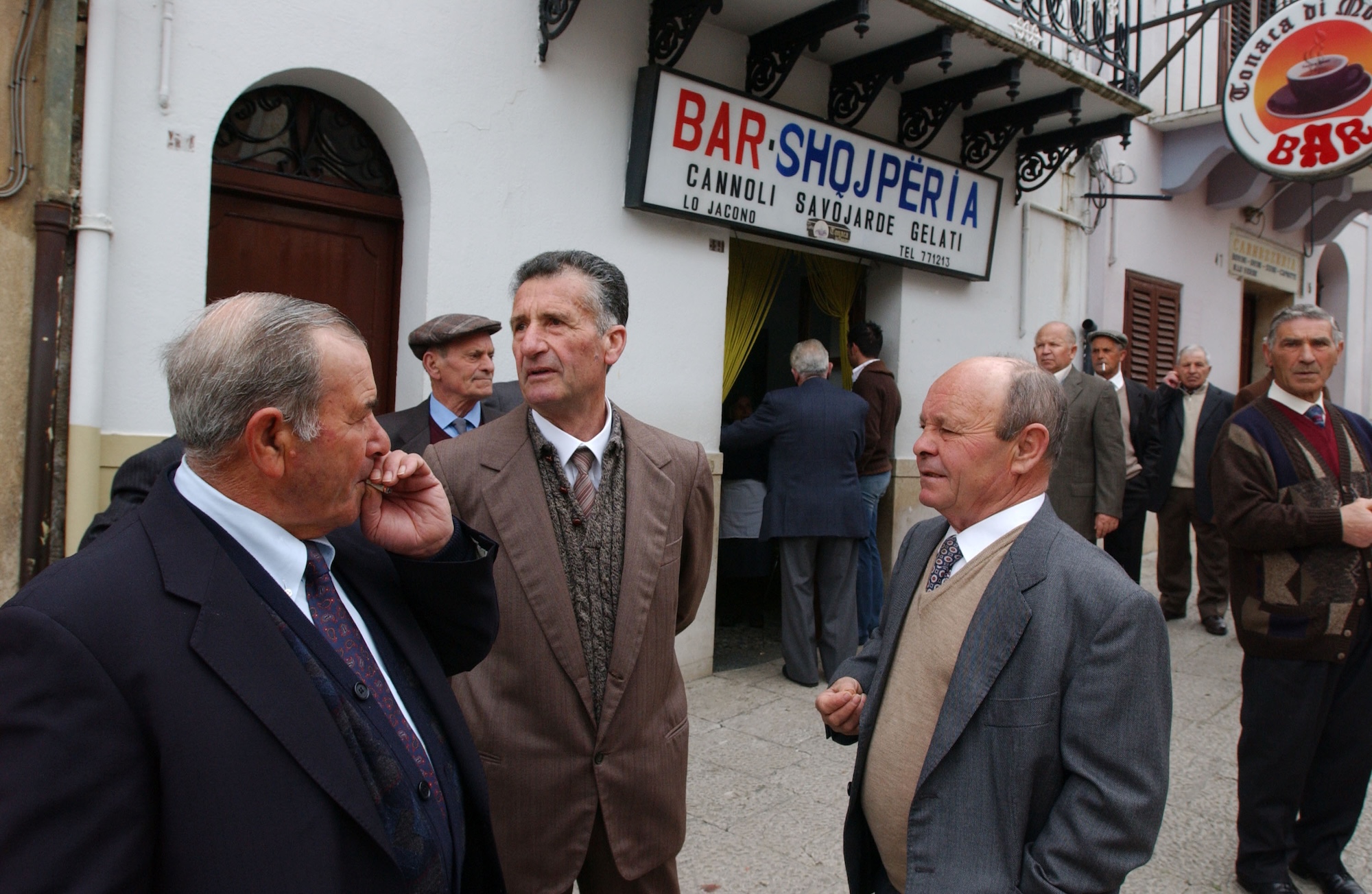
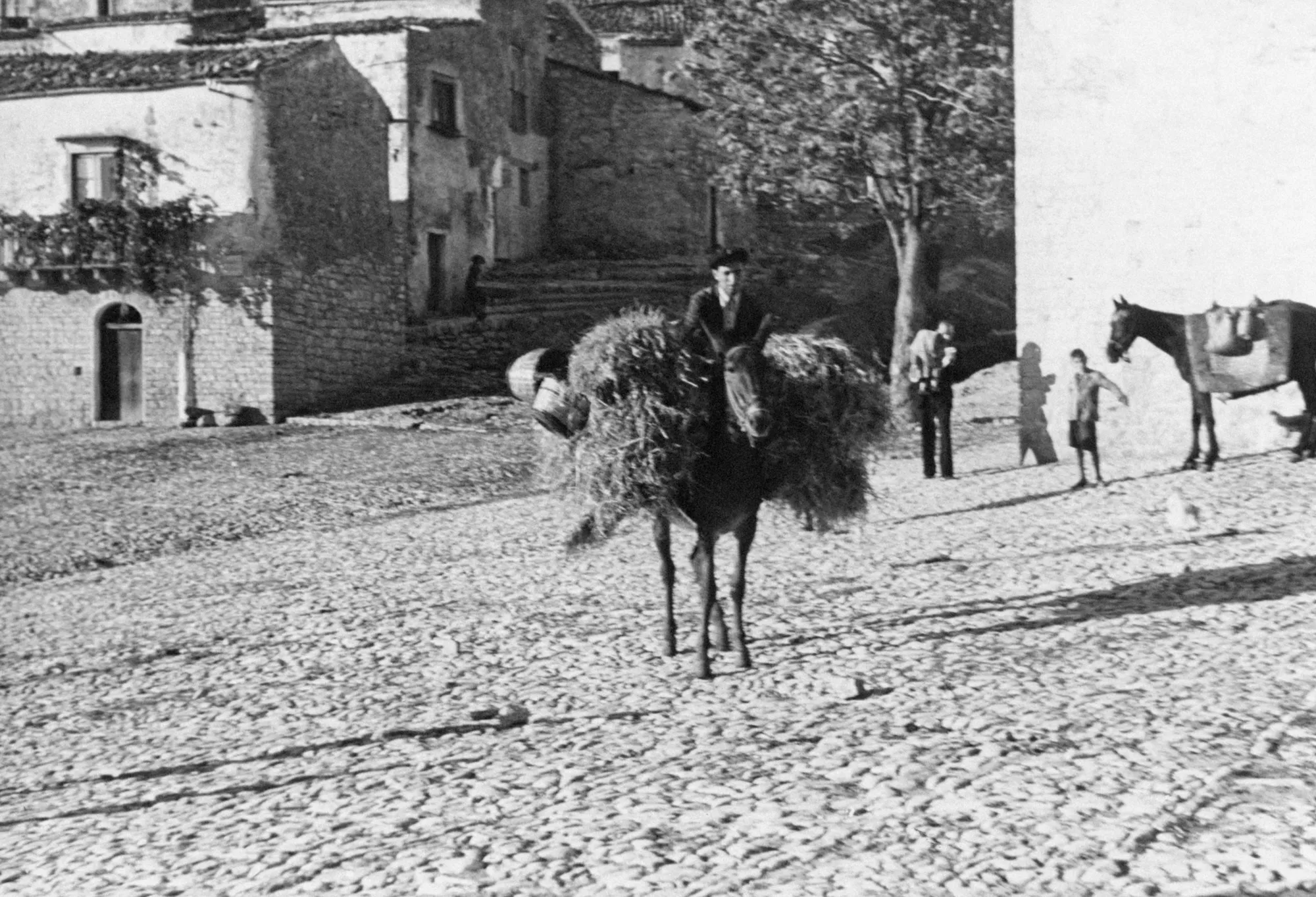
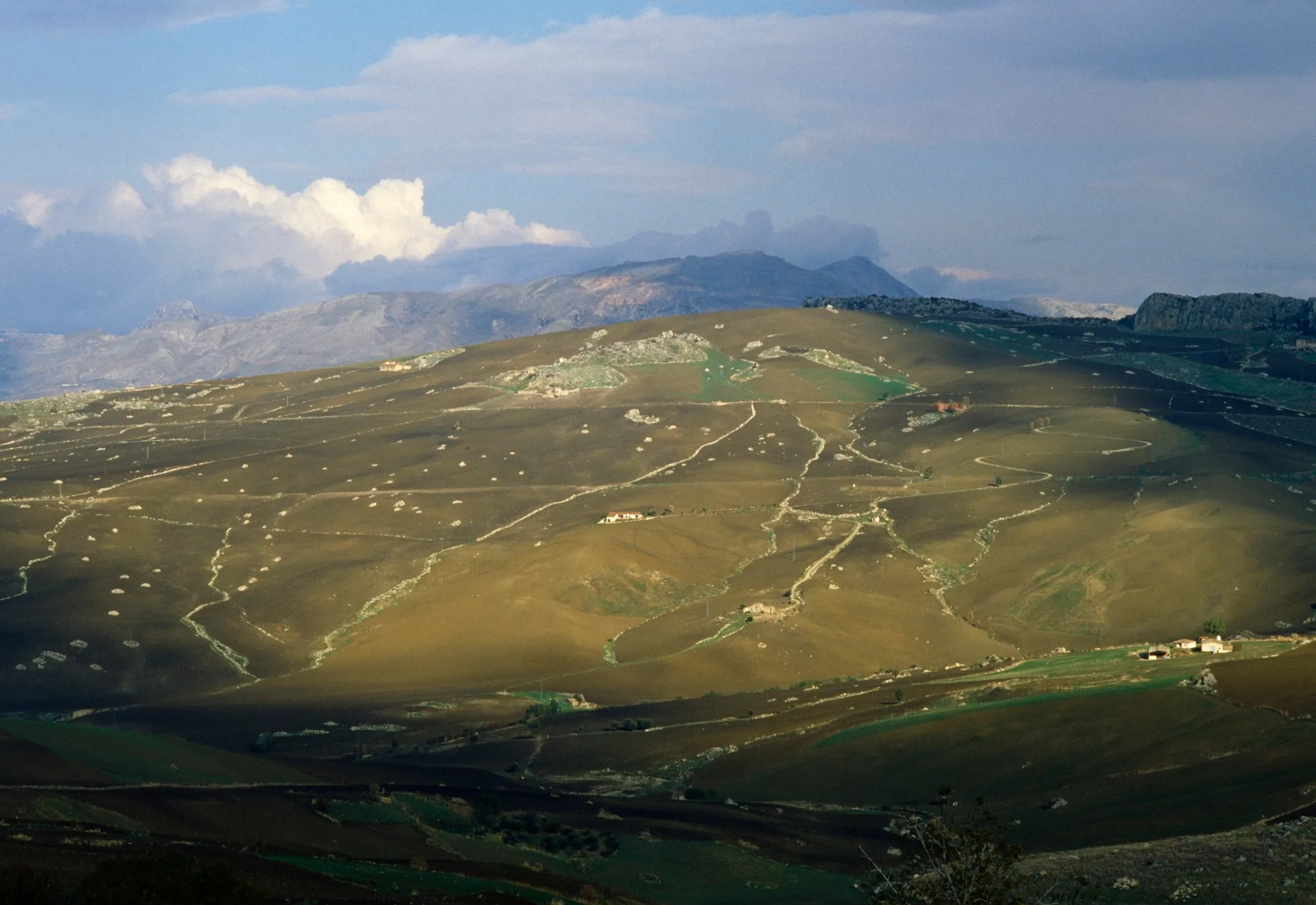
For half a millennium, the fertile mountain plateau south of Palermo has served as the living heart of the Arbëreshë—Italy’s historic Albanian ethnic minority. Founded in the 15th century by refugees fleeing the Ottoman conquest, the community of Piana degli Albanesi—known to locals simply as "Hora"—has long anchored Sicily’s agricultural identity. Generations of farmers have cultivated the high-altitude wheat fields, tended sheep and cattle, and perfected the art of producing the organic dairy that forms the soul of authentic Sicilian cuisine, including the creamy ricotta used in globally celebrated cannoli.
Today, this 500-year-old cultural legacy faces an unprecedented existential threat. Rapidly accelerating climate change is transforming the Mediterranean basin, which is warming at a rate 20 percent faster than the global average. Severe, multi-year droughts, record-shattering heat waves, and increasingly ferocious wildfires are devastating the local agricultural economy. Farmland is turning to dust, water reservoirs are failing, and livelihoods are disappearing overnight.
This environmental collapse is triggering an unprecedented human exodus. Piana degli Albanesi has watched nearly 17 percent of its population vanish since 2015—a demographic decline nearly triple the rate of the broader Sicilian region. As elders like Giorgia Caruso counsel their children to seek safety abroad in places like California, experts warn that Piana may represent the vanguard of a terrifying new reality: climate-induced migration wiping out an indigenous European minority and its ancient linguistic and cultural heritage.
Detailed Chronology: From 15th-Century Sanctuary to 21st-Century Crucible
The history of the Arbëreshë people is defined by resilience, adaptation, and an unbreakable bond with the earth. Understanding the current crisis requires tracing how this community evolved from medieval refugees into the guardians of Sicily’s agrarian interior.
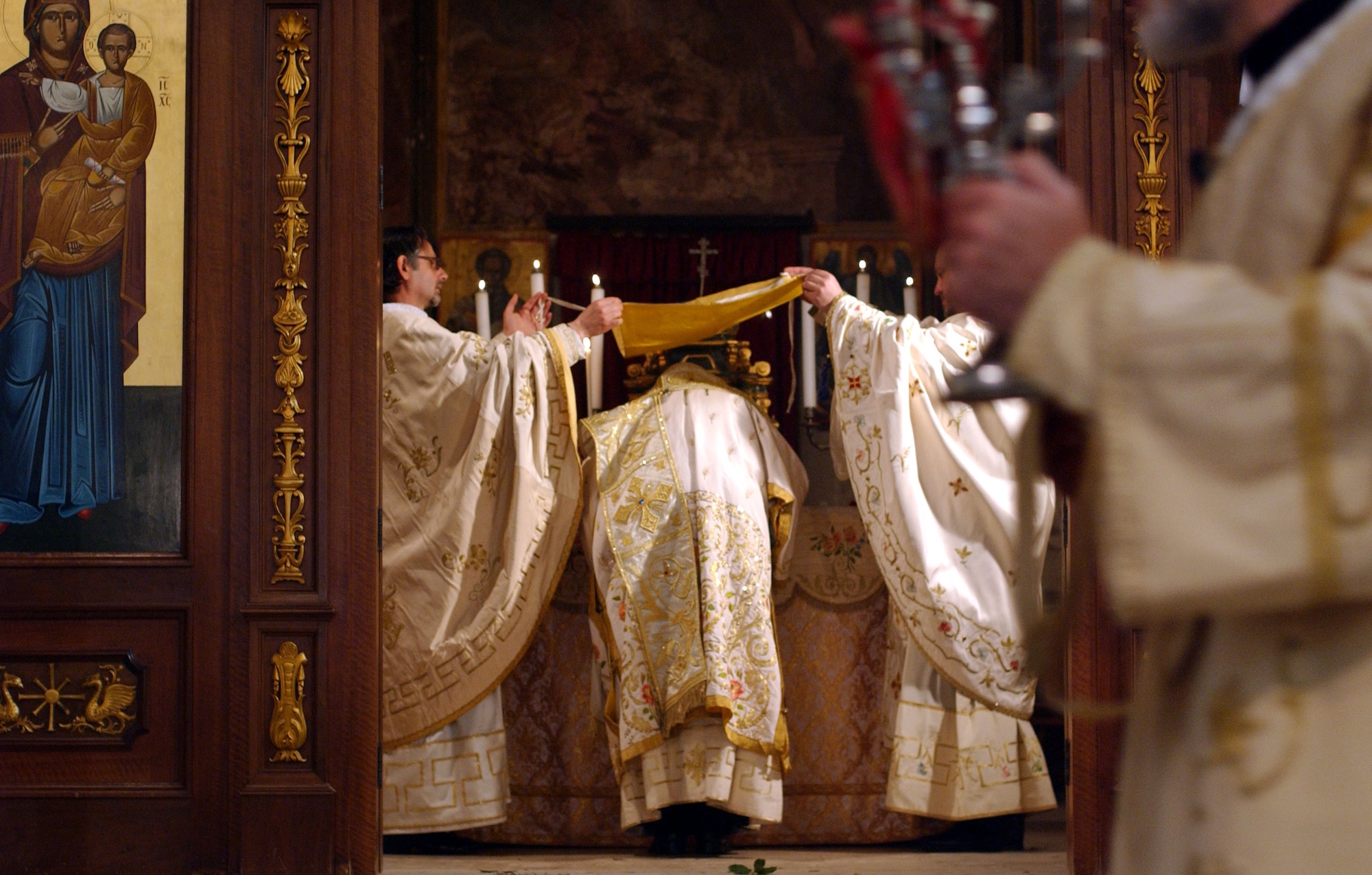
The 15th Century – Sanctuary and Settlement: Following the death of the Albanian national hero Skanderbeg and the subsequent advance of the Ottoman Empire, waves of Albanian refugees crossed the Adriatic Sea. Welcomed by Sicilian nobility, they settled in the rugged, isolated mountain plateaus south of Palermo. They cleared the rocky terrain, introduced unique agricultural practices, and preserved their distinct Tosk-Albanian language, Byzantine liturgy, and cultural traditions.
May Day, 1947 – The Portella della Ginestra Massacre: Long before battling climate change, the community’s devotion to the land was tested by political violence. On May 1, 1947, during a festive gathering near the mountain pass of Portella della Ginestra, armed bandits opened fire on thousands of Arbëreshë farmers and laborers celebrating workers’ rights. Eleven people were killed and 30 others were wounded. This tragedy cemented an almost spiritual connection between the people and the soil they fought for generations to work.
The Late 20th Century – Transatlantic Migration: Faced with post-war poverty and structural underdevelopment in southern Italy, waves of Arbëreshë families emigrated abroad. Many journeyed to the United States, drawn by similar climates in California’s Central Valley and Southern California (such as Rancho Cucamonga and Sacramento), where they established agricultural roots in wine, fruit, and vegetable production while striving to maintain cultural ties to "Hora."
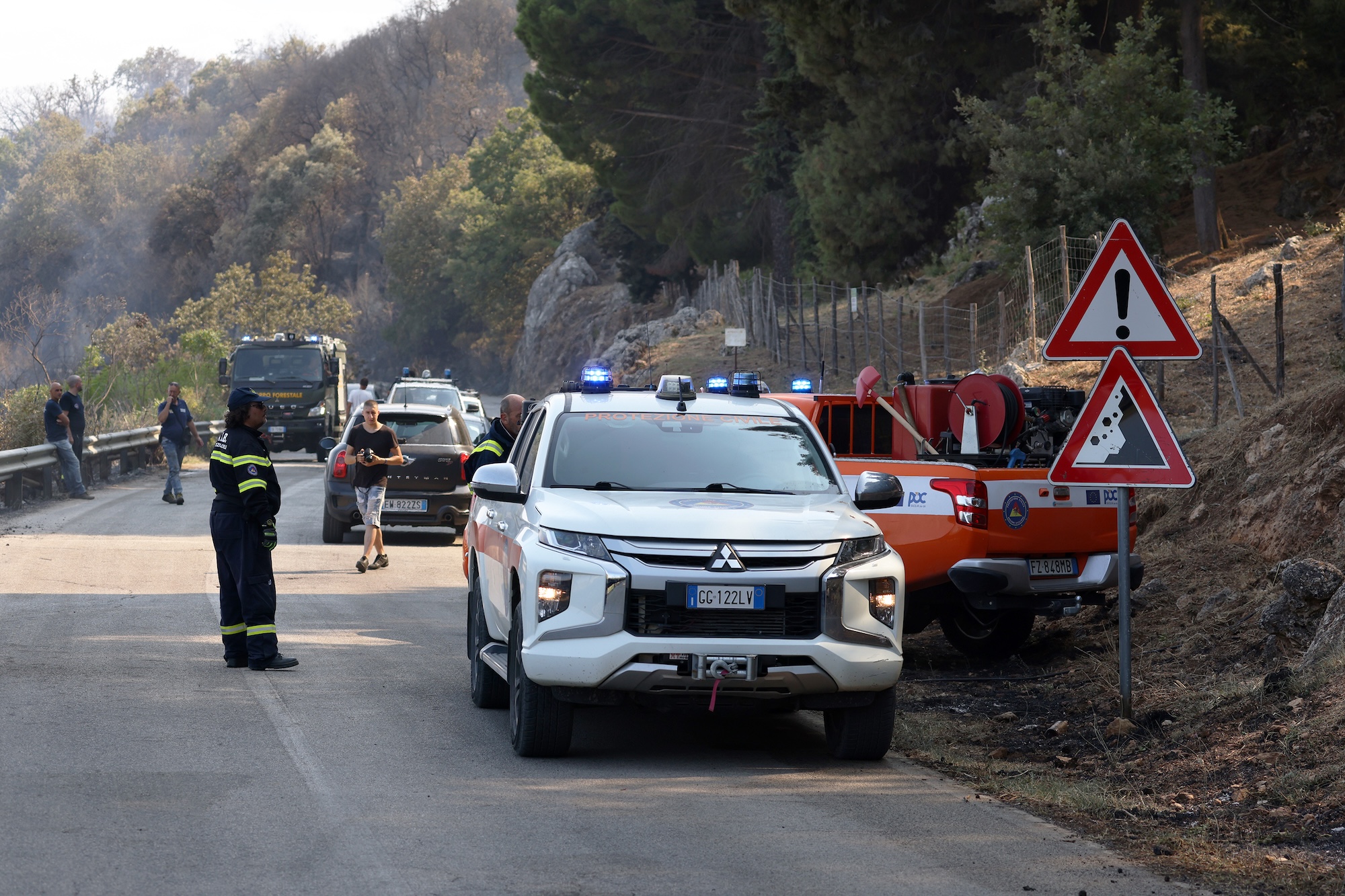
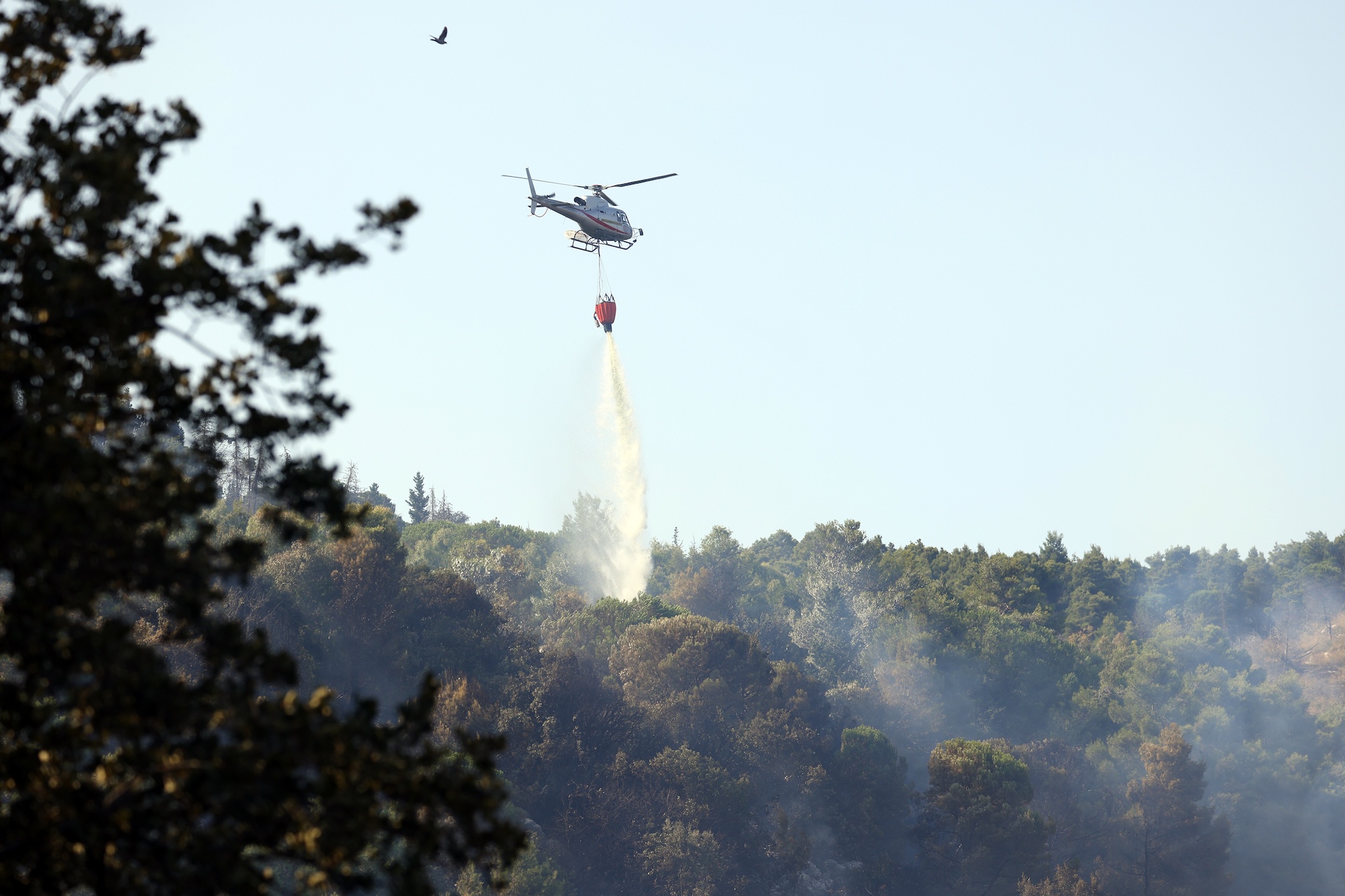
July 2021 – The Turning Point of Extreme Weather: On August 11, 2021, Sicily recorded a staggering continental European temperature record of 119.8 degrees Fahrenheit (48.8 degrees Celsius). That same summer, ferocious wildfires raged through Piana degli Albanesi, displacing more than 100 residents, gutting organic farms, and forcing emergency evacuations. The blazes signaled that the local environment had entered a perilous new phase.
2023 to 2026 – The Perpetual Crisis: A multi-year, unprecedented drought gripped Sicily, bringing reservoirs like the lake of Piana to near-empty levels by 2024. In the summers of 2023 and 2025, recurring wildfires decimated remaining forests and agricultural infrastructure. Despite sporadic, heavy downpours in early 2026 that briefly reinvigorated local water tables, the underlying trend toward desertification remained unbroken, accelerating the depopulation of the rural interior.
Supporting Context & Metrics: Hard Data on a Softening Earth
The anecdotal experiences of local farmers are validated by alarming environmental and demographic data collected across southern Europe:
Demographic Collapse: Between 2015 and 2024, the official population of Piana degli Albanesi dropped from 6,293 to 5,245 residents—a staggering 17 percent reduction. Because many expatriates maintain formal residency while living abroad, local officials believe the actual number of permanent residents is significantly lower.
Regional Wildfire Hotspots: Sicily accounts for nearly half of all wildfires in Italy. Blazes have struck in or immediately around Piana degli Albanesi in four of the last six years, turning abandoned, drought-parched land into tinderboxes. In 2023 alone, regional wildfires scorched 142,150 acres across Sicily, causing over €200 million in agricultural and infrastructural damages.
Temperature and Climate Velocity: The Mediterranean basin is warming 20 percent faster than the global average. Over the past decade, summer temperatures in Piana have averaged 85 degrees Fahrenheit, punctuated by extreme heat domes driven by hot, dry scirocco winds blowing north from the Sahara Desert, pushing mercury readings past the 100-degree mark with alarming frequency.
Water Deficit: Prolonged lack of rainfall prompted the Italian national government to declare a formal state of emergency over water deficits in Sicily, initially allocating emergency funds while regional authorities scrambled to inject €100 million into agricultural drought-mitigation programs.
Official Statements and Perspectives
The friction between local despair, regional limitations, and national policy failures has exposed a profound governance gap in addressing rural climate vulnerability.
Giorgia Caruso, Local Farmer and Mother:
"I have two daughters I wished could take over our farming business one day, which is like our third child. We adults don’t want to go away, but the new generation… I’ve told them, ‘America awaits you.’ I want a better life than this for them."
Giovanni Scalora, Fourth-Generation Arbëreshë Farmer:
"If our lands burn, there are no jobs for us, no more homes. It’s a pity because if we disappear, a part of Sicily’s and Albania’s and Europe’s cultural history disappears. Our cheese will not be the same, but one can leave, or adapt to survive."
Christian Mulder, Ecologist and Professor at the University of Catania:
"Extreme droughts as well as sudden, temporary extreme rainfall are severely damaging agricultural fields. Climate change is aggravating the emptying of inner rural areas of the island and forcing emigration. Ancient populations, as well as ancient grains, are at risk of disappearing forever."
Rosario Petta, Mayor of Piana degli Albanesi:
"One thousand people who leave is an extra 1,000 people who will no longer speak Arbëreshë, which can put at risk language and identity preservation. We are trying to diversify our economic strategy by encouraging tourism, but the resources available at the national level are simply not reaching towns like ours."
Anna Liscari, Expatriate and Tourism Agent in Newport Beach, California:
"We have survived wars, displacement, and poverty over the course of 500 years. It’s crazy to think that climate and the inability to manage its effects is what might wipe us out."
Future Outlook: Can Hora Survive the Century?
As Piana degli Albanesi looks toward an uncertain future, the community is split between desperate adaptation and fatalistic resignation.
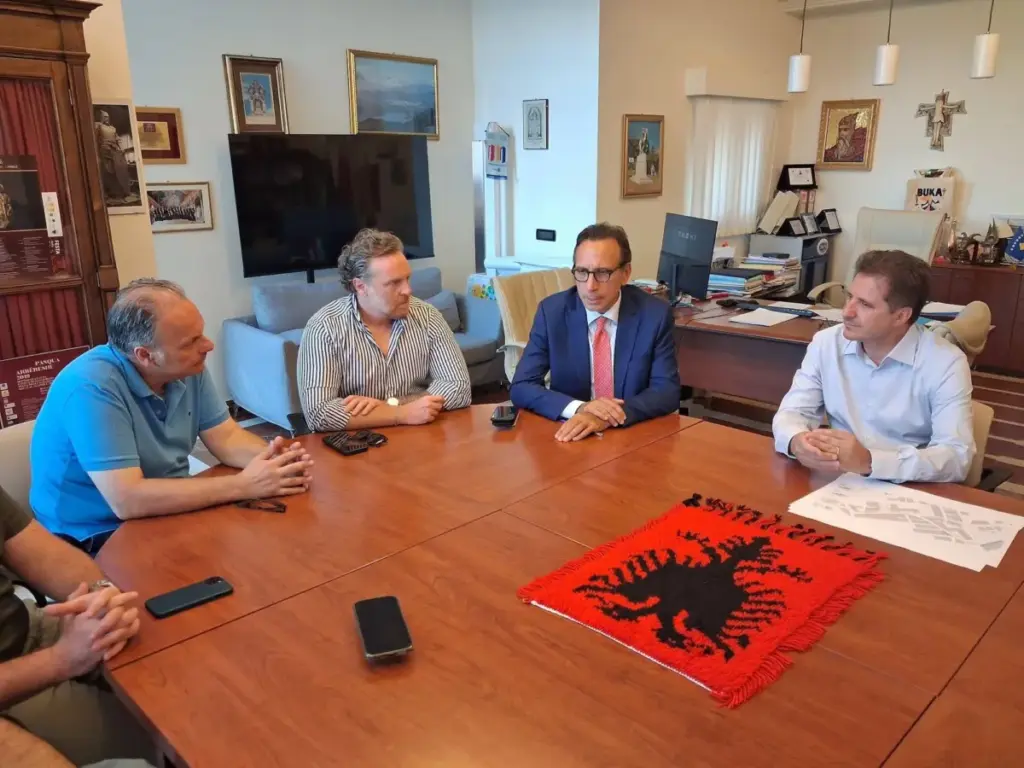
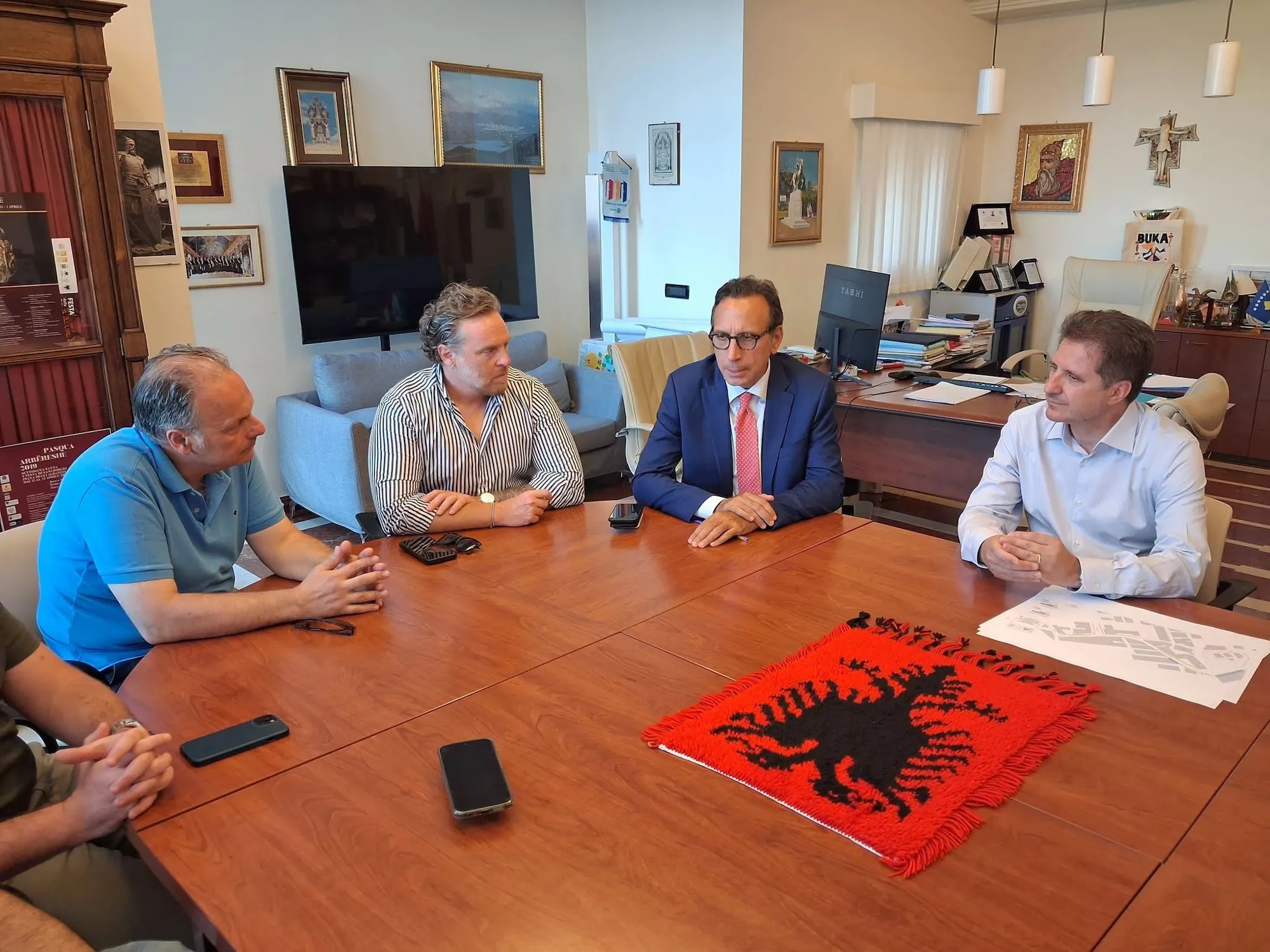
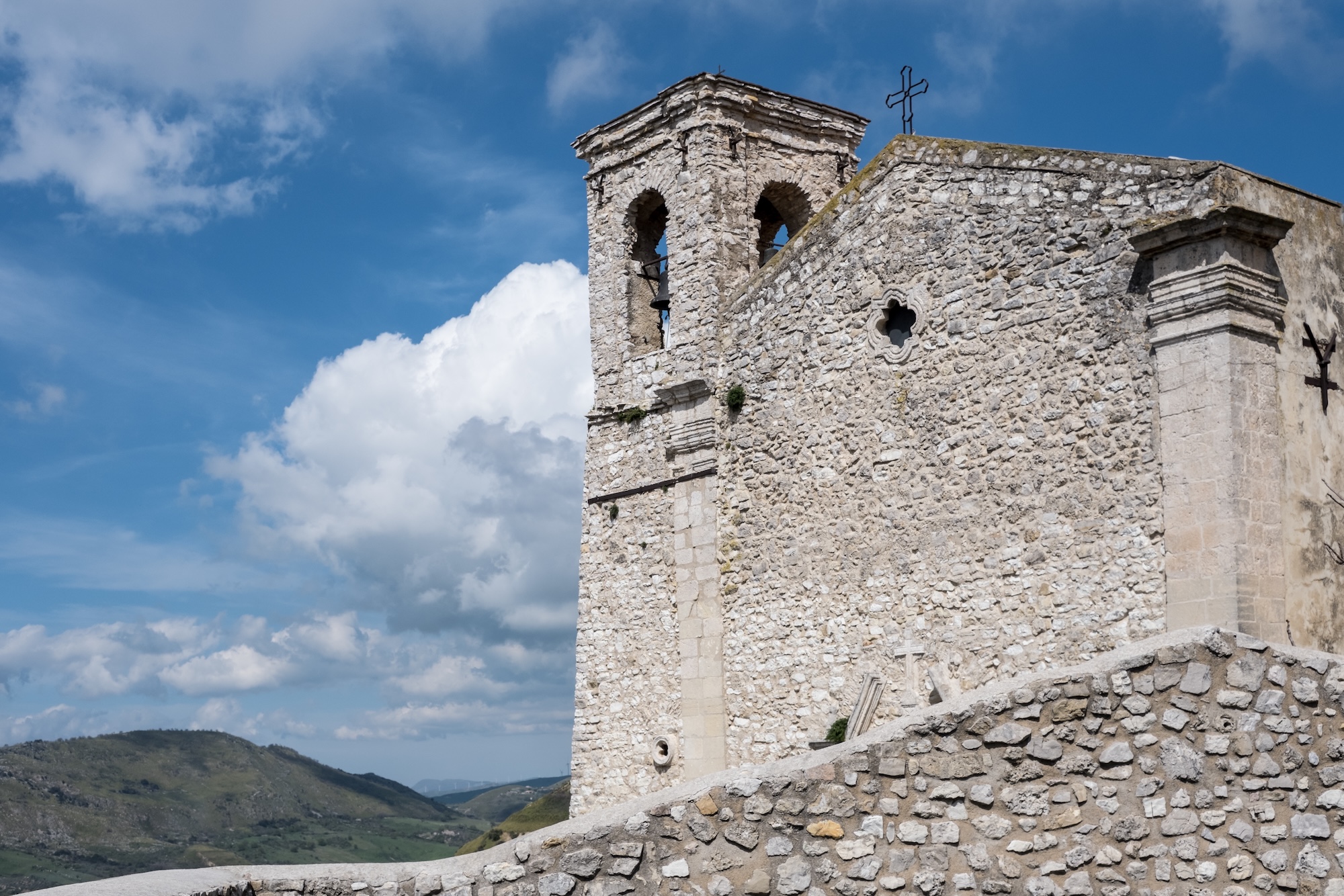
Municipal leaders, spearheaded by Mayor Petta, are aggressively pursuing cultural tourism as an economic life raft. By forging transnational diaspora committees with Arbëreshë heritage groups in Sacramento, California, as well as strengthening diplomatic and cultural ties with Albania and Kosovo, the town hopes to draw heritage tourists back to its cobblestone alleys, Byzantine churches, and annual cannoli festivals. Plans to lobby for direct commercial flights between Palermo and Tirana underscore efforts to bridge the physical distance between the scattered diaspora and its ancestral home.
Simultaneously, agricultural innovators are attempting to pivot. Farmers like Giovanni Scalora are experimenting with drought-resilient cattle breeds to replace vulnerable sheep populations, accepting that the distinct flavor profile of traditional regional ricotta will inevitably change. Civil protection units are scaling up local volunteer firefighting networks to clear brush and protect abandoned properties from spark-induced conflagrations.
Yet, experts warn that grassroots adaptation alone cannot offset systemic governmental neglect. Without robust, long-term infrastructural investments from Rome and Palermo—including advanced water-retention systems, modernized irrigation grids, and targeted financial safety nets for ethnic minority farmers—the desertification of Sicily’s interior will continue unchecked.
For descendants like Anthony Plescia in Sacramento, preserving the memory of Hora remains an act of cultural preservation across oceans. But back on the plateau, as the elderly tend the last of their livestock and wave goodbye to departing youth, the question hanging in the hot Sicilian air is stark: Will the Arbëreshë language, liturgical traditions, and 500-year history survive the fires of the 21st century, or will Piana degli Albanesi quietly pass into history as Europe’s first true climate ghost town?