

Executive Overview
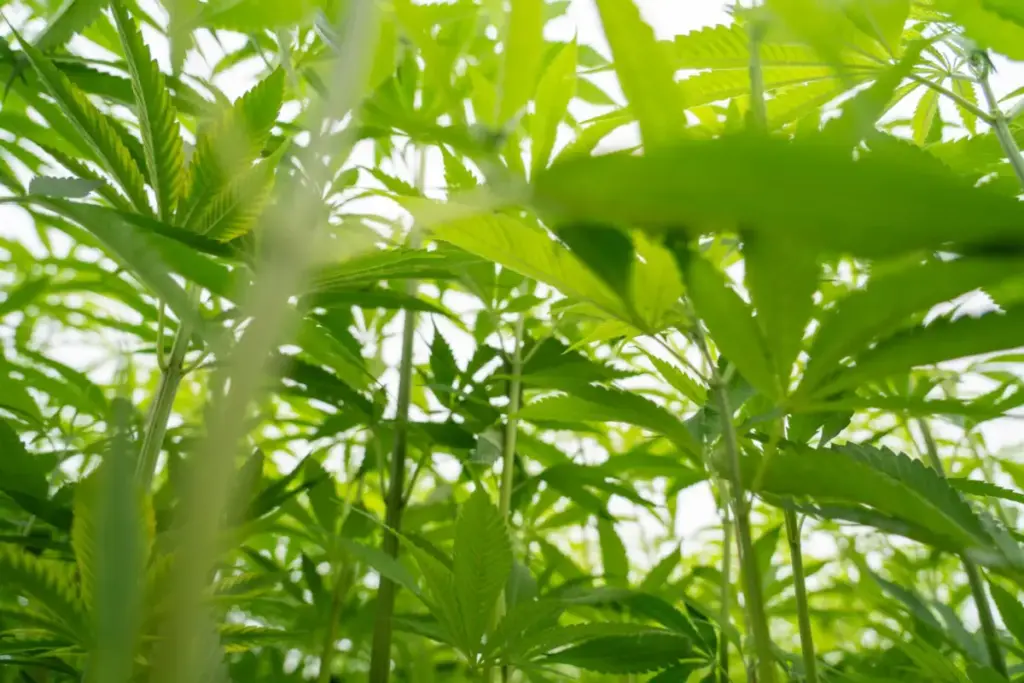
Long banished from American fields and misunderstood by the public, Cannabis sativa—specifically its non-psychoactive iteration, industrial hemp—is undergoing one of the most remarkable agricultural and industrial comebacks of the 21st century. After serving as a foundational crop during the first 150 years of American history, hemp was subjected to a seven-decade federal prohibition. Its reinstatement via the 2014 U.S. Farm Bill opened the floodgates to a wave of modern agricultural innovation. Today, scientists, environmentalists, and regenerative organic farmers are collaborating to unearth the full spectrum of hemp’s agricultural, medicinal, and economic value.
At the forefront of this movement is the partnership between the Rodale Institute and operations like the Pocono Organic Center in Long Pond, Pennsylvania, and Green Heffa Farms. Cutting-edge research coming out of these facilities indicates that hemp is far more than a trendy wellness additive or a sustainable textile alternative. It is a regenerative powerhouse. From building subterranean soil vitality and driving natural weed suppression to acting as an agent of phytoremediation and providing the raw material for fossil-free bioplastics, hemp is positioning itself as a cornerstone of sustainable agriculture. With the global industrial hemp market projected to skyrocket from over $11 billion in 2025 to nearly $48 billion by 2032, the crop represents a lucrative cash crop for farmers and an ecological ally for a stressed planet.
Detailed Chronology: From Colonial Staple to Modern Scientific Renaissance
To understand the current resurgence of hemp, one must examine its historical trajectory—a narrative marked by economic necessity, political prohibition, and modern scientific redemption.
- Early American History (17th–19th Centuries): Hemp was a vital agricultural resource throughout the first 150 years of American history. Farmers were frequently legally mandated to grow it because the durable fibers were essential for maritime rigging, canvas, textiles, and paper.
- The Mid-20th Century Ban (1937–2014): Driven by protectionist industrial interests, racialized drug policies, and the conflation of industrial hemp with its psychoactive cousin, marijuana, the federal government effectively criminalized the cultivation of Cannabis sativa through regulatory measures like the Marihuana Tax Act of 1937. For over 70 years, American farmers were legally barred from planting a crop that had previously sustained the nation’s infrastructure.
- The 2014 U.S. Farm Bill: Marking a major turning point in federal agricultural policy, the 2014 Farm Bill decoupled industrial hemp from the controlled substances list under specific pilot programs, allowing states and research institutions to legally cultivate the plant once again. This legislation catalyzed the modern research initiatives seen today.
- 2016–2020: Researchers at the Rodale Institute conducted comprehensive multi-year field studies examining the crop’s role in crop rotations, weed suppression, and yield impacts on subsequent staple crops like wheat and soybeans.
- 2023: The Rodale Institute published its landmark report, Growing Industrial Hemp as an Organic Cash Crop, providing actionable economic data and cultivation guidelines for organic farmers looking to diversify their income streams.
- 2025: Soil scientist Dr. Dinesh Panday and his team published ground-breaking findings in the scientific journal Agrosystems, Geosciences & Environment, proving that organic farmers can strategically optimize cannabinoid content through precise nitrogen management. Simultaneously, institutional collaborations began scaling innovations in hemp-based bioplastics and phytoremediation.
Supporting Context & Metrics: The Science and Utility of Hemp
Modern research has dismantled the historical stigmas surrounding hemp, categorizing its utility across six distinct pillars: medicinal wellness, nutritional density, natural textiles, biodegradable packaging, soil health, and weed management.
Botanical Distinction and Medicinal Utility
A critical distinction in understanding hemp lies in its taxonomy. Botanically, hemp and marijuana are the exact same species: Cannabis sativa. However, they are chemically and functionally distinct. Tetrahydrocannabinol (THC) is the psychoactive cannabinoid found in marijuana that produces euphoria or a "high." By legal definition, industrial hemp must contain a THC concentration of less than 0.3 percent—a threshold far too low to induce any psychoactive effects.
Instead, hemp produces other valuable cannabinoids, most notably cannabidiol (CBD). The human body naturally produces endocannabinoids—enzymes that regulate sleep, mood, appetite, and immune functions via nerve and brain cell communication. When extracted from hemp flowers and infused into tinctures or skin lotions, CBD interacts with these systems. Clinical and anecdotal accounts highlight its efficacy in managing chronic pain, severe gastrointestinal conditions like gastroparesis, and insomnia. Furthermore, recent studies led by Dr. Dinesh Panday demonstrate that organic farmers can precisely optimize the CBD content of their crops through strategic nitrogen fertilization management.
Nutritional Powerhouse
Beyond cannabinoids, hemp seeds are a nutritional powerhouse. They are rich in vitamins E, D, and A, and packed with heart-healthy omega-3 and omega-6 fatty acids. Additionally, hemp seeds supply the human body with polyphenols and terpenoids—micronutrients celebrated for their antimicrobial, antioxidant, and anti-inflammatory properties. Whether eaten raw, roasted, whole, or ground into smoothies and salads, hemp seeds offer a complete plant-based protein profile.
Sustainable Textiles and Natural Fabrics
For centuries, humanity relied on hemp for canvas, rope, and rough textiles. Modern textile engineering has elevated hemp fiber, noting its texture is comparable to linen and can be woven into durable materials like denim. Crucially, hemp fiber is stronger and more resilient than cotton while demanding significantly less arable land, water, and chemical inputs to cultivate. Field research at the Rodale Institute Pocono Organic Center reveals that planting density dictates fiber quality: close planting yields higher quantities of fiber, while wider spacing encourages thicker stalks and stronger strands, giving farmers vital operational flexibility.
Bioplastics and Fossil-Fuel Alternatives
Innovations in materials science are pushing hemp into the circular economy. Researchers working alongside the Rodale Institute Pocono Organic Center—including materials engineers from Philadelphia’s Thomas Jefferson University led by Dr. Ronald Kander—have successfully engineered a biocomposite material using leftover hemp stalks (the fibrous material remaining after CBD extraction). This composite mimics the strength and flexibility of traditional plastics but is entirely compostable and produced without fossil fuels. Early prototypes, such as injection-molded bowls and cups, prove that plant-based manufacturing is commercially viable.
Soil Vitality and Bioremediation
Hemp possesses a deep, robust root system that physically aerates the soil, supports a thriving subterranean population of beneficial microbes, and fosters mycorrhizal fungi networks. Furthermore, hemp acts as a dynamic tool for bioremediation. Tissue mineral testing conducted on research plots demonstrated that hemp accumulates significantly higher concentrations of heavy metals—such as lead and cadmium—from contaminated soils compared to traditional cover crops like sorghum-Sudangrass, effectively scrubbing pollutants from degraded lands.
Weed Management and Crop Rotation
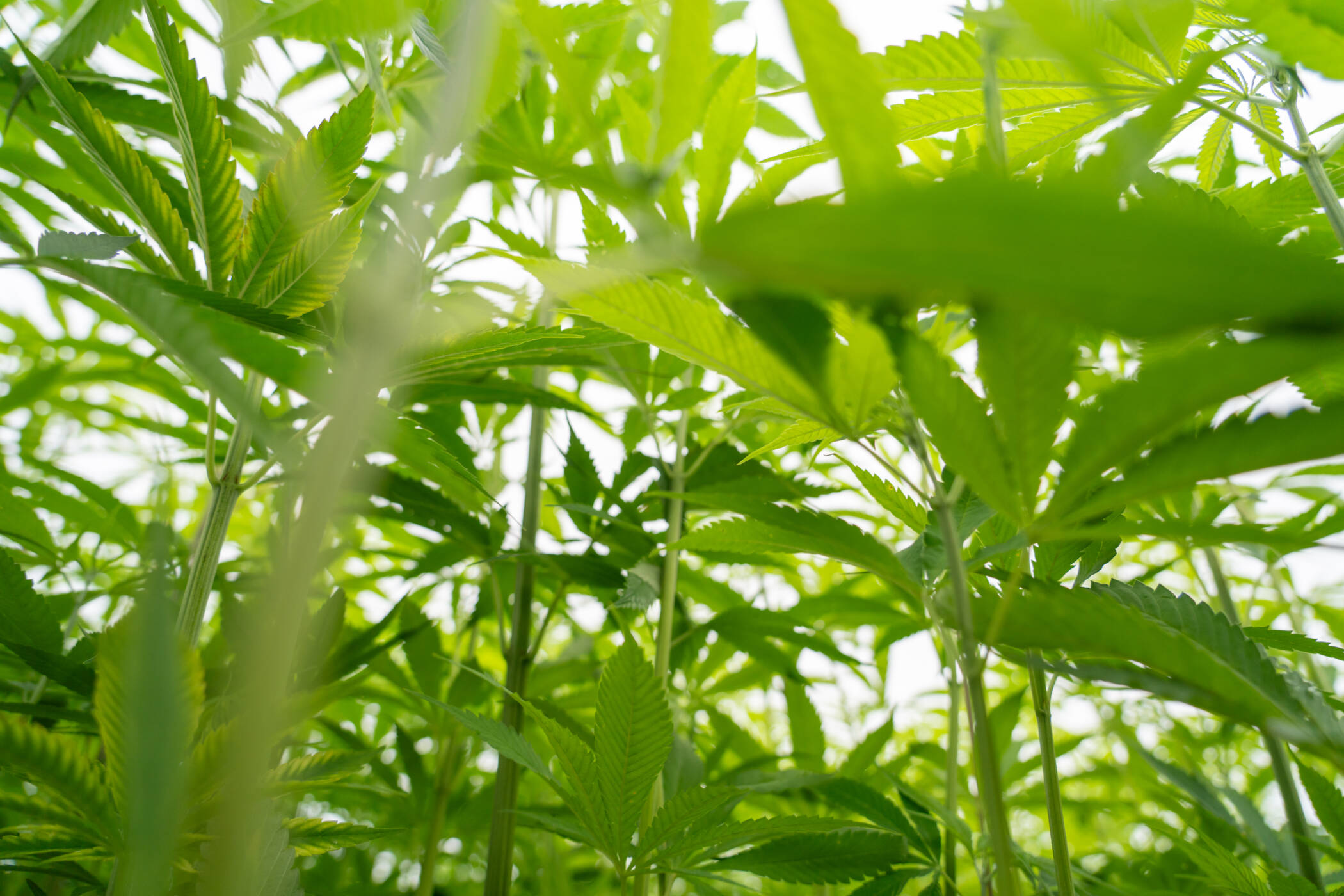
The rapid vegetative growth of industrial hemp creates a dense, leafy canopy that blocks sunlight from reaching the soil surface. This natural shading effectively starves weed seeds of light, preventing germination and significantly depleting the weed seed bank in agricultural soils. Long-term studies at the Rodale Institute have shown that cash crops like wheat and soybeans experience higher yields and markedly lower weed pressure when planted immediately following a fiber hemp crop in rotation.
Official Statements and Industry Perspectives
The rapid advancement of the hemp industry is driven by passionate practitioners and researchers who view the plant as a vehicle for environmental and human healing.
"The hemp research conducted at the Rodale Institute Pocono Organic Center has received global awareness for its reports on soil health, nitrogen management, cover cropping, and hemp’s weed suppression capabilities. The ongoing research collaboration validates the benefits of our regenerative organic practices and helps us pioneer new approaches that benefit the entire organic hemp industry."
— Ashley Walsh, President and Founder of Pocono Organics
Reflecting on her personal journey with plant-based medicine, Walsh adds:
"After being diagnosed with gastroparesis (a paralyzed stomach) in my late twenties and turning to plant-based medicine, including CBD, I experienced the transformative power of this remarkable plant firsthand."
Echoing these sentiments, Clarenda “Farmer Cee” Stanley, winner of the 2025 Good Farmer Award US and founder of Green Heffa Farms, highlights the ecological synergy of the crop:
"Hemp is a powerful plant ally for me as a regenerative organic farmer because it enriches the soil, supports biodiversity, and thrives without heavy inputs. As part of Green Heffa Farms’ healing herbs and products, it carries those same benefits forward—offering plant medicine that is both restorative to the land and to the people who use it."
Discussing the engineering breakthrough behind plant-based manufacturing, Dr. Ronald Kander notes:
"Our first generation of this material has been used in an injection molder to make bowls and cups. This bridges the gap between agricultural waste streams and sustainable, fossil-free manufacturing."
Future Outlook: Economic Viability and Market Trajectory
The future of industrial hemp is inextricably linked to the broader transition toward regenerative agriculture and circular economies. Economically, the trajectory is staggering. According to economic data compiled by Fortune Business Insights and supported by the Rodale Institute’s 2023 report, Growing Industrial Hemp as an Organic Cash Crop, the global industrial hemp market is projected to expand from over $11 billion in 2025 to nearly $48 billion by 2032.
For individual agricultural producers, the profit margins are increasingly attractive. Farmers cultivating hemp specifically for fiber can earn gross returns of up to $1,220 per acre, while those focusing on seed production can generate up to $550 per acre. When combined with the secondary revenue streams of medicinal CBD extraction, soil remediation services, and bioplastic feedstock, hemp offers unprecedented economic resilience to farming operations.
As regulatory frameworks stabilize and scientific institutions continue to publish empirical data optimizing its cultivation, hemp is shedding its counterculture associations to reclaim its rightful place as a serious, high-performance agricultural commodity. By simultaneously healing damaged soils, replacing petrochemical plastics, providing clean nutrition, and generating robust farm-gate revenues, industrial hemp stands out as a defining crop of the agricultural future—proving that ecological restoration and economic prosperity can grow from the exact same seed.



