

Executive Overview
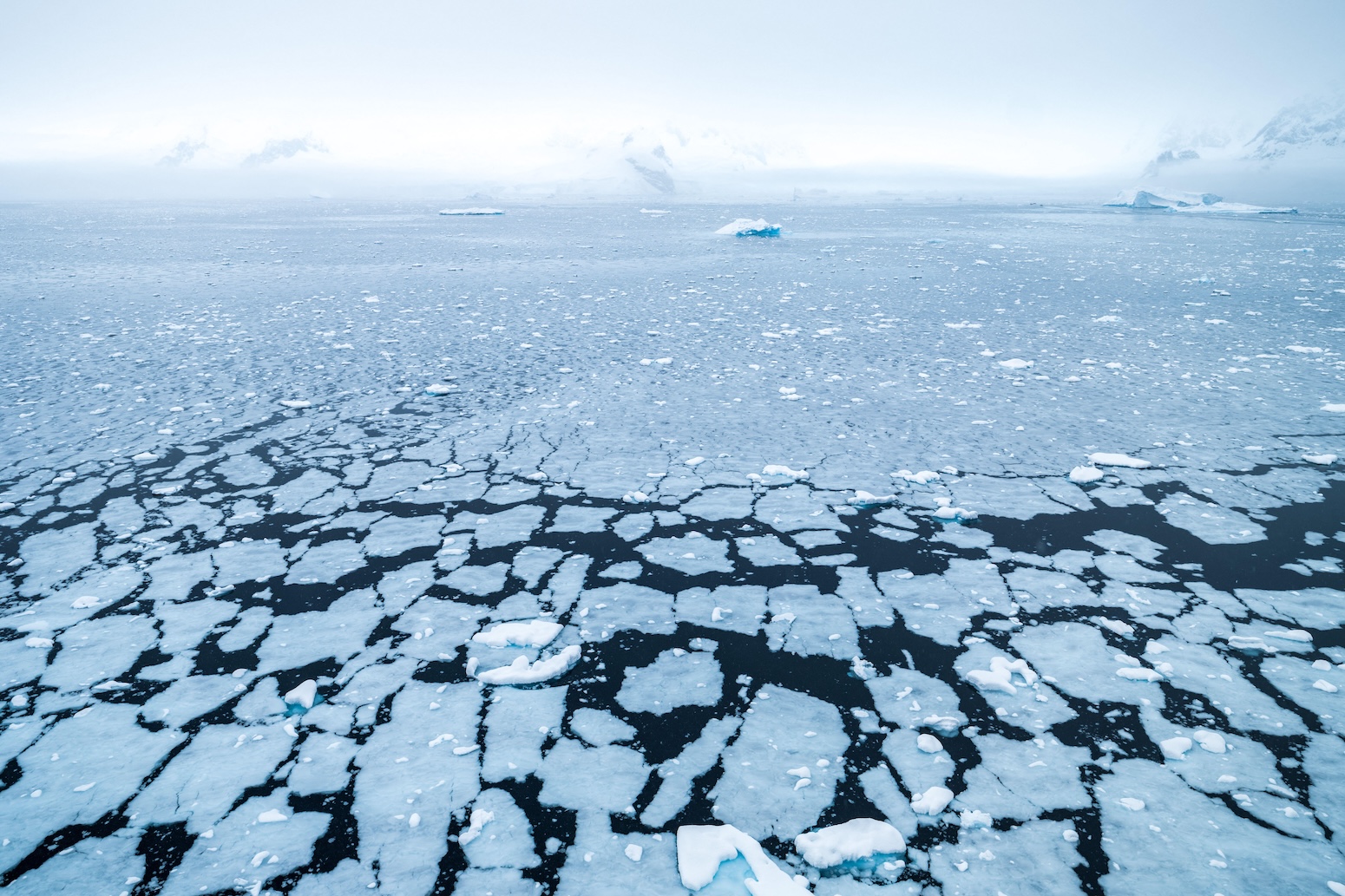
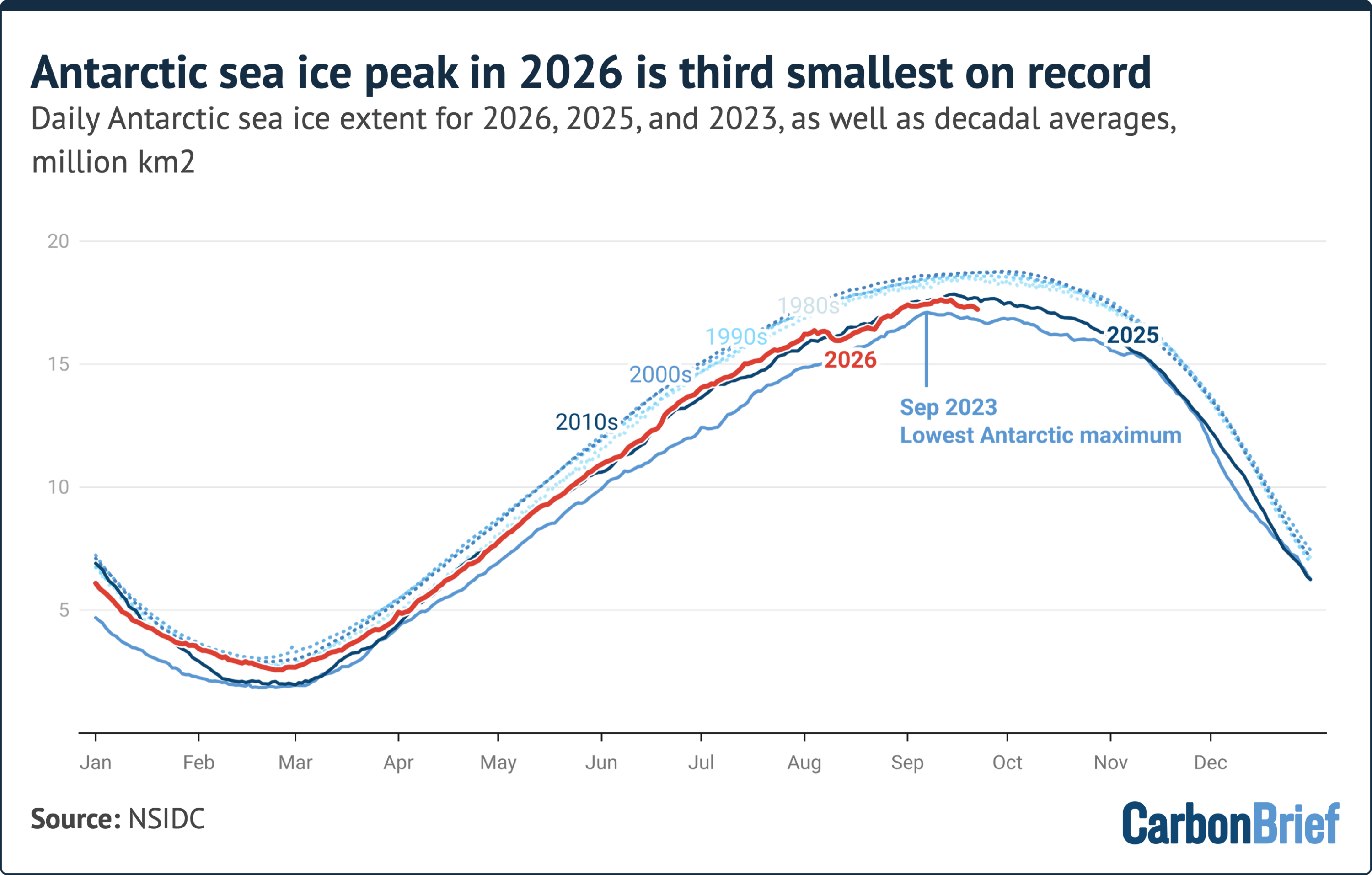
Data published by the U.S. National Snow and Ice Data Center (NSIDC) paints a stark picture of Earth’s polar climate systems. In the Southern Hemisphere, Antarctic sea ice reached its annual winter peak extent on September 14, covering just 17.59 million square kilometers ($km^2$). This measurement represents the third-smallest winter maximum recorded since continuous satellite tracking began 48 years ago, cementing a troubling pattern of depressed winter ice growth that has persisted over recent years.
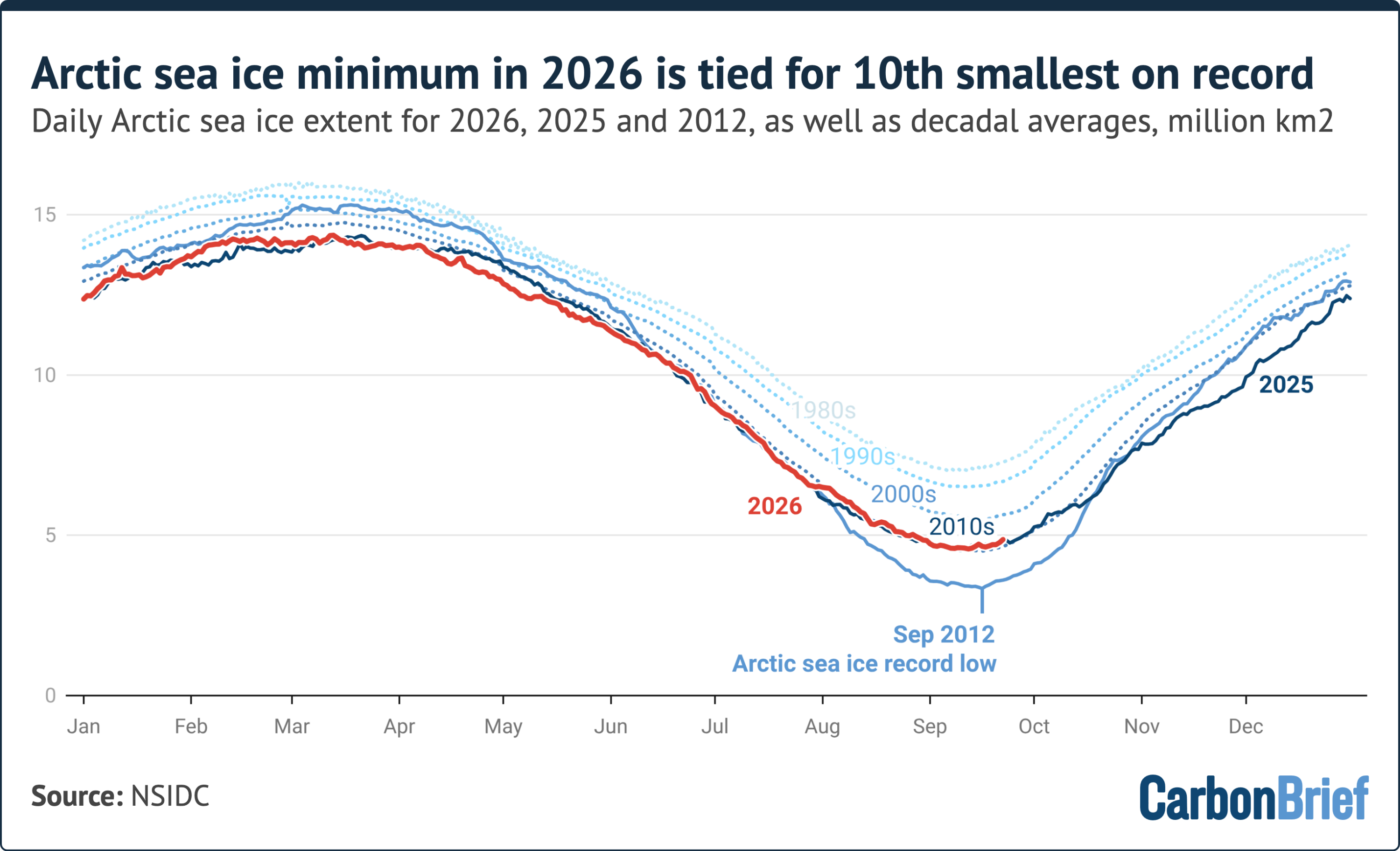
Concurrently, at the Earth’s northern pole, Arctic sea ice reached its annual summer minimum extent on September 12, tying with 2025, 2010, and 2008 as the joint tenth-lowest extent in the satellite record at 4.60 million $km^2$. With this latest figure, the past 20 years now account for the 20 lowest Arctic sea ice minimums ever recorded, underscoring the relentless, long-term degradation of northern polar ice.
While the Arctic’s summer melt was somewhat dampened by localized weather patterns that brought cooler temperatures to central regions, the Atlantic sector suffered record-breaking thermal stress. In Antarctica, the failure of winter sea ice to recover to historical norms raises critical questions regarding whether the Southern Ocean has undergone a fundamental "structural shift" away from decades of relative stability.
Compounding these environmental anomalies is a growing crisis in polar observational science. The March 2026 decision by the National Oceanic and Atmospheric Administration (NOAA) to terminate a foundational global air pressure dataset has halted updates to PIOMAS—the primary tool used by climate scientists to track Arctic sea ice volume and thickness. As climate forcing accelerates at both poles, scientists are warning that observational infrastructure is fracturing at the exact moment comprehensive monitoring is most urgently required.
+-----------------------------------------------------------------------------------+
|                         2026 POLAR SEA ICE SUMMARY                                |
+-----------------------+-----------------------------------------------------------+
| Antarctic Winter Peak | 17.59 million km² (Sept 14) — 3rd Lowest on Record        |
| Arctic Summer Minimum | 4.60 million km² (Sept 12)  — Tied 10th Lowest on Record   |
| Historical Context    | Last 20 years hold the 20 lowest Arctic sea ice extents   |
| Observational Crisis  | NOAA dataset shutdown halts PIOMAS ice-thickness updates  |
+-----------------------+-----------------------------------------------------------+
Detailed Chronology of the 2026 Polar Ice Cycle
The 2026 seasonal freeze-and-melt cycles across both hemispheres exhibited extreme regional shifts, atmospheric volatility, and unusual environmental behavior.
Southern Hemisphere: Antarctic Winter Growth (February – September 2026)
- February 2026: Antarctic sea ice reaches a near-average summer minimum extent, offering a brief, temporary pause following years of historic lows.
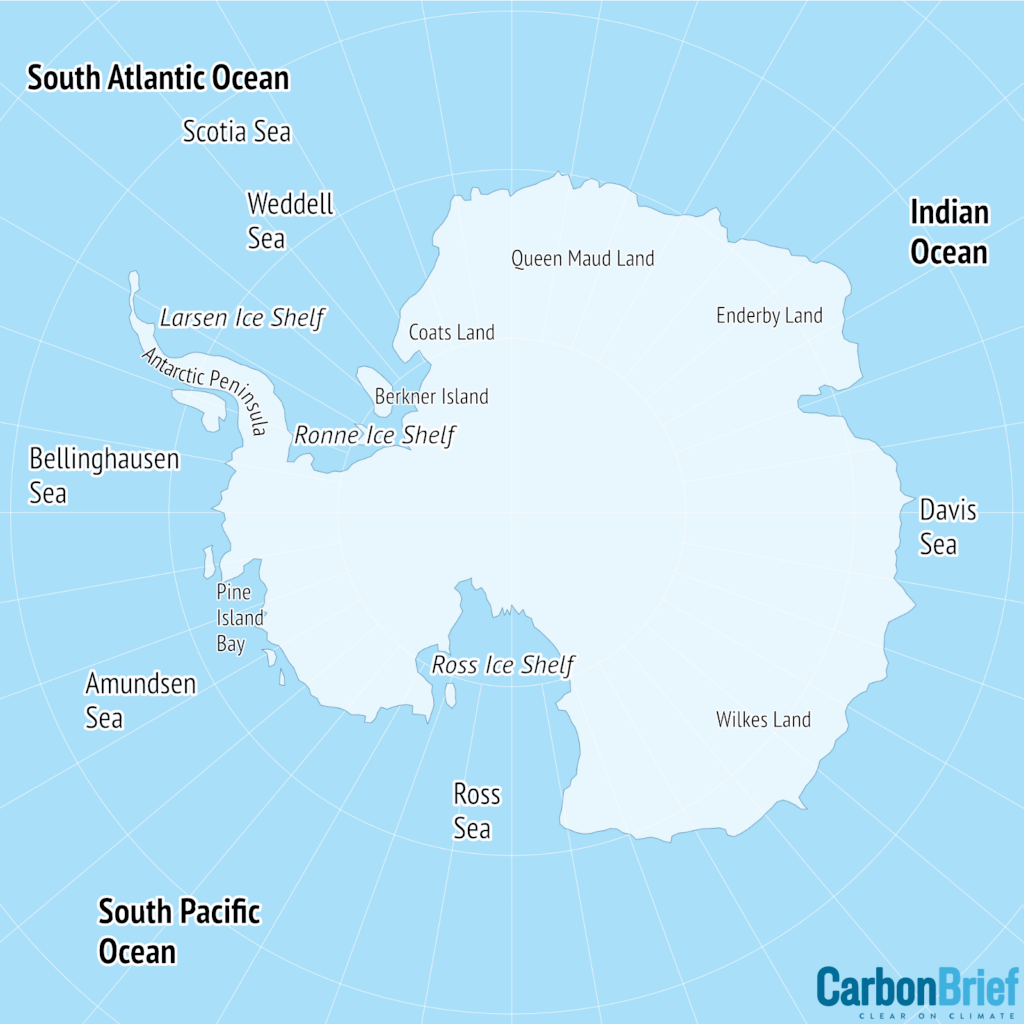
- April 2026: As the winter freeze commences, pronounced regional anomalies emerge. The Bellingshausen Sea remains almost entirely open water, while the adjacent Amundsen Sea experiences higher-than-average sea ice concentration.
- July 2026: Antarctic sea ice extent tracks at the fifth-lowest level on record for the month, continuing a multi-year downturn where all five of the lowest July extents have occurred since 2022.
- August 2026: Winter ice accumulation stalls, resulting in the fourth-lowest August extent on record (joining a trend where the four lowest August extents have all been logged since 2023). Atmospheric pressure shifts and shifting wind patterns redistribute ice cover, causing the Bellingshausen Sea deficit to recover while ice cover rapidly thins across the Amundsen Sea and large sectors of East Antarctica.
- September 14, 2026: Antarctic sea ice hits its provisional annual maximum extent at 17.59 million $km^2$. Although exceeding the absolute record low maximum set in September 2023, it solidifies 2026 as the third-lowest winter peak in the 48-year satellite record.
ANTARCTIC MONTHLY ICE EXTENT RANKINGS (Lowest on Record)
--------------------------------------------------------
July Extents:   All top 5 lowest recorded SINCE 2022
August Extents: All top 4 lowest recorded SINCE 2023
Sept Maximum:   2026 ranks 3rd lowest overall (behind 2023)
Northern Hemisphere: Arctic Summer Melt (March – September 2026)
- March 2026: Arctic winter sea ice hits its annual maximum extent, tying for the smallest winter peak in the satellite record for the second consecutive year—setting up a highly vulnerable, thin ice pack ahead of the summer melt.
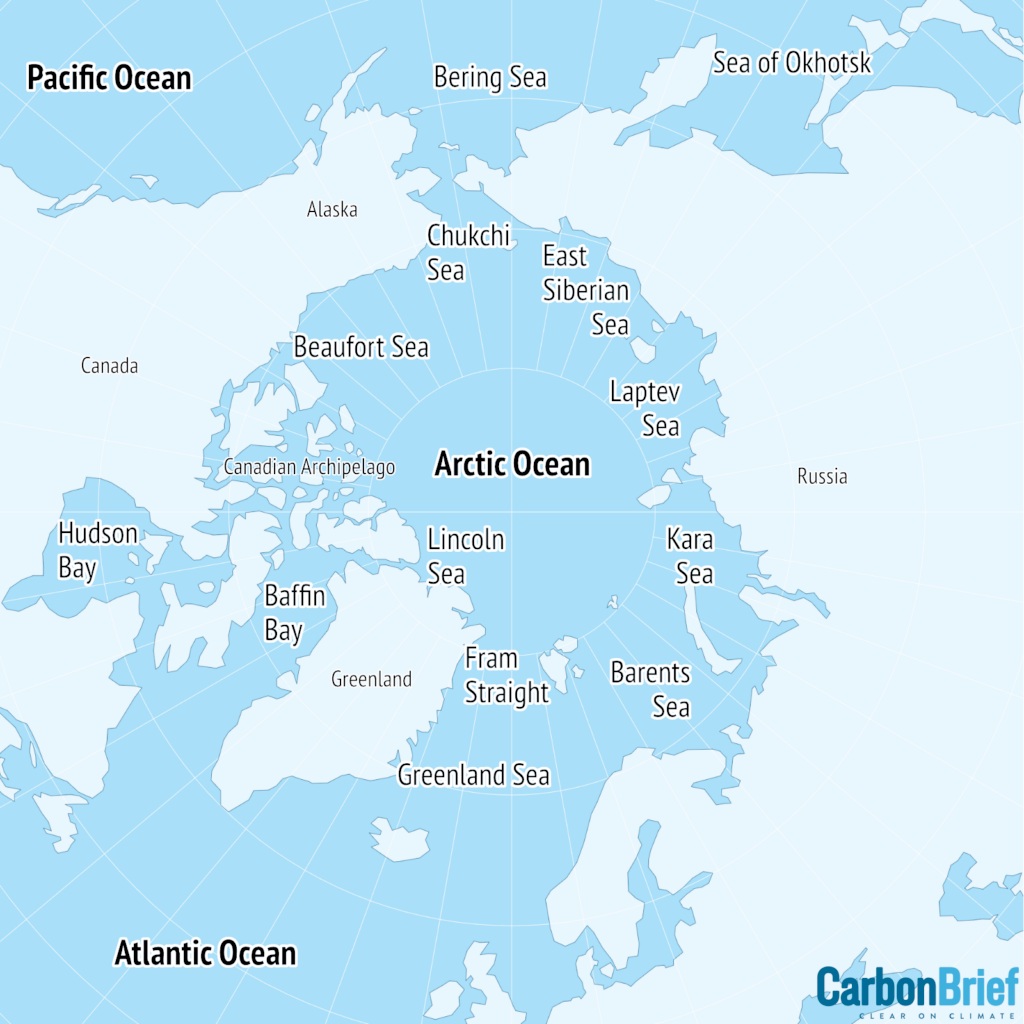
- June – Early July 2026: A low-pressure system settles over the central Arctic Ocean. The resulting cloud cover and lower surface temperatures suppress atmospheric melt and delay the onset of seasonal ice loss across the Beaufort and Chukchi seas by more than two weeks relative to historical averages.
- August 2026: Exceptional heatwaves sweep across northern coastal landmasses. Temperatures in western Siberia spike more than 5°C above the 1981–2010 baseline, driving severe melt out into the Kara Sea. The Barents Sea experiences its earliest complete sea ice melt-out in recorded history.
- September 12, 2026: Arctic sea ice contracts to its annual minimum extent of 4.60 million $km^2$, tying 2025, 2010, and 2008 for the tenth-lowest summer coverage on record.
Supporting Context & Metrics
The Shift in Antarctic Dynamics
For several decades following the onset of satellite observations in 1978, Antarctic sea ice extent exhibited a slight, modest upward trend, standing in stark contrast to the rapid decline observed in the Arctic. However, since a sudden crash in late 2016, Southern Ocean sea ice dynamics appear to have shifted into a period of heightened volatility and persistent low coverage.
ANTARCTIC MAXIMUM EXTENT TREND (Selected Years)
===================================================
1980s-2010s Average : ~18.5 - 19.0 million km²
2023 (Record Low)   : Lowest winter maximum on record
2026 (Current Year) : 17.59 million km² (3rd lowest)
===================================================
Data from the NSIDC confirms that recent years represent an unprecedented cluster of suppressed winter ice growth. The low values observed in 2026 demonstrate that the historic drop seen in 2023 was not an isolated outlier, but part of a sustained multi-year signal. Atmospheric drivers—specifically ocean heat transport, shifting zonal winds, and altered surface pressure regimes—have repeatedly disrupted winter ice formation, particularly along East Antarctica and the Amundsen Sea.
Arctic Melt Patterns and Weather Masking
The Arctic summer minimum of 4.60 million $km^2$ highlights how seasonal atmospheric weather can obscure broader, long-term degradation. While 2026 did not eclipse the absolute minimum set in 2012 (which fell below 3.4 million $km^2$), scientists emphasize that year-to-year comparisons based solely on ice extent can be deceptive.
ARCTIC SUMMER MINIMUM (Selected Milestones)
-------------------------------------------------------
Pre-2007 Baseline : Consistently above 5.5 million km²
2012 Record Low   : ~3.39 million km²
2026 Minimum      : 4.60 million km² (Tied 10th lowest)
Historical Context: 20 lowest extents all in last 20 yrs
-------------------------------------------------------
While high-pressure atmospheric conditions in 2012 generated open skies and rapid solar heating, 2026 saw persistent low-pressure systems centered over the Arctic basin during June and July. This synoptic setup provided cloud shield protection over central regions, delaying surface melt in the Beaufort and Chukchi seas. Conversely, where heat was able to penetrate—such as the Atlantic sector—ice cover disintegrated at record rates, leading to unprecedented early sea ice loss in the Barents Sea.
                  2026 ARCTIC REGIONAL CONTRAST
                  -----------------------------
   PACIFIC SECTOR (Beaufort/Chukchi) | ATLANTIC SECTOR (Barents/Kara)
   ----------------------------------+--------------------------------
   • Cloud cover shielding           | • Extreme atmospheric heat
   • Delayed melt season (+2 weeks)  | • Western Siberia >5°C above avg
   • Ice pack temporarily preserved  | • Earliest Barents melt on record
Observational Disruption: The Loss of PIOMAS
A critical dimension of the 2026 polar reporting cycle is an unprecedented disruption in monitoring infrastructure. To accurately assess sea ice health, scientists evaluate ice thickness and total volume alongside two-dimensional surface extent. Since 1979, the scientific community has relied on the Pan-Arctic Ice Ocean Modeling and Assimilation System (PIOMAS), managed by the University of Washington, to track ice volume metrics.
In March 2026, NOAA abruptly terminated a global air pressure reanalysis dataset that served as a core observational input for PIOMAS modeling. As a direct result, PIOMAS was forced to halt operations, leaving climate scientists without updated ice volume calculations during a critical summer melt season.
The PIOMAS research team noted publicly that restoring the reanalysis timeseries will require substantial time and resources, stating:
"We don’t yet have a good sense if that’s possible with available funds and if so, when we will be able to resume production of a new PIOMAS timeseries."
This data blackout comes amid broader political and budgetary threats to polar science operations, leaving researchers reliant almost entirely on satellite area measurements during a period when ice pack fragmentation demands fine-scale three-dimensional tracking.
Official Statements & Expert Analysis
Polar climate experts emphasize that while the 2026 metrics show distinct regional behaviors, both poles reflect an underlying climate system under severe stress.
Dr. Lettie Roach, a polar climate scientist at the Alfred Wegener Institute (AWI) in Germany, underscored the stark departure from historical baselines in Antarctica:
"After several decades of stable or increasing winter Antarctic sea ice conditions, it is concerning to see these low values persisting. Compared with the Arctic, it’s less clear how recent changes in Antarctic sea ice are attributable to human-caused warming versus natural variability. We need more years of observations to better understand whether this is truly a structural shift."
Commenting on the Arctic minimum, Dr. Roach stressed that the absence of a headline-breaking record low should not offer false comfort:
"Although this minimum is not record setting, it is still lower than any sea ice minimum before 2007. Human-caused climate change has reduced Arctic sea ice cover and thickness, so the region is fundamentally different compared to a few decades ago."
Dr. Clare Eayrs, a postdoctoral researcher at the Korea Polar Research Institute (KOPRI), highlighted the intra-seasonal spatial anomalies that defined Antarctica’s 2026 freeze cycle:
"Antarctic sea ice cover changed substantially during the growth season. In April, the Bellingshausen Sea remained almost entirely ice-free, while the neighbouring Amundsen Sea had more ice than usual. By late August, the Bellingshausen deficit had largely recovered, while ice was unusually scarce in the Amundsen Sea and across much of East Antarctica."
Dr. Zack Labe, a climate scientist at Climate Central, addressed the role of atmospheric noise in masking long-term polar decline:
"Local weather patterns across the Arctic play a really important role in year-to-year sea-ice extent, even as the long-term trend is clearly downward. Weather in the Arctic this summer was influenced mainly by lower pressure toward the central Arctic, which brought cloudier and cooler conditions that limited surface melt and delayed the start of the melt season. This was most obvious across parts of the Beaufort and Chukchi seas, where the melt season didn’t really kick off until after early July, which was more than two weeks later than normal."
Addressing the data infrastructure vulnerabilities exposed in 2026, Dr. Labe added:

"Going forward, scientists need more data and observations of other sea-ice metrics, like ice thickness, which may give us better insight into the overall condition of the ice pack, especially during years like 2026 when it is very fragmented."
Future Outlook & Environmental Implications
The 2026 polar sea ice outcomes reinforce a broader trajectory of systemic change across the cryosphere, with direct implications for global climate stability, ocean circulation, and environmental policy.
       SUMMARY OF KEY FINDINGS & FUTURE RISKS
┌────────────────────────────────────────────────────────┐
│ 1. ANTARCTIC VOLATILITY                                │
│    Low winter maximums in 2023 and 2026 suggest potential  │
│    regime shift in Southern Ocean heat absorption.     │
├────────────────────────────────────────────────────────┤
│ 2. ARCTIC THERMAL LOSS                                 │
│    20-year persistent low minimums confirm loss of      │
│    multi-year ice, increasing marine heat absorption.   │
├────────────────────────────────────────────────────────┤
│ 3. MONITORING BLIND SPOTS                              │
│    Termination of critical NOAA datasets threatens      │
│    long-term sea ice volume tracking (PIOMAS).          │
└────────────────────────────────────────────────────────┘
Global Ocean & Atmospheric Impacts
- Albedo Loss and Marine Warming: As thick, reflective multi-year ice in the Arctic is replaced by thin, seasonal ice—or open water—the ocean’s surface albedo drops sharply. Solar radiation previously reflected back into space is absorbed by the upper ocean, accelerating regional warming and altering the Arctic Jet Stream.
- Southern Ocean Deep Water Formation: Persistent deficits in Antarctic winter sea ice growth disrupt brine rejection—the process by which salts are expelled during sea ice formation, driving the sinking of dense ocean waters. A slowdown in this process threatens to alter the global thermohaline circulation (the ocean conveyor belt), affecting global heat distribution.
- Ice Shelf Instability: Sea ice acts as a physical buffer against ocean swells. The persistent absence of sea ice surrounding Antarctica exposes coastal ice shelves—such as the Pine Island and Thwaites glaciers—to direct ocean swell action and sub-surface ocean warming, raising long-term sea-level rise risks. Recent studies indicate that anthropogenic warming is already responsible for roughly one-fifth of Pine Island Glacier’s retreat, a process amplified when sea ice defenses break down.
Policy and Observational Priorities
The simultaneous erosion of polar sea ice and polar research funding presents an urgent challenge for international climate governance. As scientists work to confirm whether Antarctica has entered a permanent low-ice regime, the loss of operational tools like PIOMAS threatens to obscure critical metrics necessary for climate modeling.
With global mean temperatures continuing to hover near critical planetary boundaries, climate researchers emphasize that keeping global warming below the 2°C threshold remains vital to preventing catastrophic ice loss across both the Arctic basin and the vulnerable Antarctic Peninsula. Restoring lost observational pipelines and maintaining satellite monitoring will be essential if policy makers are to accurately anticipate and adapt to the escalating changes reshaping Earth’s polar limits.



