

Executive Overview
The intersection of marine science, global climate policy, and industrial exploitation has reached a critical juncture. As advanced satellite technology opens unprecedented windows into the most remote marine environments on Earth, policymakers, conservationists, and industries are grappling with a rapidly changing planetary blueprint. From the retreating sea ice of the polar regions to the stressed coral reefs of tropical latitudes, human pressures on the ocean are mounting concurrently with groundbreaking discoveries.
Recent weeks have highlighted profound shifts across multiple fronts. While scientific advancements—ranging from space-based ecological monitoring to indigenous-led conservation—offer powerful tools for stewardship, heavy industrial demands continue to test the resilience of marine ecosystems. Proposals to expand aquaculture threaten to strain wild fish stocks, contentious seabed mining projects have been greenlit in sensitive national waters, and global temperature projections underscore the accelerating urgency of climate action.
This comprehensive report examines the multifaceted developments shaping the future of our oceans. By synthesizing data from fisheries management, marine protection initiatives, climate science, and geopolitical policy, we explore the precarious balance between oceanic exploitation and the imperative of global marine preservation.
Detailed Chronology & Sector Analysis
1. The Technological Frontier: Science from Space and Remote Discovery
Satellite monitoring has fundamentally transformed how marine biologists and environmental scientists track ecological indicators in inaccessible regions. No longer constrained solely by costly and perilous maritime expeditions, researchers are now utilizing high-resolution orbital imaging to monitor whale strandings, map expansive emperor penguin colonies, and evaluate dietary shifts in Adélie penguins. These dietary fluctuations serve as crucial bio-indicators, offering immediate insight into how shifting Antarctic conditions ripple upward through the marine food web.
Parallel to orbital breakthroughs, on-the-ground discoveries continue to refine our baseline knowledge. A recent, highly notable whale discovery within the Great Barrier Reef ecosystem has provided researchers with fresh perspectives on tropical marine health. Furthermore, broad ecological assessments in polar waters—such as the staggering record of approximately 16,000 baleen whales documented off the coast of East Greenland—demonstrate how warming waters and retreating sea ice are actively reconfiguring the geographic distribution of marine mammals and their prey.
2. Fisheries, Aquaculture, and Industrial Pressures
The global fishing industry and its regulatory frameworks face immense scrutiny as demand for marine protein escalates. At the international level, proposals by the United Nations to significantly expand aquaculture and fish farming have raised red flags among conservationists. While fish farming is often presented as a sustainable alternative to wild-caught fisheries, expanded operations inherently drive up the global demand for wild-caught fish meal and oils. This potential feedback loop threatens to place compounding pressure on lower-trophic marine ecosystems and the coastal communities dependent upon them.
Regional fisheries are similarly fraught with controversy and regulatory defiance:
- The Northeast Atlantic Mackerel Fishery: Despite explicit scientific warnings and a recommendation from the International Council for the Exploration of the Sea (ICES) to slash catches by 77 percent to combat years of severe overfishing, commercial fishing in Norwegian waters remains fiercely active. Vessels have already landed more than 19,000 tonnes this season. Compounding this, a recent Danish survey revealed that a staggering 42 percent of the North Sea’s mackerel biomass consists of juvenile fish, raising serious questions about recruitment and the long-term viability of the stock.
- Regulatory Compliance and Labelling: In Scotland, recent immigration enforcement raids on fishing vessels led to nine arrests, highlighting ongoing labor and legal complexities within the industry. Concurrently, advocacy groups such as Follow the Fish are pushing for rigorous European Union seafood labelling reforms to provide consumers with transparent, easily understood data regarding the origins and sustainability of their purchases.
- Seabed Integrity: Scientific warnings have amplified regarding bottom trawling in Scotland’s delicate sea lochs. By disturbing fragile seabed sediments, trawling activities risk releasing vast reservoirs of historically stored carbon into the water column, compounding climate concerns with local habitat degradation.
3. Marine Protection, Territorial Disputes, and Conservation Triumphs
Amidst mounting industrial pressures, various jurisdictions are moving to fortify marine protections. The government of Jersey has notably expanded its network of Marine Protected Areas (MPAs), restricting trawling and dredging across 21.7 percent of its territorial waters to safeguard vulnerable benthic habitats.
On a broader geopolitical scale, the UK Overseas Territories’ Blue Belt Programme released a compelling new film underscoring the indispensable role of scientific expeditions in driving policy and safeguarding remote marine zones. Meanwhile, diplomatic horizons have shifted slightly, with indications from political figures like Donald Trump suggesting the United States may re-evaluate its historical stance regarding the Falkland Islands—a region of significant strategic and ecological importance in the South Atlantic.
Conservation triumphs offer pockets of hope. Brazil’s humpback whale population has staged a remarkable ecological rebound since the cessation of commercial whaling. Similarly, whale and dolphin sightings are surging across Scottish waters—a phenomenon colloquially described by researchers as "cetacean soup"—reflecting both changing migratory patterns and the resilience of certain species when granted breathing room.
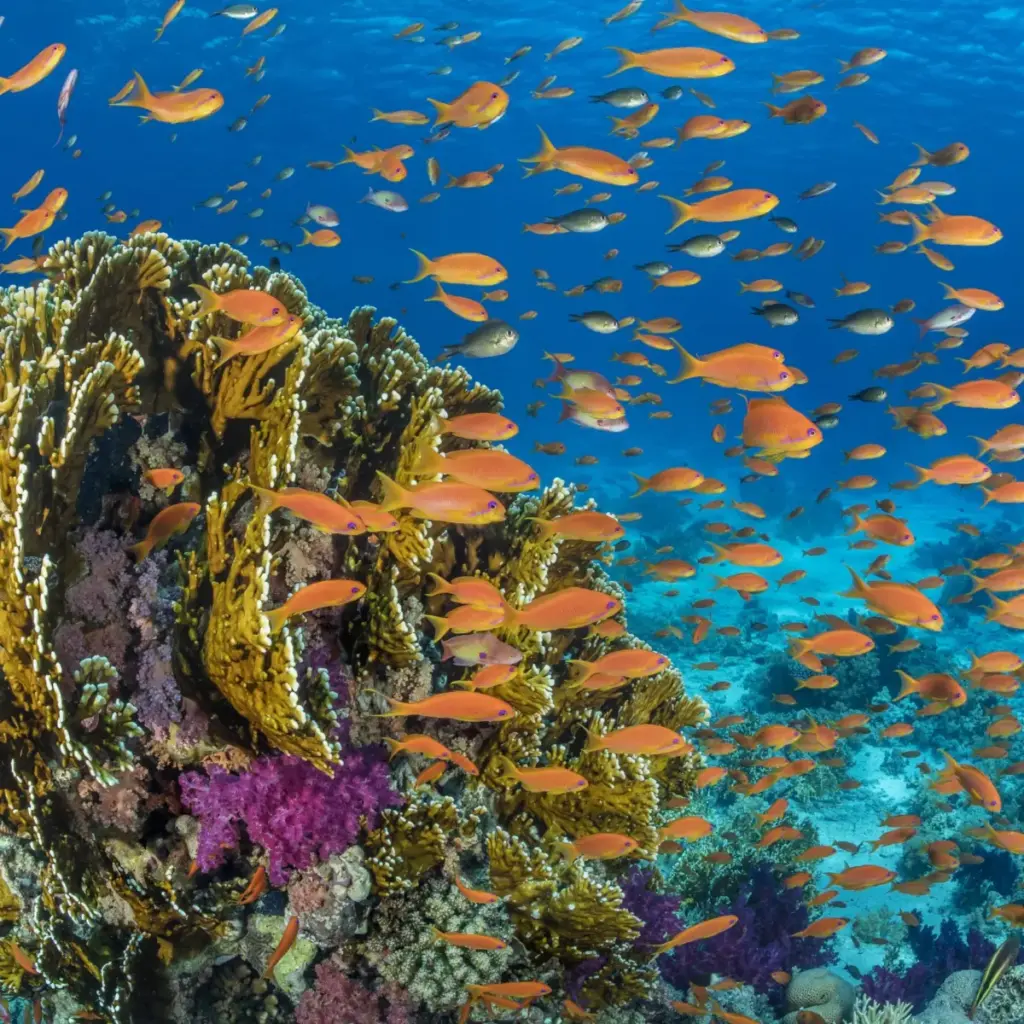
However, these victories are counterbalanced by severe systemic threats. The largest-ever global assessment of coral reefs warns that accelerating climate-induced bleaching events are severely compressing the recovery windows of reefs worldwide. Even as coral cover dwindles, an illicit and highly lucrative international coral trafficking trade continues to operate on a significant scale, draining stressed ecosystems of their remaining biodiversity.
4. Grassroots and Indigenous Stewardship
Community-led and indigenous conservation efforts continue to demonstrate high efficacy on the frontlines of marine defense. In northern Australia, indigenous ranger teams are actively combating marine pollution by locating and extracting "ghost nets"—abandoned or lost commercial fishing gear that poses a lethal hazard to marine life, turtles, and seabirds.
In the Caribbean, Honduran diving communities are taking direct action against the ecological devastation wrought by invasive lionfish. By systematically culling these predators from vulnerable reef systems and actively promoting them as a sustainable local food source, divers are effectively turning the tables on an ecological invader to protect native fish stocks.
5. The Climate Crisis, Resource Extraction, and Policy Crossroads
The broader climate crisis remains the overarching driver of oceanic transformation. A sobering report issued by the United Nations warns that global average temperatures are poised to breach the critical 1.5°C threshold within the next few years. While the UN report maps a narrow pathway to limit the magnitude of this overshoot and ultimately draw temperatures back down, current global climate policies place the planet on a trajectory toward approximately 1.8°C of warming by the end of the century.
This warming trend intersects dangerously with new industrial ambitions:
- Arctic and Sub-Polar Development: Greenland’s rapidly transforming environment has sparked intense international interest, raising severe ecological concerns regarding accelerated industrial development and the aggressive commercial exploitation of the island’s newly accessible natural resources.
- Seabed Mining: In Southern Africa, Namibia has controversially greenlit a commercial project designed to dredge phosphate directly from its seabed. Environmentalists warn that this operation could devastate localized marine ecosystems and inflict catastrophic economic consequences on Namibia’s vital commercial fishing sector.
- North Sea Fossil Fuels: Political friction persists in the United Kingdom, where both candidates for the Scottish Labour leadership have thrown their weight behind the rapid development of the Rosebank and Jackdaw fossil fuel fields. Their calls for expedited approval have drawn sharp rebukes from environmental organizations warning of the profound climate and marine impacts associated with continued North Sea oil and gas extraction.
Supporting Context & Metrics
To fully comprehend the scale of current marine transformations, quantitative metrics from recent scientific assessments provide essential context:
- 1.5°C to 1.8°C: The near-term temperature projections outlined by the UN, illustrating the tight margins remaining for global carbon mitigation.
- 77 Percent: The drastic catch reduction recommended by ICES for Northeast Atlantic mackerel, contrasting sharply with active Norwegian landings exceeding 19,000 tonnes this season.
- 42 Percent: The proportion of the North Sea’s total mackerel biomass identified as juvenile fish in recent Danish surveys, underscoring high vulnerability to overfishing.
- 21.7 Percent: The newly expanded share of Jersey’s territorial waters now shielded from destructive bottom-trawling and dredging activities.
- 16,000: The estimated population of baleen whales recorded along the coast of East Greenland in 2024, highlighting ecosystem shifts driven by retreating sea ice.
Official Statements and Perspectives
The friction between economic ambition and environmental defense is sharply articulated through the perspectives of key stakeholders and researchers:
"You can’t protect what you don’t know."
— Loyiso Dunga, Marine Scientist (Highlighting the fundamental necessity of continuous, technology-driven marine research and monitoring in the face of widespread data gaps).
On the regulatory front, representatives from conservation coalitions such as Follow the Fish emphasize consumer empowerment:
"Clearer seafood labelling is no longer just a consumer preference; it is a vital conservation mechanism that bridges the gap between industrial supply chains and marine preservation."
Conversely, industry proponents and political figures championing resource extraction—such as those advocating for the Rosebank developments or Namibian seabed dredging—maintain that economic security and energy independence must be balanced pragmatically alongside environmental safeguards, though critics argue this balance has tilted dangerously toward ecological risk.
Future Outlook
The trajectory of our global marine environment over the coming decade will be dictated by humanity’s willingness to align economic models with ecological boundaries. As satellite technologies continue to democratize ecological data, ignorance can no longer serve as an excuse for inaction.
Moving forward, the international community faces stark choices. The proposed expansion of aquaculture must be strictly regulated to avoid cascading pressures on wild fisheries. Controversial extractive projects—such as Namibian seabed phosphate mining and North Sea fossil fuel extraction—face mounting resistance from a scientific community that views every ton of carbon and every disturbed square meter of seabed as a step toward environmental tipping points.
Ultimately, the survival of coral reefs, polar whale populations, and coastal fisheries depends on rigorous enforcement of marine protections, genuine adherence to scientific catch quotas, and an unyielding commitment to global climate targets. Without these concerted measures, the blue horizon that sustains planetary life will face irreversible degradation.



