

Executive Overview
American agriculture stands at a precarious historical crossroads. For generations, the nation’s food production system relied on a straightforward generational handover: land, equipment, and deeply guarded operational wisdom passed seamlessly from parents to children. Today, that traditional pipeline has slowed to a trickle. With the average age of the American farmer climbing to 58 and descendants of legacy farming families increasingly seeking less physically demanding or more lucrative white-collar professions, a profound human capital vacuum threatens the nation’s food security.
Simultaneously, the industrialization of the global food system has triggered unprecedented ecological degradation, widening wealth disparities, and systemic vulnerabilities laid bare by recent global disruptions. Yet, out of this convergence of crises, an inspiring counter-movement is quietly taking root. Across the United States, a diverse, highly motivated cadre of career-switchers, idealists, and environmental stewards are intentionally pivoting toward the soil. They are not returning to agriculture out of inherited obligation, but out of a profound ethical and moral imperative to heal the planet.
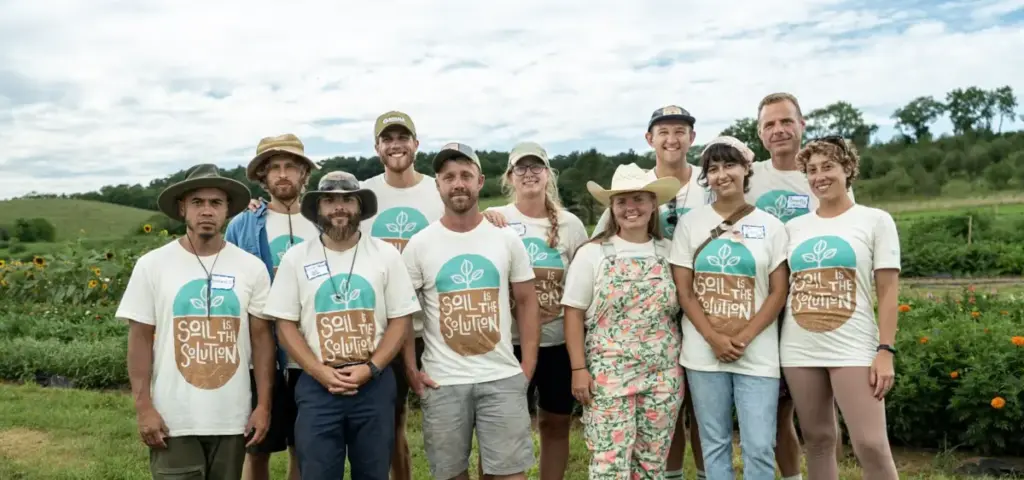
At the epicenter of this renaissance is the Rodale Institute Farmer Training (RIFT) program. Designed to bridge the formidable gap between amateur passion and commercial viability, RIFT prepares the next generation of regenerative organic agriculturalists. Through an immersive, nine-month curriculum rooted in hands-on fieldwork, academic rigor, and business planning, RIFT is fundamentally transforming how modern farmers are minted. Featuring a cohort of diverse trainees ranging from early twenties to early fifties—most with little to no prior agricultural background—the program provides the comprehensive toolkit necessary to establish, certify, and sustain thriving organic farming enterprises.
By integrating traditional agronomic wisdom with cutting-edge regenerative techniques, higher education pathways, and financial mentorship, the Rodale Institute is doing more than teaching people how to grow crops; it is cultivating an ecological and economic movement poised to redefine the future of food.
Detailed Chronology: The Evolution and Immersive RIFT Experience
To understand the profound impact of the Rodale Institute Farmer Training program, one must examine its mechanics and the transformative journey experienced by its participants. Founded to address the severe lack of practical, large-scale organic training infrastructure in the United States, RIFT has spent over a decade refining a model that rejects the siloed, overly theoretical approaches of conventional agricultural universities.
Since its inception, the program has graduated more than 100 individuals who have gone on to establish independent farms, lead non-profit agricultural initiatives, and pioneer regional organic movements. The modern RIFT curriculum is structured around the literal and metaphorical rhythms of the natural world, spanning 35 consecutive weeks of immersive, seasonal education.
The Nine-Month Arc: From Seeding to Marketplace
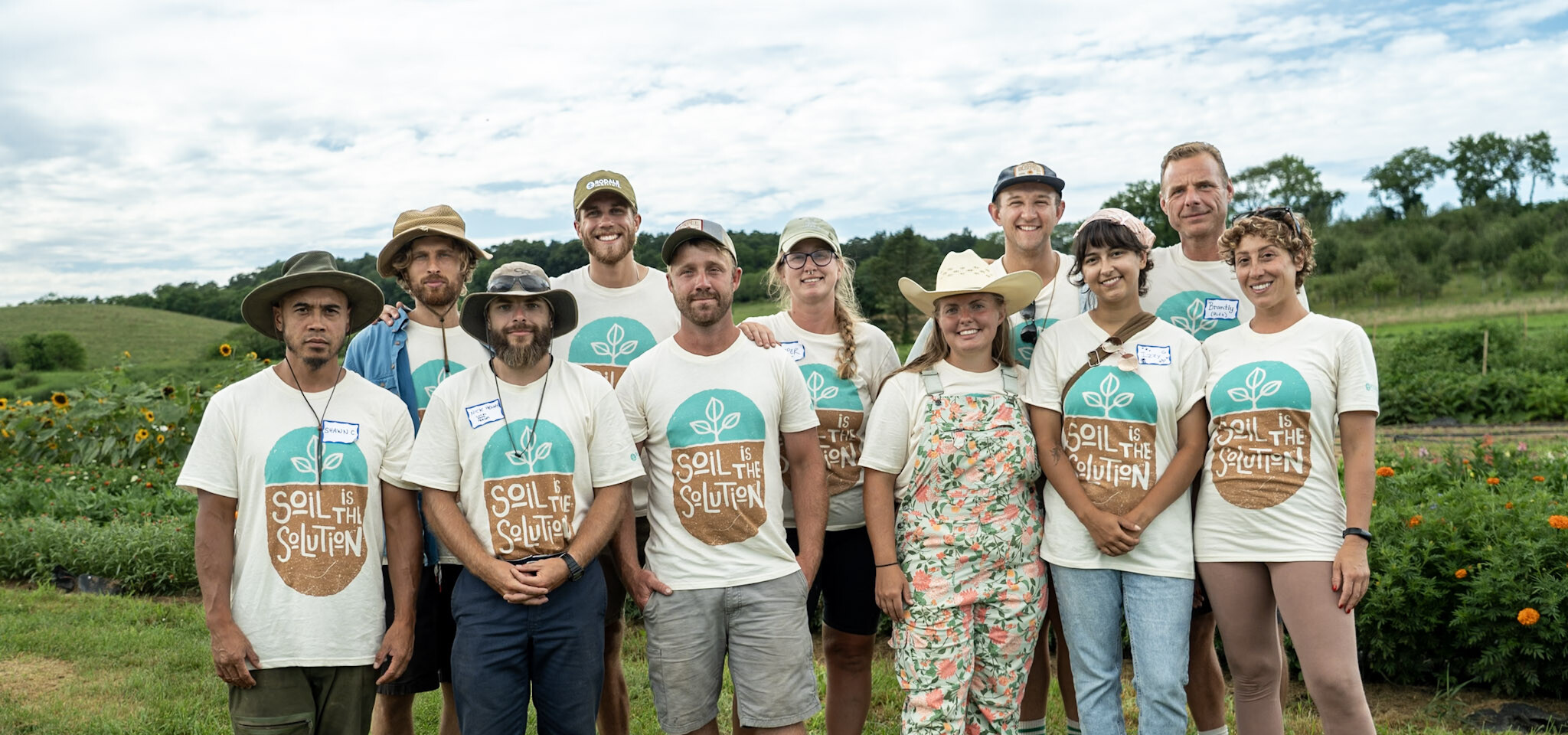
The RIFT journey is deliberately synchronized with the complete agricultural seasonal cycle. Trainees do not merely read about soil microbiology or crop rotation in a classroom; they experience the physical, logistical, and mental realities of a farmer’s workload from the first late-winter frosts through the height of summer harvest and the quiet planning of late autumn.
- Phase I: Foundation and Soil Health (Winter to Early Spring): Trainees begin by studying the fundamental building block of regenerative agriculture: soil. They learn how to assess soil structure, enhance microbial life, and manage organic matter without synthetic fertilizers or chemical pesticides. Classroom instruction covers agricultural philosophy, business plan drafting, and organic certification standards.
- Phase II: Field Execution and Crop Management (Late Spring to Summer): As the weather warms, the physical demands of the program intensify. Students participate directly in greenhouse propagation, direct seeding, transplanting, weed management, and pest control across diverse vegetable and specialty crop operations. They learn to manage daily workloads, troubleshoot unexpected weather events, and operate farm machinery safely and efficiently.
- Phase III: Harvest, Economics, and Market Distribution (Late Summer to Autumn): Farming is only half agronomy; the other half is economics. RIFT participants gain direct commercial experience by harvesting crops and managing a weekly farm stand explicitly for Rodale Institute staff and the local community. This vital touchpoint teaches them post-harvest handling, pricing strategies, customer service, and direct-to-consumer marketing.
- Phase IV: Capstone Integration (Late Autumn): The culmination of the nine-month intensive is the development of a comprehensive, professional farm plan. Graduates use these individualized blueprints to secure agricultural land, apply for municipal and federal grants, approach commercial lenders, and successfully navigate the rigorous USDA organic certification process.
Beyond the Field: Academic Integration and Fellowships
Recognizing that modern agriculturalists require multifaceted credentials, the Rodale Institute has forged strategic partnerships to elevate the RIFT educational experience. Trainees can now earn direct college credits through Northampton Community College in Bethlehem, Pennsylvania. Many participants leverage these credits toward advanced degrees, such as the Master of Arts in regenerative design offered online through Prescott College, bridging the gap between hands-on dirt farming and high-level socio-ecological system design.
Furthermore, for trainees seeking a deeper, more specialized mastery, the Institute offers an extended 22-month fellowship track. This advanced tier allows emerging farmers to specialize in complex operational areas, such as large-scale grain production, advanced weed ecology, or livestock integration, ensuring they emerge as undisputed leaders in the regenerative movement.
Supporting Context & Metrics: The Human Element of RIFT
What drives a successful corporate technologist, a multi-generational florist, an artist, or a retail manager to leave behind stable livelihoods and embrace the grueling, unpredictable life of a farmer? The 2025 RIFT cohort provides a compelling cross-section of modern American career-pivots, each driven by a distinct yet interconnected philosophy.
Shawn Cabalsi: The Tech Veteran Turned Non-Profit Organic Pioneer
At 43 years old, Shawn Cabalsi was enjoying a successful career in the technology sector in Pennsylvania. Yet, despite his professional achievements, he experienced a mounting sense of alienation and a desire for deeper ethical alignment. Influenced by the writings of agricultural philosophers Wendell Berry, E.F. Schumacher, and Masanobu Fukuoka, Cabalsi began to question the environmental degradation and industrialization inherent in the modern food system.
Seeking harmony with nature, Cabalsi joined the RIFT program to acquire the technical skills needed for organic certification and regenerative management. Already a co-founder of a 501(c)(3) organic farm in Macungie, Pennsylvania, Cabalsi’s 11-acre operation provides vital fresh produce to food-insecure families. Upon completing his training, he plans to use his farm as an educational hub, teaching community members how to grow their own food while pursuing his master’s degree in regenerative design.
Delaney Gemmel: Honoring Heritage Through Sustainable Floriculture
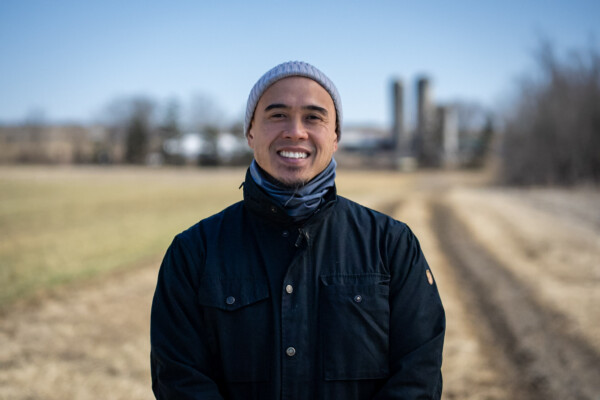
Growing up immersed in her family’s multi-generational flower shop business in Allentown, Pennsylvania, Delaney Gemmel initially pursued a traditional business degree at Lehigh University. International travels through Ecuador, Spain, and Malawi exposed her to diverse food systems and ignited an unexpected passion for fresh food, outdoor labor, and agriculture.
Gemmel’s vision bridges past and future: she aims to launch a small-scale regenerative flower farm that supplies her family’s historic shop alongside a direct-to-consumer market. By combining her rigorous business background with RIFT’s organic training, she intends to support fellow small-scale producers and champion feel-good, locally sourced agricultural products.
Payton Wilks: The Project Manager Combating Climate Change
A native of Tipp City, Ohio, Payton Wilks studied acting, anthropology, and French before traveling internationally and working as an English teacher in France. Upon returning to the United States, he pursued project management certification while searching for an avenue to make a profound, systemic impact on climate change.
While renewable energy sectors failed to ignite his passion, regenerative organic agriculture offered a profound revelation: the capacity of healthy soil to actively sequester atmospheric carbon while simultaneously nourishing humanity. Wilks plans to spend several years managing diversified vegetable operations before establishing his own farm, bringing a corporate-level project management discipline to ecological land stewardship.
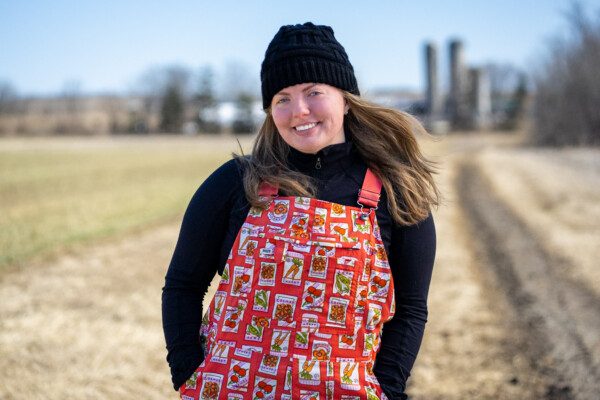
Isidra Garcia: Visual Storyteller and Soil Restorer
While studying video editing at Kutztown University, Isidra Garcia completed an internship with the Rodale Institute’s communications department. Immersed in research regarding hemp textiles and environmental sustainability, she fell in love with agriculture.
Garcia’s vision merges food production with media education. Operating her own future plot of land dedicated to soil restoration, she plans to cultivate the fresh ingredients necessary for a signature line of artisanal pico de gallo. Simultaneously, she intends to produce educational video content directly from her farm, using digital media to demystify organic food systems for the broader public.
Samantha Cooper: Healing Body, Mind, and Land
Formerly a senior manager for a major retail chain in Central Indiana, Samantha Cooper watched food system vulnerabilities compound during the COVID-19 pandemic. Galvanized by a desire for food sovereignty and driven by a deeply personal journey of recovery—celebrating three and a half years of sobriety from alcohol—Cooper viewed agriculture as an act of profound holistic healing.
Working alongside her partner, 2024 RIFT alumnus Garrett Tidler, Cooper transitioned to the St. Luke’s–Rodale Institute Organic Farm in Easton, Pennsylvania. Her capstone farm plan centers on cultivating medicinal herbs such as borage, calendula, and edible marigolds to craft healing teas and tinctures. The couple ultimately plans to return to Central Indiana, bringing a much-needed organic movement to a region dominated by heavily sprayed, industrial field corn and soybean monocultures.
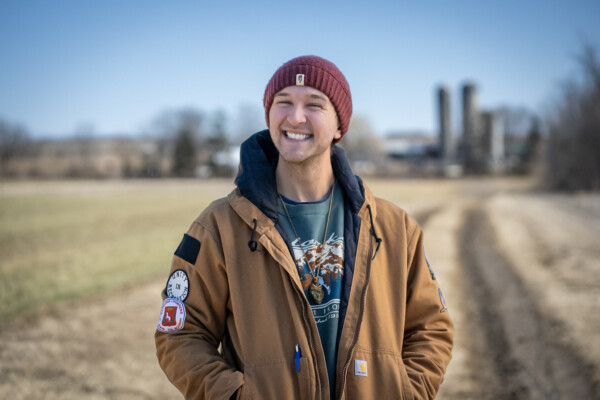
Kade Eckert: The Culinary Problem-Solver and Composter
Washington state native Kade Eckert transitioned from professional restaurant kitchens to urban microgreens operations and high school food production education. Frustrated by the limitations of conventional culinary spaces in solving systemic food crises, Eckert’s ambitions expanded during international stints, including working for a large-scale composting facility in Sweden.
Eckert’s RIFT-inspired goal is to acquire a piece of degraded land in Washington state and restore it through intensive regenerative organic management. By incorporating composted organic waste sourced from local schools and hospitals, he plans to establish a thriving native plant nursery, host community farm-to-table dinners, and demonstrate the absolute economic viability of ecological restoration.
Official Statements: Industry Leadership and Program Architecture
The success and distinctive structure of the Rodale Institute Farmer Training program are anchored by institutional dedication and robust financial support designed to dismantle the barriers traditionally preventing entry into agriculture.
Justin Barclay, Rodale Institute’s global education operations manager, emphasizes the unique value proposition that sets RIFT apart from conventional agricultural internships or academic tracks:
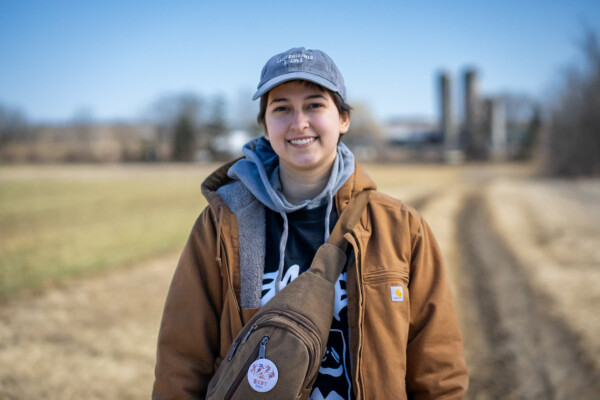
"Organic-focused education for 35 consecutive weeks is not common in other farmer-training programs. Successful participants come in with the explicit goal of starting an agricultural business, possess the ability to thrive in a collaborative team environment, and demonstrate a genuine willingness to be coached through the physical and mental demands of farming."
To ensure that economic precarity does not bar passionate candidates from participating, the Rodale Institute—bolstered by its donor community and philanthropic supporters—provides every RIFT trainee with free on-site housing and a weekly stipend of $600 throughout the duration of the 35-week program. This financial model addresses one of the most significant systemic hurdles in modern agricultural education: the inability of aspiring farmers to work for free or low wages while acquiring specialized skills.
Graduates leave the Institute not only with practical field experience and college credits, but with lifetime access to online educational resources and an active, nationwide network of fellow regenerative practitioners upon whom they can rely as they navigate the complexities of land ownership, regulatory compliance, and business management.
Future Outlook: The Ripple Effect of Regenerative Training
The implications of the Rodale Institute Farmer Training program extend far beyond the individual acreage managed by its graduates. As these resilient, highly educated modern farmers return to their home states—from Pennsylvania and Ohio to Indiana and Washington—they are planting the seeds of a decentralized, localized agricultural revolution.
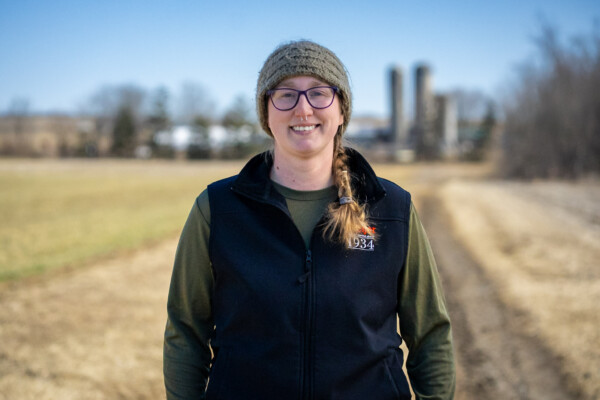
The traditional American farm model, characterized by aging demographics, massive chemical inputs, and vulnerable supply chains, is rapidly proving unsustainable in an era defined by climate volatility and economic uncertainty. Conversely, the cohort of RIFT graduates represents a resilient, ecologically literate paradigm. By prioritizing soil biology over synthetic chemistry, community engagement over corporate anonymity, and economic diversification over monocultural dependency, these new agriculturalists are redefining what it means to farm in the 21st century.
As institutions like the Rodale Institute continue to scale their educational infrastructure, bridge the gap between higher education and practical fieldwork, and provide the financial scaffolding necessary for career transitions, the future of American agriculture begins to look distinctly brighter. The soil, much like the new generation tending to it, is finally beginning to heal.



