

By Climate Desk Collaboration
Originally published by Mother Jones
Executive Overview
While technology titans and venture capitalists command global headlines—grandstanding about the speculative, far-future risks of artificial superintelligence and dystopian AI "doom"—former senior officials at the Environmental Protection Agency (EPA) are sounding the alarm over a far more immediate and tangible danger. The true crisis, they argue, does not lie in the theoretical awakening of machine consciousness, but rather in the physical reality of the infrastructure required to feed it: the explosive, poorly regulated expansion of artificial intelligence data centers.
A comprehensive new report released by the Environmental Protection Network (EPN), an organization comprised of former EPA career experts, reveals a troubling trajectory. Since January 2025, the administration of President Donald Trump has systematically dismantled environmental oversight. Across at least 30 distinct administrative actions, the current EPA has weakened pollution safeguards, streamlined permitting processes, crippled inspection norms, and dismantled regulatory guardrails.
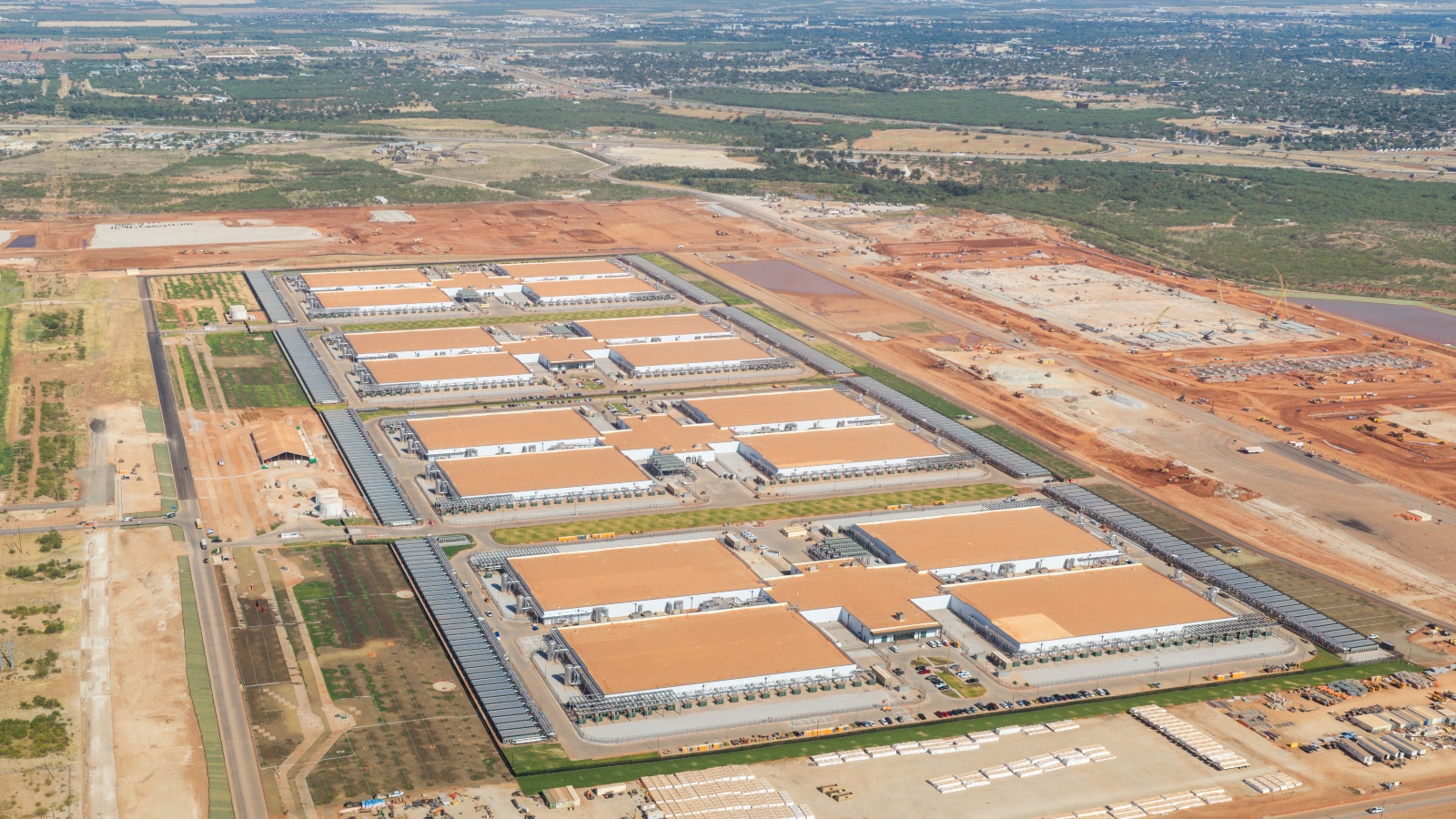
This deregulation is occurring at the precise moment the United States is experiencing an unprecedented construction boom in digital infrastructure. There are currently roughly 3,000 operational data centers across the country, with more than 1,500 additional facilities actively moving through the planning and development pipeline. Driven by the generative AI gold rush, these hyperscale computing facilities require staggering amounts of electrical power, often equivalent to the energy consumption of mid-sized cities.
Yet, as this energy-hungry architecture spreads—frequently targeting rural communities with fewer resources to fight back—the federal regulatory apparatus designed to protect human health is being intentionally hollowed out. According to independent studies cited by the EPN report, the unchecked air pollution resulting from this fossil-fuel-dependent AI expansion could lead to as many as 1,300 additional premature deaths annually. Public health experts, former regulators, and environmental scientists warn that the race for geopolitical and technological dominance in artificial intelligence is rapidly becoming a public health trade-off, paid for with the lives and lungs of American families.
Detailed Chronology: The Systematic Dismantling of the EPA
To understand how the United States arrived at this precarious juncture, one must examine the systematic unraveling of environmental protections that began in earnest following Donald Trump’s return to the White House. The dismantling of the EPA’s scientific and enforcement apparatus has not been accidental; it has been executed through a calculated series of policy reversals, memo directives, and structural reorganizations.
The Opening Salvos (Early 2025)
Immediately following the administration’s inauguration, the EPA—under the leadership of Administrator Lee Zeldin—signaled a radical pivot away from traditional environmental stewardship toward a posture of aggressive deregulation. In the early months of 2025, the administration targeted the agency’s scientific core. Most notably, the EPA’s main research office—long considered the gold standard for independent environmental toxicology, atmospheric chemistry, and ecological modeling—was effectively dismantled.
This gutting of institutional knowledge removed the internal friction that typically slows down administrative rollbacks. Career scientists who had spent decades modeling the dispersion of industrial pollutants and assessing public health impacts were sidelined or forced out.
The Pro-AI Energy Directive
By mid-2025, the ideological alignment between the White House and the tech oligarchy crystallized. In a sweeping internal memo, EPA Administrator Lee Zeldin made the agency’s marching orders explicit. Citing President Trump’s mandate to position the United States as the undisputed global leader in artificial intelligence, Zeldin committed the EPA to "cutting heavy-handed regulations to ensure America can build and power the data centers essential to Making America the AI Capital of the World."
This directive opened the floodgates for energy-intensive tech firms seeking to bypass traditional environmental reviews. Rather than forcing data center developers to wait for exhaustive air quality analyses, the agency proposed radical rule changes. Under the proposed framework, developers would be granted the legal green light to begin constructing data centers—and the dedicated power plants required to run them—before securing standard air pollution permits.
Shielding Polluters from Enforcement
As the data center boom accelerated into late 2025 and 2026, the EPA further institutionalized its hands-off approach through compliance directives. The agency formally instructed its regional enforcement staff to avoid taking any regulatory actions that could "unduly burden or significantly disrupt" domestic energy production or power generation.
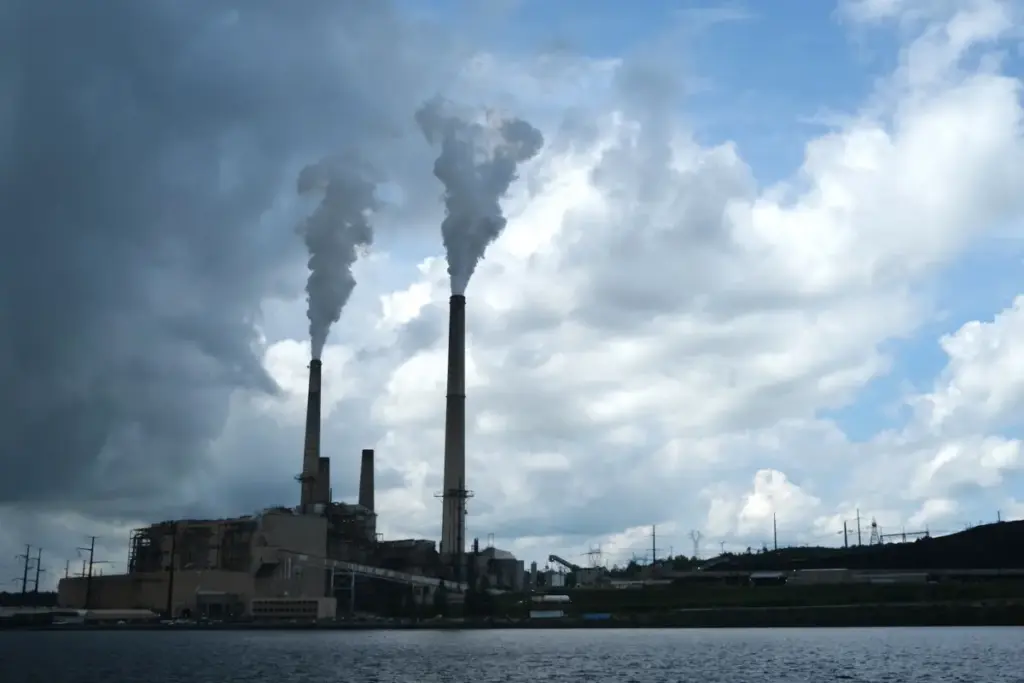
This policy created a functional regulatory vacuum. When tech companies partnered with utilities to keep aging, highly polluting coal-fired power plants online past their scheduled decommissioning dates—purely to feed the voracious energy demands of server farms—the EPA looked the other way. Similarly, when hyperscale facilities like Elon Musk’s xAI "Colossus" supercomputer utilized clusters of onsite fossil-fuel-powered gas turbines to bypass strained local power grids, the administration actively defended these operations under the banner of national security and technological competitiveness.
Supporting Context & Metrics: The Anatomy of the AI Power Crisis
The intersection of artificial intelligence and public health is defined by a brutal mathematical reality: computation demands power, and power in the United States is still predominantly generated by burning fossil fuels.
The Scale of the Boom
Data centers are no longer simple warehouses filled with humming computer servers; modern AI data centers are massive industrial campuses. Training advanced large language models requires thousands of specialized graphics processing units (GPUs) running continuously for weeks or months. A single hyperscale AI data center can consume as much electricity as 80,000 to 100,000 households.
According to data compiled by the Pew Research Center, the vast majority of these new facilities are not being built inside major metropolitan areas where tech headquarters reside. Instead, developers are flocking to rural areas and small towns across states like Virginia, Ohio, Texas, and Georgia. These locations offer cheap land, accessible water for cooling systems, and—crucially—less organized local political opposition. However, these rural communities frequently lack the local regulatory infrastructure or environmental monitoring equipment needed to track and mitigate industrial emissions.
The Fossil Fuel Rebound
Because the transition to renewable energy sources like wind and solar cannot currently keep pace with the hyper-accelerated timelines demanded by tech companies, data center developers have increasingly turned to fossil fuels to guarantee uninterrupted uptime.
- Retirement Delays for Coal Plants: Across the country, regional grid operators have been forced to delay or cancel the planned retirements of aging coal-fired power plants. Facilities slated to be shuttered due to high greenhouse gas emissions and particulate pollution are instead being kept running at maximum capacity to feed adjacent data center loads.
- Onsite Gas Turbines: In regions where local electrical grids cannot handle the sudden surge in demand, tech firms are increasingly installing their own fossil-fuel-fired gas turbines directly onsite. These unregulated or lightly regulated turbines burn natural gas continuously, venting nitrogen oxides ($NO_x$), sulfur dioxide ($SO_2$), and volatile organic compounds directly into local air basins without the scrubber technology required of traditional power plants.
Quantifying the Human Toll
The health consequences of this fossil fuel resurgence are profound. A landmark study out of the University of California, Riverside, examined the public health externalities of the rapid expansion of AI infrastructure and calculated a terrifying metric: air pollution associated with the AI boom could drive up to 1,300 additional deaths per year in the United States.
These deaths are not statistical abstractions. They are the cumulative result of increased exposure to fine particulate matter ($PM_2.5$), ground-level ozone, and toxic combustion byproducts that penetrate deep into human lung tissue and enter the bloodstream.
Official Statements & Expert Perspectives
The systematic dismantling of environmental oversight has alarmed career civil servants, medical professionals, and long-serving scientific experts who view the administration’s actions as a reckless abdication of the EPA’s core statutory mission.
Dan Costa: A Lifetime of Science Sidelined
Dan Costa spent 35 years at the EPA studying the physiological impacts of air pollution, eventually serving as the director of the Air, Climate, and Energy Research Program within the EPA’s Office of Research and Development. Speaking at a press briefing organized by the EPN, Costa offered a scathing critique of the current administration’s philosophy.
"Over the decades, toxicologists, chemists, atmospheric scientists, modelers, and engineers worked in concert with academic colleagues on behalf of the American people—not on behalf of industry," Costa reflected. "We wanted to carry out EPA’s mission of protecting people’s health from industrial air pollution."
Costa emphasized that the synergy between technological innovation and environmental protection has been completely shattered. "Transforming the nation’s energy system, while diminishing its scientific capacity to understand what the impacts are going to be, makes no sense," he warned. By gutting the agency’s research arm while simultaneously accelerating fossil-fuel-dependent industrial growth, the federal government is effectively flying blind through an environmental health crisis of its own making.
Dr. Lynn Goldman: A Physician’s Warning
Dr. Lynn Goldman, a pediatrician, epidemiologist, and former assistant administrator for toxic substances at the EPA during the Clinton administration, focused her remarks on the direct human cost borne by American communities.
"Some health impacts of increased data center pollution might be felt quickly—for example, heart attacks, severe asthma exacerbations, or premature births associated with particulate exposure," Goldman explained during the press briefing. Other consequences, such as chronic respiratory diseases and various forms of cancer, will take years or even decades to fully manifest in exposed populations.
Goldman delivered a stark moral condemnation of the tech industry’s priorities and the federal government’s complicity: "The AI industry’s race for advantage should not be a matter of life or death. Families shouldn’t have to pay for the AI boom with their health."
Future Outlook: Colliding Crises
As the United States pushes deeper into the latter half of the 2020s, the nation finds itself hurtling toward a dangerous collision between two unstoppable forces: the insatiable corporate demand for artificial intelligence infrastructure and the undeniable biological limits of human health and environmental sustainability.
The rollback of EPA guardrails under Administrator Zeldin has effectively established a regulatory sanctuary for industrial polluters under the guise of national security and technological competitiveness. By fast-tracking permits, shielding fossil-fuel-dependent power generation from oversight, and dismantling the independent scientific institutions designed to sound the alarm, the federal government has chosen to gamble with public health.
Yet, as the data center buildout continues to expand into rural towns and suburban neighborhoods, resistance is beginning to mount at the grassroots level. Local community groups, public health coalitions, and environmental justice organizations are increasingly pushing back against the installation of unregulated gas turbines and the retention of toxic coal plants in their backyards.
Whether these local legal battles can successfully check an administration fully committed to tech-sector deregulation remains an open question. What is certain, however, is that the bills for the AI revolution are coming due. Unless federal regulators restore basic environmental safeguards and reign in the unchecked fossil fuel consumption of the tech industry, the true price of artificial intelligence will be paid not in silicon and server racks, but in human lives.



