

Executive Overview
The global energy landscape is undergoing a structural transformation unlike any seen in modern history. Driven by acute geopolitical instability and escalating fossil fuel price volatility, nations across the globe are rapidly pivoting away from traditional hydrocarbons. At the epicenter of this shift is an unprecedented surge in Chinese clean technology exports, which reached historic heights in March 2026.
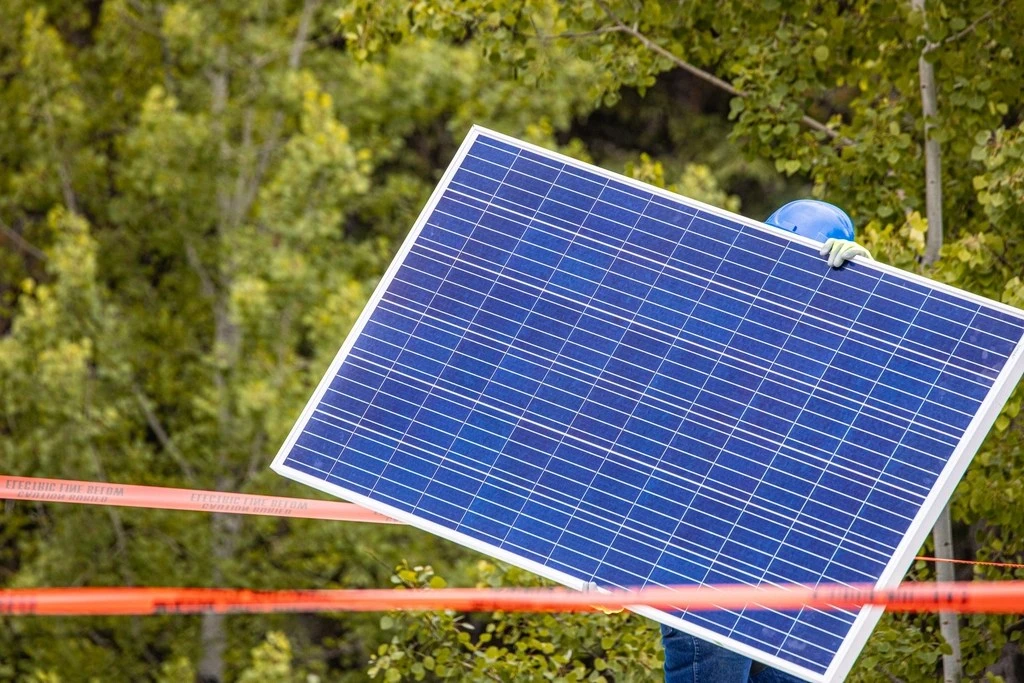
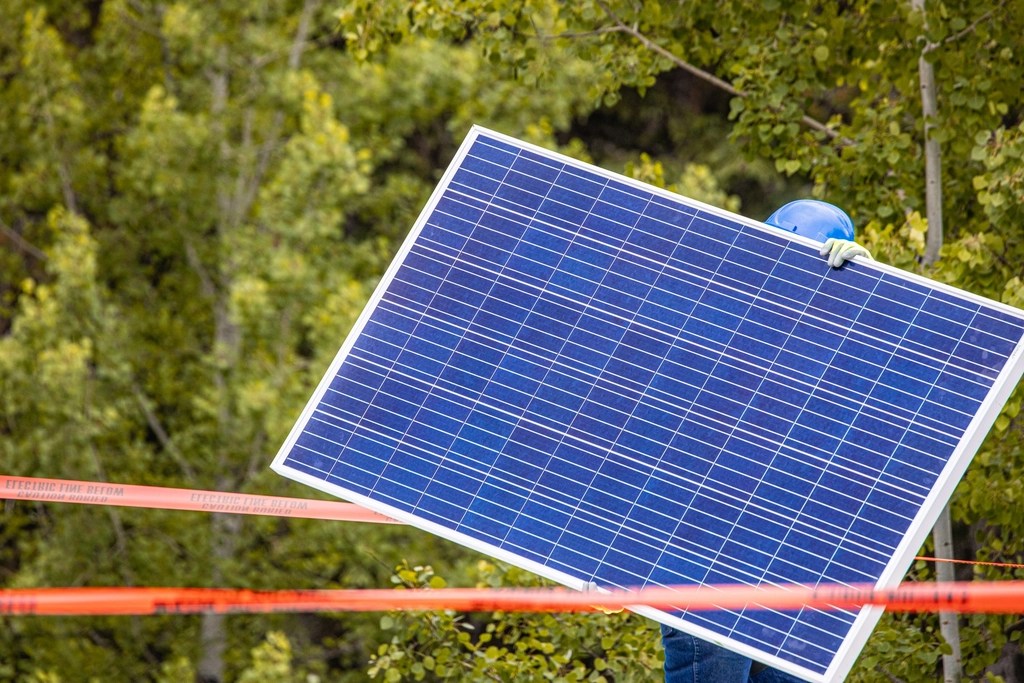
Fresh data compiled and analyzed by energy think tank Ember reveals that China exported a staggering 68 gigawatts (GW) of solar capacity in March alone. This figure represents a doubling of February’s volume and outpaces the previous all-time high set in August 2025 by an impressive 49%. To put this monumental output into context, a single month’s worth of Chinese solar exports roughly equals the entire installed solar energy capacity of Spain.
This historic export wave is not occurring in a vacuum. It is the direct market response to an intensifying global energy shock triggered by the United States-Israel conflict with Iran, which has severely disrupted conventional oil and gas supply chains. As crude and liquefied natural gas (LNG) prices spike, countries are scrambling to secure energy independence through rapid deployment of renewables, utility-scale battery storage, and electric vehicles (EVs). Clean technology has transitioned from being primarily a long-term climate solution to an immediate, frontline strategic defense against geopolitical volatility.
Detailed Chronology of the March 2026 Cleantech Surge
The exponential growth trajectory of China’s clean energy exports through early 2026 highlights a market responding dynamically to compounding international crises. Understanding the sequence of events leading to the March peak reveals how policy adjustments and supply chain adaptations intersected with geopolitical shocks.
Late 2025: The Foundation of Local Assembly
The months leading up to the March explosion laid critical groundwork. By October 2025, a significant shift in export composition occurred: China’s overseas shipments of upstream components—specifically solar cells and silicon wafers—officially surpassed finished solar panels for the first time. This transition signaled that importing nations were no longer merely buying off-the-shelf energy hardware; they were actively investing in domestic manufacturing ecosystems, setting up local assembly lines to capture economic value and build long-term supply chain resilience.
February 2026: The Early Warning Signals
As regional conflicts in the Middle East began to constrain maritime energy transit, early ripples hit global commodity markets. Fossil fuel prices climbed, prompting developing and developed nations alike to reevaluate their short-term energy procurement strategies. Even prior to the March spike, baseline clean technology imports remained robust, setting the stage for a dramatic acceleration as energy security concerns intensified.
March 2026: The Record-Breaking Inflection Point
March marked a watershed moment for global trade in renewable infrastructure. Fifty individual countries established all-time records for Chinese solar imports, while another sixty nations registered six-month highs.
- The Scale: Total solar exports hit 68 GW.
- The Regional Split: Africa’s imports skyrocketed by 176% month-over-month to reach 10 GW, while Asia’s imports doubled to 39 GW. Combined, these two developing regions accounted for roughly 75% of the total global increase.
- Component Breakdown: Finished solar panel exports surged 91% month-over-month to 32 GW, whereas upstream cell and wafer exports climbed 108% to 36 GW, underscoring the sustained global demand for domestic assembly capacity.
April 1, 2026: The Policy-Driven Rush
Compounding the geopolitical urgency was a looming regulatory deadline. On April 1, 2026, the Chinese government adjusted its export tax rebates, a policy shift that effectively added an estimated 9% to the baseline cost of solar panels overseas. This regulatory change triggered a massive pre-deadline purchasing rush, as international buyers rushed to lock in lower prices before the tax adjustment took effect.
Supporting Context & Metrics: Data Behind the Cleantech Wave
The numbers underlying the March 2026 export wave illustrate a systemic overhaul of how countries source, store, and consume energy. Ember’s comprehensive data sets illuminate the sheer velocity of this transition.
Country and Regional Outliers
The impact of the energy shock was felt unevenly across the globe, heavily concentrated in regions most vulnerable to fossil fuel price swings:

- India: Imported an additional 6.6 GW in March, representing a 141% surge.
- Southeast Asia: Malaysia saw imports jump by 384% (+1.8 GW), while Lao PDR experienced a 108% increase (+2.3 GW).
- Emerging African Markets: For the first time in history, several African nations imported more than 1 GW of solar components in a single month. Nigeria recorded a staggering 519% increase, Ethiopia rose by 391%, and Kenya climbed 207%, with the vast majority of these shipments arriving as raw solar cells for local installation.
- Advanced Economies: Traditional heavy markets—including Japan, Australia, and the European Union—also logged record-breaking import volumes.
- The Middle East Exception: Curiously, the Middle East stood as an outlier. Import growth in the region was temporarily suppressed as the effective closure of the critical Strait of Hormuz severely disrupted regional shipping and trade logistics.
Beyond Solar: Batteries and Electric Vehicles
The clean energy pivot extends far beyond photovoltaic panels. According to Ember’s China Cleantech Exports Data Explorer, combined international shipments of solar hardware, advanced batteries, and electric vehicles surged 70% year-over-year in March 2026, and 38% compared to February.
Battery exports alone reached an astonishing $10 billion in March—a 44% month-over-month increase. Strong demand originated primarily from the European Union, Australia, and India, all of which are aggressively building out large-scale energy storage pipelines to stabilize variable renewable grids.
Macroeconomic Buffers Against Fossil Shocks
The broader macroeconomic narrative is one of systemic economic defense. Ember’s Global Electricity Review 2026 demonstrates that record-breaking solar deployment throughout 2025 successfully displaced an amount of gas-fired power equivalent to all liquefied natural gas (LNG) shipments that traversed the volatile Strait of Hormuz that same year.
Concurrently, the rapid expansion of the global electric vehicle fleet reduced global oil demand by 1.8 million barrels per day in 2025—roughly equivalent to 13% of total United States crude oil production. Cleantech is no longer a marginal contributor to the energy mix; it is actively buffering the global economy against severe fossil fuel price shocks.
Official Statements and Industry Analysis
Industry analysts and energy economists have emphasized that the velocity of the current transition is unprecedented, driven primarily by risk management rather than abstract environmentalism.

Euan Graham, a senior analyst at Ember, highlighted the psychological and structural shift occurring across international markets:
"Fossil price spikes are accelerating the shift. Countries are importing solar at record levels while also building out their own manufacturing to keep up with demand."
The vulnerability exposed by maritime chokepoints has fundamentally altered how governments view energy security. Market participants are realizing that while fossil fuels rely on fragile, centralized supply lines susceptible to geopolitical blockades and regional conflicts, renewable energy infrastructure offers decentralized, resilient generation capacity.
Industry experts note that the strategic pivot toward importing cells and wafers—rather than finished panels—reveals a sophisticated approach by developing nations. By capturing value domestically through local assembly, emerging economies are not only hedging against international supply chain bottlenecks but are also building indigenous clean energy industrial bases.
Future Outlook: The New Paradigm of Energy Security
As the global economy moves deeper into 2026, the implications of March’s record-breaking export wave will reverberate for decades. Several key trends will define the future trajectory of the clean energy transition:

- Decentralization as a National Security Mandate: The disruption in the Strait of Hormuz has served as a permanent wakeup call for policymakers. Future energy policy will increasingly prioritize domestic generation and localized storage to insulate national grids from foreign geopolitical conflicts.
- Maturation of Domestic Manufacturing: The high volume of cell and wafer exports indicates that developing nations in Africa and Asia are transitioning from passive consumers of Western or Chinese technology to active producers. This decentralization of manufacturing will strengthen global supply chain resilience.
- Persistent Growth Despite Cost Pressures: Even with the implementation of China’s April 1 export tax rebate adjustments—which added roughly 9% to baseline equipment costs—underlying macroeconomic pressures from high oil and gas prices ensure that renewable alternatives remain economically superior and strategically preferred.
- The Convergence of Cleantech Sectors: The simultaneous surge in solar, utility-scale battery storage, and electric vehicles points toward an integrated energy ecosystem. Nations are no longer just generating green electricity; they are building comprehensive, end-to-end electrified infrastructures that permanently reduce their exposure to volatile fossil fuel markets.
Ultimately, the events of March 2026 mark a historical turning point. Clean energy has transcended its origins as a specialized environmental policy. Today, it stands as the premier frontline defense of global economic stability and national security.



