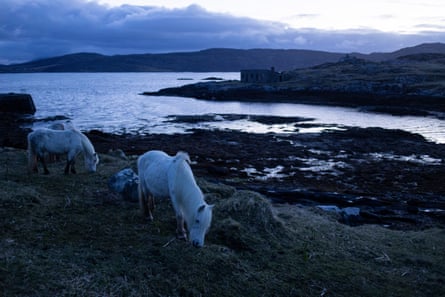
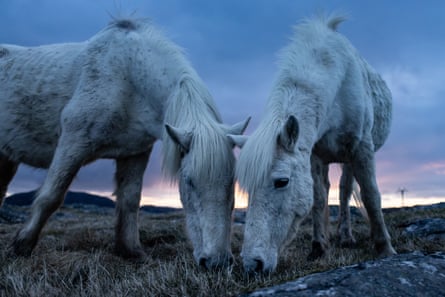
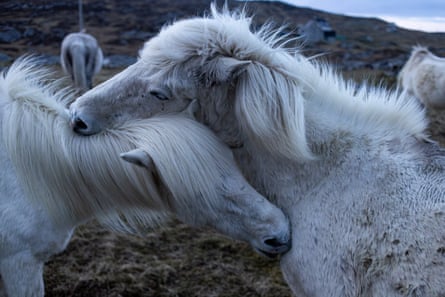
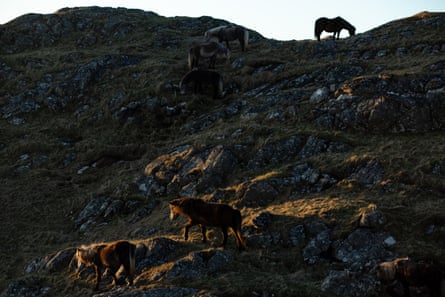
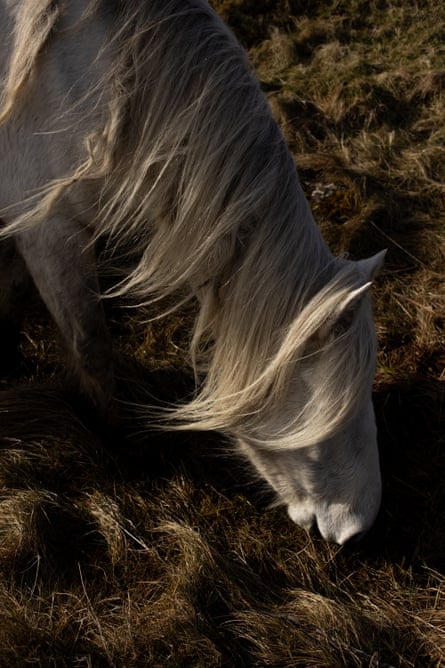
On the windswept, mist-shrouded slopes of Beinn Sciathan in the Outer Hebrides, a living relic of Scotland’s natural and cultural heritage roams free. The Eriskay pony—distinguished by its sturdy frame, gentle eye, and a coat that transitions from dark birth-black to a striking dappled white or rich chestnut in adulthood—is one of the rarest native equine breeds on Earth. Critically endangered, with an estimated global population of only 300 to 400 true-bred individuals, these animals are far more than a picturesque tourist attraction. They are the living embodiment of resilience, deeply intertwined with the history, struggles, and survival of the tight-knit Gaelic-speaking community that calls Eriskay home.
Today, this rare breed faces a compounding crisis. While decades of dedicated conservation have pulled the Eriskay pony back from the precipice of extinction since the darkest days of the 1970s, modern pressures loom large. The shifting climate has brought longer, wetter winters and coastal erosion, while simultaneously fostering warmer microclimates that invite parasitic ticks. Furthermore, the rising costs of veterinary care, farriery, and supplemental winter feeding place a heavy financial and physical burden on the local islanders who own them.
As captured by the late parish priest Father Calum MacLellan, a profound symbiosis defines this rugged landscape: "Without the people of Eriskay there would be no pony, but without the pony there would have been no people on Eriskay." This feature explores the history, unique lifestyle, current threats, and ongoing preservation efforts safeguarding one of Scotland’s most cherished treasures.
Detailed Chronology
To understand the Eriskay pony is to trace the complex tapestry of human and animal survival in the Outer Hebrides. Their history is not merely a record of an agricultural species, but a chronicle of displacement, adaptation, and eventual cultural revival.
The Crucible of the 1850s: The Highland Clearances
The foundations of modern Eriskay society—and the pivotal role played by its equines—were forged during the traumatic upheavals of the Highland Clearances in the 1850s. Thousands of tenant families were forcibly evicted from their ancestral crofting lands on Barra and South Uist by landlords seeking to clear space for sheep runs and sporting estates.
For many of the displaced, Eriskay served as a rocky, unwelcoming refuge. Landlords considered the island’s terrain virtually worthless for traditional agriculture, dumping the dispossessed there with the cynical expectation that they would fail to survive. Instead, the resilient families carved out a new life. Deprived of arable crofting land, they turned to the sea, mastering artisanal fishing. The ponies, brought over alongside the human refugees, proved indispensable to this new maritime-crofting lifestyle, serving as the primary beasts of burden required to haul seaweed fertilizer up steep slopes and transport heavy creels of peat down from the hills.
The Post-War Decline and the 1970s Nadir
For generations, the Eriskay pony remained central to the island’s socioeconomic fabric. However, the mid-20th century brought sweeping modernization and mechanization to the Scottish islands. Tractors, trucks, and modern heating alternatives replaced the working equine. By the 1970s, the economic utility of the Eriskay pony had plummeted, and cross-breeding with Highland ponies and other mainland strains threatened to dilute the gene pool entirely.
By the early 1970s, the population of purebred Eriskay ponies had plummeted to an alarming low of approximately 20 individuals. The breed stood at the absolute precipice of functional extinction. Recognizing the impending loss of a priceless cultural asset, a dedicated coalition of islanders and conservationists stepped forward. In 1972, they established Comann Each nan Eilean (The Eriskay Pony Society), marking the official beginning of organized efforts to rescue, register, and restore the purebred line.
Modern Conservation and the 21st-Century Landscape
Over the subsequent five decades, Comann Each nan Eilean, working in tandem with dedicated owners across Eriskay and the Scottish mainland, painstakingly rebuilt the population. Through careful studbook management, DNA verification, and controlled breeding programs, the numbers rose to the current estimate of 300 to 400 true-bred ponies.
Yet, the recovery remains fragile. The breed association continues to monitor herd dynamics closely, balancing population growth with the ecological carrying capacity of Eriskay’s limited grazing lands to ensure the animals neither overrun the community nor exhaust the fragile soil.
Supporting Context & Metrics
The survival of the Eriskay pony cannot be viewed in isolation from its unique environmental and cultural ecosystem. Eriskay Island itself is a distinct micro-community, home to roughly 150 residents, many of whom are native Gaelic speakers. Over the decades, the island has gained international renown not only for its ponies, but for its pristine white-sand beaches with crystalline turquoise waters, its historic connection to the wartime shipwreck of the SS Politician (the real-life inspiration for Whisky Galore!), and even its FIFA-recognized football pitch. Yet, beneath this picturesque facade lies a rigorous lifestyle dictated by nature.
A Unique Semi-Wild Management Model
Unlike typical domestic horses kept in fenced paddocks, or truly wild herds entirely unmanaged by humans, Eriskay ponies experience a fascinating, hybrid lifestyle that captures the imagination of visitors from around the globe.
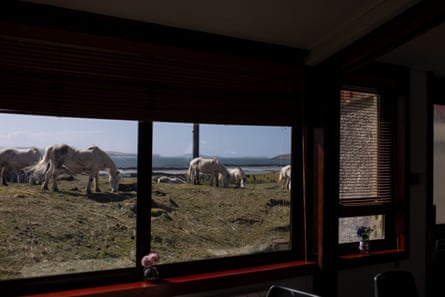
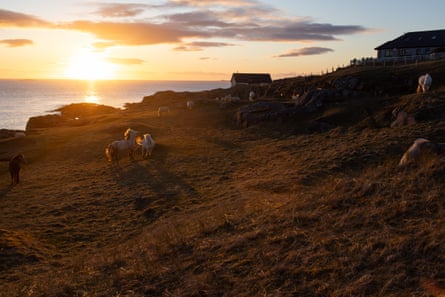
For half of the year, including the brutal winter months, the ponies are given the freedom to roam unfenced across the island and through its village neighborhoods. Despite looking remarkably similar to the untrained eye—typically starting life with a nearly black birth-coat before lightening into dappled greys and soft browns as adults—each pony is easily recognized and accounted for by its individual owner.
In the summer months, the herds are driven up to the higher rocky slopes of Beinn Sciathan. This strategic rotation serves a vital ecological purpose: it rests the lower-lying soils, allowing the fragile turf to recover from intense grazing so that it can remain viable for human crofting and farming needs.
Environmental Pressures and Climate Change
In recent years, the delicate equilibrium of Eriskay has come under pressure from global climate change. Local owners report that winters in the Outer Hebrides are becoming noticeably longer, wetter, and more volatile.
Weather Extremes: Prolonged rainfall has led to instances of "rain scald"—a bacterial skin infection caused by persistent dampness—affecting horses’ coats in ways that older generations of islanders rarely witnessed.
Parasitic Threats: Paradoxically, while winter weather grows harsher and wetter, overall warming trends and milder shoulder seasons have encouraged the proliferation of ticks and other parasites, creating new veterinary hurdles for the herds.
Coastal Erosion: Rising sea levels and intensifying winter storm surges are gradually chewing away at Eriskay’s famous sandy beaches and coastal margins, compressing the habitable and grazable footprint of the island.
Official Statements & Community Voices
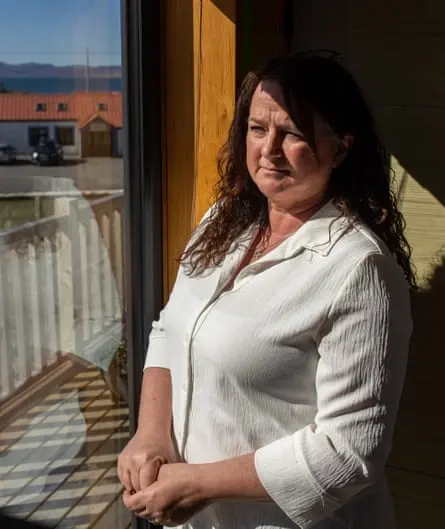
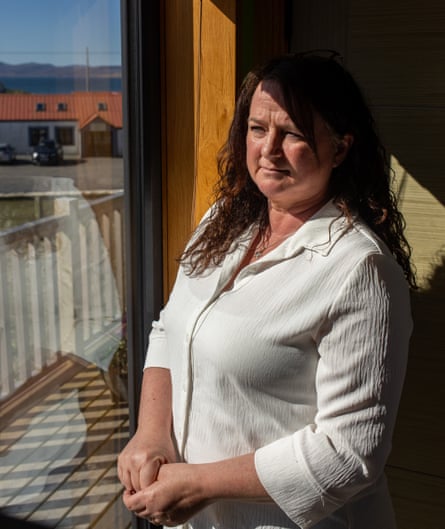
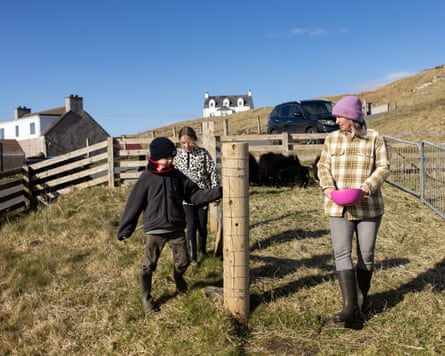
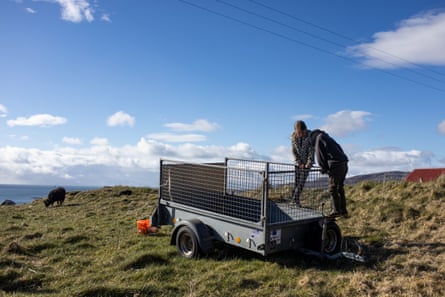
The heartbeat of the Eriskay pony conservation effort lies within its human guardians—individuals who balance modern professions with the grueling, dawn-to-dusk demands of heritage livestock stewardship.
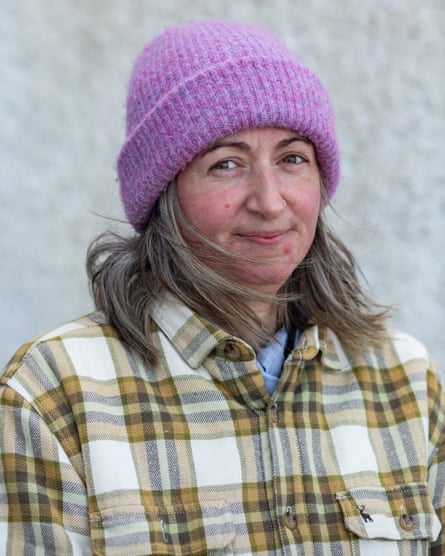
Sandra MacInnes, chair of Comann Each nan Eilean and owner of several Eriskay ponies, reflects on how deeply the animals are woven into the identity of the island:
"It all makes Eriskay what it is today… They came here during the Clearances, made their houses, and when they were cleared from crofting communities and had to learn fishing, they thrived. The ponies were right there alongside them. They both needed each other."
MacInnes also emphasizes the distinct emotional connection that owners form with the animals, transcending their status as livestock:
"You get to know how docile they are. They all have their own personalities, they all have names, they all have little characters. It’s nice to see herd dynamics as families. They are families."
Triona MacKinnon, a local pony owner who maintains animals on both Eriskay and neighboring South Uist, sheds light on the compounding daily challenges brought on by environmental shifts:
"Winters are getting longer and wetter. You can get loads of rain. Some ponies can get rain scald, and you’re not used to seeing that. The community is having to help more in feeding the ponies through the winter months because the natural forage is impacted by the weather."
Despite the considerable financial toll of farriery, veterinary checkups, and supplemental feed, MacKinnon and her fellow islanders view the labor not as a burden, but as a sacred stewardship of cultural heritage passed down through generations.
Future Outlook
As the Eriskay pony looks toward the mid-21st century, its path forward relies on a delicate synthesis of traditional pastoral knowledge and modern conservation science.
Breeding Programs and Genetic Integrity
A primary objective for Comann Each nan Eilean is the continuous refinement of the breed registry. Because historical cross-breeding with Highland ponies frequently obscured census numbers—creating a false sense of security regarding the true population—strict genetic tracking is paramount. The birth of a healthy foal on the island brings immense joy to the community and signals continued viability, but society leaders stress that complacency is fatal to rare breeds. Coordinated breeding exchanges between Eriskay Island and mainland Scottish reserves are vital to prevent inbreeding depression and maintain robust genetic diversity.
Community Sustainability and Heritage Education
The long-term survival of the ponies is inextricably linked to the socio-economic health of Eriskay itself. Sustaining a population of 150 residents requires retaining younger generations and supporting local industries like crofting and tourism. Educational initiatives aimed at visitors help foster respect for the semi-wild herds, ensuring tourists maintain a safe distance and do not disrupt grazing routines.
A Legacy Carved in Stone and Salt
Ultimately, the story of the Eriskay pony is a testament to what can be achieved when a community refuses to let its history be erased by time, economics, or environmental adversity. From the harrowing days of the Highland Clearances to the mechanized agricultural shifts of the 1970s, and now into the uncertain era of climate change, these resilient equines have endured.
As long as the mist rolls down the slopes of Beinn Sciathan, and as long as dedicated guardians like Sandra MacInnes and Triona MacKinnon hike the rocky paths to check on hooves and coats, the Eriskay pony will remain a living testament to the unbreakable bond between the people of the Outer Hebrides and the land they call home.