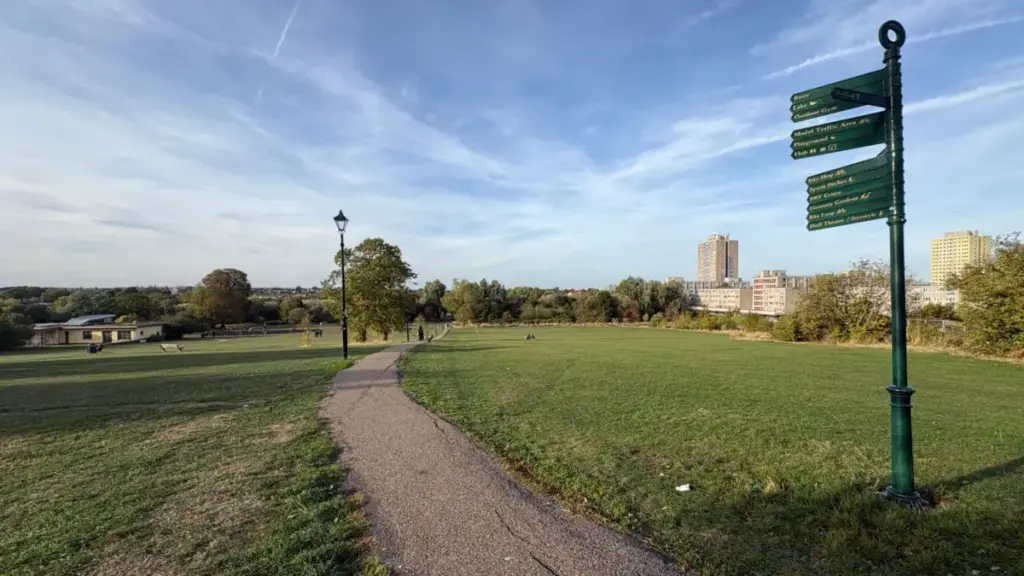
Across the United Kingdom, a profound shift is quietly taking place in how urban planners, conservationists, and local communities view the concrete jungle. For decades, the preservation of nature was treated as a rural pursuit—an endeavor reserved for remote national parks, isolated coastal reserves, and distant countryside estates. Today, however, a growing coalition of environmental campaigners, local volunteers, and horticultural experts is challenging that paradigm. Their core argument is simple yet revolutionary: access to nature should not be a luxury requiring travel, time, and resources; it should be a fundamental entitlement embedded within the fabric of daily urban life.
Recent research underscores a troubling disparity in modern British society: a significant portion of the urban population lacks basic access to parks, woodlands, wetlands, or wildlife-rich green spaces within a comfortable 15-minute walk from their front doors. This spatial disconnect persists despite an overwhelming body of scientific evidence establishing that routine proximity to nature measurably improves human physical health, mental wellbeing, and social cohesion.
In response to this deficit, pioneering projects from the post-industrial outskirts of Greater Manchester to the densely populated neighborhoods of north London are demonstrating how forgotten, neglected, and scarred landscapes can be transformed into thriving urban ecosystems. By turning "scrappy bits of land"—such as former open-cast coal mines and derelict recreation grounds—into vibrant habitats, communities are proving that wildlife and urban populations can not only coexist, but actively sustain one another. As environmental groups lobby policymakers to codify green spaces as essential infrastructure, the movement to bring the wild directly to the urban doorstep gathers unprecedented momentum.
Detailed Chronology: From Industrial Scars to Urban Oases
The journey from derelict industrial wasteland to thriving community nature reserve does not happen overnight. It requires sustained vision, community mobilization, and meticulous ecological restoration. Two prominent case studies—Cutacre Nature Reserve in Greater Manchester and Lordship Recreation Ground in north London—illustrate the timelines and efforts involved in reclaiming urban land for nature and people.
The Transformation of Cutacre: Healing Greater Manchester’s Industrial Past
The story of Cutacre is one of remarkable ecological reclamation. Situated on the edge of Salford and bordering the boroughs of Bolton, Wigan, and Manchester, the site spent years as a sprawling, harsh open-cast coal mine—a landscape stripped of its natural vitality and dominated by heavy industry.
Early 2000s and Prior: The land served as a major industrial extraction site, leaving behind a scarred topography devoid of significant ecological diversity and physically disconnected from the surrounding residential communities.
The Reclamation Phase: Recognizing the potential to stitch the fragmented landscape back together, the Lancashire Wildlife Trust stepped in. Working alongside planners and environmental specialists, the Trust embarked on a massive restructuring project to reshape the terrain.
Habitat Creation: Conservationists systematically engineered a mosaic of diverse habitats. They established sweeping wildflower meadows, constructed intricate wetland networks and permanent ponds, and introduced grazing areas specifically designed for longhorn cattle, which act as natural landscape managers.
Ecological Milestones: Slowly, native wildlife returned. The reserve became a vital sanctuary for bird species including the grey partridge, lapwing, skylark, grasshopper warbler, and the elusive willow tit. In a major conservation triumph, experts successfully reintroduced dyer’s greenweed—a plant that had previously been rendered functionally extinct throughout the Greater Manchester region.
Present Day: Cutacre now functions as a vital green lung for the surrounding housing estates and industrial units, offering daily immersion in nature to thousands of local residents and schoolchildren who might otherwise never set foot inside a traditional, remote nature reserve.
The Rebirth of Lordship Rec: Community-Led Restoration in North London
More than 150 miles away in Tottenham, north London, a parallel transformation was unfolding at the historic Lordship Recreation Ground, though its origins lay in social neglect rather than heavy mineral extraction.
2001 (The Turning Point): When the grassroots campaign group Friends of Lordship Rec was first formed under the leadership of chairman David Morris, the park presented a starkly different picture. It was widely regarded as a neglected, unsafe environment, plagued by derelict buildings, rampant vandalism, and critically low biodiversity. Local families often avoided the grounds altogether.
The Mobilization and Funding Era: Fueled by a determination to reclaim their local environment, the community banded together. Through relentless lobbying, grassroots organizing, and securing approximately £7 million in vital funding—heavily backed by the National Lottery—the group set out on an ambitious regeneration path.
Infrastructure and Ecological Revitalization: Over the ensuing years, the park underwent a comprehensive physical overhaul. Planners and residents worked hand in hand to restore a historic watercourse, plant extensive new woodlands, cultivate community orchards, establish dedicated food-growing allotments, and upgrade sports facilities.
Institutional Recognition: The concerted efforts paid off when Haringey Council formally entered into a co-management agreement with the community group. This partnership helped secure the park’s prestigious designation as a Site of Importance for Nature Conservation (SINC).
Modern Community Hub: Today, Lordship Rec is a bustling epicenter of local life. It regularly hosts structured bat walks, birdwatching clubs, and educational outdoor sessions with local schoolchildren, fostering a lifelong appreciation for the natural world among urban youths.
Supporting Context & Metrics: The Urban Nature Deficit
To fully appreciate the urgency behind the campaigns led by environmental organizations, one must examine the socio-spatial metrics governing modern British towns and cities. Urban expansion has historically prioritized housing density, commercial developments, and transport infrastructure, frequently sidelining green space as an aesthetic afterthought rather than a core public health necessity.
The 15-Minute Neighborhood Deficit
Geospatial and public health research highlights a profound inequality in urban design:
Proximity Gap: A significant percentage of residents living in lower-income urban neighborhoods do not have access to a quality park, woodland, or wetland within a 15-minute walking radius of their homes.
Mobility Barriers: Children growing up in inner-city communities face systemic transportation barriers. As Stephen Cartwright of the Lancashire Wildlife Trust points out, school children in densely built urban corridors rarely have the means or institutional support to travel to rural nature reserves situated miles outside the city limits. Consequently, if nature is not brought directly to their neighborhoods, they effectively grow up entirely disconnected from it.
The Health and Well-being Dividend
The push for urban green spaces is underpinned by an impressive body of clinical and psychological data demonstrating that contact with nature yields measurable human benefits:
Mental Health: Regular exposure to natural environments reduces cortisol levels, mitigates symptoms of anxiety and depression, and enhances cognitive restoration.
Physical Vitality: Green corridors encourage active transport (walking and cycling), combat urban heat island effects, and improve local air quality by filtering particulate matter through tree canopies and vegetation.
Biodiversity Resilience: Urban green spaces do not merely benefit humans; they act as vital ecological stepping stones, allowing migratory birds, pollinating insects, and small mammals to traverse heavily built environments without becoming genetically isolated.
Official Statements and Policy Demands
As the movement to prioritize urban nature gains traction, major conservation bodies and professional coalitions are directing their appeals straight to Whitehall, demanding structural reforms in how land use and public infrastructure are financed.
The Wildlife Trusts Manifesto
Representing a federation of 47 independent wildlife conservation charities across the United Kingdom, The Wildlife Trusts have issued clear policy directives to the government. They argue that preserving biodiversity cannot be achieved solely through rural conservation; urban planning must evolve.
"We need the places right next to where people live, that are scrappy bits of land," explains Stephen Cartwright of the Lancashire Wildlife Trust. If you’re a child growing up in a school over there, the majority of them won’t travel to nature reserves. We need to bring reserves to them."
His colleague, Alan Wright, reinforces this sentiment, emphasizing the psychological and educational importance of proximity:
"We want to engage people in nature and the best way to do it is do things next to where they live. This is a perfect example."
The Horticultural Trades Association and Gardens Trust Coalition
Aligning with conservationists is a powerful coalition led by the Horticultural Trades Association (HTA) and the Gardens Trust. This alliance has formally called upon policymakers to legally and structurally redefine trees, plants, domestic gardens, and public parks not as ornamental luxuries, but as essential public infrastructure.
The coalition is pushing for long-term, ring-fenced government investment to guarantee that local authorities have the financial resources necessary to maintain, expand, and protect urban green spaces against the relentless pressures of commercial real estate development.
Community Perspectives on the Ground
Local leaders intimately involved in grassroots management echo these institutional demands, emphasizing that the positive psychological impact of nature is immediate and universal.
David Morris, chairman of the Friends of Lordship Rec in Tottenham, speaks directly to the transformative power of community-managed spaces:
"Being in nature has an amazing positive effect, an immediate effect. Every neighbourhood should have access to a public green space."
Morris highlights that when local residents are given a genuine stake in the governance and design of their local parks, vandalism drops, civic pride flourishes, and the space transforms into an inclusive sanctuary for people of all ages and backgrounds.
Future Outlook: Reimagining the 21st-Century City
The successes witnessed at Cutacre Nature Reserve and Lordship Recreation Ground offer a compelling blueprint for the future of British urbanism. However, campaigners emphasize that these isolated success stories must become the standard framework for urban development rather than exceptions to the rule.
Looking ahead, several key priorities will shape the urban green revolution:
Policy Integration: Future planning frameworks and national housing policies must legally mandate green infrastructure integration into every major brownfield redevelopment project.
Long-Term Funding Models: Transitioning park maintenance from a discretionary council budget item—vulnerable to local authority austerity cuts—to a protected infrastructure investment akin to roads, drainage, and public utilities.
Biodiversity Net Gain (BNG): Leveraging statutory planning tools to ensure that urban developments actively enhance local wildlife corridors rather than merely mitigating ecological damage.
Community Co-Management: Empowering local residents, volunteer groups, and schools to take an active role in the stewardship of their neighborhood green spaces, ensuring that parks reflect the specific needs of the communities they serve.
Ultimately, the campaign for urban nature challenges the false dichotomy that cities are exclusively for humans and nature belongs exclusively in the wild. By healing industrial scars, transforming neglected municipal plots, and planting the seeds of biodiversity in the heart of urban neighborhoods, conservationists and local communities are forging a healthier, greener, and more resilient future for generations to come.