

Executive Overview
Scotland’s coastal waters, celebrated globally for their breathtaking beauty, ecological richness, and economic importance, are facing an unprecedented reckoning. Despite holding the designation of Marine Protected Areas (MPAs) for over a decade, many of these vital marine zones remain alarmingly vulnerable to destructive industrial practices, including bottom trawling and dredging. The ongoing degradation of these fragile seabed habitats has sparked a nationwide debate over the efficacy of Scotland’s conservation policies and the political will required to enforce genuine ecological recovery.
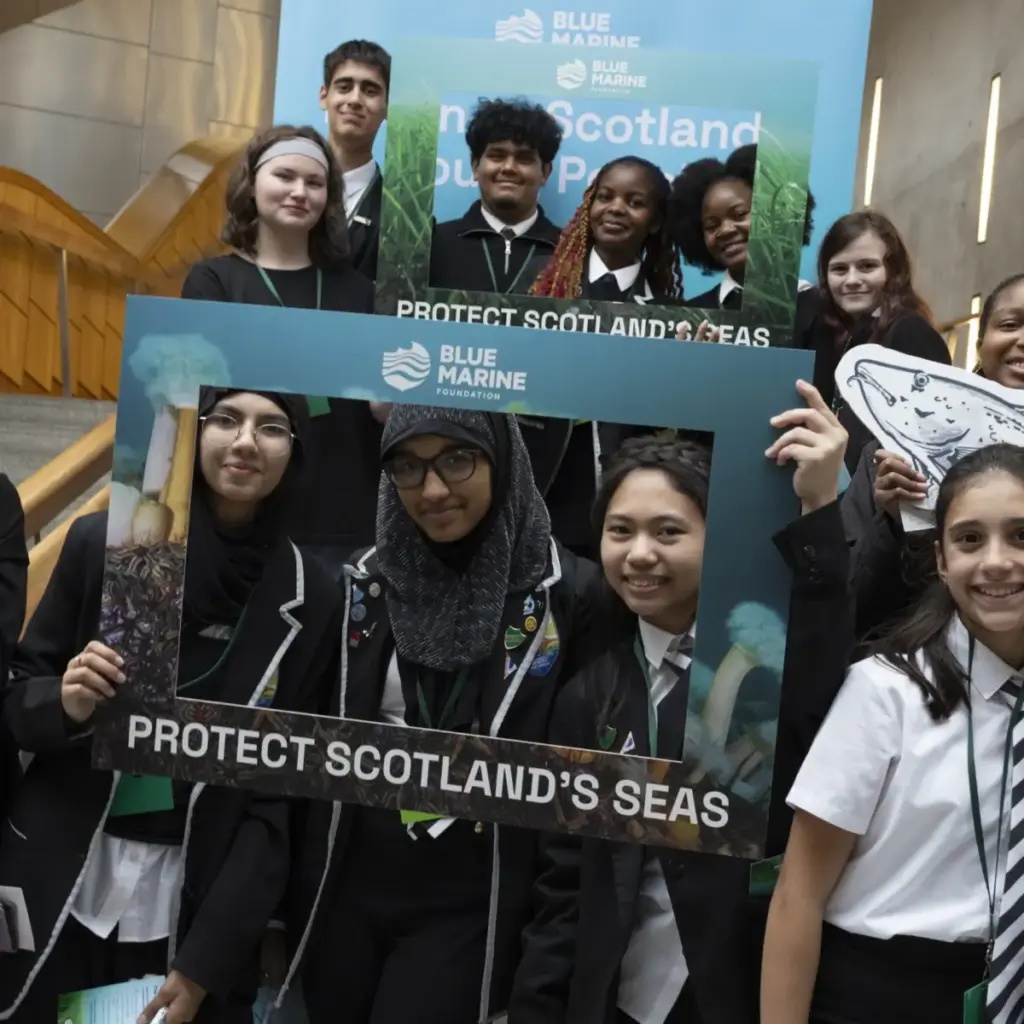
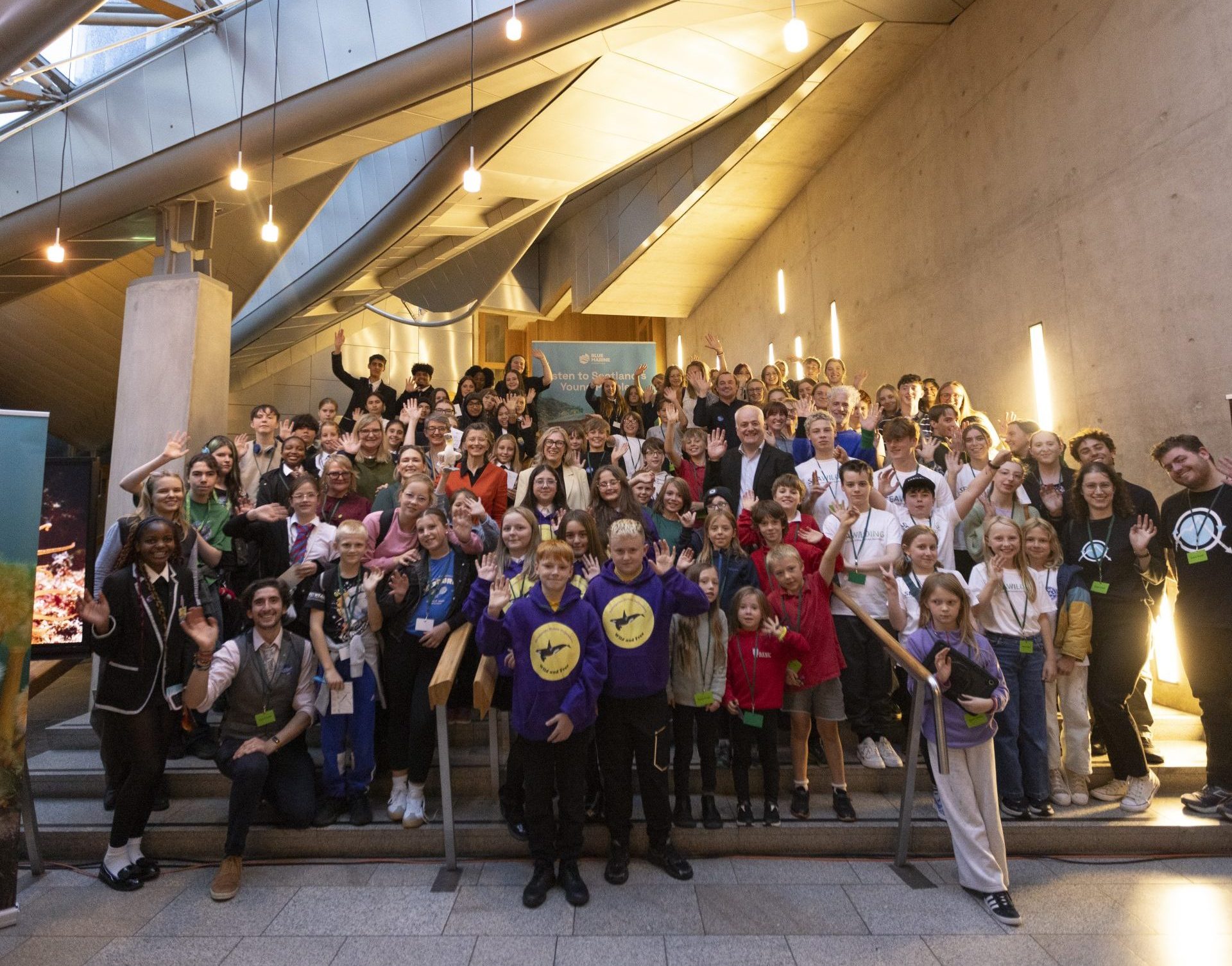
Against this high-stakes backdrop, a powerful new wave of advocacy has emerged from an unexpected quarter: the nation’s youth. In a landmark parliamentary event held in Edinburgh, the Blue Marine Foundation—in partnership with Mark Ruskell MSP—hosted Future Seas: Young People’s Perspectives. This dynamic gathering bridged the gap between impassoned youth advocates and the corridors of power, arriving hot on the heels of a major Scottish Government consultation concerning fisheries management across 76 MPAs and 90 proposed Priority Marine Feature (PMF) management areas.
By showcasing evocative artwork, personal messages, and compelling testimony from young scientists and conservationists, the event served as a stark reminder to lawmakers. The core message was unambiguous: the health of Scotland’s seas is not merely an environmental policy checkbox, but an intergenerational imperative. As the Scottish Government opens a consultation period extending through January 18, 2027, the decisions made today will permanently shape the ecological and economic resilience of Scotland’s coastline for generations to come.
Detailed Chronology: From Legislative Blind Spots to Youth-Led Mobilization
To understand the urgency driving the Future Seas initiative, one must examine the timeline of Scotland’s marine conservation efforts over the past decade and the mounting frustration surrounding regulatory loopholes.
A Decade of Vulnerability
Over ten years ago, the Scottish Government designated a vast network of Marine Protected Areas to safeguard rare species, vulnerable seabed habitats, and crucial fish nurseries. However, a glaring regulatory shortcoming left many of these sites exposed to the devastating mechanical impacts of bottom trawling and commercial dredging. While officially labeled "protected," these areas frequently continued to endure industrial extraction, leading to the ongoing erosion of delicate maerl beds, cold-water coral reefs, and critical spawning grounds. For conservationists and marine scientists, the designation became a paper tiger—a title without the teeth required to foster genuine ecological restoration.
The Launch of the National Consultation
The pressure to rectify this historic policy failure reached a turning point when the Scottish Government unveiled a sweeping consultation on fisheries management measures. Targeting 76 MPAs and 90 proposed Priority Marine Feature management zones, this administrative milestone represents the most significant opportunity in a generation to reform coastal protection laws. The consultation invites public scrutiny and stakeholder input on whether to finally restrict or outright ban destructive bottom-towed gear within these designated ecological sanctuaries.
The Future Seas Parliamentary Reception
Just 48 hours after the government’s consultation went live, the Future Seas: Young People’s Perspectives event convened at the Scottish Parliament. More than 100 young people from across Scotland contributed deeply personal artwork, illustrated postcards, and heartfelt written testimonies articulating their emotional connection to the sea. The exhibition transformed the parliamentary halls into an immersive gallery of youth-driven environmentalism, ensuring that the human and ecological stakes of the consultation were brought directly to the attention of lawmakers.
Supporting Context & Metrics: The Science Behind the Seas
The debate over Scotland’s MPAs is anchored in empirical data regarding the state of marine biodiversity and the socioeconomic realities of coastal fishing communities.
The Ecological Cost of Bottom Trawling
Bottom trawling and hydraulic dredging involve dragging heavy, weighted nets or metal structures across the ocean floor. While efficient for catching bottom-dwelling species like scallops and Nephrops (langoustines, or Dublin Bay prawns), this practice acts like a clear-cut forest fire on the seabed.
- Habitat Destruction: Slow-growing biogenic structures—such as maerl beds, horse mussel reefs, and seagrass meadows—are pulverized. These habitats provide essential nursery grounds for commercial fish species, including cod, haddock, and whiting.
- Carbon Release: Recent marine science underscores that disturbing the seabed releases carbon stored in marine sediments, exacerbating the global climate crisis. MPAs, when properly protected, function as vital blue carbon sinks.
The Socioeconomic Balancing Act
A central argument put forward by organizations like the Blue Marine Foundation is that true marine protection does not require the destruction of coastal livelihoods; rather, it safeguards them. By phasing out industrial bottom trawling within MPAs while explicitly protecting and accommodating small-scale, low-impact coastal fisheries (such as creeling, hand-diving, and hook-and-line fishing), Scotland can achieve a sustainable blue economy.
- Low-Impact Resilience: Small-scale fisheries boast a significantly lower carbon footprint, minimal bycatch, and do not structurally damage the seabed.
- Community Longevity: Supporting low-impact fishers ensures that rural and island coastal communities retain sustainable employment opportunities tied to healthy, thriving fish stocks, rather than facing the long-term depletion of local fisheries caused by over-industrialization.
Official Statements & Key Stakeholder Perspectives
The Future Seas event drew an impressive bipartisan turnout, with Ministers and Members of the Scottish Parliament (MSPs) from across the political spectrum engaging directly with the young advocates. The dialogue emphasized a rare moment of cross-party alignment on the necessity of environmental stewardship.
-
Mark Ruskell MSP (Mid-Scotland and Fife), Co-Host:
“The passion, creativity, and clarity of vision displayed by young people at this event should serve as a wake-up call to everyone in this Parliament. They understand, perhaps more acutely than older generations, that we cannot negotiate with ecological collapse. We have a historic window of opportunity through this new consultation to finally put the ‘protection’ back into Marine Protected Areas, and we must rise to that challenge.” -
Gillian Martin, Cabinet Secretary for Climate Action and Rural Affairs:
Engaging directly with the youth delegation, the Cabinet Secretary listened attentively to concerns regarding marine threats and praised the artwork and postcards on display. Her presence underscored the government’s recognition of the public appetite for robust environmental action. -
Gordon Buchanan, Renowned Wildlife Filmmaker:
Speaking to the assembled guests, Buchanan highlighted the intrinsic value of Scotland’s wild places, emphasizing that the health of our oceans directly dictates the future stability of terrestrial wildlife and human societies alike. He urged decision-makers to look past short-term commercial pressures and prioritize the long-term legacy of Scotland’s natural heritage. -
Lorna Farquhar, Young Ocean Scientist:
Providing a scientific perspective, Farquhar articulated the urgent biological timelines facing marine habitats. She stressed that recovery is entirely possible if given the right legal frameworks, noting that inaction guarantees the continued decline of keystone species upon which entire marine food webs depend.
Future Outlook: The Road to 2027 and Beyond
As the Scottish Government’s consultation remains open for public participation until January 18, 2027, the trajectory of Scotland’s marine environment hangs in the balance. The path forward requires coordinated action across three key fronts:
1. Mobilizing Public and Youth Participation
The Blue Marine Foundation has pledged to support coastal communities, advocacy groups, and young people by providing dedicated resources, educational materials, and guidance on how to effectively respond to the government consultation. Ensuring high levels of public engagement is vital to counterbalancing industrial lobbying that seeks to water down proposed fisheries restrictions.
2. Translating Policy into Enforceable Law
Once the consultation closes in early 2027, the Scottish Government will face the ultimate test of its environmental commitments. Drafting robust, legally binding fisheries management measures that categorically ban destructive bottom-trawling and dredging within vulnerable MPAs and PMF sites will be the definitive measure of success.
3. Fostering Intergenerational Accountability
The Future Seas initiative has established a powerful precedent: young people refuse to be passive observers of environmental decline. By establishing direct lines of communication between youth advocates and parliamentary decision-makers, the event has permanently altered the discourse around marine conservation in Scotland. Future generations are no longer just asking for a seat at the table—they are actively drafting the blueprint for a healthier, more resilient ocean.
Stay Connected and Make Your Voice Heard
The decisions shaping Scotland’s coastal waters belong to everyone. Whether you are a coastal resident, a recreational diver, a commercial fisher, or a concerned citizen, your voice matters in the ongoing consultation.
- Participate in the Consultation: Review the Scottish Government’s official consultation documents online and submit your views before January 18, 2027.
- Engage with Conservation Groups: Visit the Blue Marine Foundation website to access dedicated resources, educational guides, and ways to support low-impact coastal fishing and marine restoration projects.
- Stay Informed: Subscribe to environmental updates and newsletters to track legislative developments as Scotland decides the fate of its invaluable seas.



