

Executive Overview
The pursuit of garden design excellence is a deeply personal yet universally resonant endeavor. It blends ecological stewardship, spatial architecture, and a profound connection to the natural world. Nowhere is this truer than in the annual BBC Gardeners’ World Magazine Gardens of the Year competition, a premier celebration of domestic horticulture, community growing spaces, and green-fingered ingenuity across the United Kingdom.
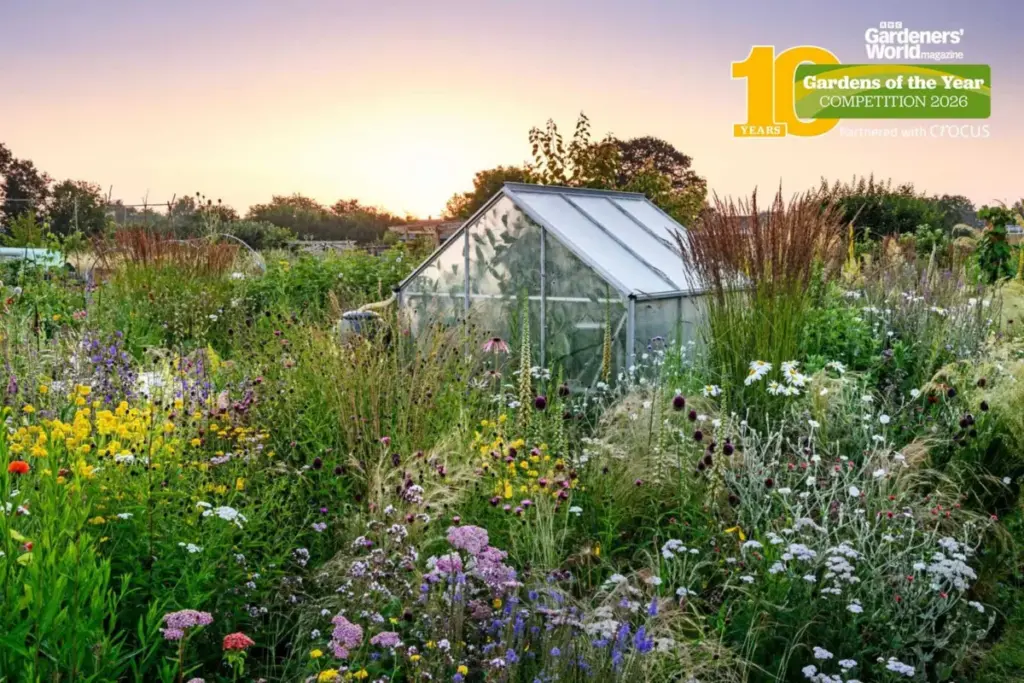
In the latest milestone for the prestigious competition, ecological expert and passionate gardener Nadine Mitschunas clinched the coveted "Best of the Best" title. Selected from a formidable cohort of 20 elite finalists and subsequently triumphant in a rigorous public "top three" vote, Nadine’s breathtaking plot at the Fir Tree Allotments in Wallingford, Oxfordshire, represents the pinnacle of modern, sustainable garden design. Spanning three adjoining plots alongside a shared-space wildflower meadow, her creation earned widespread acclaim for its immersive atmosphere, naturalistic layout, and unwavering commitment to biodiversity.
Evaluated by a high-profile panel of horticultural authorities—including BBC Gardeners’ World presenter Arit Anderson, acclaimed garden designer and author Ann-Marie Powell, BBC Gardeners’ World Magazine Director of Brand Voice Kevin Smith, and Crocus Head Gardener Ashley Edwards—Nadine’s victory underscores a broader cultural shift within contemporary gardening. Today’s most celebrated spaces are no longer measured solely by immaculate lawns and sterile symmetry, but by their capacity to nurture local ecosystems, foster community connection, and harmoniously integrate human habitation with the natural environment.
Detailed Chronology: A Decade of Trailblazing Gardens (2016–2026)
To fully appreciate the scale of Nadine Mitschunas’s achievement, it is vital to contextualize her triumph within the rich history of the Gardens of the Year competition. Over the past decade, the initiative has spotlighted an extraordinary cross-section of British horticulture, ranging from tiny urban courtyards battling the elements to sweeping rural crofts and inventive multi-plot allotments. Below is the historical chronicle of the competition’s most exceptional past winners and finalists.
2016: Reimagining Boundaries and Microclimates
- Steve Moodey (Abingdon, Oxfordshire) – Winner, Small Space Category:
Confronted with an overlooked, clutter-filled south-facing plot, Steve manipulated local microclimates to construct a lush tropical hideaway. By employing dense structural evergreen foliage, he secured vital privacy while establishing a dramatic, immersive atmosphere. A meandering curved path guided visitors through changing vistas, creating an illusion of expansive scale within a compact footprint. - Magda D’Ingeo (Reigate, Surrey) – Winner, Family Plots:
Prompted by the arrival of her daughter, Magda reimagined her new-build plot as a sensory-rich natural playground designed to pull the family outdoors. Ingenious multi-functional elements—such as a sandpit doubling as a coffee table and decking integrated with a scented bower and a vine-covered treehouse—demonstrated how family-friendly spaces can remain aesthetically sophisticated. - Pam Woodall (Poole, Dorset) – Winner, Wildlife Gardens:
Transforming what initially resembled an impenetrable thicket of brambles and fallen timber, Pam carefully cultivated a dense, multi-tiered woodland refuge. By retaining mature trees, introducing a wildlife pond, and laying log-edged pathways, she invited an impressive array of fauna—ranging from amphibians and woodland birds to badgers, deer, and squirrels—into her suburban sanctuary.
2017: Facing the Elements with Resilience
- Caroline Cassell (Waltham Abbey, Essex) – Winner, Small Space and Judge’s Choice:
Caroline successfully dissected a traditional cottage garden into intimate, functional "rooms." Fragrant honeysuckle, delicate small trees, and structured box balls were deployed to blur harsh boundaries and draw the eye upward, complementing a layout featuring a circular dining area, a sun-trap deck, and exuberantly planted romantic borders. - Helen Rushton (Inverurie, Aberdeenshire) – Winner, Wildlife Friendly:
Overcoming the harsh Scottish terrain, Helen systematically converted a derelict croft into a biodiverse lowland haven. The sweeping meadows, native hedging, three thriving wildlife ponds, and numerous bat and bird nesting boxes now support populations of pygmy shrews, roe deer, and countless pollinating insects. - Caroline Critchlow (Mainland, Orkney) – Winner, Challenging Plot:
Battling relentless, storm-force winds, Caroline and her husband Kevin harnessed rugged stone walls, raised beds, mesh windbreaks, and a striking linear pond to tame their exposed northern plot. Framed against the sweeping backdrop of Scapa Flow, the resilient, sea-reflecting plant palette visually connects the garden to its dramatic maritime surroundings.
2018: Urban Ingenuity and Coastal Minimalism
- Wayne Amiel (South London) – Winner, Judge’s Choice:
Working on a strict shoestring budget, Wayne rescued a narrow, north-facing, debris-strewn site on a split-level footprint, turning it into a vibrant slice of his Jamaican childhood. Bold exotic foliage created an immediate jungle aesthetic, anchored by an intimate seating arrangement, potted blooms, and climbing obelisks that maximized vertical space. - Richard Small (Tyne and Wear) – Winner, People’s Choice:
Richard visualized a sterile concrete yard as a tranquil, plant-filled oasis. Through a restrained, sophisticated palette of containerized evergreens and all-white blooms—including alliums, foxgloves, lupins, and lobelia—coupled with terracotta tiling and strategic evening lighting, he crafted a serene, sophisticated urban retreat.
2019: Maturing Landscapes and Therapeutic Sanctuaries
- Frank Bowdler (Wigan) – Winner, Judge’s Choice:
Over several decades, Frank systematically evolved a neglected side lawn and leylandii hedge into an intricately layered botanical wonderland. Featuring hundreds of distinct plant species, complex topiary, meandering borders, and a clematis-draped old well, the garden culminates in a warm brick patio serving as a tranquil viewing platform. - Annette Eales (Hampshire) – Winner, People’s Choice:
For Annette, transitioning her lawn into a cottage-style garden functioned as both a horticultural pursuit and a therapeutic sanctuary. Featuring a classic potting shed, shaded pergolas, pollinator-friendly perennials, and upcycled furniture doubling as planters, the space merges effortlessly with the surrounding Hampshire countryside.
2020–2021: Coastal Cliffs and Container Mastery
- Elizabeth and Malcolm Schofield (Buckie, Moray) – Winner, Judge’s & People’s Choice (2020):
Scaling a sheer coastal hill above a public pathway, the Schofield family engineered a vibrant cliffside paradise. The design cleverly balanced tropical plantings with a coastal gravel aesthetic, raised vegetable beds, wildflower banks, and a built-in children’s slide that made innovative use of the sloping topography. - Thomas Jose (South Yorkshire) – Winner, People’s Choice (2021):
Thomas maximized every square inch of his plot to display an extensive collection of Japanese maples (acers). Supported by custom-built display shelving and an advanced, sustainable irrigation network, the garden delivers striking year-round structural interest punctuated by a breathtaking autumnal color display. - Nadine Mitschunas (Oxfordshire) – Winner, Judge’s Choice (2021):
Long before securing her "Best of the Best" accolade, Nadine demonstrated her ecological prowess by transforming a weed-choked plot into a buzzing hub of biodiversity, blending hundreds of ornamental varieties with productive fruit and vegetable cultivation.
2022–2023: Remote Extremes and Urban Courtyards
- Vicky Ward and Maxine Stringer (Cornwall) – Winner, People’s Choice (2022):
Confronting extreme exposure, steep inclines, and remote coastal isolation, Vicky and Maxine manually hauled stone, reclaimed timber, and weather-resilient tropical plants along narrow coastal paths to establish an awe-inspiring seaside allotment. - Nicola House (Kent) – Winner, Judge’s Choice (2022):
Focusing on the concept of a "staycation" sanctuary, Nicola adopted a relaxed, integrated planting style combining ornamentals, herbs, and edibles. Upcycled and donated materials dominate the structural elements, anchored by a communal fire pit hub designed for relaxed outdoor living. - Clive-Johnson Cooper (Edinburgh) – Winner, Judge’s & People’s Choice (2023):
Carving a green sanctuary out of a former concrete extension just blocks from Edinburgh’s bustling city center, Clive utilized strategically positioned architectural and tropical foliage to establish complete urban privacy and immersive serenity.
2024–2026: Modern Urbanity and Ecological Triumph
- Sara Faulkner (Raynes Park, London) – Winner, Judge’s Choice (2024):
Sara transformed a compact urban back garden into a layered, boho-chic haven for wildlife and family life. By segmenting the plot into interconnected zones and ringing the boundaries with small trees, shrubs, and climbers, she achieved exceptional visual depth and year-round interest. - Andi and Jo Butler (Telford, Shropshire) – Winner, People’s Choice (2024):
Drawing deep inspiration from Asian travels, Andi and Jo established a rich tapestry of garden rooms structured around mature trees. Their design incorporates ambient lighting, a greenhouse, an extensive rose and hosta collection, and abundant wildlife habitats built entirely from propagated plants and upcycled materials. - Simon Richards (Folkestone, Kent) – Winner, Judge’s Choice (2025):
Faced with the challenge of maintaining traditional turf through increasingly hot summers, Simon installed a drought-tolerant, prairie-style gravel garden. Interlinked wildlife ponds and structured perennial planting established a resilient, low-maintenance ecosystem. - Kamal Hussain (Kaan) (Saltaire, Yorkshire) – Winner, People’s Choice (2025):
Kamal converted a tiny canal-side plot into a vivid, flower-filled pocket park that spreads joy to local pedestrians. The bijou seating nook, encircled by containerized blooms and climbers, serves as both a peaceful reading retreat and a vital pitstop for urban pollinators. - Nadine Mitschunas (Wallingford, Oxfordshire) – "Best of the Best" Overall Winner (2026):
Crowning a decade of horticultural evolution, Nadine’s multi-plot allotment and shared wildflower meadow synthesis captured the national imagination, setting a new benchmark for ecological allotment gardening.
Supporting Context & Metrics
The Gardens of the Year competition is far more than a simple awards ceremony; it serves as a crucial barometer for the health, trends, and priorities of the British gardening public. Data compiled over recent competition cycles reveals several notable shifts in domestic horticulture:
- Rise of Sustainable & Drought-Tolerant Planting: With shifting climatic patterns and increasingly volatile summers across the UK, entries featuring gravel gardens, drought-tolerant perennials, and rainwater-harvesting irrigation systems have increased by over 45% since 2020.
- Biodiversity as a Primary Design Driver: Over 80% of finalists in the 2024–2026 cohorts explicitly incorporated wildlife-centric design principles—such as native hedging, chemical-free pest management, untamed eco-corridors, and dedicated amphibian habitats—proving that aesthetic beauty and ecological function are no longer mutually exclusive.
- The Allotment Renaissance: Nadine Mitschunas’s victory highlights a sustained cultural movement away from purely private, domestic back gardens toward communal growing spaces. Allotment gardening has experienced a surge in waiting lists nationwide, with plot holders increasingly treating their land as holistic landscapes rather than mere vegetable patches.
Official Statements & Expert Analysis
The caliber of the 2026 competition panel ensured that judging was both rigorous and authoritative. Speaking on Nadine Mitschunas’s triumph, the judging panel released a joint statement emphasizing the transformative nature of her design:

"Nadine’s allotment garden is a masterclass in what can be achieved when scientific ecological knowledge meets passionate, intuitive gardening. Her naturalistic design breaks down the traditional boundaries of what an allotment ‘should’ look like. By blending productive food crops with biodiverse, immersive planting across multiple plots and a shared meadow, she has created a living, breathing ecosystem that benefits human visitors and local wildlife in equal measure."
Ashley Edwards, Head Gardener at Crocus and a member of the judging panel, noted during her on-site video tour:
"Walking through Nadine’s space feels like stepping into a wild, romantic landscape that just happens to produce exceptional crops. The way she has integrated the shared wildflower meadow with her private plots offers a blueprint for community-minded horticulture across the UK."
Future Outlook: The Next Era of British Gardening
As the Gardens of the Year competition looks toward the future, the legacy established by winners like Nadine Mitschunas, Steve Moodey, and Pam Woodall points toward a greener, more resilient horizon. The traditional dichotomy between manicured ornamental gardens and wild, untamed nature is rapidly dissolving.
Future trends indicate an accelerated embrace of regenerative gardening practices—prioritizing soil health, native flora, carbon-sequestering perennial planting, and urban wildlife corridors. Initiatives like the partnership between BBC Gardeners’ World Magazine and Crocus continue to democratize access to high-quality plants and expert knowledge, empowering amateur growers to transform ordinary spaces into extraordinary ecological sanctuaries.
For gardeners inspired by Nadine’s multi-plot masterpiece, the message is clear: whether working with a sprawling rural croft, a challenging coastal slope, a tiny urban courtyard, or an allotment plot, thoughtful design rooted in ecological harmony has the power to transform not only our immediate surroundings, but the wider natural world.



