

Executive Overview
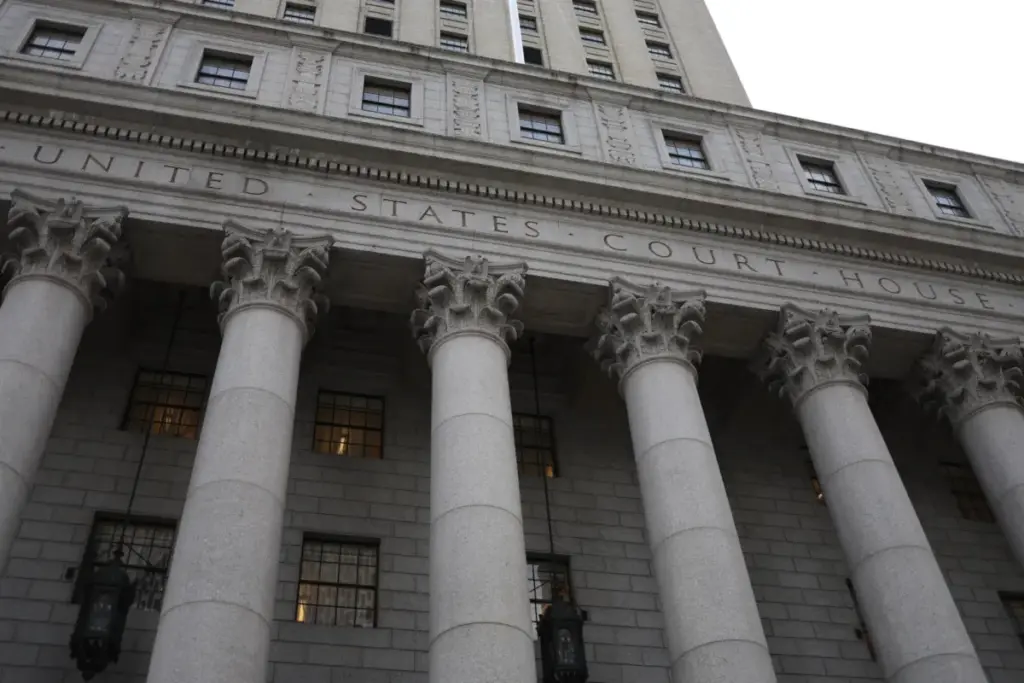
As the United States Supreme Court prepares to hear oral arguments in one of the most consequential environmental litigation battles of the modern era, an unexpected alliance is fracturing traditional political boundaries. At the center of the dispute is a high-stakes lawsuit brought by the city and county of Boulder, Colorado, against fossil fuel giants Suncor Energy and ExxonMobil. The municipalities are seeking financial damages to help shoulder the skyrocketing costs of adapting to climate change-induced disasters, including historic heat waves, protracted droughts, catastrophic wildfires, and severe flooding.
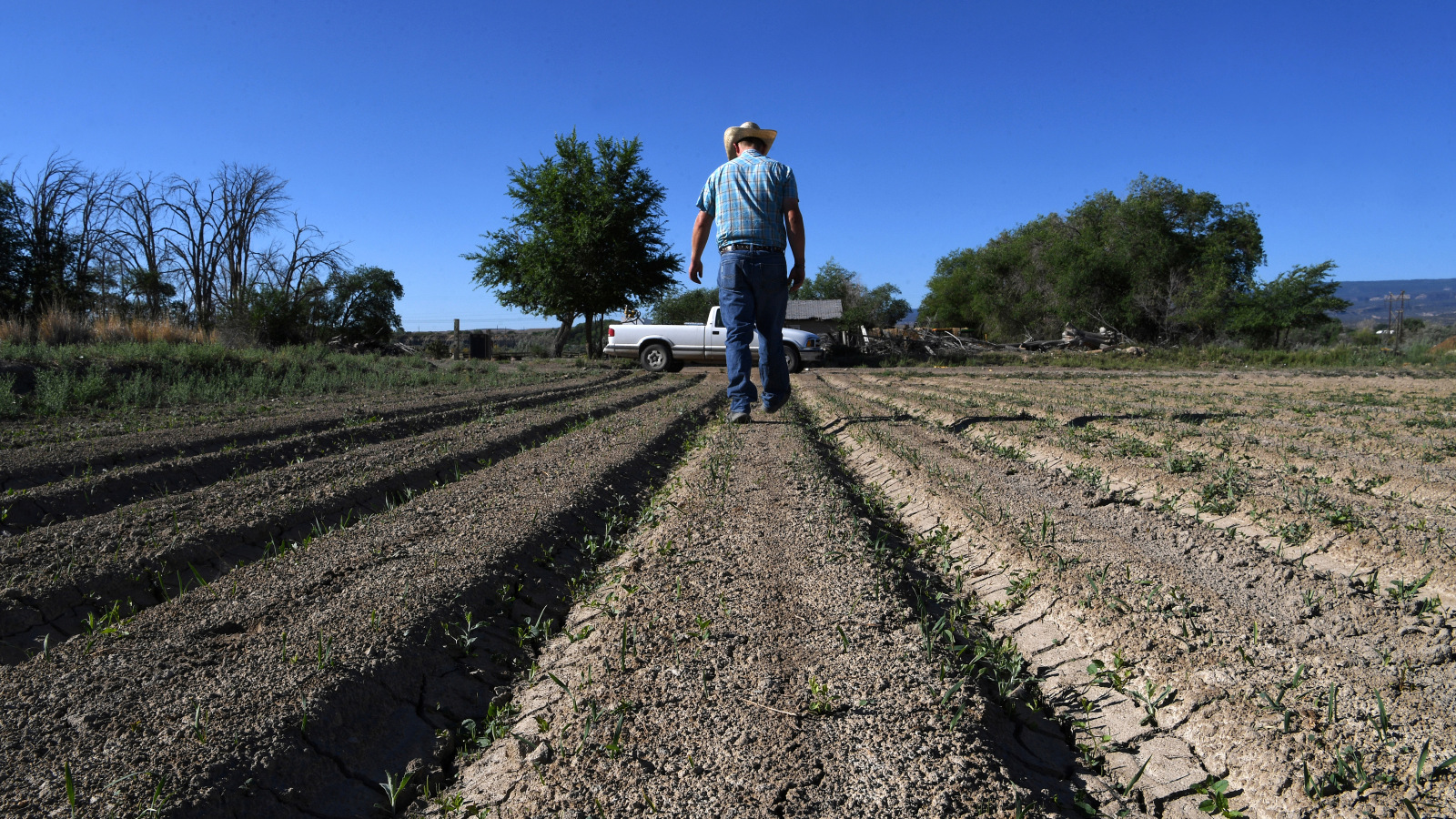
While major oil corporations have spent years deploying immense legal resources to shut down dozens of similar climate lawsuits across the country, a surprising demographic has stepped forward to challenge them: conservative ranchers from the American West. Led by figures like northwest Colorado rancher Deirdre Macnab, these agricultural producers are pushing back against local governments that have used taxpayer dollars to support the fossil fuel industry’s legal defenses. Facing financial ruin from scorched grazing lands, dead livestock, and unsustainable water expenses, these ranchers argue that fossil fuel companies must be held legally accountable for the downstream consequences of their operations.
The impending Supreme Court review does not primarily focus on the substantive merits of whether oil companies are liable for climate change. Instead, the immediate question before the justices is procedural: whether the nation’s highest court should intervene prematurely to halt a state-level trial before it even begins. Suncor and ExxonMobil are attempting to bar state courts from hearing the case entirely, arguing that federal statutes preempt such litigation.
However, the legal landscape shifted dramatically just days before oral arguments when conservative Justice Samuel Alito recused himself from the case due to financial holdings in the energy sector. This unexpected withdrawal has made it mathematically harder for oil majors to secure the five-vote majority required to shield themselves. Beyond the immediate legal maneuvering, the case carries profound implications for the future of corporate accountability, state sovereignty, and the question of who ultimately bears the crushing multi-billion-dollar price tag of a warming planet.
Detailed Chronology
The Genesis of the Litigation (2018)
The legal saga began in 2018 when the city and county of Boulder, Colorado, filed a groundbreaking lawsuit against multinational oil corporations Suncor Energy and ExxonMobil. Drawing inspiration from municipal tort actions historically brought against tobacco and pharmaceutical companies, Boulder’s complaint alleged that fossil fuel conglomerates had knowingly deceived the public regarding the climate risks of burning oil and gas. Consequently, the local government argued, these corporations should contribute financially to the mounting infrastructure, disaster relief, and adaptation costs forced upon municipalities by a changing climate.
The Procedural Chess Match (2018–2025)
For nearly seven years, the case wound its way through a grueling procedural labyrinth. Sensing a more sympathetic audience, attorneys for Suncor and ExxonMobil repeatedly sought to dismiss the lawsuit or have it transferred from state jurisdiction to federal court—a venue historically viewed as more favorable to corporate interests. Despite these aggressive motions, Boulder prevailed at virtually every stage of the jurisdictional battle.
The turning point arrived in May 2025, when the Colorado Supreme Court delivered a decisive ruling affirming that the lawsuit fell squarely within the purview of state courts and should proceed to trial. Refusing to accept defeat, the oil companies petitioned the U.S. Supreme Court to intervene, seeking an extraordinary pretrial review to halt the state-level proceedings permanently.
Municipal Alignment and Backlash (Spring 2026)
As the Supreme Court agreed to take up the petition, political divisions crystallized across Colorado and the nation. In the spring of 2026, local news reports revealed that Rio Blanco County—a rural municipality in northwest Colorado—had expended thousands of taxpayer dollars to join an amicus curiae brief supporting the oil companies’ bid to evade trial.
This revelation sparked outrage among local agriculturalists. Ranchers who had spent years bearing the direct economic burdens of extreme weather found themselves betrayed by local leadership aligning with the very industries driving environmental degradation. This friction catalyzed a grassroots counter-movement among rural residents organized by figures like Deirdre Macnab.
The Supreme Court Showdown (Fall 2026)
As the case advanced toward oral arguments scheduled for Monday, the political and judicial calculus shifted. A watchdog report released in late August revealed that the vast majority of amicus briefs filed in support of ExxonMobil and Suncor originated from front groups and organizations with deep financial ties to the fossil fuel industry or climate-skeptic foundations. Yet, offsetting this corporate backing were unexpected amicus filings from prominent conservative legal scholars and former Republican Environmental Protection Agency (EPA) administrators who argued that federal law does not preempt state-level tort claims.
Most notably, just days before oral arguments were set to commence, Supreme Court Justice Samuel Alito announced his recusal from the case due to personal financial holdings in oil companies. This late-breaking development scrambled the court’s anticipated ideological arithmetic, leaving the oil industry fighting to secure a viable five-justice majority.
Supporting Context & Metrics
The Economics of Agricultural Devastation
The urgency driving rural support for Boulder’s lawsuit is rooted in hard economic metrics. Western ranches are front-line casualties of escalating climate anomalies. According to agricultural reports from the region, extreme heat and prolonged droughts have systematically parched grazing lands across Colorado and neighboring states.
During one of the worst wildfire seasons in state history, a single blaze resulted in the catastrophic loss of dozens of neighboring cattle burned to death in minutes. To keep surviving herds alive through depleted pastures, ranchers have been forced to absorb thousands of dollars in unexpected monthly overhead expenses just to truck in external feed and water supplies.
These compounding shocks have pushed numerous multi-generational ranching families to the brink of bankruptcy. Many have been forced to liquidate portions of their herds or list their ancestral lands for sale, transforming staunchly conservative rural stakeholders into ardent advocates for corporate climate accountability.
The Landscape of Legal Support
The polarization surrounding the Supreme Court docket reflects a broader ideological divide over climate policy, yet it features notable anomalies:
- The Corporate Front: Industry-backed entities, business roundtables, and Republican-led state attorney general offices have rallied overwhelmingly behind Suncor and ExxonMobil. A comprehensive investigation by consumer watchdog organizations discovered that 25 out of the 38 amicus briefs filed in favor of the oil companies were authored by entities directly funded by fossil fuel interests or conservative think tanks opposed to environmental regulations.
- The Conservative Dissent: Challenging the monolithic corporate narrative are key conservative thinkers and legal scholars, such as William & Mary Law School environmental law professor Jonathan Adler, alongside former EPA administrators Christine Todd Whitman and William Reilly (who served under Republican presidential administrations). These figures argue that traditional federal statutes like the Clean Air Act do not strip states and local municipalities of their historic common-law rights to seek judicial redress for property damage.
- Cross-Party Convergence: Similar legal dynamics are playing out nationwide. In Louisiana, conservative-leaning coastal parishes have pursued litigation against Chevron and other energy majors, demanding compensation to restore rapidly eroding coastlines driven by rising seas and industrial dredging.
Official Statements
The legal arguments underpinning the Supreme Court battle reveal a profound philosophical clash over constitutional federalism, state sovereignty, and common-law principles.
Alejandro Camacho, Professor at UCLA School of Law:
"If someone has harmed you, you should be able to go to court and make the case that they harmed you and that they need to pay you for it. It’s a centuries-old common law principle. And these companies are basically trying to say, ‘You shouldn’t be able to make the case in court.’"
Commenting on the shifting calculus among conservative jurisdictions, Camacho added:
"There are going to be conservative communities, or predominantly conservative communities, who see that they are being forced to pay millions of dollars to protect their towns because of the actions of fossil fuel companies."
Deirdre Macnab, Northwest Colorado Rancher and Grassroots Organizer:
"It really disturbed me that the county was taking sides, and in particular, supporting oil companies whose operations, we now know, are putting the human population and wildlife, livestock, everything, at risk."
Urging the Supreme Court to permit the litigation to proceed in state court, Macnab emphasized the existential threat facing food producers:
"Until they’re held responsible for the consequences that they have known about for decades, they are not going to be part of the solution. They need to be brought to the table, because humankind and our food production is what’s at stake."
Jonathan Adler, Environmental Law Professor at William & Mary Law School:
Noting the evolution of corporate legal strategy, Adler observed that oil companies have steadily drifted away from their initial, weaker arguments centered on the Clean Air Act, pivoting instead toward abstract arguments regarding the constitutional limits of state power. In Adler’s analytical view, federal courts should generally hesitate to override bona fide state-law claims “unless there is a clear basis for doing so.”
Future Outlook
The impending decision by the Supreme Court will cast a long shadow over the American legal and political landscape for decades. Should the justices rule in favor of Suncor and ExxonMobil by establishing a sweeping federal preemption against climate torts, it would effectively slam the courthouse doors shut on dozens of active state and municipal lawsuits across the nation. Such a ruling would shield the fossil fuel industry from billions of dollars in potential liability, leaving local taxpayers and resource-strapped communities to shoulder the entire financial burden of climate adaptation infrastructure alone.
Conversely, if the court declines to intervene or explicitly remands the case back to Colorado state courts, it will greenlight a wave of high-stakes trials. In these forums, internal corporate documents detailing fossil industry awareness of climate risks will likely be introduced into the public record under oath. This scenario would introduce substantial financial risk for energy majors and fundamentally redefine the boundaries of corporate accountability.
Furthermore, the unexpected erosion of ideological solidarity—evidenced by conservative legal scholars defending state common-law rights and rural ranchers demanding corporate restitution—signals a shifting political reality. As the physical and economic tolls of environmental instability accelerate across conservative heartlands and coastal communities alike, the political insulation protecting fossil fuel companies from local grievance is steadily wearing thin. The Supreme Court’s impending ruling will determine not only the immediate fate of Boulder’s lawsuit, but whether the architects of a warming world can be compelled to face a jury of the people bearing its costs.



